

Automotive Case Study Highlights

Challenge
- Accommodating varying combinations of materials and thicknesses that required customized welding strategies and process parameters.
- Maintaining near-zero-gap conditions between busbars and battery terminals despite dimensional variation and busbar rigidity.
- Managing thick-to-thin weld joints, balancing weld penetration with strict thermal limits to protect battery performance and reduce thermal runaway risk.
- Mitigating contamination, pre-clamping, and weld-sequencing challenges that could lead to weld defects, scrap, rework, and cycle-time delays.
- Meeting aggressive production targets while maintaining a 99.999999% first-pass yield.

Solution
- Design for Manufacturability (DFM) Assessment: Evaluated materials, busbar geometry, weld requirements, dimensional tolerances, and production constraints to identify risks early and optimize the process before equipment design was finalized.
- Proof-of-Principle (POP) Testing and Process Validation: Conducted proof-of-principle testing, technical risk assessments, and controlled trials to develop and validate production-ready weld parameters.
- Stitch Welding and Active Cooling Strategies: Balanced weld strength, thermal performance, and throughput while maintaining temperature requirements and process stability.
- Cell Sorting and Matching: Addressed dimensional variations by grouping battery cells by length to maintain near-zero-gap conditions and consistent weld quality.
- Advanced Tooling and Process Controls: Implemented custom clamping, force-controlled systems, inline inspections, weld-quality verification, vision systems, and rapid-prototyped tooling to improve stability, reduce rework, and ensure weld consistency.

Results
- Established the foundation for reliable, large-scale battery production through testing and process validation.
- Avoided a complete product redesign by adapting the manufacturing process around design constraints, accelerating production readiness.
- Reduced manufacturing risk by identifying potential failure points early and validating welding parameters before production launch.
- Achieved weld-quality objectives aligned with ISO 13919-2 Level B requirements, supporting consistent weld integrity, penetration, and defect control.
- Reduced floor space requirements by 5% while enabling higher throughput and a scalable production architecture for future growth.
Company
Automotive Battery Manufacturer
Industry
Automotive
Region
Global
Challenge
Overcoming Busbar Welding and Production Constraints
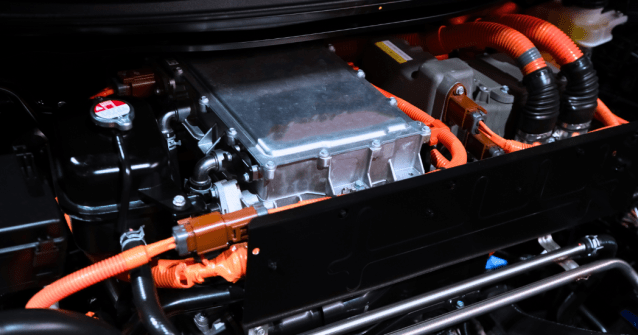
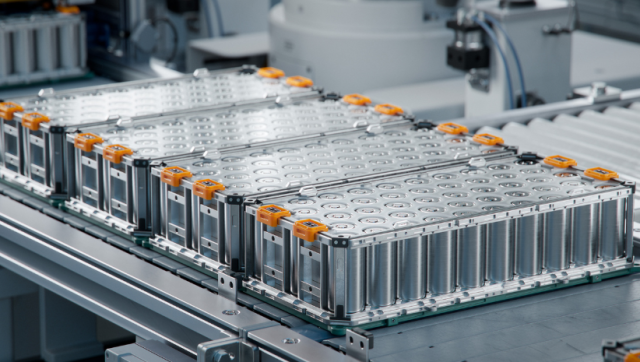
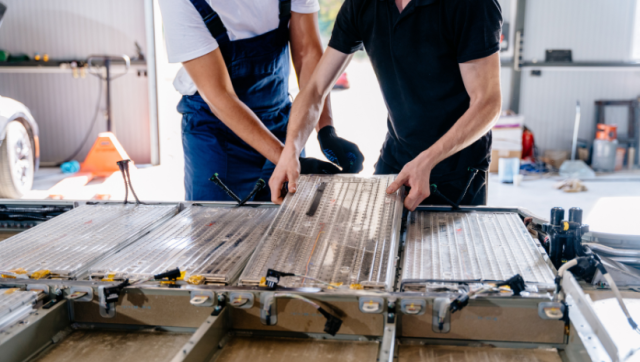
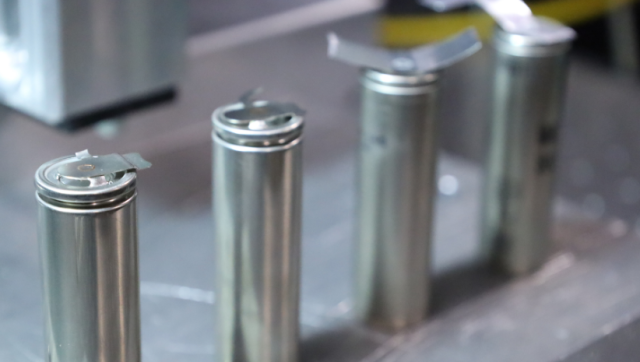
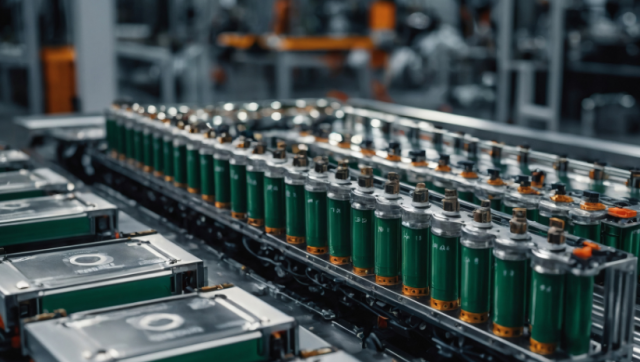
A leading electric vehicle (EV) battery manufacturer needed to scale a newly designed battery cell string and pack assembly system for production while achieving aggressive throughput, quality, and performance targets. A critical obstacle was the busbar laser-welding process, which plays a central role in battery assembly and directly impacts battery safety, performance, and reliability.
Meeting production requirements demanded a delicate balance between speed, quality, and thermal management. The laser welding process needed to meet aggressive battery production targets while ensuring battery cell temperatures did not exceed 120°C for more than two seconds during welding. At the same time, the manufacturer required an exceptionally high 99.999999% first-pass yield, leaving little room for process variation or defects.
Achieving target cycle times while maintaining consistent weld quality presented significant challenges, including:
- Accommodating different material and thickness combinations that demanded tailored welding strategies and process parameters.
- Maintaining near-zero-gap conditions between the battery busbar and cell terminals despite dimensional variation between cells and the rigidity of the busbar design.
- Welding thicker busbars to thinner battery terminals, requiring sufficient energy for weld formation while staying within strict thermal limits to protect battery performance and reduce the risk of thermal runaway.
- Managing pre-clamping requirements, weld sequencing, and laser repositioning across multiple weld locations to achieve the required cycle-time target.
- Mitigating the effects of oxidation and electrolyte residue on battery terminals, which could lead to weld defects, scrap, and rework.
The project was further complicated by a third-party supplier that had been unable to develop a reliable laser-welding process, leaving the battery manufacturer without the expertise needed to validate the design and optimize it for scale. Without a robust welding solution, the battery program faced the risk of increased scrap, reduced yields, costly delays, and production readiness challenges.
Solution
Advanced Laser Welding and Process Optimization
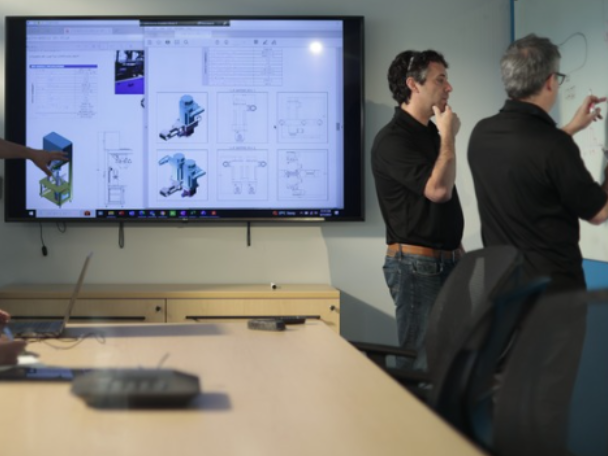
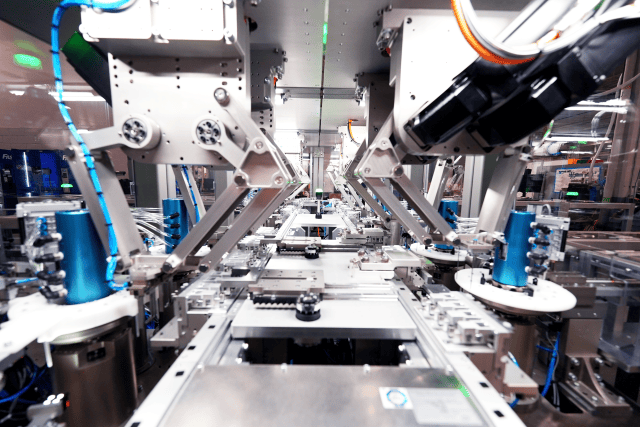
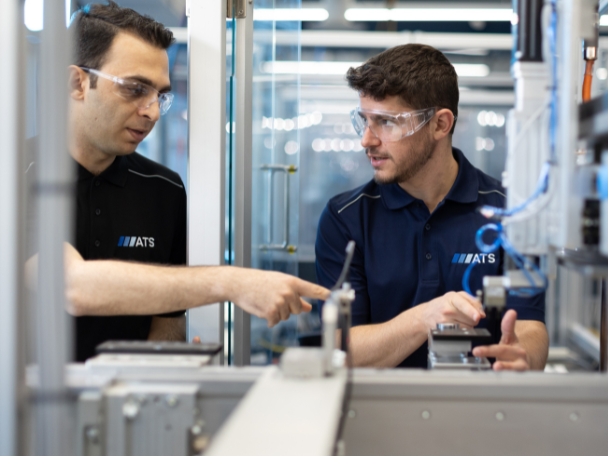
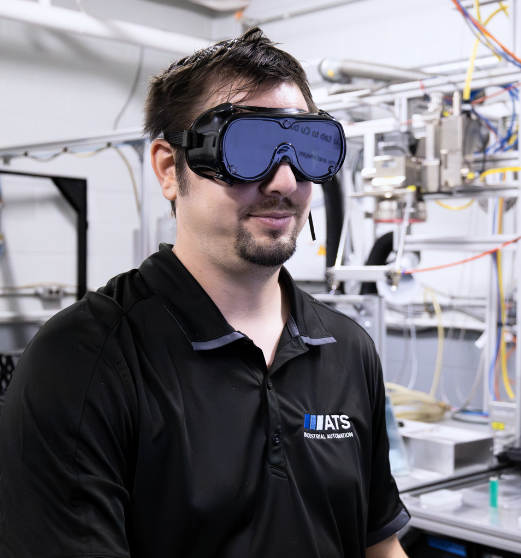
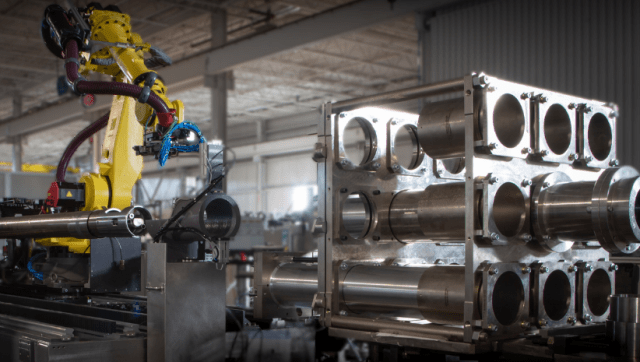
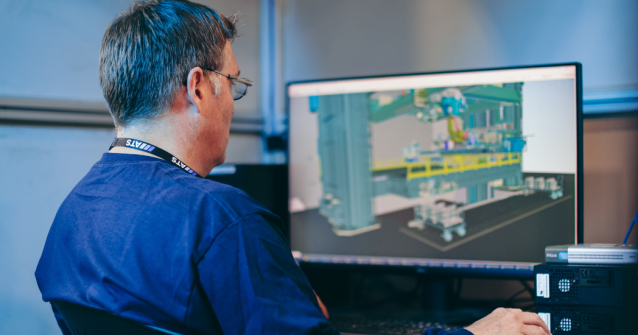
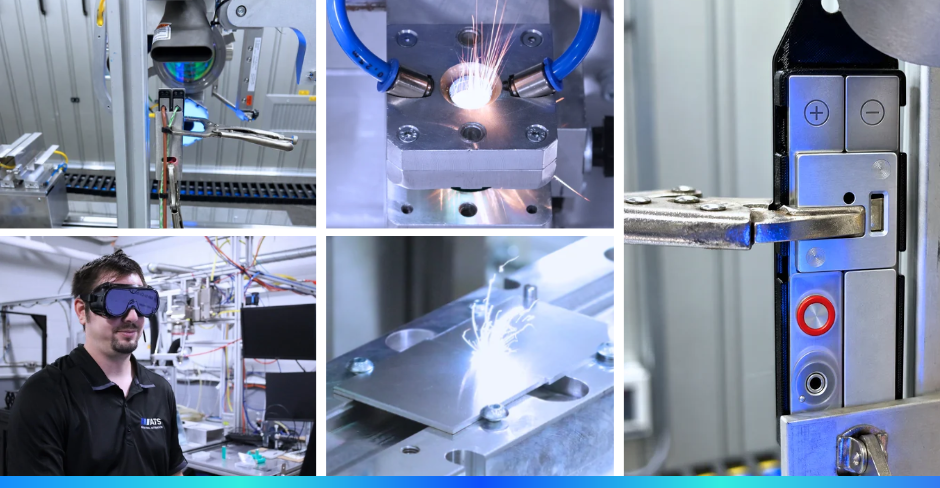
ATS Industrial Automation partnered with the customer to develop a production-ready automated laser-welding solution, leveraging deep expertise in automation, battery manufacturing, laser welding, and simultaneous engineering. The team evaluated the entire battery pack design and assembly process, reviewing materials, busbar geometry, weld requirements, dimensional tolerances, and overall manufacturability to identify risks early and optimize the process before production equipment was finalized.
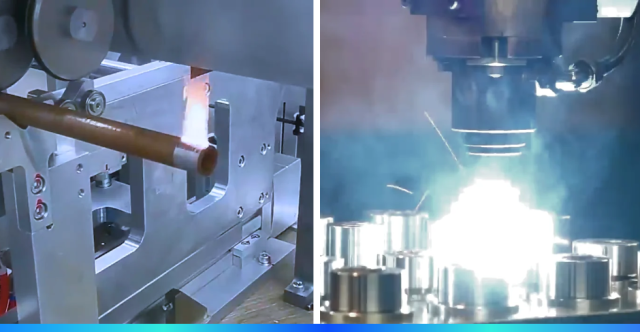
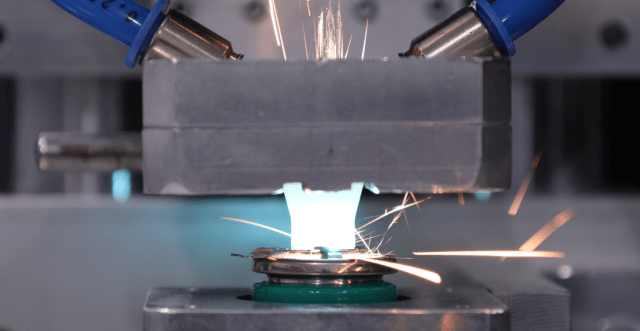
Leveraging in-house laser expertise and a strategic network of laser technology partners, ATS conducted extensive proof-of-principle (POP) testing, technical risk assessments, and process validation. Through controlled trials, the team developed and validated welding parameters optimized for the customer’s materials and product design. Multiple approaches, including stitch welding and active cooling strategies, were evaluated to balance weld strength, thermal performance, and throughput, while ongoing refinements improved weld quality and process stability. ATS also adapted the manufacturing process around design constraints, eliminating the need for a complete product redesign.
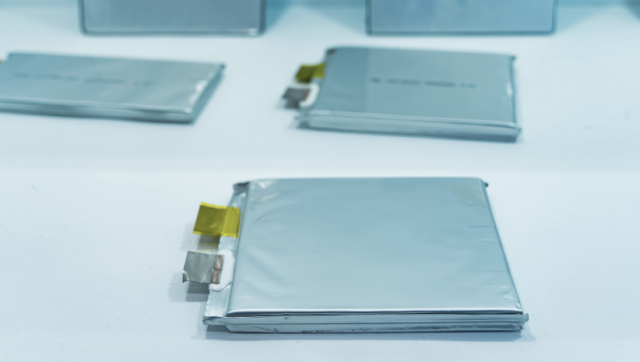
To overcome dimensional variation challenges, ATS implemented a cell sorting and matching strategy that grouped battery cells by length before feeding matched sets into the battery welding process. This approach helped maintain the consistent zero-gap conditions required to meet weld quality requirements and support scalable battery production.
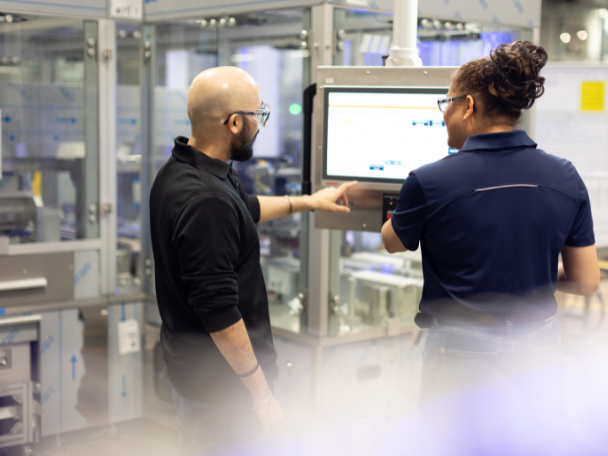
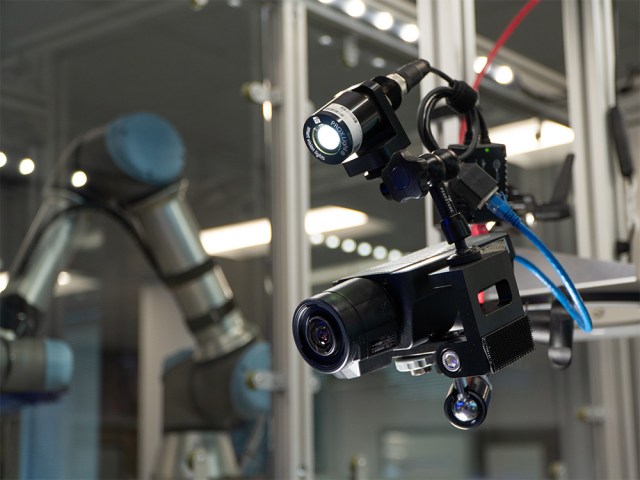
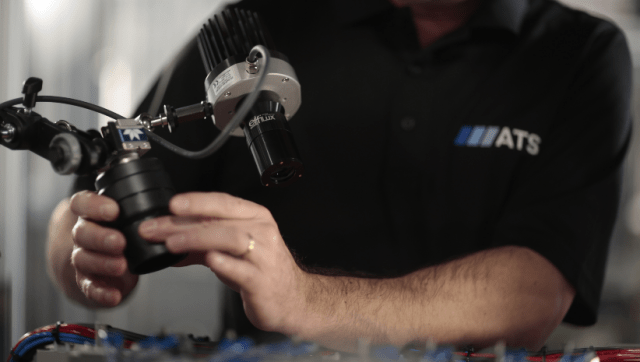
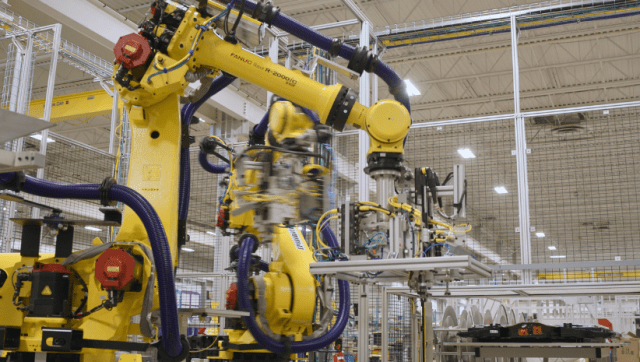
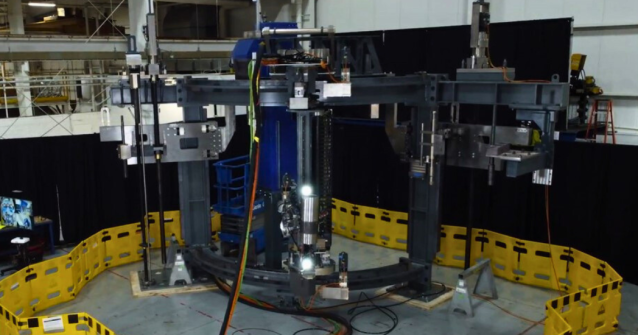
The team further improved process stability through specialized clamping methodologies, force-controlled systems, in-process inspections, and inline weld-quality verification. Leveraging in-house machining and rapid prototyping capabilities, ATS quickly designed and refined tooling concepts, accelerating development while reducing rework costs. Vision systems and inline process-monitoring technologies were integrated into the laser-welding process to verify positioning, maintain proper focal distance, and ensure weld quality throughout production.
Results
Improved Quality, Throughput, and Manufacturing Readiness
While the entire program currently remains active, ATS has successfully established the technical foundation required for reliable, large-scale EV battery manufacturing. Through extensive testing, validation, and process development, the team identified critical manufacturability risks, developed production-ready welding parameters, and created a repeatable battery welding strategy that leverages the benefits of laser welding to support demanding automotive battery applications.
The solution significantly reduced manufacturing risk by identifying potential failure points before production launch. By validating welding parameters and refining process controls early, ATS helped accelerate project timelines while reducing the risk of scrap, rework, and performance issues. The improved process supported weld-quality targets aligned with ISO 13919-2 Level B requirements, helping to ensure the highest standards of weld quality, consistency, and structural integrity throughout battery production.
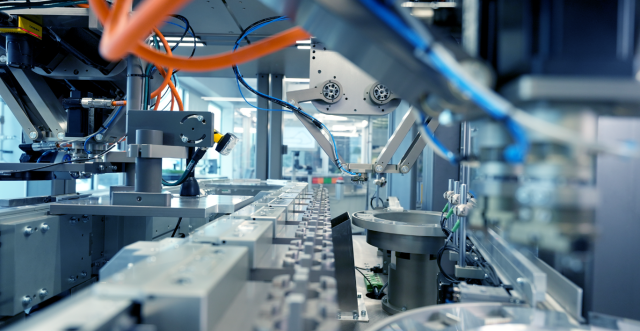
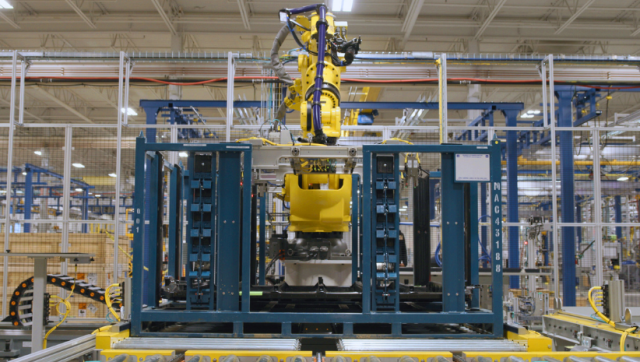
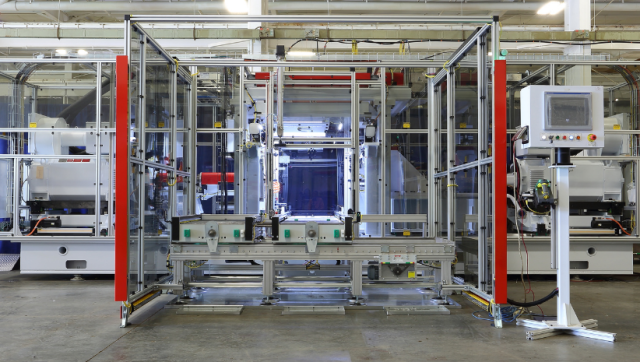
Beyond weld quality improvements, the automated laser welding solution delivered important operational benefits. The optimized welding process, supported by active cooling, reduced floor space requirements by 5%, enabling higher throughput with fewer laser welding stations. The production architecture was also designed for future scalability, with provisions to support further cycle-time improvements toward production targets of 156 seconds per cell string and 222 seconds per battery pack.
The team also identified automated laser cleaning as a potential future enhancement to remove oxidation and electrolyte residue from battery terminals. Further testing is planned to validate its impact on weld consistency, first-pass yield, and overall process performance.
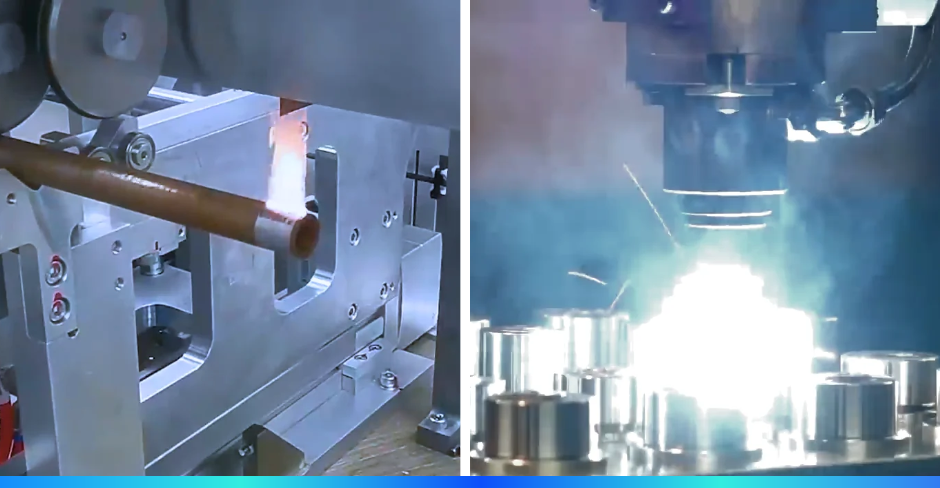
Overall, ATS transformed a challenging manufacturing process into a viable path toward production readiness. By combining laser-welding expertise, battery manufacturing experience, hands-on testing, and simultaneous engineering practices, ATS enabled the automotive battery manufacturer to move forward with greater confidence, reduced risk, and a scalable manufacturing strategy capable of supporting future growth in electrification initiatives.
Facing a Battery Welding Challenge?
Partner with ATS to develop, validate, and scale your laser-welding process. Book a consultation.