

Canada’s electricity system is entering a period of unprecedented strain and opportunity. According to the Canadian Nuclear Association’s 2025 outlook, national peak electricity demand is projected to grow 2.4× by 2050 under a reference scenario, driven by electrification, population growth, critical minerals processing, and industries such as AI. Meeting that demand will require approximately 150 GW of new firm generation capacity, including 115 GW of new non emitting baseload power—a scale that cannot be delivered by intermittent resources alone.
Nuclear energy already plays a foundational role in addressing this challenge. It is Canada’s second largest source of non-emitting electricity, supplying roughly 15% of total national electricity generation, and nearly 60% of Ontario’s power, where it has enabled one of the cleanest and most reliable grids in North America. Internationally, Canada joined more than 20 countries at COP28 in committing to the goal of tripling global nuclear capacity by 2050, recognizing nuclear’s essential role in achieving net zero while maintaining energy security.
Against this backdrop, there is a simple truth we must be prepared to say clearly: nuclear energy is not optional for Canada’s future — it is essential.
For decades, nuclear power has quietly underpinned Canada’s economic prosperity, grid stability, and industrial competitiveness. Today, as the country advances toward a net zero emissions economy and confronts sustained growth in electricity demand, nuclear must remain a cornerstone of the national energy system. There is no credible pathway to deep decarbonization, energy security, or long-term affordability that excludes it.
This conviction is not ideological. It is grounded in evidence, experience, and responsibility.
Nuclear power uniquely delivers largescale, non-emitting, dispatchable electricity — the kind required to keep hospitals running, factories productive, and communities resilient in all seasons and conditions. While renewables play an increasingly important role, they cannot alone meet the magnitude, reliability, and pace of Canada’s future energy needs. Nuclear provides the firm foundation upon which the rest of the clean energy system can be built.
That is why I remain deeply committed to supporting strong, informed, and forward looking leadership for Canada’s nuclear sector — at home and internationally — and to contributing meaningfully to the work of the Canadian Nuclear Association (CNA) and similar organizations that are advancing this mission.
The Responsibility to Lead
Canada is uniquely positioned. We possess a mature nuclear fleet, a highly credible regulatory framework, abundant uranium resources, and a deep pool of technical expertise. At a moment when many countries are re-evaluating nuclear energy as part of their decarbonization strategies, Canada has both an opportunity and a responsibility to lead.
Doing so requires clear thinking, disciplined policymaking, and voices willing to engage constructively — acknowledging legitimate concerns while articulating the indispensable role nuclear plays in achieving a secure, affordable, and low carbon energy future.
That is the perspective I bring, and the responsibility I take seriously as a leader in Nuclear Solutions.
Nuclear energy has served Canada well for generations. If managed with rigor, integrity, and foresight, it will continue to do so — not as a legacy technology, but as a foundational pillar of the economy we are building for the future.

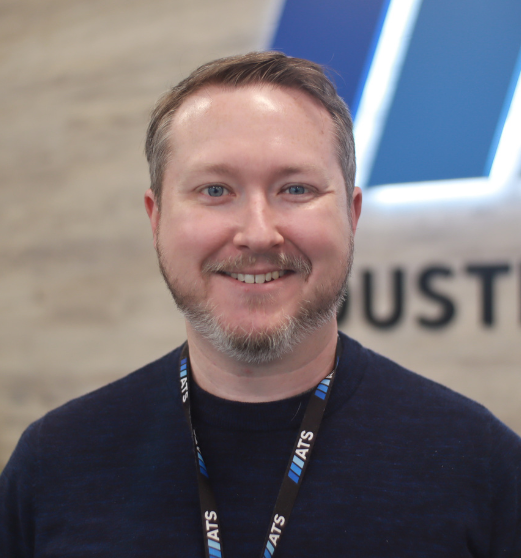
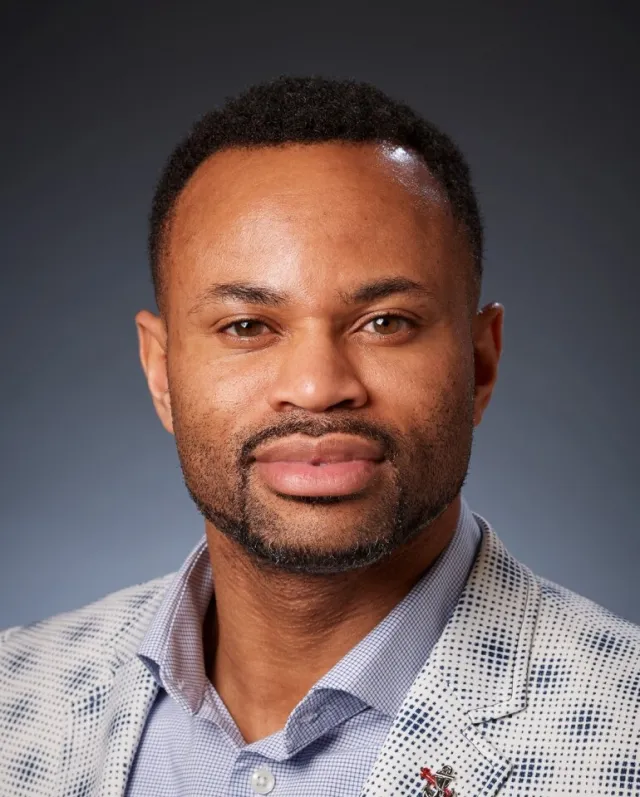
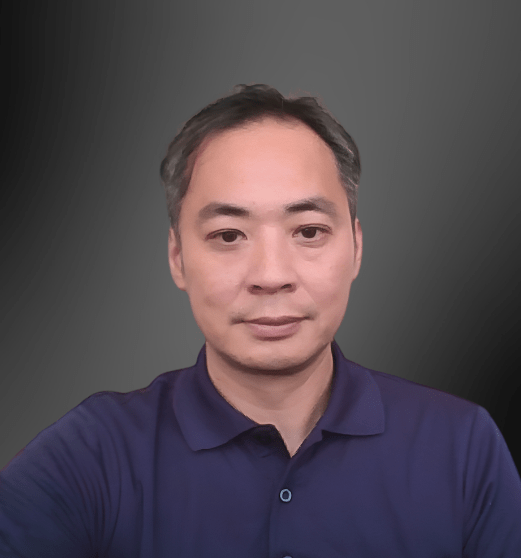
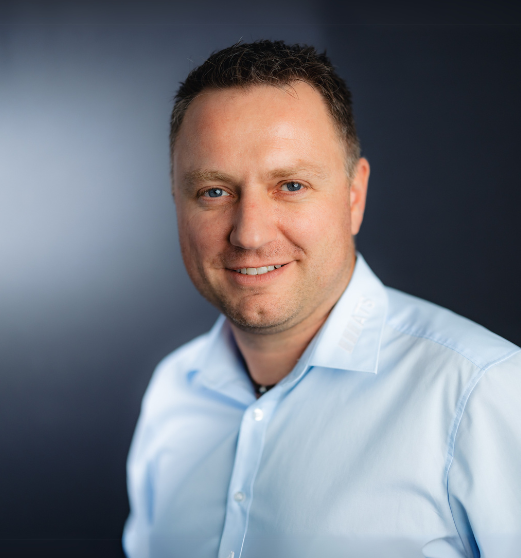
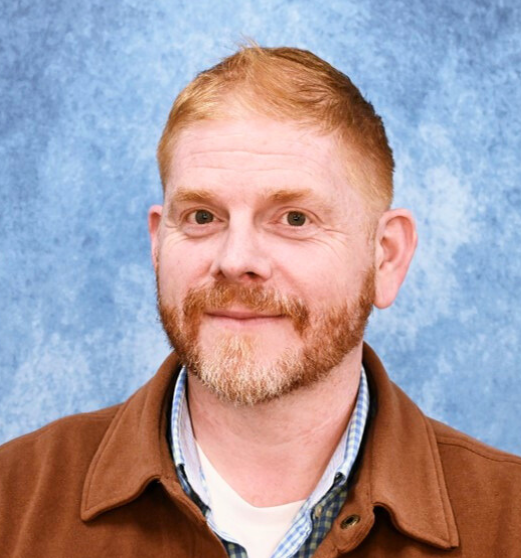
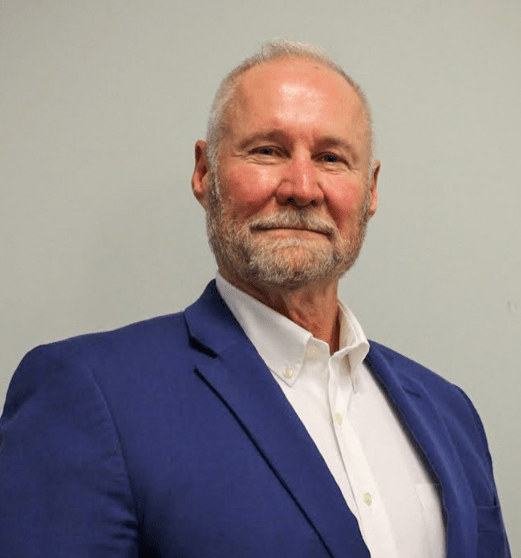
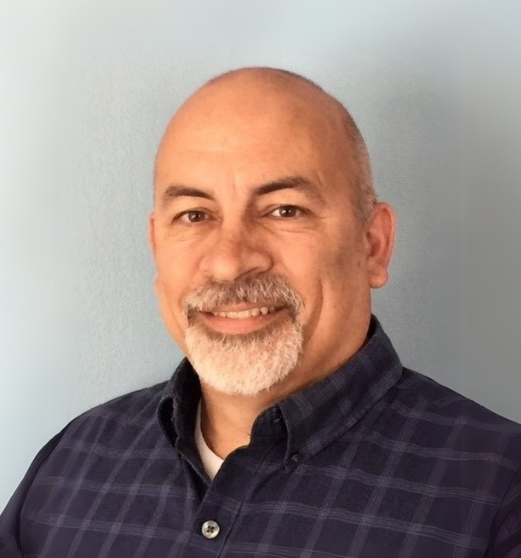
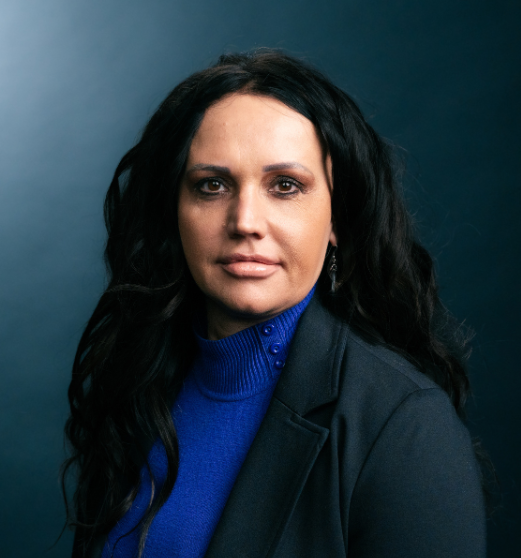
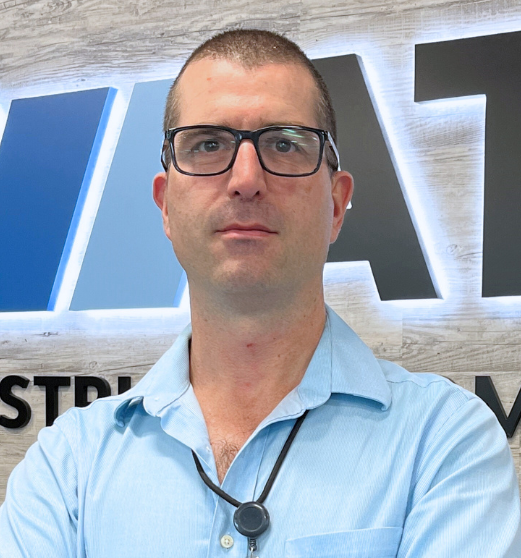
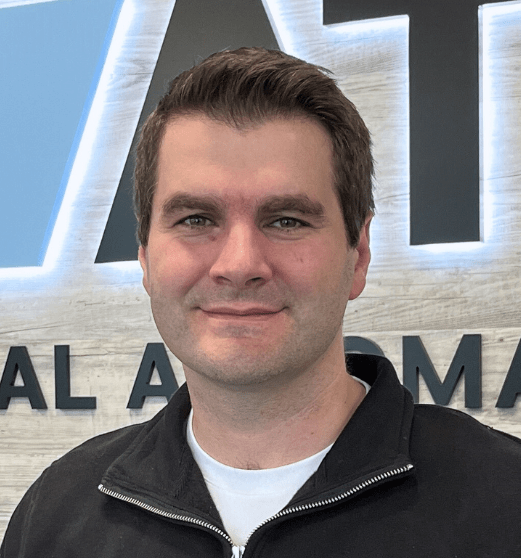
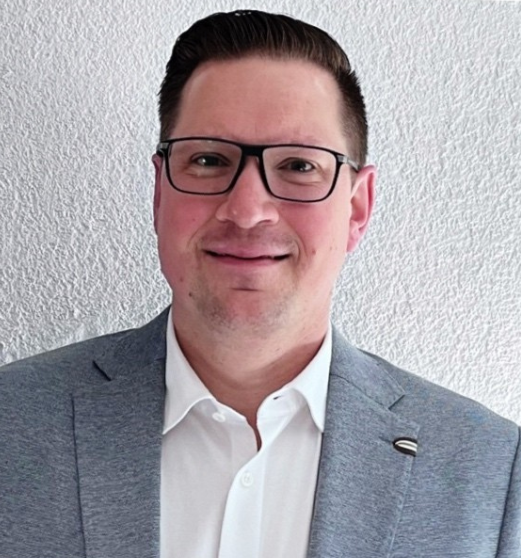
Matthew Wong
VP, Commercial and General Manager, Nuclear
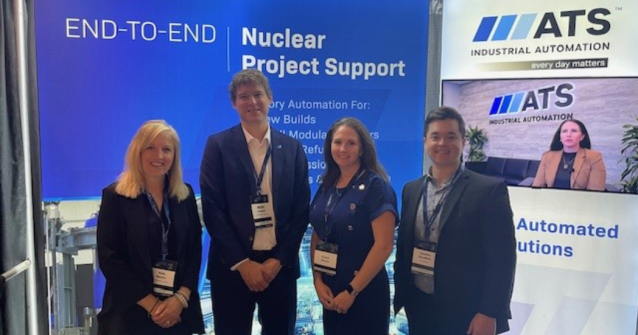
ATS Industrial Automation
With more than 20 years of experience across Canada’s nuclear industry, Matt brings a perspective grounded in engineering leadership, commercial execution, and general management. As leader of the ATS nuclear energy solutions business, Matt directs customer engagements, strategic innovation, and solution delivery in support of safe, reliable, long-term nuclear operations across the full asset lifecycle.