

Improving operational efficiency remains a daily priority for operations leaders responsible for production output, maintenance, and throughput across complex manufacturing environments. When performance data lives in disconnected systems or manual reports, teams struggle to identify root causes, prioritize work, and drive manufacturing efficiency improvement where it matters most.
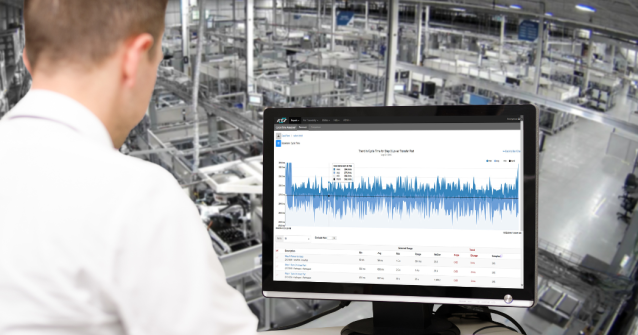
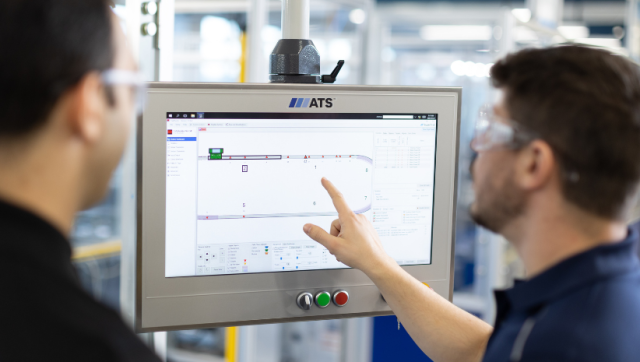
Real-time manufacturing intelligence changes this dynamic. By collecting production data directly from equipment and presenting it in a usable format, operations teams gain the visibility required to improve OEE, increase throughput, and support continuous improvement in manufacturing without adding reporting burden to already stretched teams.
Why Operational Visibility Drives Manufacturing Efficiency
Manufacturing efficiency depends on how quickly teams identify disruptions or opportunities to improve, then act on them. Small cycle time delays, minor equipment issues, or recurring micro-stoppages often go unnoticed until they compound into missed production targets.
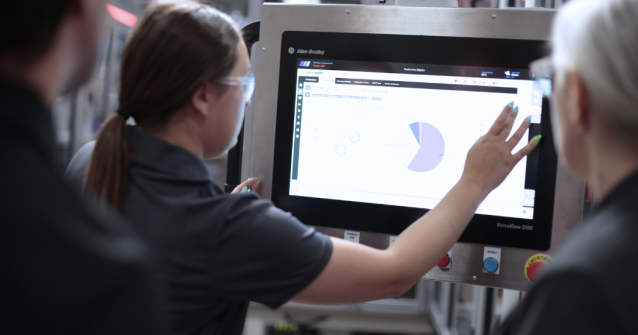
Manufacturing intelligence software supports improving operational efficiency by giving operations leaders direct insight into what happens on the line, at every station, during every shift. This visibility supports:
- Faster response to downtime and disruptions.
- Clear identification of bottlenecks and cycle time constraints.
- Consistent, data-backed prioritization of maintenance and improvement efforts.
- Reduced reliance on manual reporting and shift handovers.
Instead of reviewing lagging indicators at the end of a shift, teams work from real-time data that supports immediate action and sustained manufacturing efficiency improvement.
Additional ways Operations Leaders can Improve OEE Beyond Bottleneck Analysis
Identifying bottlenecks delivers fast gains, but sustained improvements in OEE require addressing the underlying factors that limit availability, performance, and quality over time. Operations leaders often see the strongest manufacturing efficiency improvement when real-time production data connects directly to maintenance strategy, asset reliability, and workforce priorities.
Below are practical ways teams improve OEE using insights from manufacturing intelligence, reliability engineering, and smart maintenance programs.
Improve Availability Through Reliability-Focused Maintenance
Unplanned downtime remains one of the largest barriers to improving operational efficiency. Reliability engineering focuses on understanding why failures occur and how to prevent them, rather than reacting after production stops.
When manufacturing intelligence highlights recurring downtime events, operations teams use reliability engineering practices to:
- Identify failure patterns tied to specific assets or operating conditions.
- Address root causes instead of repeating corrective maintenance.
- Align maintenance intervals with actual equipment performance rather than fixed schedules.
This approach improves asset availability while reducing emergency maintenance and spare parts consumption.
Use Smart Maintenance to Reduce Performance Losses
Performance losses often come from minor issues such as slow cycles, micro-stoppages, or equipment running below design speed. These losses rarely trigger alarms, yet they erode OEE shift after shift.
Smart maintenance programs use real-time production and equipment data to help teams:
- Detect early signs of performance degradation.
- Prioritize maintenance work based on production impact.
- Schedule interventions before issues escalate into downtime.
By linking production data with maintenance planning, operations leaders improve manufacturing productivity without increasing maintenance workload.
Reduce Reporting Burden to Protect Productive Time
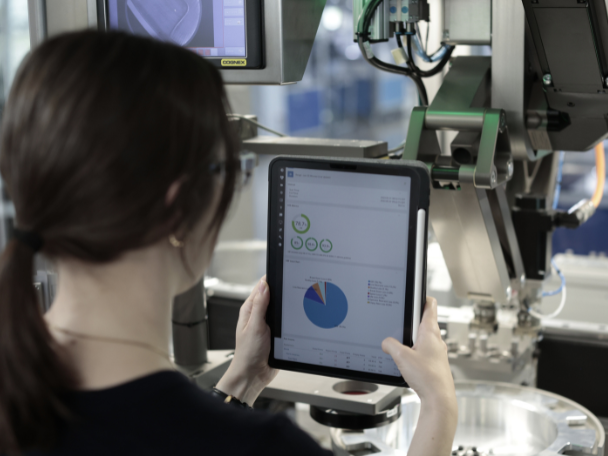
Manual data collection and reporting consume time that technicians and operators need for production and improvement work. Manufacturing intelligence platforms eliminate this burden by automating data capture and standardizing performance reporting.
Operations teams benefit by:
- Starting each shift with consistent, data-backed insights.
- Reducing time spent recreating reports or explaining past events.
- Focusing on improving manufacturing productivity instead of documenting losses.
Reducing reporting effort directly supports continuous improvement in manufacturing by keeping skilled workers focused on high-value tasks.
Align Service Plans with Operational Priorities
Service plans provide structured support that aligns maintenance, reliability, and improvement goals with production requirements. When paired with manufacturing intelligence, service plans help operations leaders move from reactive maintenance to planned, data-driven execution.
This alignment helps teams:
- Maintain consistent performance across shifts and lines.
- Improve OEE through coordinated maintenance and improvement activities.
- Support long-term manufacturing efficiency improvement without disrupting production.
Service plans create stability, while real-time data ensures teams can focus on the right issues at the right time.
Turning Visibility into Daily Execution
Operational efficiency improves when you replace assumptions with real-time insight and connect production data directly to action. When real-time production data feeds maintenance, reliability, and service planning, you can reduce unplanned downtime, address performance losses early, and eliminate manual reporting that pulls skilled workers away from improvement work. The result is a production environment where decisions rely on current conditions, not yesterday’s reports.
Manufacturing efficiency improvement does not start with more dashboards. It starts with visibility that supports faster response, disciplined prioritization, and sustained execution across shifts and lines. When your teams see where performance loss occurs and act on it daily, operational efficiency becomes part of normal operations rather than a periodic initiative.
If you want to improve OEE, reduce downtime, and give your teams real-time insight they can use, talk with an ATS expert about manufacturing intelligence solutions that align with your production goals.
Every project is unique. Allow us to listen to your challenges and share how automation can launch your project on time.

Mike Stovin
Director, Service and Enterprise Programs
ATS Industrial Automation
For more than 15 years, Mike has helped manufacturers minimize downtime and extend equipment life through advanced automation services. By combining preventive maintenance strategies with tailored service plans, Mike enables production teams to improve operational efficiency and protect critical assets.