

Production systems evolve over time, but maintenance practices and asset management strategies don’t always keep pace. Reliability and maintenance assessments help manufacturers understand how well their current systems support production demands, where risk accumulates across assets, and which constraints limit Overall Equipment Effectiveness (OEE). By examining technical performance and operational execution together, these assessments create a clearer picture of system health across industrial maintenance and production management functions.
Research published in the Journal of Manufacturing Systems defines a Reliability Assessment as the evaluation of system and component reliability across the asset lifecycle and determines the current state and a roadmap to a successful future state. In manufacturing environments, reliability directly influences production efficiency, product quality, energy use, and unplanned downtime. This connection places maintenance assessments at the center of process improvement efforts, not as isolated technical reviews, but as tools for aligning assets, people, and production goals.
Why Maintenance Assessments Matter for Process Improvement
Operations teams manage daily execution, production targets, and short-term issue resolution. This focus limits the time available to evaluate higher order, system-level operations, such as asset criticality, review maintenance management practices, or confirm whether process changes support long term reliability objectives.
Over time, teams adapt to recurring issues, and workarounds can become standard operating procedures. Inefficiencies become part of normal operations, even when they erode throughput or increase downtime risk. Maintenance assessments introduce an external, structured review that evaluates how assets, processes, and teams interact. This perspective helps identify gaps in maintenance execution, asset utilization, and production workflows that internal teams often overlook.
How Reliability and Maintenance Assessments Are Conducted
Many manufacturers engage third party providers to conduct reliability and maintenance assessments when internal teams need objective insight into asset risk, maintenance execution, and production constraints. These assessments vary in scope based on operational priorities, ranging from short duration evaluations focused on immediate risks to broader engagements that examine asset management practices, governance, and system health.
Short duration assessments typically focus on identifiable constraints, including:
- Production bottlenecks
- Control system obsolescence
- Maintenance execution gaps
- Risks to OEE
These evaluations require limited preparation and create minimal disruption to production, yet they deliver targeted, data-driven recommendations that help reduce downtime risk and stabilize output.
More comprehensive assessments extend beyond individual machines to evaluate maintenance management systems, lifecycle planning, and asset criticality across the production environment. This can also be done on a multi-site basis. Some assessments also focus on infrastructure assets such as transformers, utilities, building systems and in some cases, fleets when failure poses a risk to production continuity. In many cases, manufacturers already understand which challenges require attention, and this clarity helps define assessment scope and duration.
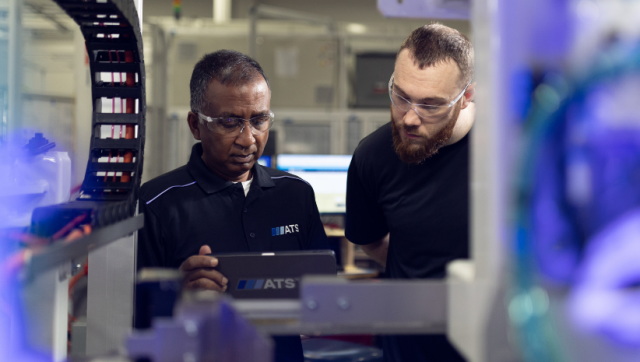
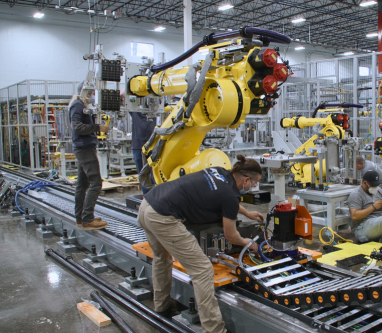
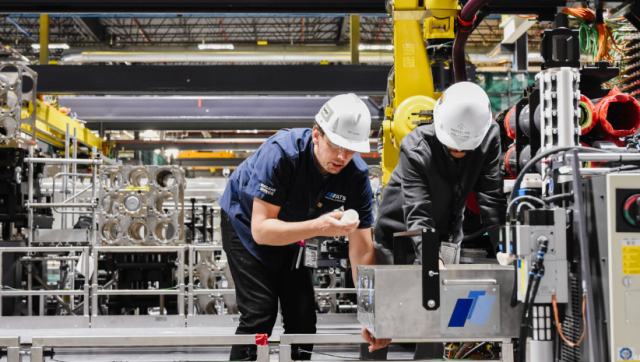
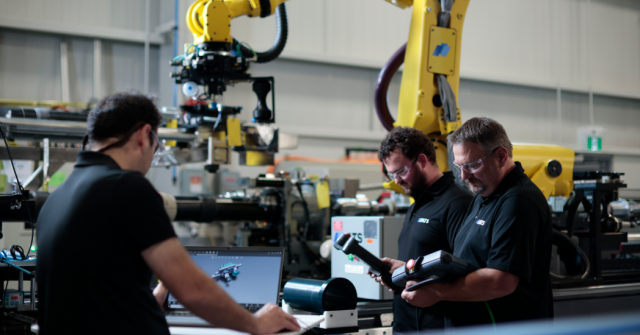
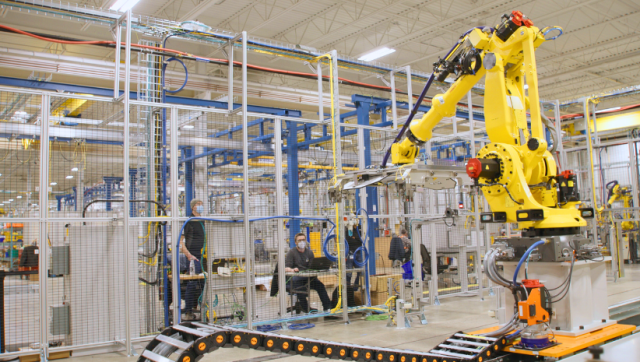
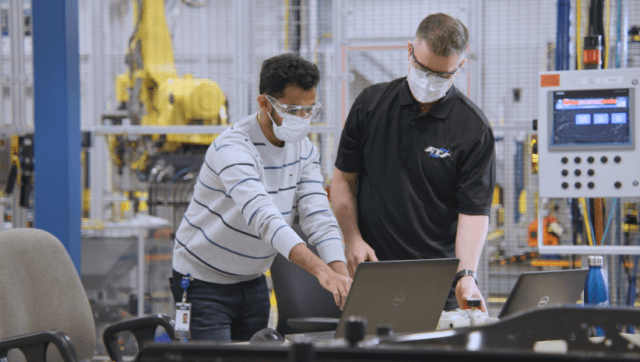
When improving production efficiency or OEE is a priority, assessors conduct portions of the assessment while the production line operates. This approach supports direct observation of equipment behavior under load and enables real-time discussions with operators and maintenance technicians about recurring issues, workarounds, and process constraints. Assessment planning includes coordination with plant leadership to limit production disruption.
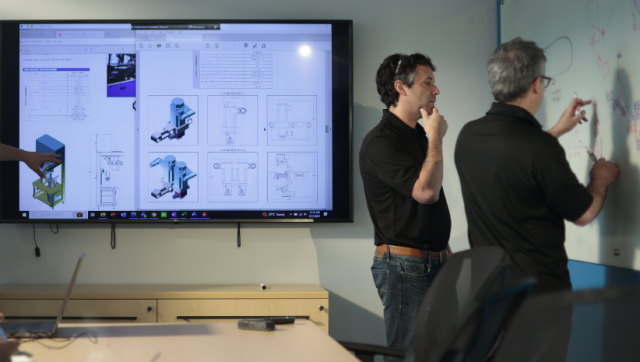
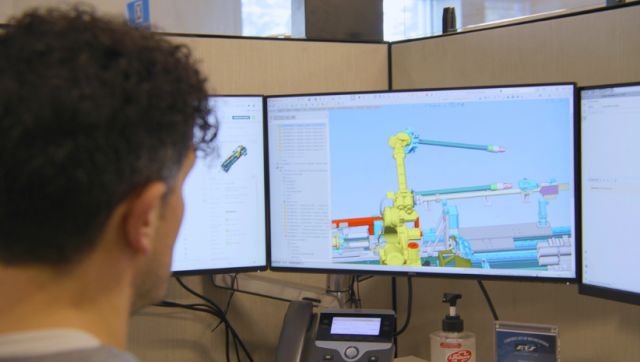
Before arriving on-site, assessors will review available historical and technical documentation to understand system design and maintenance history.
This review includes:
- Machine layouts
- Engineering documentation
- Bills of Materials
- Standard Operating Procedures
- Maintenance records
- Documentation related to past retrofits and upgrades
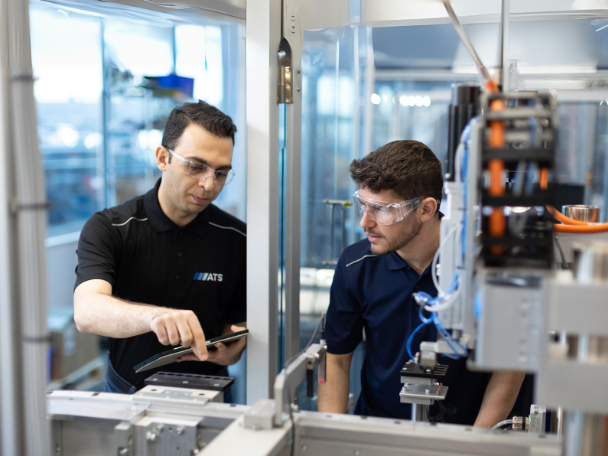
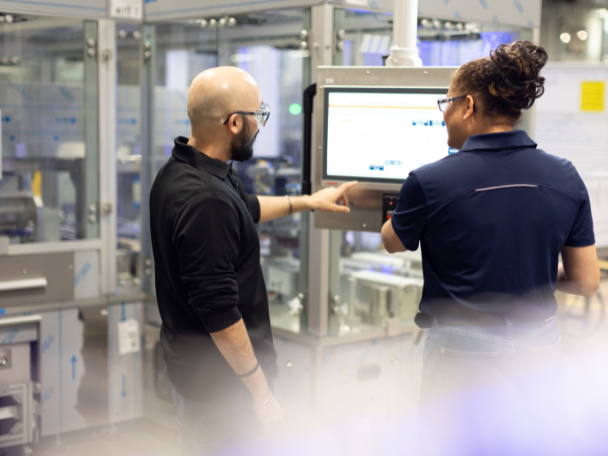
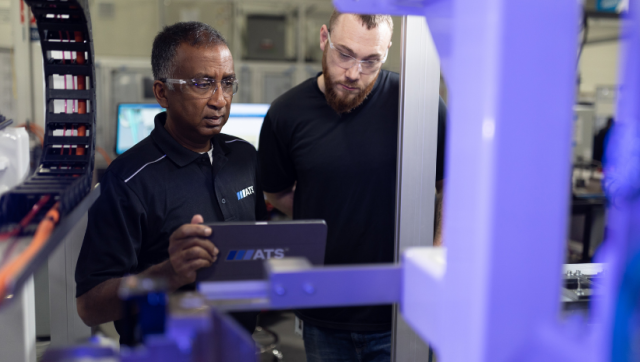
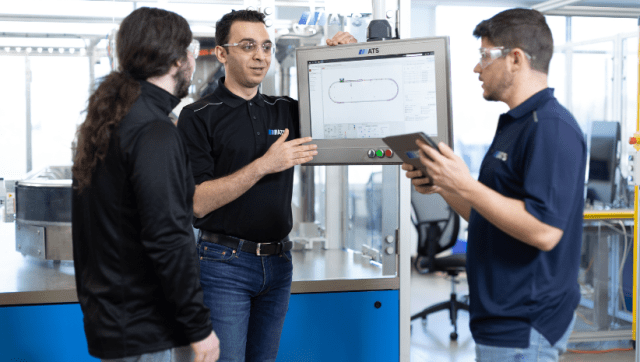
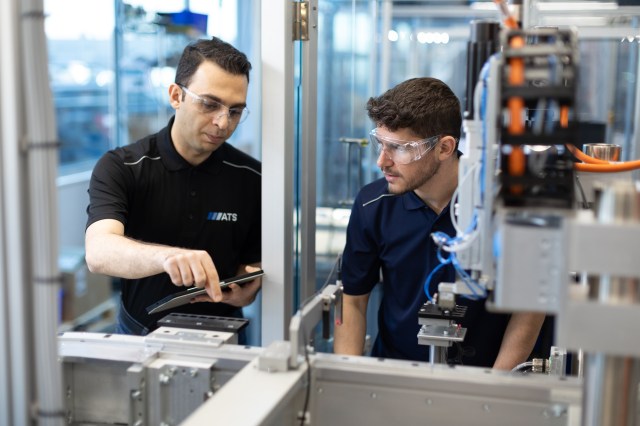
Effective reliability and maintenance assessments rely on cross functional participation. Input from production, engineering, finance, and maintenance teams provides operational context, while operators and technicians contribute insight into day-to-day equipment performance. This combination of documented data, observed performance, and first-hand input strengthens assessment accuracy and supports recommendations that align with current production requirements.
Identifying Risk Through Reliability Assessments
Production lines often change significantly over their lifecycle. While software platforms and components evolve, many original assets remain in service beyond their intended lifespan. Maintenance assessments identify outdated assets, ineffective maintenance practices, and areas where risk prioritization no longer aligns with production requirements. This also can highlight the need to keep assets running beyond their expected life while new asset are commissioned so to not interrupt production.
Control system obsolescence remains a common concern. Assessments evaluate whether PLC platforms and supporting systems meet current production demands and identify options for upgrading, maintaining, or operating newer platforms to reduce unplanned downtime.
Assessments also uncover mechanical and process bottlenecks, including degraded cylinders, inefficient feeders, and inconsistent cycle times. These findings inform targeted improvement initiatives such as maintenance optimization, operator training updates, and updates to Standard Operating Procedures.
Process Improvement Opportunities Identified During Maintenance Assessments
Reliability assessments highlight where mechanical upgrades, automation changes, or maintenance process adjustments improve performance. Common findings include:
- Opportunities to automate manual adjustments that consume technician time
- Recommendations to replace older hydraulic or pneumatic components with servo technology
- Identification of uneven station performance across the production line
- Gaps between Site Acceptance Test (SAT) results and current operating conditions
Assessors review downtime records, failure histories, and acceptance documentation to determine whether performance degradation results from wear, inadequate repairs, or evolving production requirements. Infrastructure-focused assessments also support capital planning by identifying remaining useful life based on asset criticality.
Gemba Walks Improve Assessment Reliability and Validity
Reliability assessments rely on cross-functional participation. Production, maintenance, engineering, and plant leadership will contribute operational context, while assessors bring reliability engineering and system expertise.
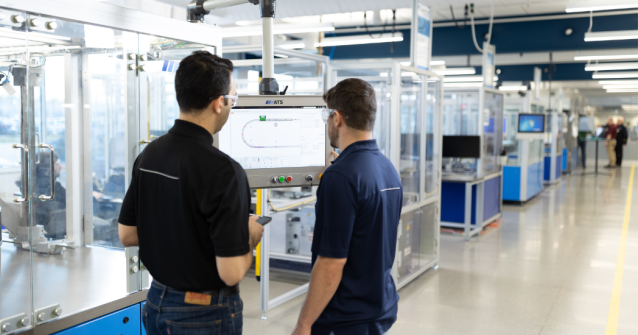
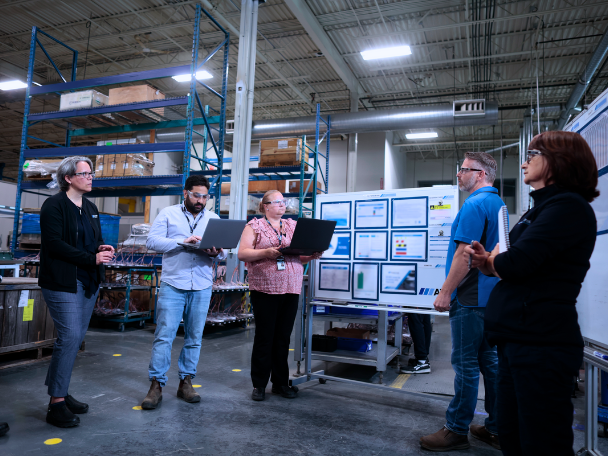
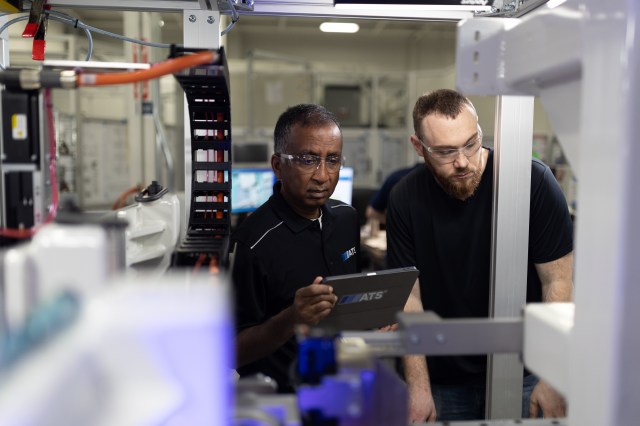
A structured site introduction followed by a Gemba walk allows assessors to observe actual operating conditions and validate reported issues. Direct observation reveals differences between assumed performance and real-world execution and supports informed discussions with those performing the work. Conducting these walks while the line operates helps confirm root causes and validate maintenance practices in context.
Reliability Assessments Support Long‑Term Production Management
Reliability and maintenance assessments support continuous improvement across the lifecycle of automated manufacturing systems. Consistent performance data helps manufacturers stabilize production targets, improve forecasting accuracy, and strengthen inventory planning.
By improving maintenance and asset management systems, manufacturers gain clearer visibility into where investment delivers the highest operational return. This perspective supports reduced downtime risk, stronger customer fulfillment, and sustained production reliability across the manufacturing operation.
FAQs
What is the difference between a maintenance assessment and a reliability assessment?
A maintenance assessment focuses on maintenance execution, processes, and asset condition. A reliability assessment expands the scope to include asset criticality, lifecycle risk, production impact, and system performance over time. The Reliability Assessment will help to evolve the overall culture of the site and organization where the maintenance assessment is more focused on the maintenance culture. Which assessment is needed will be determined by an initial discovery session.
How long does a reliability and maintenance assessment take?
Duration depends on scope. Some assessments involve one to five days onsite, while broader evaluations include extended planning and documentation review.
Who needs to participate in a maintenance assessment?
Effective assessments involve production, maintenance, engineering, and plant leadership, along with operators and technicians who work directly with the equipment.
How do maintenance assessments improve operational efficiency?
They identify bottlenecks, obsolete assets, maintenance gaps, and process inefficiencies that reduce OEE and increase downtime risk.
Are third‑party reliability assessments objective?
Independent assessors base findings on documented data, observed performance, and industry standards, which strengthens assessment credibility.
Turning Maintenance Assessments into Sustained Operational Performance
Reliability and maintenance assessments provide a structured way to evaluate how production systems, asset management practices, and maintenance execution support operational efficiency. By examining asset condition, process execution, and system performance together, these assessments identify where maintenance practices drift from production requirements and where improvement efforts need alignment.
When decisions are grounded in observed performance, documented data, and operator input, manufacturers gain clearer asset prioritization and stronger production management insight. Over time, these insights reduce unplanned downtime, support consistent output, and extend the useful life of critical assets.
If clearer visibility into asset risk, maintenance maturity, and performance constraints is a priority, a structured reliability and maintenance assessment offers a practical starting point. To discuss how an assessment aligns with current production goals, connect with an ATS reliability expert.
Every project is unique. Allow us to listen to your challenges and share how automation can launch your project on time.

Rajiv Daljeet
Lifecycle Sales Manager
ATS Industrial Automation
Rajiv partners with manufacturers to strengthen asset management programs by connecting strategy, reliability engineering, and operations. He helps organizations quantify residual risk, align maintenance and capital investments, and build practical roadmaps that improve reliability and total cost of ownership.