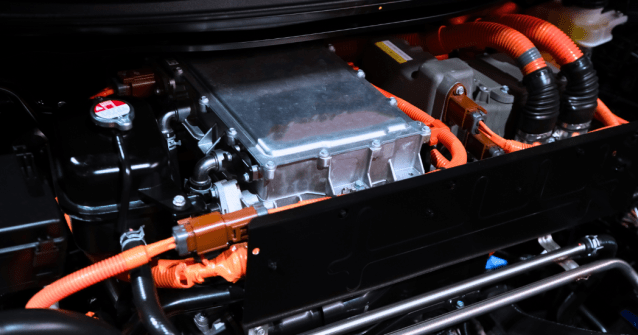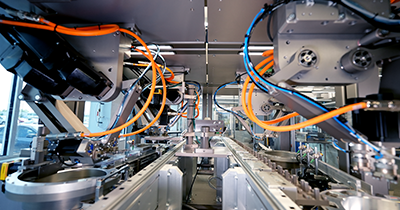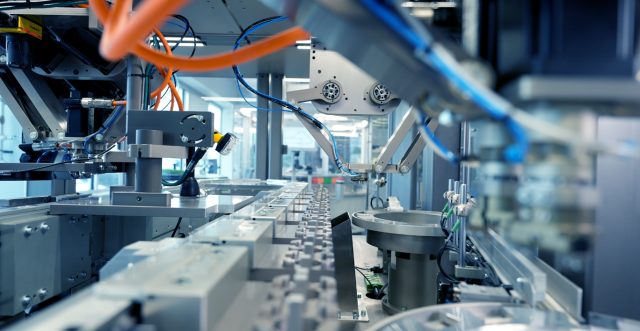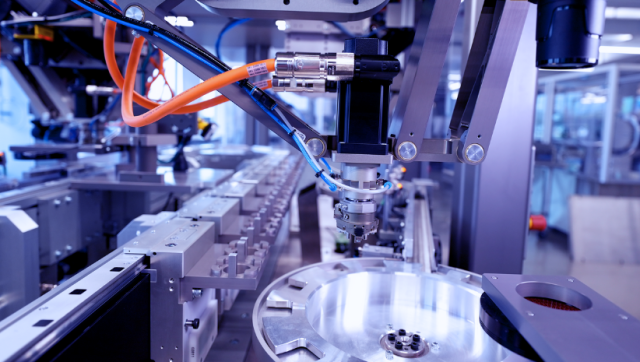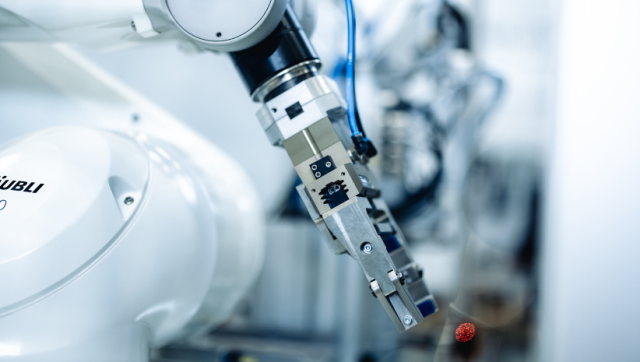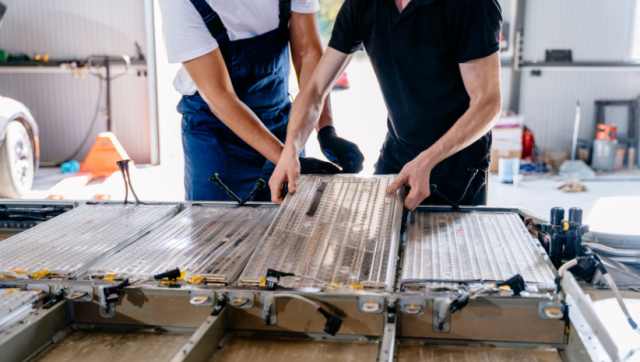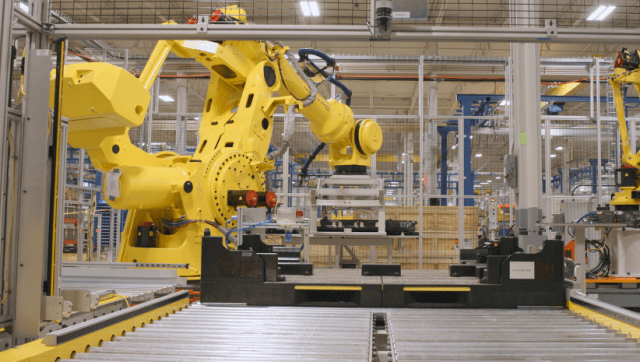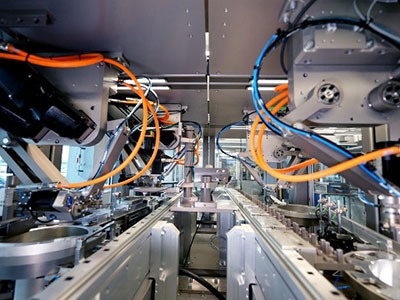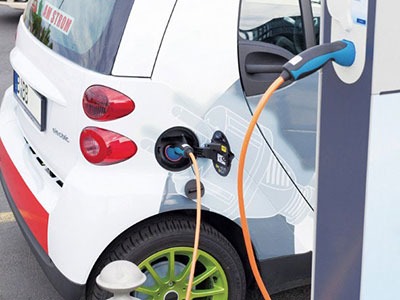


Inverter assembly is a critical step in electric vehicle (EV) manufacturing. High-voltage components must be precisely aligned, securely welded, and reliably connected to ensure safe and efficient power conversion. As EV platforms become more compact, inverter designs are more complex, bringing tighter tolerances, intricate cooling paths, and greater demands on assembly repeatability.
Inverter assembly challenges often surface too late, after finalizing the product design and automation line. Without early visibility into how a part behaves on the line, teams risk building processes around components that aren’t manufacturable.
Pre-automation studies and a design for manufacturability (DFM) approach can help uncover hidden risks before teams finalize tooling and timelines.
The Disconnect Between Product Design and Automation
In inverter manufacturing, product development teams typically focus on meeting product cost per unit and performance specifications, like electrical output, thermal management, and packaging constraints. Meanwhile, automation teams translate product designs into scalable, repeatable processes that meet quality and throughput targets.
These teams operate in parallel, but not always in sync, sometimes leading to late-stage handoffs. Automation teams may receive finalized designs that weren’t evaluated for manufacturability, and critical issues like incompatible or ineffective part datum strategies, inaccessible or unweldable weld joints, or parts that just don’t fit together can result, leading to costly rework.
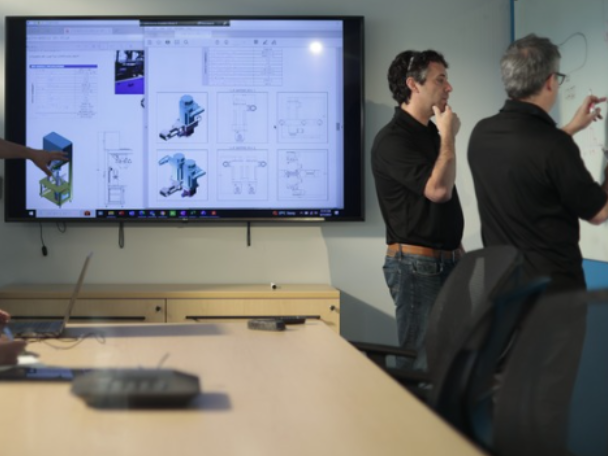
Manufacturers that engage automation partners during the initial design phase are better positioned to identify risks and adjust product features for manufacturability at scale. This is especially critical in inverter assembly, which relies on precision and seamless component interactions.
Common Challenges in Inverter Assembly
Manufacturers face several challenges when transitioning to automated assembly, and overlooked design details can evolve into major production risks, including tolerances, cooling and corrosion issues, pin and cable management, and weld integrity.
Part Datum Strategy and Part Tolerances
Consistent part datum strategies are essential. Components that are positioned using dimensionally uncontrolled features can cause misalignment, making final assembly difficult or even impossible. Without a coherent part datum strategy, manufacturers risk inconsistent solder joints, failed electrical connections, mechanical assembly issues, and more. Pre-automation studies like a proof-of-principle study on tolerance stack-up can quickly analyze these risks, allowing teams to adjust designs before tooling is built.
Pin Positioning and Alignment
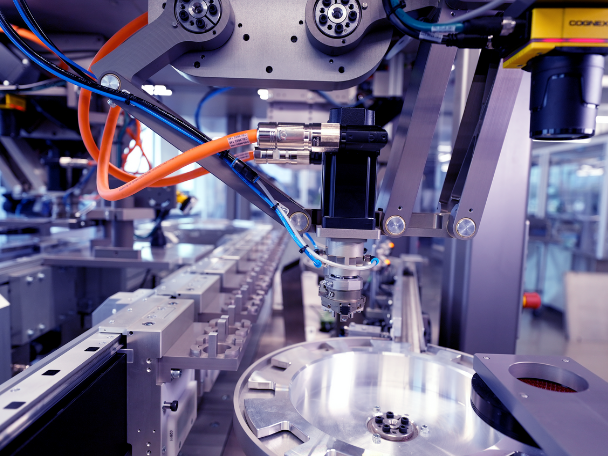
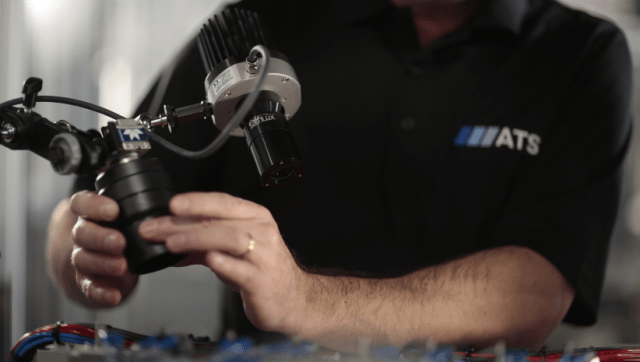
Guiding tapered pins through pre-drilled printed circuit board (PCB) holes requires precise control and repeatability in three dimensions. Even with a strong part datum strategy, minute variations can lead to misalignment or damage. Custom comb tooling and vision systems can guide pins during insertion and confirm alignment before final placement.
Cable Management
Internal cabling also presents a unique challenge for inverter assembly. Unsecured cables on the inverter assembly presents risks of snagging or misplacement during handling as the part moves through the production line. To solve this, teams can add custom fixtures to the pallet, allowing operators to clip the cables into a known position. Sensor checks can also verify placement before robotic handling. An even better solution, used by ATS Industrial Automation in the past, is to pre-attach a cable to a dummy connector on the PCB, eliminating manual handling and complex cable management altogether.
Surface Cleaning and Weld Integrity
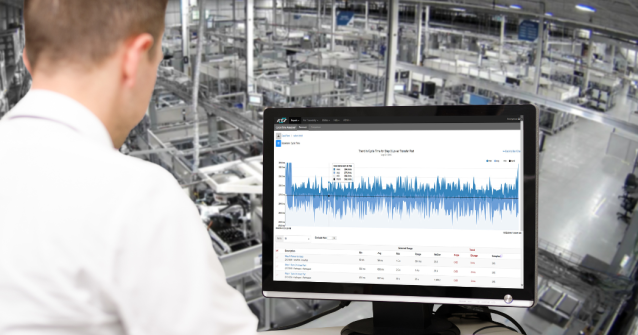
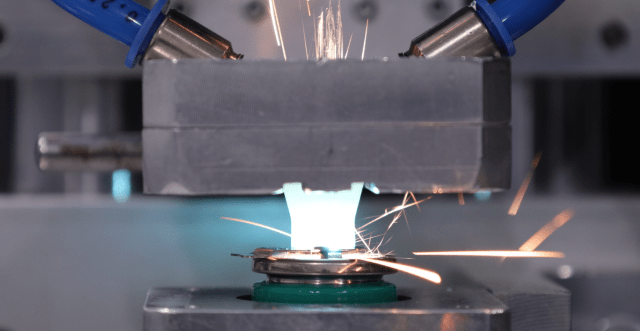
Copper oxidation and corrosion can severely impact laser weld quality. To manage this challenge, Illuminate™ Manufacturing Intelligence can monitor how long parts are exposed after unpacking. This is especially critical for high-current components, where even minor inconsistencies can affect performance. Illuminate can also enforce handling protocols, helping maintain weld integrity throughout the line. Using this method reduces the overall cost of the manufacturing system as it eliminates the need for costly surface cleaning technologies such as Plasma Treating or Laser Ablation.
Pre-Automation for Early Feedback
A robust inverter assembly process requires more than just technical expertise. It demands pre-automation strategies, early-stage validation, collaborative engineering, and the right digital tools before building any equipment.
Early involvement of automation experts often leads to product design changes that improve manufacturability, like adding chamfers to dowel holes to improve alignment or relocating weld zones to reduce tooling complexity.
These changes help improve throughput and reduce downtime.
Why Early Feasibility Studies Matter
DFM, simulations and proof of principle (POP) studies are essential for identifying risks before they become costly issues. DFM ensures the product design supports efficient, reliable manufacturing. POP studies validate whether critical process steps, such as welding, soldering, quality inspections or material handling, can be executed as intended.
Micron-level precision and tight tolerances are common in inverter manufacturing, making early assessments especially valuable. Without them, manufacturers often only uncover issues later in assembly line development, resulting in delays and budget overruns.
These studies offer several benefits, including:
- Validated cycle times resulting in accurate machine counts.
- Improved tooling and fixture design by validating part behavior in simulated environments.
- Bottleneck identification and throughput validation through discrete event simulation of the proposed manufacturing process.
- Process Gap Identification by using Failure modes and effects analysis (FMEA) to ensure only good parts make it to the customer.
Early investment in these pre-automation studies gives teams confidence that designs will perform not just in theory, but in production. One major EV manufacturer’s inverter design featured a weld configuration that was physically impossible to execute, because of part geometry and material thickness. Because of a proactive POP study led by ATS Industrial Automation, the issue was uncovered—prompting a redesign and avoiding a failed launch.
Leveraging Digitalization
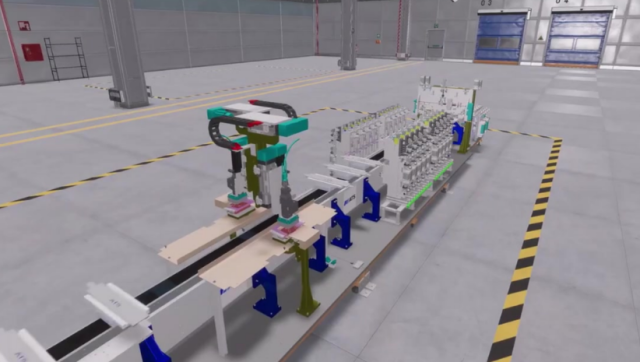
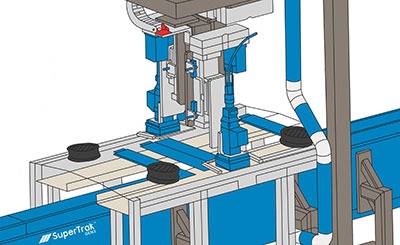
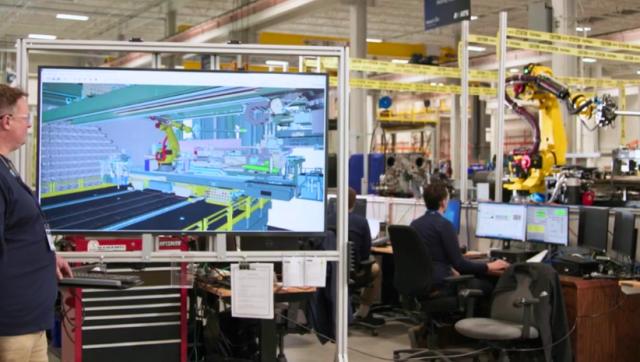
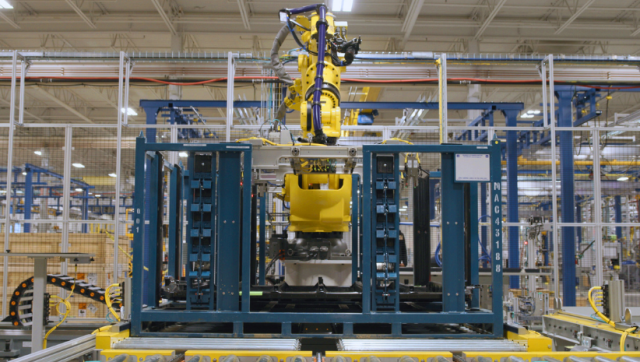
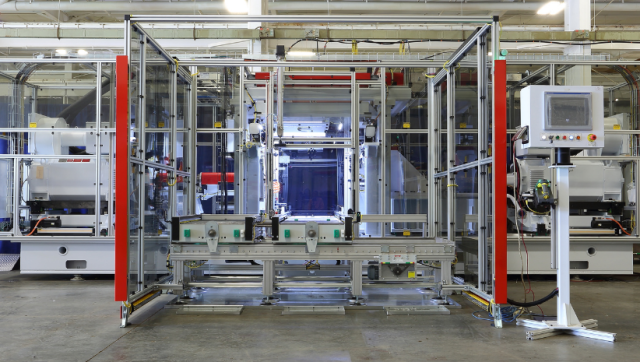
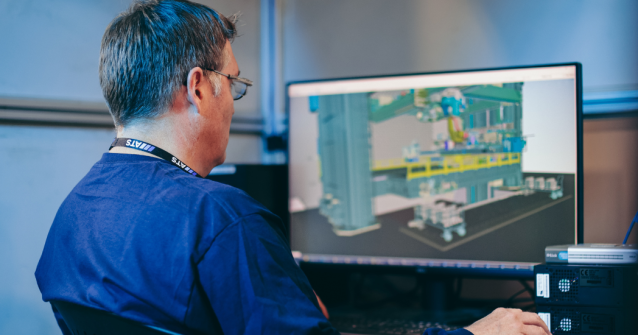
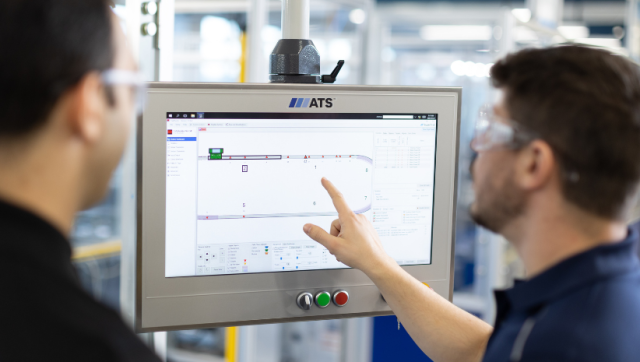
Discrete Event Simulations are transforming inverter manufacturing—testing system layout configurations, buffer zones, and pallet flow. Simulation tools model the entire assembly line to validate cycle times and identify bottlenecks, confirm station sequencing and throughput targets.
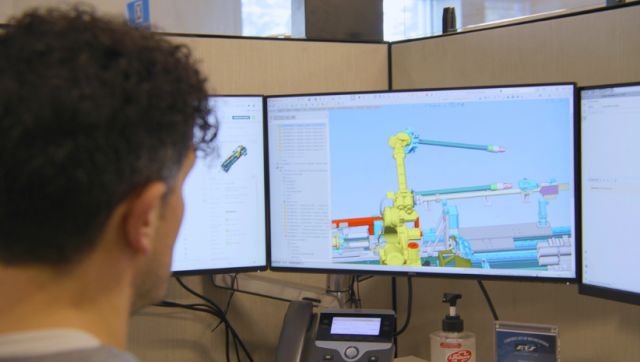
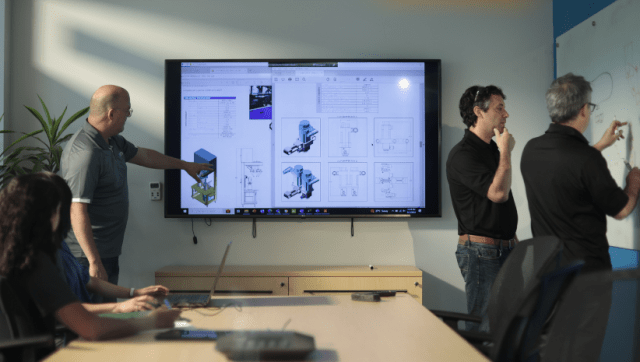
Meanwhile, computer-aided design (CAD) supports rapid iteration and collaboration, empowering teams to render high-fidelity visuals and make real-time adjustments. All of these efforts optimize the line by reducing risk and accelerating development.
Frequently Asked Questions in Inverter Manufacturing Process Development
As inverter designs become more complex, manufacturers face increasing pressure. Common questions in inverter assembly include:
Why are proof of principle studies important?
POP studies test critical process steps before full automation. They help identify risks early and validate feasibility, reducing rework and improving design robustness.
What is a part datum strategy and why does it matter?
This approach defines reference points for part alignment, reducing tolerance stack-up issues. Teams must consider this during product development. Misalignment caused by inconsistent part datums can lead to soldering issues, failed connections, and throughput losses. Tolerance stack-up analysis and POP studies can mitigate these challenges.
What shifts are shaping EV component manufacturing?
Trends include faster development cycles, more simulation and virtual commissioning, and collaborative design between manufacturers and automation partners. While some still prefer a handoff model, many manufacturers, especially startups, are shifting toward integrated partnerships that support flexible development cycles.
When should automation teams be involved in product design?
Engaging an automation partner after the final design can cause costly rework and stall schedules. Early collaboration allows for comprehensive feedback that improves manufacturability and reduces production risks.
Engineering Confidence Through Early Collaboration
As EV platforms evolve, manufacturers face mounting pressure to deliver robust, scalable solutions without the time-consuming approach of trial and error.
Pre-automation strategies help reduce risk and improve product robustness, enabling manufacturers to accelerate time to launch. This approach is critical in high-precision applications like inverter manufacturing, where even minor misalignments can have major consequences.
When an inverter manufacturer partners early with an automation expert, they can access actionable feedback on part datum strategies, design manufacturability, and much more, ensuring teams can build smarter, more resilient systems.
Ready to optimize your inverter assembly process? Contact us today.
Every automation project is unique. Allow us to listen to your challenges and share how automation can launch your project on time.

Derek Goetz
Group Lead - Systems Engineering
ATS Industrial Automation
Derek applies his engineering background and passion for data analysis to solve complex, systemic challenges in manufacturing. With a focus on sustainability, process optimization, and community impact, he brings a multidisciplinary perspective to automation and product development.