- Industries
- Capabilities
- Technologies
- Service
- Resources



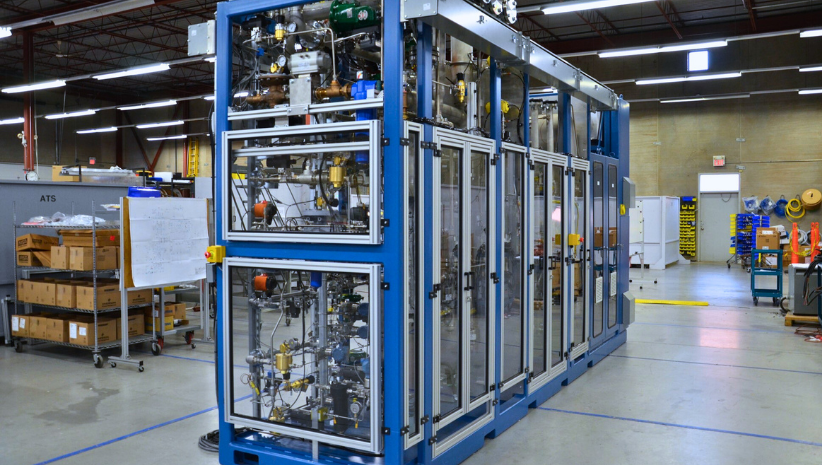
Take fuel cell assembly beyond lab concepts and manual processes. We help you refine your fuel cell designs into manufacturable products that can scale. Our extensive automation and test capabilities ensure that the fuel cell mechatronics meets performance specifications and can support various fuel cell types, including hydrogen, polymer electrolyte membrane (PEM), and solid oxide.
Manufacturing Challenges Facing Fuel Cell Manufacturers
Moving fuel cell designs from the lab into automated production introduces new requirements for precision, repeatability, testing, and throughput.+

Scaling Fuel Cell Production
Scaling fuel cell systems and designs from a lab environment to automated production.

Precision Handling & Stacking
Handling and stacking fuel cells and materials while maintaining extremely tight micron tolerances.

Moving from Manual to Automated Assembly
Moving beyond the lab and a bespoke manual process that delivers repeatable automation.

End-of-Line Testing
Developing a robust end-of-line test solution for both membrane and final product.
Our Approach to Fuel Cell Assembly
Partnering with our customers to develop processes and simultaneously engineer systems for fuel cell assembly.
Pre-Automation
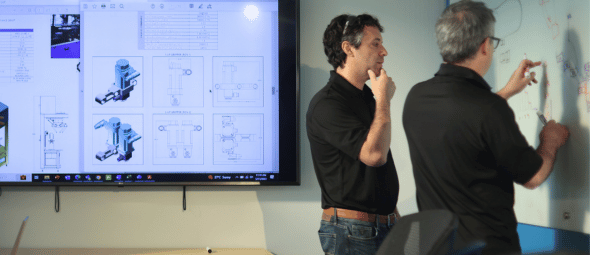
Evaluate manufacturing requirements before finalizing production equipment. Design for Manufacturability and Assembly (DFMA), proof-of-principle studies, process development, simulation, and technical risk assessment help identify manufacturing challenges and validate high-risk processes before moving into full-scale automation.
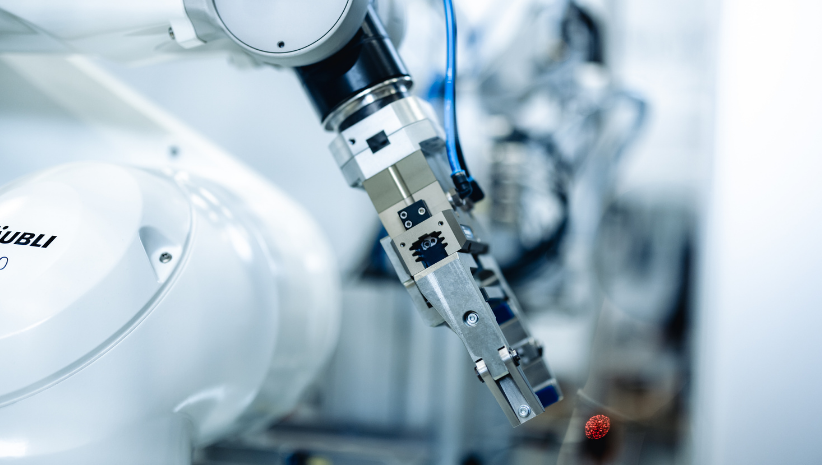
MEA Handling
Delicately and precisely automate the material handling of the membrane electrode assembly (MEA) to the bi-polar plate within the stack.
Automated Assembly
Automate MEA stacking while incorporating in-process performance testing. Automated stacking provides consistent force and alignment, while inspection helps identify misalignment and defects before final assembly.

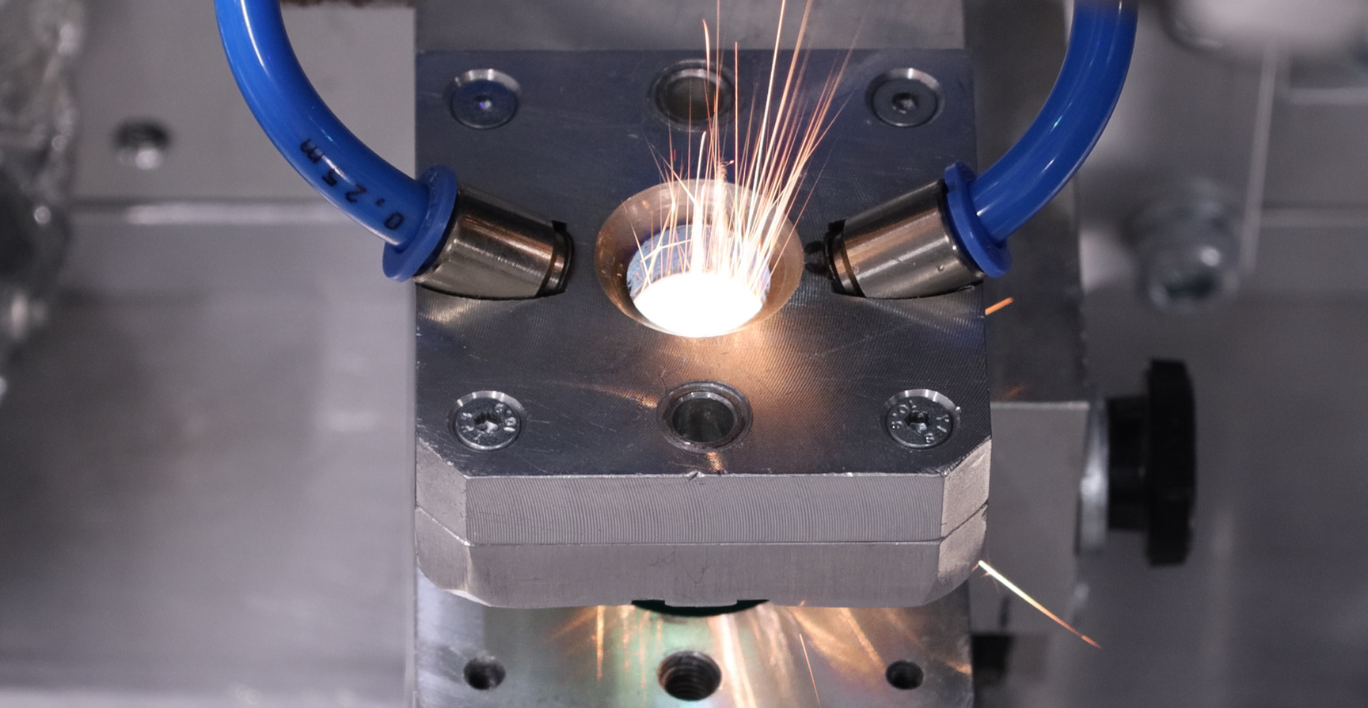
Laser Welding
Intelligent welding helps achieve a reliable zero gap while working around the intricate geometry of the fuel cell design.
Quality Control & Leak Testing
Integrate quality checks throughout assembly and complete end-of-line and closed-system leak testing. Vision inspection, gauging, press-force monitoring, and leak testing help manufacturers identify quality issues before completed units move downstream.
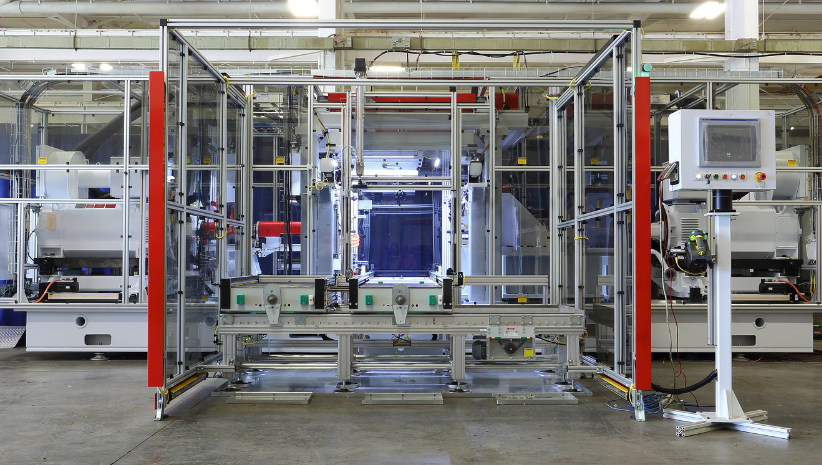
Technology That Supports Fuel Cell Assembly & Testing
ATS combines testing, high-speed precision assembly, and digitalization to support the transition from development and manual processes into repeatable automated production.
Digital Solutions
Use digital tools to evaluate manufacturing processes and equipment before changes reach the production floor. Simulation, digital twins, system twins, and virtual commissioning help engineering teams evaluate equipment behavior, production workflows, and integration risks earlier in development.
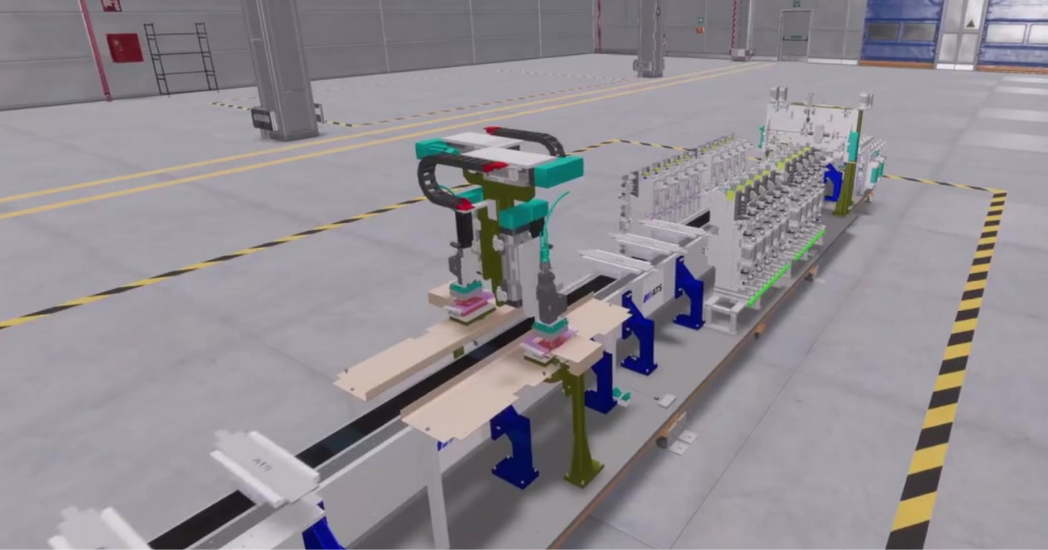
High-Speed Precision Assembly
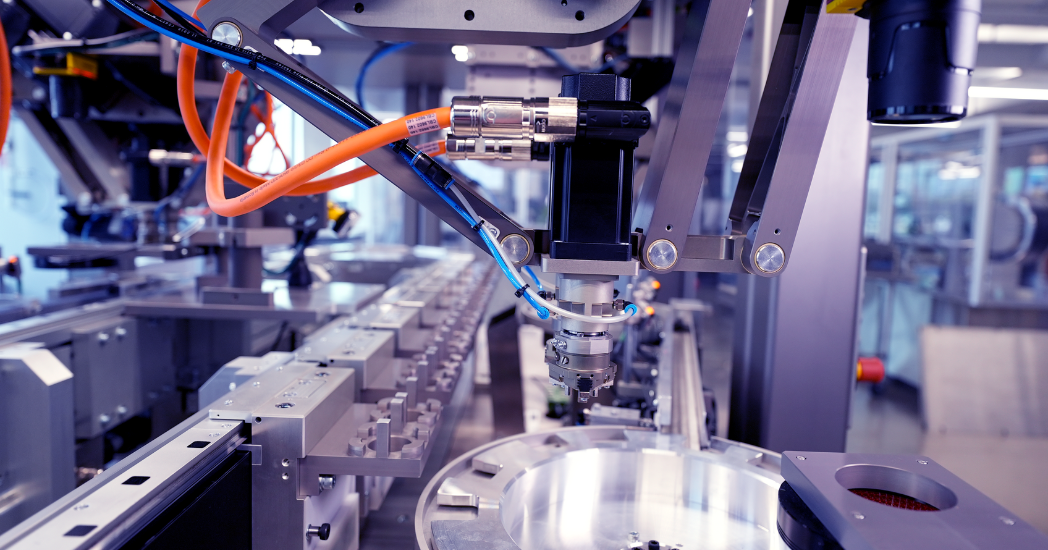
Scale fuel cell production while maintaining the accuracy required for delicate components and tight assembly tolerances. High-speed precision systems need synchronized motion, controlled part handling, specialized tooling, and in-process quality checks to manage variation while increasing throughput.
Customer Benefits

Customized
Design and technology tailored for your specific needs.

Efficient
Streamline process and production before build.

Scale
High throughput, consistent and repeatable automation.

Product Reliability
Identify issues early in assembly with in-process testing.
Fuel Cell Manufacturing Resources
The resources below address common challenges in fuel cell manufacturing.
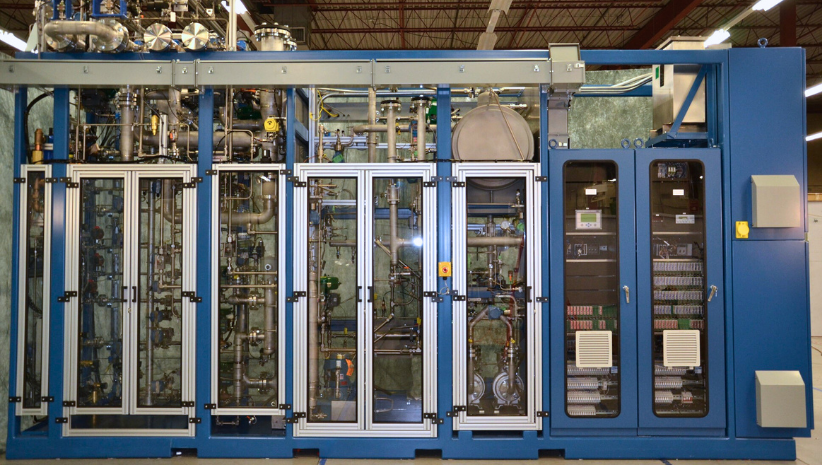
Scaling Fuel Cell Testing from Sample Production to Low Volume Manufacturing
See how a fuel cell manufacturer upgraded an obsolete testing system while transitioning from sample production to low-volume manufacturing. The solution included new instrumentation, custom connectors, safety features, FAT, and SAT.

Building Better Hydrogen Tech: Solving Manual Fuel Cell Assembly Challenges with Automation
Explore how automated stacking, in-process quality control, custom tooling, testing, and scalable system design address common challenges associated with manual fuel cell and electrolyzer assembly. [atsindustr…mation.com]
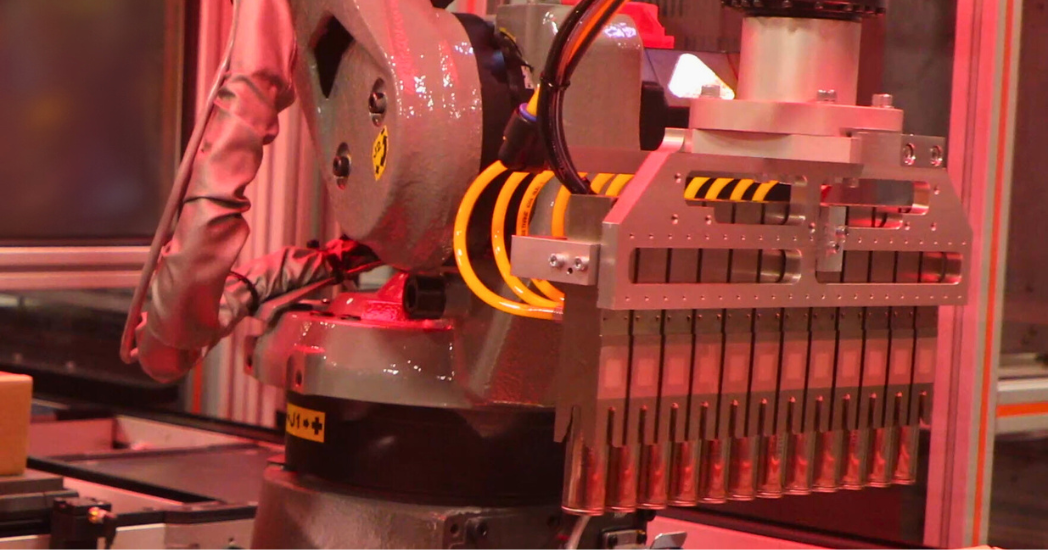
High Speed, High Stakes: Everything You Need to Know About Precision Assembly
Learn how manufacturers balance tight tolerances and higher production speeds through precision handling, in-process testing, digital tools, motion technologies, and proof-of-principle testing.
Planning Your Next Fuel Cell Manufacturing Program?
Whether you are moving a fuel cell design beyond the lab, replacing manual assembly, increasing production volumes, or developing an integrated testing strategy, early process planning helps identify manufacturing risks before production equipment is finalized.
Discuss your fuel cell assembly and testing requirements with ATS Industrial Automation.

