

Line moves are among the highest‑risk activities inside a production environment. When equipment must shift between facilities or layouts change during manufacturing relocation, every decision affects safety, uptime, and product quality. For operations leaders and plant managers, a factory move is not a construction project. It is a production continuity challenge that demands planning, discipline, and technical control.
Whether you are preparing for a manufacturing plant relocation, expanding capacity, or reconfiguring sub‑assembly lines, line movement introduces risk across controls, software, mechanical alignment, and compliance. Managing those risks requires more than heavy rigging and logistics. It requires an approach built around protecting line integrity before, during, and after the move.
Why Line Moves Create Operational Risk
A factory relocation or line movement impacts more than physical assets. It touches every part of daily operations, including production targets, maintenance schedules, and workforce readiness. Common risks during line moves include:
- Unplanned downtime tied to improper shutdown or restart procedures.
- Loss of validated control logic and software configurations.
- Mechanical misalignment that degrades throughput or quality.
- Safety and regulatory exposure.
- Gaps in communication between engineering, maintenance, and operations teams
Operations leaders often inherit these risks after decisions are already made. The difference between a controlled manufacturing relocation and a disruptive factory move comes down to preparation and execution.
What Disciplined Line Moves Look Like in Practice
Effective factory relocation service providers will focus on protecting performance, not simply moving equipment. A structured line move approach typically includes:
- Documented shutdown and restart procedures.
- Full backups of PLC, HMI, and safety programs.
- Defined critical points where alignment or tuning impacts system reliability.
- Controls and software validation before production resumes.
- Clear communication across internal teams and external partners.
These steps help maintain continuity during line moves and reduce the likelihood of hidden issues surfacing after restart.
How Reliability and Maintenance Support Line Moves
Line moves do not end at recommissioning. Operations teams remain accountable for uptime long after the factory relocation is complete. Reliability engineering and smart maintenance practices play a critical role in sustaining performance after line movement.
Reliability engineering helps identify components most likely to fail following a move, based on usage history and operating conditions. Smart maintenance tools support preventive maintenance planning, condition monitoring, and faster response when issues arise. Service plans add structure by aligning maintenance activities with production priorities and asset criticality.
Together, these capabilities reduce the long‑term operational impact of manufacturing relocation and help operations leaders maintain stable output after a factory move.
Line Move FAQs
What is a line move in manufacturing?
A line move involves dismantling, relocating, and recommissioning production lines within the same facility or during a manufacturing plant relocation. The goal is to maintain line performance while minimizing downtime and risk.
How long does a factory relocation typically take?
Timelines vary based on the line complexity, compliance requirements, and preparation. Well‑planned line moves follow structured processes that reduce delays and support faster ramp‑up after restart.
What risks do operations leaders face during manufacturing relocation?
Key risks include downtime, loss of control programs, mechanical misalignment, and safety non‑compliance. These risks increase when shutdown, transport, and restart procedures lack discipline.
How do factory relocation services support uptime?
Effective factory relocation services focus on program backups, documented procedures, validation testing, and post‑move support. These steps protect line health and support stable production after the move.
How do maintenance strategies change after line movement?
After line moves, preventive maintenance and reliability engineering help identify early issues caused by transport or reassembly. Smart maintenance tools support condition monitoring and faster troubleshooting.
What Operations Leaders Need to Prioritize During Line Moves
When planning line moves or factory relocation services, operations leaders need to stay focused on production continuity. Key priorities include:
- Protecting software, controls, and data integrity.
- Maintaining safety and regulatory compliance.
- Minimizing downtime through structured execution.
- Keeping communication transparent across teams.
- Planning for post‑move reliability and maintenance needs.
Line moves should not be considered a one‑time event, but as part of a lifecycle activity that affects production long after equipment is back in place.
Get support for your next manufacturing line relocation by contacting us today.
Every project is unique. Allow us to listen to your challenges and share how automation can launch your project on time.

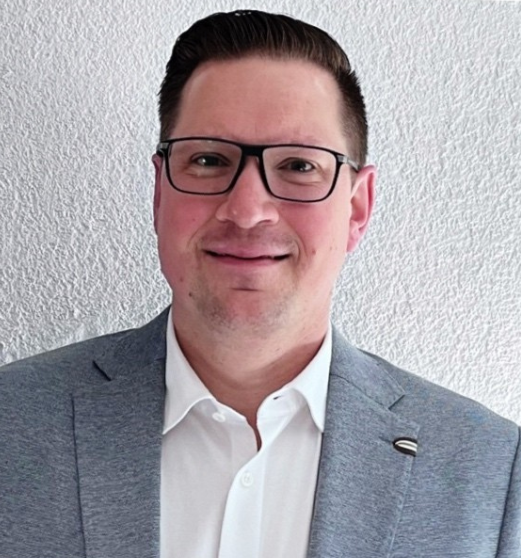
Mike Stovin
Director, Service and Enterprise Programs
ATS Industrial Automation
For more than 15 years, Mike has helped manufacturers minimize downtime and extend equipment life through advanced automation services. By combining preventive maintenance strategies with tailored service plans, Mike enables production teams to improve operational efficiency and protect critical assets.