

Improving operational efficiency remains a daily priority for operations leaders responsible for production output, asset performance, and throughput in highly automated manufacturing environments. When production data sits in disconnected systems or manual reports, teams lose visibility into bottlenecks, cycle time losses, and recurring disruptions that limit OEE.
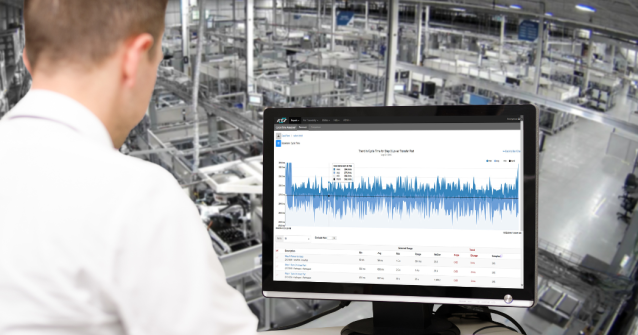
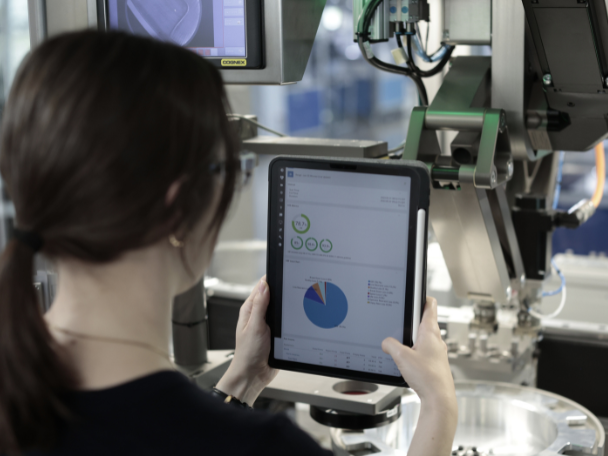
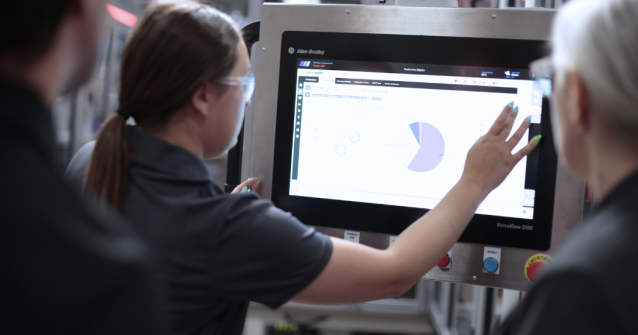
Real-time manufacturing intelligence changes this approach. By collecting production data directly from equipment and presenting it in a clear, standardized format, operations teams gain the visibility needed to improve manufacturing efficiency, increase output, and support continuous improvement without adding reporting work to already busy teams.
Why Real-Time Visibility Improves Manufacturing Performance
Manufacturing performance improves when teams see what happens across the line, at every station, during every shift. Small cycle time delays, unplanned stops, and recurring disruptions often escape attention until they reduce throughput or delay orders. Manufacturing intelligence software addresses this gap by providing real-time visibility into production performance, helping operations leaders and technicians identify bottlenecks, prioritize maintenance, and focus improvement efforts on the issues that limit availability, performance, and quality the most.
How Manufacturing Intelligence Supports Continuous Improvement
Continuous improvement in manufacturing relies on accurate data, shared visibility, and consistent execution. Manufacturing intelligence platforms support this approach by making performance data accessible and actionable for the people closest to the process.
Operations leaders use this data to:
- Improve OEE by addressing availability, performance, and quality losses in real time.
- Reduce downtime through faster fault detection and response.
- Prioritize maintenance activities based on actual production impact.
When paired with reliability engineering, smart maintenance strategies, and structured service plans, manufacturing intelligence becomes part of a long-term approach to improving operational efficiency across the full lifecycle of production assets.
Improving Operational Efficiency without Adding Complexity
Improving operational efficiency does not require replacing existing equipment or systems. A vendor-agnostic manufacturing intelligence system can integrate into brownfield environments, collect data from existing automation, and present only the information teams need to support daily decision-making.
This approach helps operations leaders improve manufacturing productivity using existing resources, existing lines, and existing teams while building a foundation for sustained manufacturing efficiency improvement.
Manufacturing Intelligence FAQs
What is manufacturing intelligence?
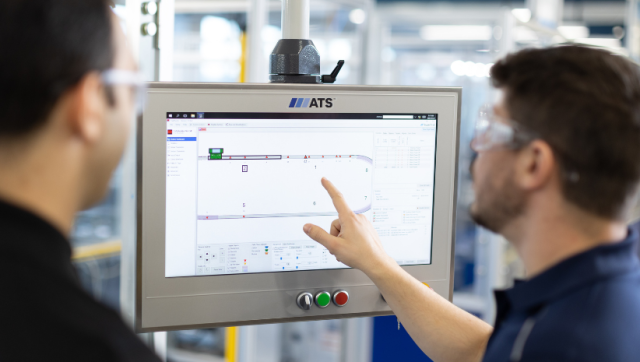
Manufacturing intelligence software collects real-time production data from equipment and systems, then visualizes it into actionable insights that support improving operational efficiency and decision-making on the plant floor.
How does manufacturing intelligence help improve OEE?
Manufacturing intelligence improves OEE by identifying downtime, cycle time losses, and quality issues in real time. Teams can address problems as they occur instead of relying on delayed reports.
Who benefits most from manufacturing intelligence tools?
Operations leaders, plant managers, factory managers, and maintenance teams benefit most because they can now use accurate, timely data to manage production output, maintenance priorities, and continuous improvement initiatives.
Can manufacturing intelligence work with existing equipment?
Yes. Vendor-agnostic platforms can integrate with brownfield environments and existing automation systems without requiring equipment replacement.
How does real-time data support continuous improvement in manufacturing?
Real-time data allows teams to identify patterns, prioritize improvement efforts, validate results, and sustain gains over time without increasing reporting workload.
Support Continuous Improvement with Plant-Floor Visibility
Operational efficiency improves when you give your teams clear visibility into production performance and the ability to act on issues as they occur. Real-time manufacturing intelligence supports improving manufacturing productivity by exposing bottlenecks, reducing downtime, and removing manual reporting from daily operations. When operations leaders connect production data with maintenance strategy and reliability efforts, they create a practical foundation for continuous improvement in manufacturing.
You may not need new equipment to improve OEE. You do need accurate, timely data that helps your teams focus on the issues limiting availability, performance, and quality. Manufacturing intelligence, paired with reliability engineering and smart maintenance, helps you improve manufacturing efficiency using the systems and resources already in place.
If improving operational efficiency is a priority for your plant, now is the time to take a closer look at how real-time production data supports better decisions on the plant floor.
Learn how Illuminate™ Manufacturing Intelligence helps operations leaders improve OEE, reduce downtime, and increase output. Connect with an expert to see how you can improve manufacturing productivity across your operations.
Every project is unique. Allow us to listen to your challenges and share how automation can launch your project on time.

Mike Stovin
Director, Service and Enterprise Programs
ATS Industrial Automation
For more than 15 years, Mike has helped manufacturers minimize downtime and extend equipment life through advanced automation services. By combining preventive maintenance strategies with tailored service plans, Mike enables production teams to improve operational efficiency and protect critical assets.