

Electric motor manufacturers manage increasing SKU counts, shorter product lifecycles, and higher levels of customization. These factors put pressure on production teams to complete frequent changeovers without affecting throughput, quality, or delivery performance.
In electric motor production, inefficient changeovers reduce overall equipment effectiveness (OEE), disrupt scheduling, and increase cost per unit. Managing these transitions requires more than faster tooling swaps. Production systems need flexibility, consistent processes, and clear data to support rapid product variation.
Changeover Complexity in Electric Motor Manufacturing
Changeovers affect every stage of the production line. Rotor and stator variants, shaft lengths, magnet configurations, inverter interfaces, and testing parameters all vary across SKUs.
Inconsistent changeovers lead to missed delivery timelines, quality variation, and unplanned stops when production systems lack flexibility.
Common changeover risks for motor manufacturers include:
- Manual retooling and calibration steps
- Non-standardized work instructions across SKUs
- Line stoppages driven by bulky build to order components
- Extended validation cycles between SKUs
As SKU counts increase, fixed automation systems struggle to support variation without extended downtime.
Why Changeovers Continue to Slow Production
Shorter Product Lifecycles and Higher SKU Mix
Electric motor programs evolve based on electrification demand, regional requirements, and design updates. Production lines often need to support multiple motor sizes and configurations.
Production lines must accommodate frequent product changes without full reconfiguration.
Bulky and Build to Order Components
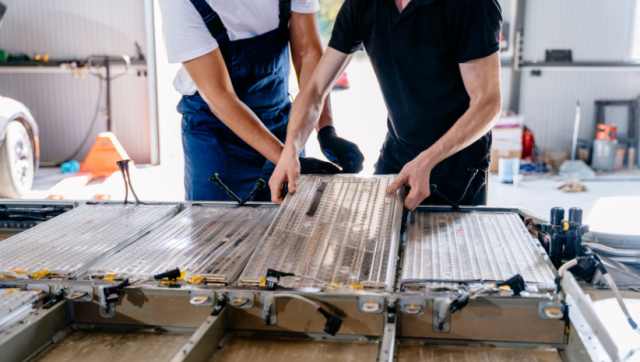
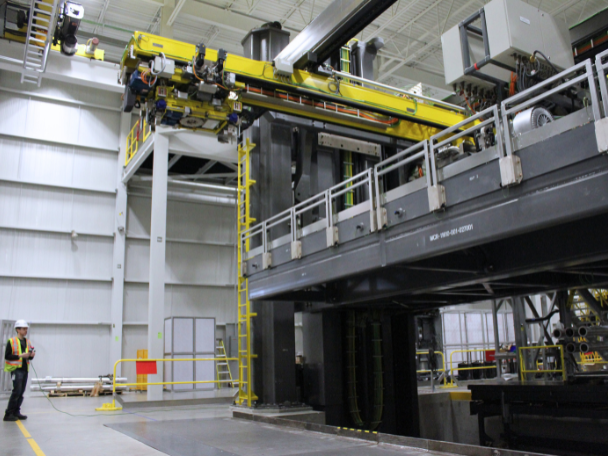
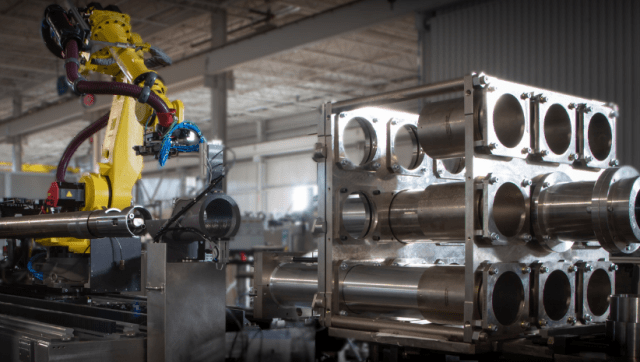
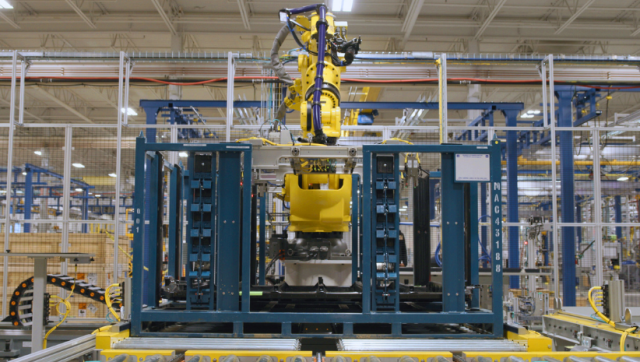
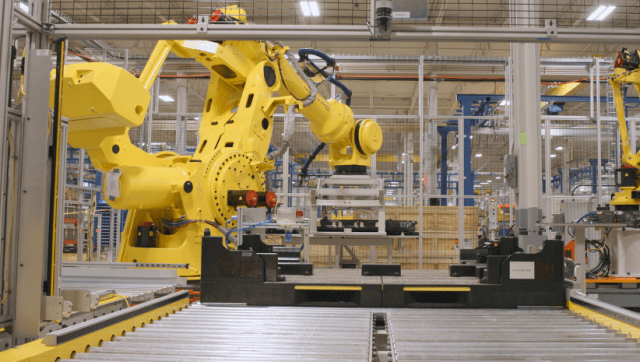
Rotors, stators, and housings increase handling complexity during changeover. Manual processes increase downtime and safety exposure as system size grows.
Motor production often requires specialized handling due to component weight and geometry.
Understanding Setup Time vs. Changeover Time
Setup time includes preparing tools, fixtures, and materials before production runs. Changeover time measures the duration from the last good part of one SKU to the first good part of the next.
Reducing changeover time requires limiting tasks that stop the line and shifting preparation work outside of production time.
Five common constraints slowing down production team’s changeover performance:
- Lack of standardized procedures across SKUs
- Poor tool and fixture organization
- Inefficient production scheduling
- Equipment calibration and validation delays
- Limited operator training across product variants
Flexible Automation Platforms That Support Changeovers
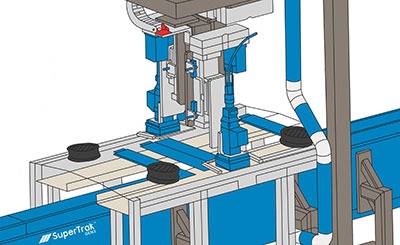
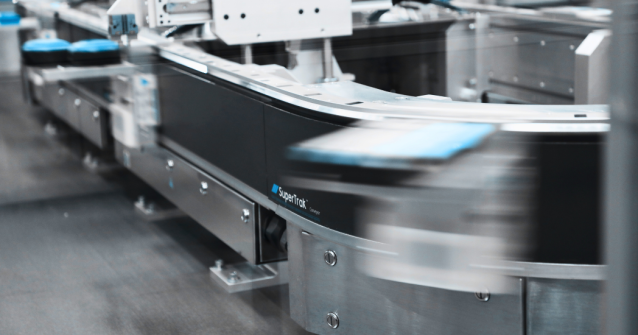
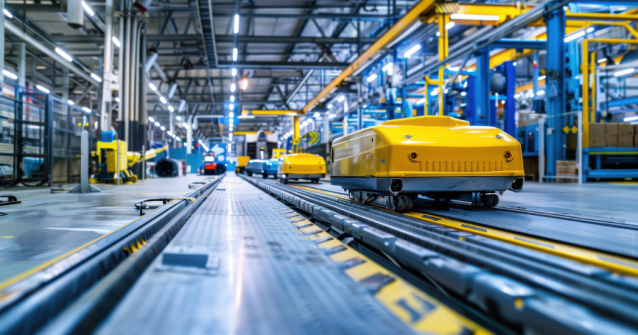
Flexible Conveyance with SuperTrak
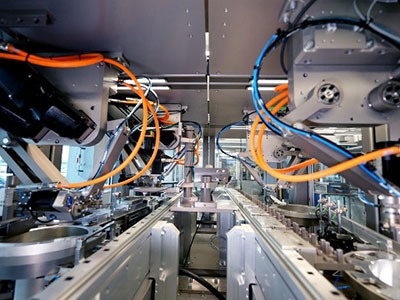
Independent shuttle control allows multiple SKUs to move through shared stations without stopping the line. This supports parallel processing and reduces mechanical changeover steps.
SuperTrak CONVEYANCE™ also supports compact layouts and dynamic line balancing.
Adaptable Automation Platforms
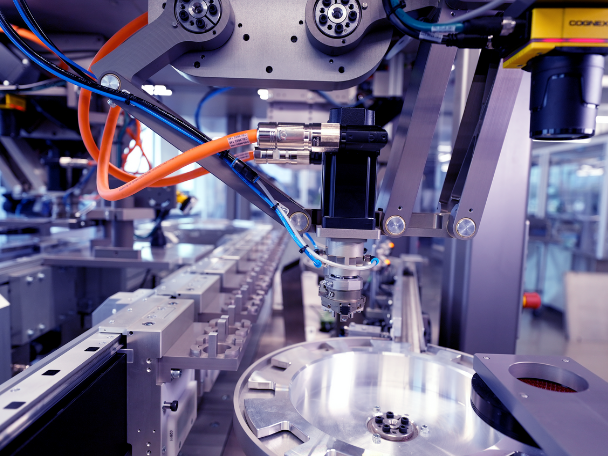
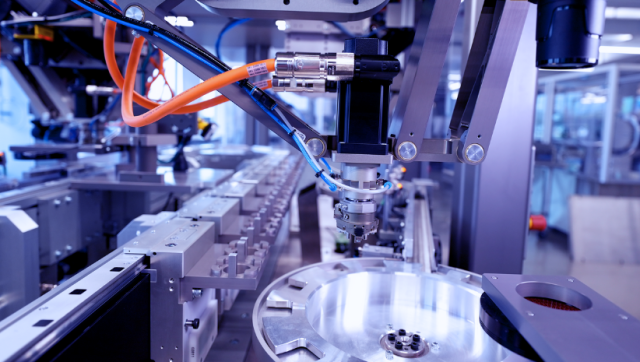
Adaptable automation platforms use standardized stations and interfaces that support reconfiguration as product designs change.
Enabling production teams to expand or adjust line configuration without full system redesign.
Digital Systems and Changeover Management
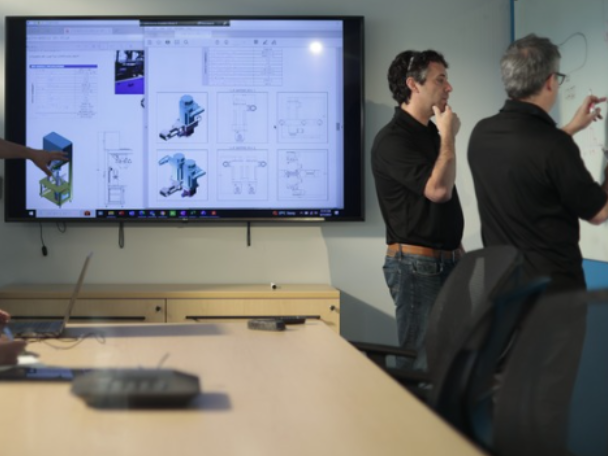
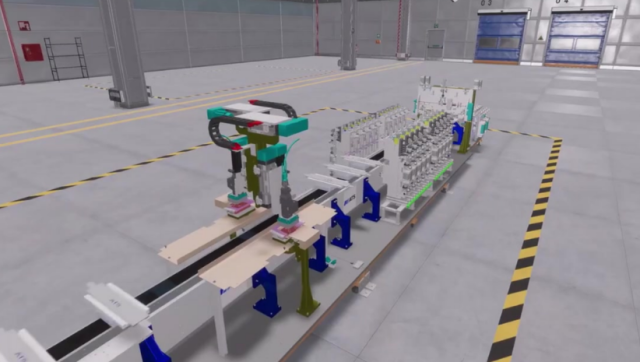
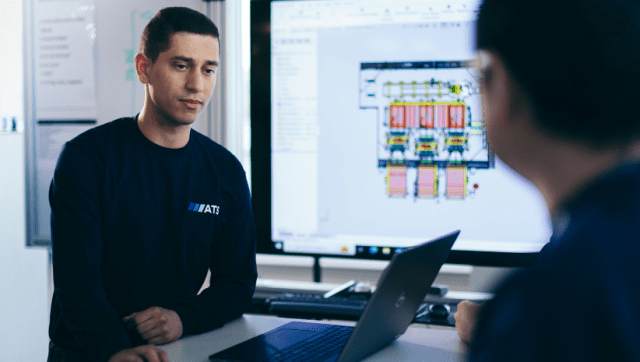
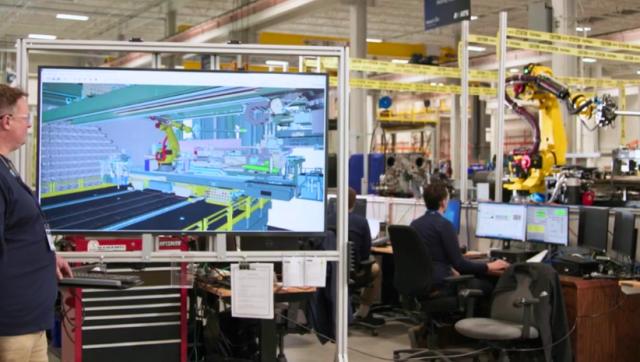
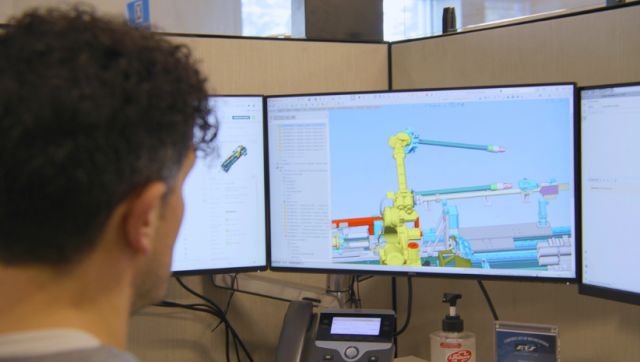
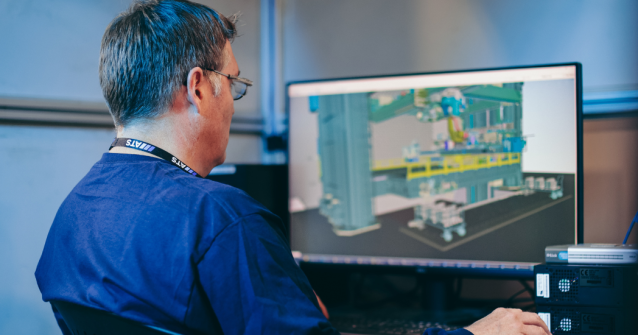
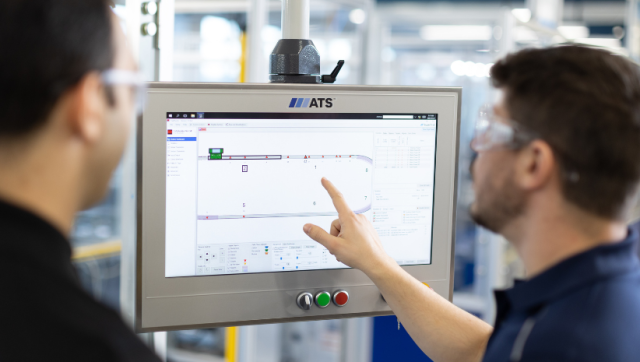
System twins help to validate changeover sequences, tooling clearances, and test processes before deployment. This reduces risk during commissioning and supports faster ramp-up across product variants.
Digital production systems also support:
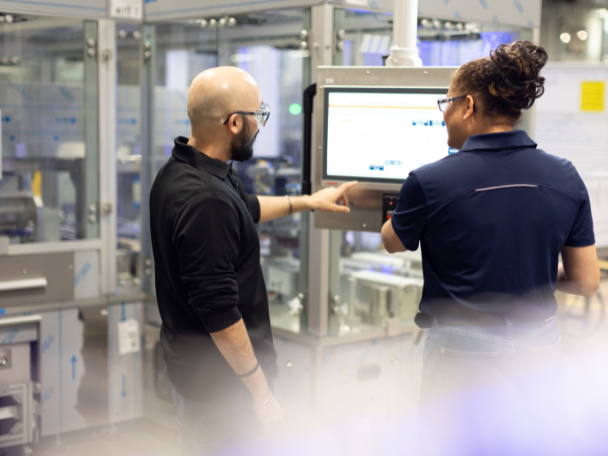
- SKU-specific recipe management
- Traceability across products and assemblies
- Faster scheduling adjustments
Improving Changeover Performance Through Process Design
Effective changeover management aligns automation with production strategy. Key approaches include:
- Standardized tooling interfaces across stations
- Recipe-driven station setup
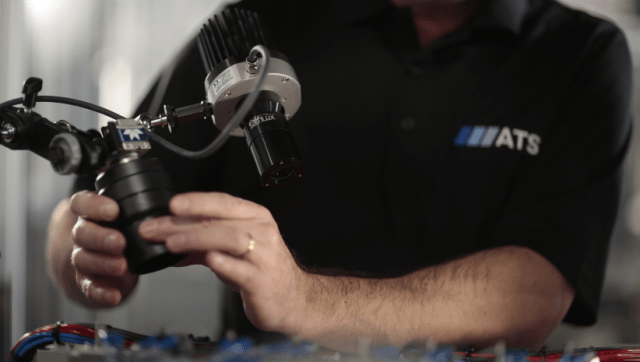
- Vision-guided alignment for assemblies
- Inline quality checks that adjust by SKU
Automation partners contribute by helping to align manufacturability with changeover requirements during system design.
Where Performance Gains Appear
Reducing changeover time improves:
- Overall equipment effectiveness
- Production scheduling flexibility
- Batch size reduction
- Time to market for new motor variants
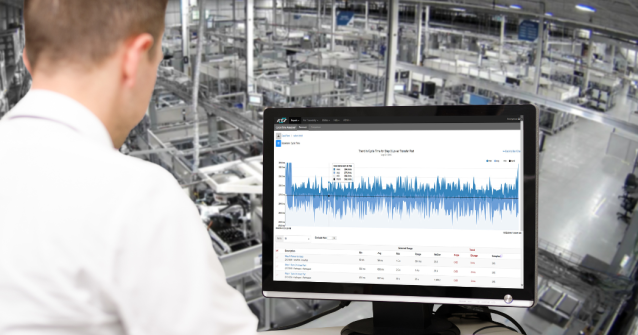
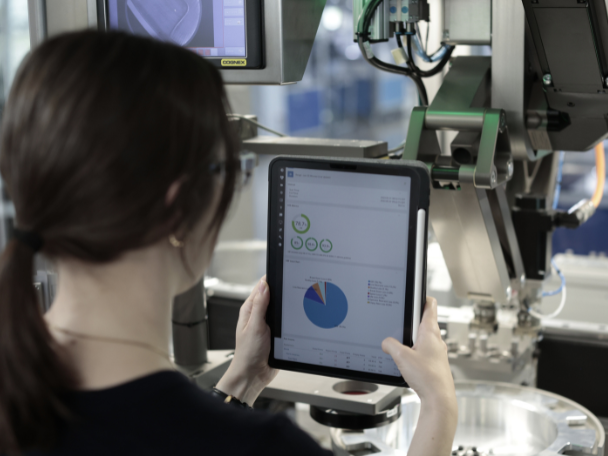
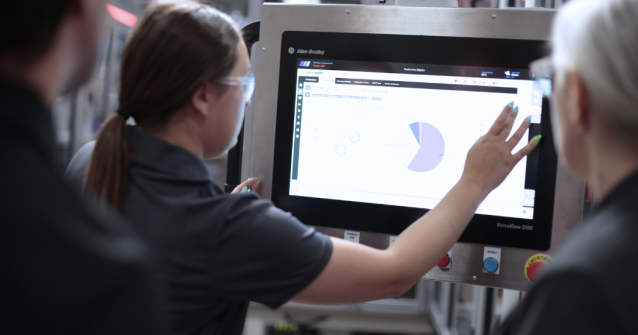
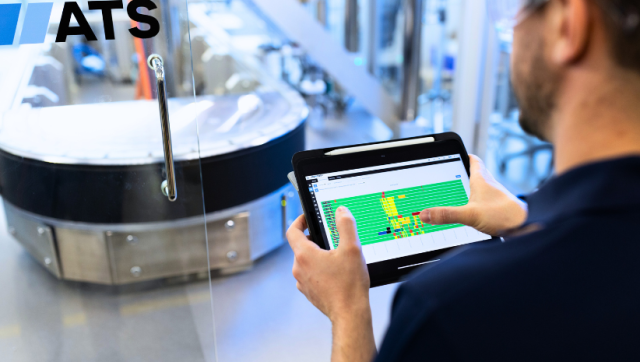
Manufacturing intelligence systems provide visibility into downtime trends and changeover performance.
FAQ
What factors determine the level of customization required for different motor types?
Motor size, power output, magnet configuration, cooling design, and testing requirements define variation across production lines.
How long does it take to reconfigure production lines for different motor types?
Reconfiguration depends on system modularity and flexibility. Modular platforms reduce mechanical and controls changes compared to fixed systems.
What role does automation play in changeovers?
Automation supports standardized interfaces, recipe control, and consistent quality processes across SKUs.
Design Changeovers for Current Production Requirements
Frequent changeovers define modern electric motor production. High SKU mix, shorter lifecycles, and large components place consistent pressure on manufacturing lines.
Flexible automation platforms, modular station design, and digital production systems provide control over changeover time and production flow. Software-driven configuration reduces reliance on manual intervention and supports consistent performance across product variants.
Production teams evaluating changeover performance can benefit from reviewing line design, flexibility, and system integration early in planning.
Contact us today to start the conversation.
Every automation project is unique. Allow us to listen to your challenges and share how automation can launch your project on time.

Dave Borden
Senior Sales / Applications Engineering
ATS Industrial Automation
Dave works with manufacturers around the world to plan and implement automation projects. He helps optimize production line designs, applying his industry expertise to improve operational efficiency, support scalability, and meet performance goals.