

Achieving optimal performance in manufacturing starts well before production begins. It starts with deliberate planning.
Reliability and maintenance assessments provide a structured view of operations by identifying vulnerabilities, improving efficiency, and aligning processes with long-term objectives.
These assessments extend beyond routine maintenance. They combine risk analysis, preventive maintenance strategies, and foundational reliability engineering practices to ensure every asset and process supports sustainable performance.
Reliability and maintenance assessments focus on core areas that shape operational quality:
- Governance
- Continuous improvement
- Asset management
- Operations and material management
- System health
- Resource management
Strategic Governance: Aligning Communication, Risk, and Financial Structure
Governance forms the foundation of operational reliability. Assessments evaluate:
- The quality and consistency of communication across departments.
- Risk management frameworks that reduce operational vulnerabilities.
- Financial structures that support long-term reliability initiatives.
Assessments often uncover gaps in corporate culture, change management, and documentation. Common recommendations include:
- Implementing structured change management processes.
- Ensuring compliance with regulatory standards.
- Strengthening accountability across operations.
Effective governance depends on cross-functional alignment. Assessors define clear steps to implement new practices, integrate them into daily operations, and sustain improvements through training and documentation.
The Importance of Historical Information
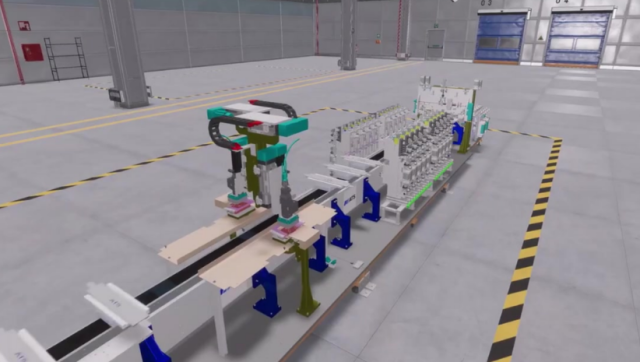
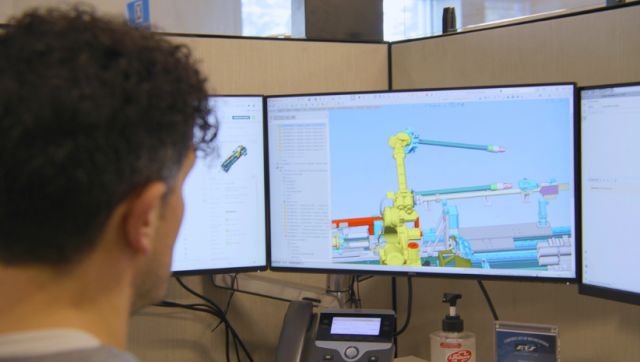
Historical data is central to reliability engineering and maintenance planning. A digital twin supported by accurate equipment history can enable stronger predictability and operational control. Engineering documentation, performance records, and modification histories often provide insight into improvement opportunities.
Without proper documentation and controlled change management, manufacturers risk operating below intended performance. Issues such as reduced machine speed can persist when institutional knowledge is lost, particularly when equipment documentation is incomplete or original installers are no longer available.
Why Documentation Matters
Robust documentation, including change management records and accessible downtime procedures, plays a critical role in failure prevention. Historical information such as maximum machine speed, part specifications, and prior upgrades allows organizations to:
- Identify root causes of recurring issues.
- Restore systems to their intended performance.
- Plan targeted upgrades for efficiency improvements.
Assessments frequently identify documentation gaps and recommend actions such as:
- Implementing document control processes.
- Creating digital twins for real-time and historical visibility.
- Centralizing data within a CMMS for consistent access.
Addressing these gaps preserves institutional knowledge and ensures operational decisions can be based on accurate information.
Make Continuous Improvement a Core Practice
Assessments help manufacturers embed continuous improvement into daily operations. Common focus areas include:
- Data management and integrity for accurate decision-making.
- Documentation processes for training, troubleshooting, and compliance.
- Digital transformation initiatives for centralized information sharing.
Strengthening these areas supports agility, competitiveness, and alignment with evolving industry requirements.
Digital Transformation Is Integral to Improving Efficiency
Assessments often recommend digital transformation initiatives tailored to the organization. These include centralized systems accessible across departments and guidance on how information must be documented and shared consistently.
However, digital transformation requires strong data governance. As The Manufacturer Magazine notes:
“The success or failure of a digitalization project can all hinge on the quality and integrity of the data, and how it is managed within the organization. Indeed, ineffective data management can lead to fundamental flaws in any business decisions.”
This reinforces why assessments include recommendations for data integrity, change management, and governance to support digital initiatives.
Manufacturing Asset Management Improvement Never Stops
Reliability as core element of asset management starts with an assessment. Assessments provide insight into:
- Criticality risk analysis to prioritize high-value assets.
- Parts obsolescence and strategies for replacement.
- Maintenance optimization, reducing unnecessary interventions.
For example, an assessment may determine that a pump serviced four times per year can operate reliably with two services. The determination in reducing the service intervals is derived from having good historical maintenance data. This adjustment creates efficiencies with regard to time and both financial and human resources without increasing risk (e.g.: not having to stock as many spare parts or optimizing your spare parts to a just in time ordering system as you can now predict when the service will be due to having good historical data).
Leverage Assessments to Drive Critical Projects
Assessments do more than identify risks. They provide the evidence required to justify investment in reliability initiatives. Maintenance leaders often recognize high-risk issues such as obsolescence but face difficulty securing approval. Assessments provide subject matter expert validation to support prioritization.
They also strengthen criticality-based planning, ensuring high-risk assets receive appropriate attention to reduce downtime.
By identifying optimization opportunities, assessments help manufacturers:
- Justify capital investment using risk-based analysis
- Improve maintenance efficiency and cost control
- Extend asset life and improve system performance
Review the Efficiency of Your Operations and Material Management
Operational efficiency directly influences production quality. Assessments review:
- Shift-change communication to prevent process disruptions.
- Operator training to reduce downtime caused by unfamiliarity.
- Material management practices, including compliance, traceability, and storage conditions.
Recommendations often focus on standardized procedures and improved communication to support workflow continuity.
What’s the Status of Your System’s Health?
System health assessments evaluate:
- Controls hardware and software performance.
- Machine and line performance.
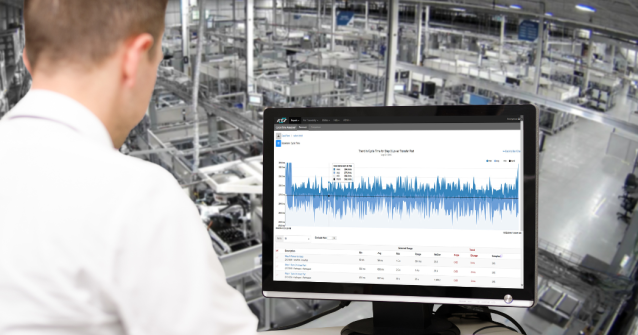
- Condition-monitoring technologies for early fault detection.
- Integration of upgrades and retrofits into CMMS and PLC systems.
Assessors also identify opportunities to improve throughput via targeted modifications such as conveyor extensions or hopper capacity adjustments.
Upgrade and Retrofit Recommendations
Assessments frequently uncover upgrade or retrofit opportunities that reduce risk and improve performance. System health becomes increasingly important when integrating new components into aging equipment. Assessments ensure upgrades are planned, validated, and executed with minimal disruption.
How Reliability Engineering Assessments Add Value
Assessors evaluate modification requirements and provide recommendations aligned with operational goals. Examples include:
- Capacity enhancements such as conveyor extensions or larger hoppers.
- Production speed improvements through upgrades to cylinders or stations.
- Work process adjustments to support new configurations and maintain throughput.
These insights help manufacturers:
- Optimize system performance without compromising reliability.
- Reduce the risk of costly downtime during upgrades.
- Ensure that retrofits deliver measurable improvements in efficiency and output.
Participating in a reliability and maintenance assessment ensures upgrade decisions are grounded in data and aligned with long-term operational objectives.
Implement Effective Resource Management
Resource management plays a critical role in reliability and presents increasing challenges due to labor constraints. Risks often stem from staffing gaps, inconsistent standards, and operator variability.
Global labor shortages have created an unstable hiring environment, forcing manufacturers to rethink how they allocate resources.
As The Plant magazine reports:
“Manufacturers have experienced substantial financial, talent, opportunity and reputation-related losses because of the skilled labour shortage Canada faces. Understaffing has forced many to delay or cancel deliveries, increasing operational costs and reducing sales.”
Assessments identify where resource constraints affect reliability and help manufacturers plan improvements that can stabilize operations.
Best Practices for Today’s Reliability Engineering Experts
Organizations conducting assessments must align with recognized standards such as Lean Six Sigma, ISO 55000, and SMRP guidelines.
Assessors are resources with a great deal of experience performing this exercise and align with the principles of reliability certifications to validate technical capability. Engaging site stakeholders throughout the assessment improves accuracy and builds alignment around improvements. Sustaining results requires structured change management, ongoing training, and open communication.
Quick Reference Best Practices
- Align with global standards like ISO 55000 and the Society for Maintenance & Reliability Professionals (SMRP) guidelines.
- Involve the sites key stakeholders in the assessment process.
- Implement change management procedures for continuous improvement.
- Foster open communication and feedback across teams.
FAQs: Reliability and Maintenance Assessments
How long does a reliability and maintenance assessment take?
Depending on scope, assessments range from one to two weeks for targeted reviews to nine to eighteen months for multi-site and full-scale programs with implementation.
What areas do assessments cover?
Governance, asset management, operations, material handling, system health, and resource management.
How do assessments support risk management?
They identify vulnerabilities and prioritize improvements through structured risk assessment tools.
What is predictable maintenance, and why is it important?
It uses data-driven insights to plan maintenance before failures occur—reducing downtime and controlling costs.
What’s the biggest benefit of an assessment?
Assessments provide a path towards more resilient operations that yield more reliable throughput, as well as a continuously improving reliability and maintenance culture.
Take Control of Reliability Today
Reliability and maintenance assessments function as strategic enablers. By identifying inefficiencies, reducing risk, and aligning maintenance with operational goals, they support predictable maintenance, efficient resource use, and sustained performance.
A proactive approach prevents minor issues from escalating into failures. Reliability assessments help maintain system health, maximize asset value, and keep manufacturing operations competitive as requirements evolve.
Every project is unique. Allow us to listen to your challenges and share how automation can launch your project on time.

Rajiv Daljeet
Lifecycle Sales Manager
ATS Industrial Automation
Rajiv partners with manufacturers to strengthen asset management programs by connecting strategy, reliability engineering, and operations. He helps organizations quantify residual risk, align maintenance and capital investments, and build practical roadmaps that improve reliability and total cost of ownership.