

Why risk downtime when you can prepare for obsolescence?
Unplanned downtime remains one of manufacturing’s most expensive challenges, draining resources and reducing operational performance. A major contributor is parts obsolescence, which affects both new and legacy equipment. When an original equipment manufacturer discontinues a critical component and no inventory or replacement plan exists, production lines face elevated risk.
Planned preventive maintenance (PPM) reduces unexpected failures, but it does not solve the challenge of sourcing obsolete parts. As components become harder to replace, downtime events often extend beyond expectations. A strong parts inventory management program, supported by reliable systems and disciplined budgeting, remains essential for managing obsolescence risk. Without this foundation, prolonged downtime creates severe financial exposure.
The High Cost of Unplanned Downtime
Unplanned downtime halts production and directly impacts profitability and customer trust. Missed production targets result in lost revenue, while repeated disruptions erode confidence and push customers toward more reliable suppliers.
When equipment fails unexpectedly or relies on outdated technology, costs can escalate quickly. Emergency repairs usually introduce premium charges and can divert maintenance teams from planned work, creating ripple effects across operations. Many events require specialized external technicians, increasing labor and travel costs.
The impacts of unplanned downtime on manufacturers include:
- Missed production targets
- Damaged customer relationships
- Expensive emergency repairs
- Disruptions to critical processes
- Extra cost to hire external experts
Addressing the Inefficiency of Reactive Solutions
Without a proactive strategy, manufacturers often rely on short-term fixes. These solutions may restore operation temporarily, but they also often reduce throughput or accelerate equipment wear. Obsolete components may also fall short of current safety requirements, increasing operational risk.
This reactive approach disrupts productivity and exposes employees and equipment to avoidable hazards. Over time, reliance on temporary solutions increases the likelihood of prolonged downtime and rising maintenance costs, outcomes that a structured inventory management program helps prevent.
Is Your Manufacturing Operation at Risk of an ‘All Bets Are Off’ Situation?
Obsolescence occurs when a component used in the original design is no longer produced. If you do not have the part—and cannot source it—operations can come to a complete stop. This level of unpredictability can be avoided with a comprehensive inventory management strategy.
The International Institute of Obsolescence Management highlights that understanding why obsolescence occurs and planning ahead is essential. Obsolescence can affect materials, components, processes, skills, and software at any point in the equipment life cycle—from design and development to production and in‑service operation. It is particularly challenging when components must be supported for extended periods. This is because risk increases when systems require long-term support. Data consistently shows obsolescence often emerges within the first two years of operation, with elevated risk appearing around the five-year mark. Understanding this timeline influences budgeting for Last Time Buy purchases, redesigns, and upgrades, areas that are frequently underfunded until a disruption occurs.
Operations teams, including plant managers, maintenance technicians, system leads, and operators, play a central role in collecting the data required for effective planning.
Manage Parts Obsolescence Risk with a Strong Inventory Management Plan
Effective parts inventory management reduces obsolescence risk while supporting stable operations. Strong programs balance short-term protections with long-term planning. This combination allows manufacturers to manage complexity while sustaining competitiveness.
Long-Term Recommendations
- Maintain Accurate Data: Update bills of materials regularly to forecast end‑of‑life parts.
- Adopt Preventive Practices: Use lifecycle forecasts, preventive analytics, and scheduled reviews to anticipate risk and plan updates.
- Strengthen Supplier Relationships: Use proactive communication to stay informed about upcoming obsolescence.
- Design for Flexibility: Incorporate adaptable system designs to simplify future upgrades.
Short-Term Actions
- Last Time Buy (LTB): Purchase sufficient quantities when notified that a component is nearing end‑of‑life.
- Stockpile Critical Components: Maintain a buffer stock of long lead‑time parts to mitigate immediate obsolescence risk.
What Compass Are You Using to Address Inventory Management?
Staying ahead of obsolescence through adaptive inventory planning supports competitiveness as technology evolves. Early risk identification enables informed decisions and timely action. Accurate data and proactive planning allow manufacturers to implement redesigns or upgrades without sacrificing performance.
The Institute of Asset Management notes that strategies for aging assets and obsolescence help organizations make capital investment decisions at the right time. Quantitative modeling and decision-support tools evaluate degradation patterns, risks, costs, and consequences—ensuring optimal investment timing. Portfolio-level planning also accounts for emerging technologies, stranded asset exposure, and opportunities for repurposing.
Manufacturers must consider industry-specific factors when managing obsolescence, including:
- Regulatory Compliance: Different industries have unique safety, environmental, and product standards. For example, sectors like nuclear and medical devices require strict adherence to compliance even as components age.
- Supply Chain Stability: Reliable suppliers are critical for long-term support and timely delivery of essential components.
- Component Lifecycle: Electronic components often advance rapidly and have shorter lifecycles compared to mechanical parts, increasing obsolescence risk.
- Customization and Flexibility: Designing systems with flexibility allows for easier upgrades and integration of new technologies over time.
By addressing these factors and maintaining a disciplined inventory program, manufacturers reduce obsolescence risk and strengthen operational resilience.
Broader Obsolescence Risk Can Impact the Entire Machine
Obsolescence extends beyond individual parts. Entire machines face risk when critical components become outdated. Consequences may affect safety, quality, and cost control.
Key risks include:
- Safety Risks: Obsolete components may fail to meet current safety standards, putting workers and the production environment at risk.
- Quality and Performance Issues: Incompatible or aging parts can reduce efficiency or cause defects.
- Increased Maintenance Costs: Scarcity of obsolete parts drives up repair costs, often requiring custom solutions or forced upgrades that strain budgets.
A structured inventory management system reduces these risks and supports long-term stability.
Relationships Are Crucial for Successful Operations
Inventory strategy matters, but supplier and customer relationships carry equal importance. Obsolescence-driven downtime affects delivery performance and customer confidence.
Clear communication with suppliers improves lead time visibility, enables timely Last Time Buy decisions, and supports coordinated planning. Strong relationships are key to strengthen inventory resilience and speed response during disruption.
Using Best Practices to Significantly Reduce Obsolescence Risk
Accurate inventory data, combined with disciplined prioritization by criticality and lead time, supports effective forecasting and budgeting. This ensures resources align with the most important components.
Start your obsolescence management journey by implementing these best practices:
- Utilize Inventory Management Software: Enhance visibility and control over your parts inventory system.
- Categorize Inventory: Group items by asset criticality, part cost, and lead time to prioritize effectively.
- Forecast Parts Usage: Maintain optimum inventory levels and anticipate future needs.
- Maintain Safety Stock: Keep a buffer of high-risk parts to prevent disruptions.
- Conduct Regular Inventory Audits: Ensure records match actual stock levels for accuracy and compliance.
Applying these practices improves operational stability, reduces obsolescence risk, and supports sustainable performance.
Parts Inventory Management FAQs for Operational Resilience
What is parts obsolescence?
When components originally designed for a system are no longer produced, making replacements difficult and costly.
How does inventory management reduce obsolescence risk?
A strong program ensures critical parts remain available through forecasting, safety stock, and proactive planning.
What are the best practices for managing parts inventory?
Use inventory software, categorize parts by criticality, forecast usage, maintain safety stock, and complete regular audits.
Why is supplier communication important?
It helps anticipate obsolescence, secure Last Time Buys, and maintain reliable availability.
What short and long-term strategies help prevent downtime?
Short-term strategies include buffer stock and Last Time Buys. Long-term strategies include lifecycle reviews, preventive analytics, and flexible system design.
Choose Proactive Planning Over Risk
A proactive approach to obsolescence management supports stable, reliable operations. A balanced inventory strategy that combines short-term protections with long-term planning prepares teams before obsolescence becomes disruptive.
Understanding regulatory requirements, supply chain stability, and component lifecycle behavior strengthens risk management. Staying ahead of these factors will help you support resilience and competitiveness.
What comes next for your operation, risk or readiness?
ATS designs parts inventory management programs aligned to operational requirements. Connect with ATS to strengthen your approach to obsolescence management.
Every project is unique. Allow us to listen to your challenges and share how automation can launch your project on time.

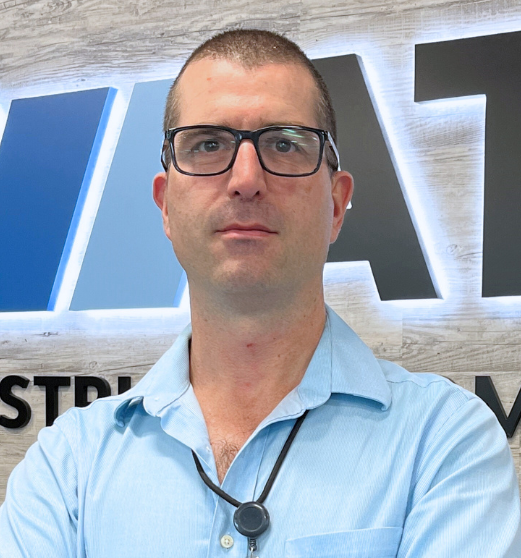
Mike Stovin
Director, Service and Enterprise Programs
ATS Industrial Automation
For more than 15 years, Mike has helped manufacturers minimize downtime and extend equipment life through advanced automation services. By combining preventive maintenance strategies with tailored service plans, Mike enables production teams to improve operational efficiency and protect critical assets.