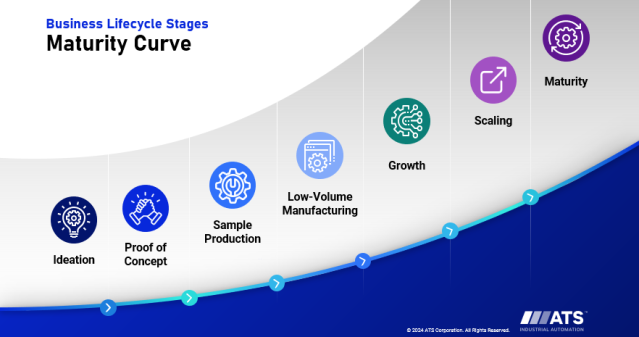


For teams developing consumer products such as electric toothbrushes, connected oral care devices, and other personal care products, manufacturing risk exists from the first program milestone. Manufacturers bringing new consumer personal care products to market face pressure from multiple directions. Teams need to quickly introduce new product research and development, scale production without, reduce quality defects, and justify investment in manufacturing systems built on technologies without a long production history.
Consumer product manufacturing continues to evolve. Product lifecycles are reducing, product variants increase, and quality expectations stay high. Many new personal care products now combine consumer electronics, plastics, precision assembly, and software. This mix increases manufacturing risk when programs move directly from laboratory validation into full production automation without intermediate validation.
Unproven Manufacturing Technologies in Consumer Personal Care Products
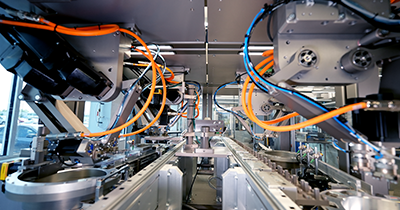
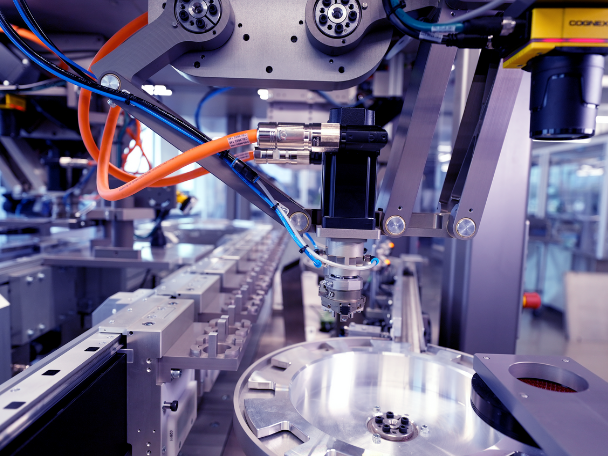
New consumer personal care products often depend on innovative technologies not yet scaled for full production volumes. These include new materials, tighter tolerances, higher speed assembly processes, and advanced inspection requirements. Toothbrush manufacturing illustrates this challenge clearly. Electric toothbrush manufacturing programs combine motors, electronics, seals, plastics, and cosmetic components, with each process influencing downstream quality and yield.
Common risk areas include:
- Assembly processes validated only at bench scale.
- Joining or fastening methods without a clearly defined process window, including acceptable ranges for force, torque, temperature, weld energy, or cycle time.
- Inspection strategies validated manually but not at line speed.
- Toothbrush manufacturing machines designed before part variation is fully understood.
When these risks surface late, programs face schedule delays, rework, or equipment redesign. Early process definition and validation directly influence downstream quality, throughput, and production stability.
Speed To Market Pressure in Consumer Product Manufacturing
Consumer personal care brands compete on speed. Early market entry for a new oral care device or connected personal care product often shapes category leadership. Industry analysis from Deloitte shows consumer personal care manufacturers are increasingly prioritizing speed-to-market, personalization, and rapid scaling, increasing the demand for early risk reduction activities before committing to full factory automation.
The challenge lies in misalignment. Speed and manufacturing readiness rarely progress at the same pace. Teams often commit to capital equipment before finalizing product designs, and before understanding how design changes, part variation, or regulatory requirements affect production. In toothbrush manufacturing equipment programs, minor changes to handle geometry or sealing features frequently trigger rework after equipment build, increasing cost and delaying launch.
Pre-Automation For Consumer Personal Care and Toothbrush Manufacturing
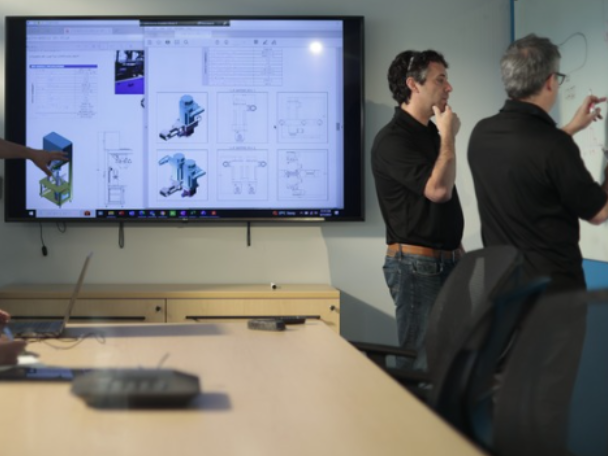
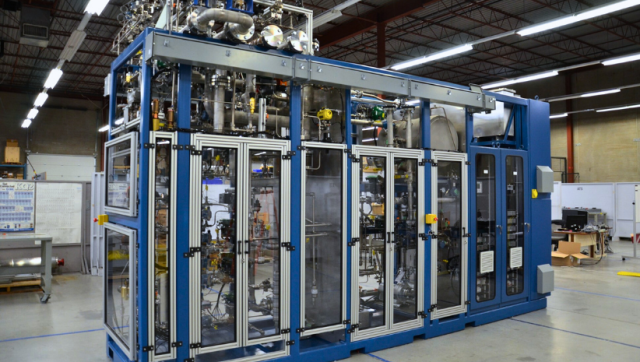
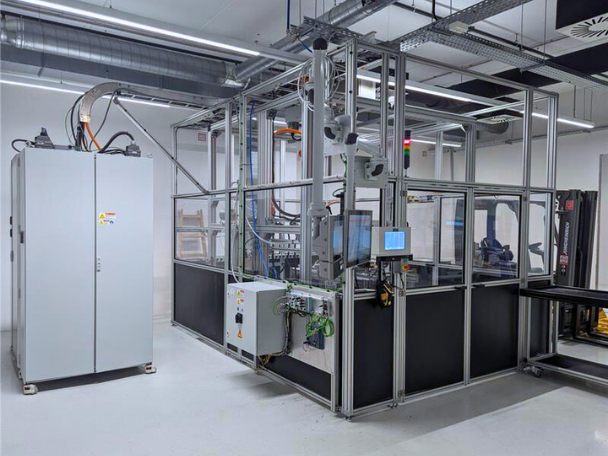
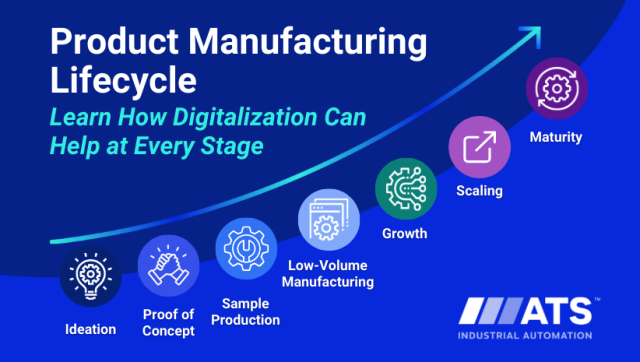
Pre-automation defines automation requirements before manufacturing equipment design begins. This approach reduces manufacturing risk by validating processes, requirements, and assumptions early in the program lifecycle.
Key pre-automation activities include:
- Technical risk assessment to identify high risk processes
- Design for manufacture and assembly aligned to scalable production
- Proof of principle studies at target cycle times
- Validation planning to support product quality, safety, and manufacturing readiness
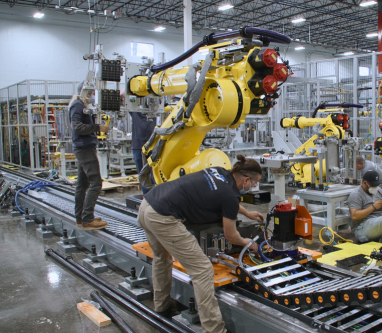
Pre-automation supports production readiness by resolving risk before manufacturing equipment design rather than during equipment debug and commissioning.
For consumer product manufacturing teams, pre-automation clarifies where automation adds value and where manual or semi-automated steps better support production volumes.
Digital Manufacturing Tools for Consumer Personal Care Scale Up
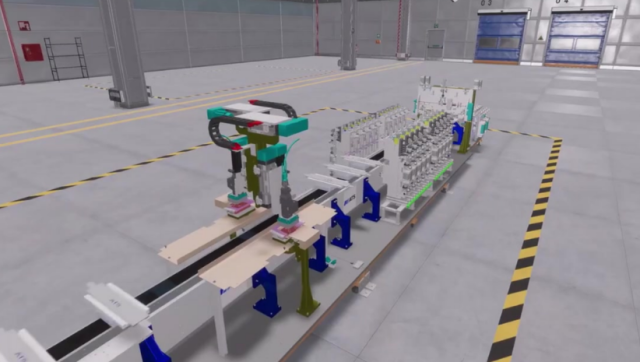
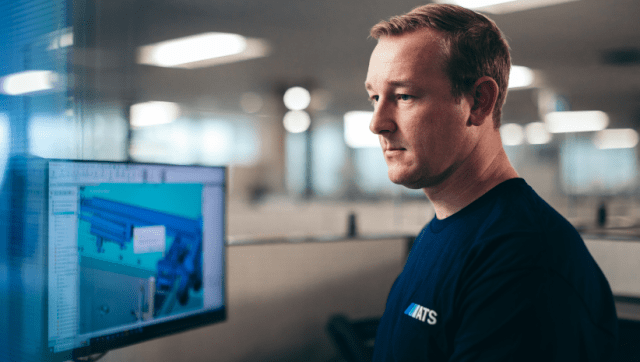
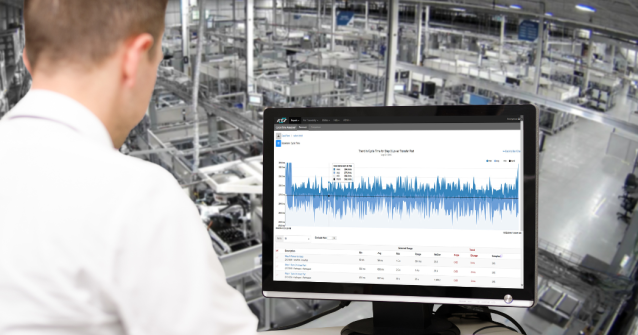
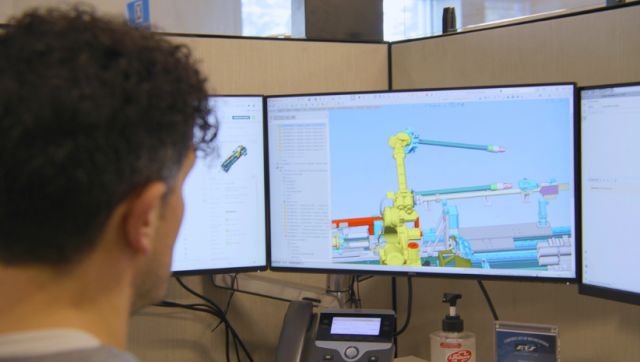
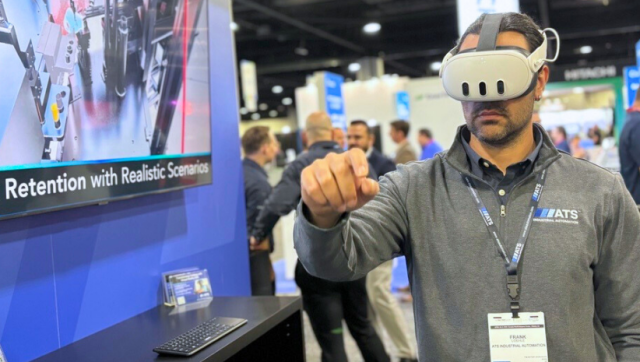
Digitalization supports manufacturing after processes are defined. Digital tools allow teams to simulate, test, and validate manufacturing systems before hardware installation.
Common digital applications include:
- Process simulation to validate throughput and material flow
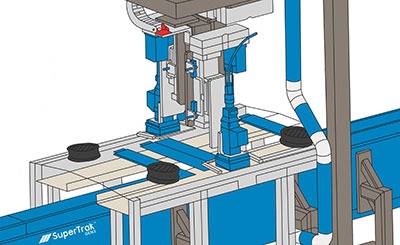
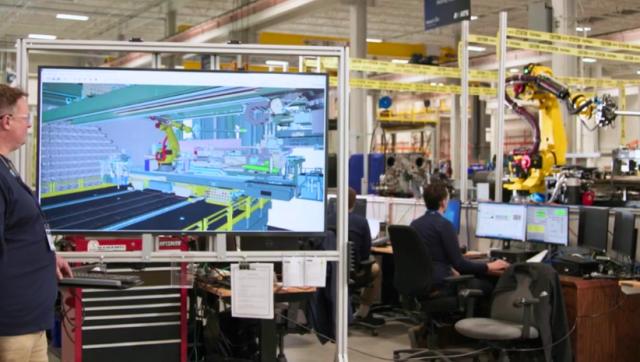
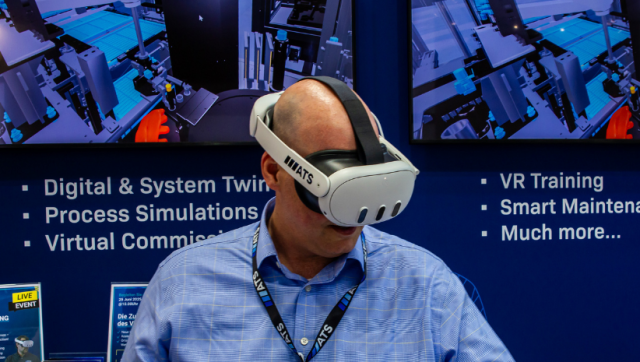
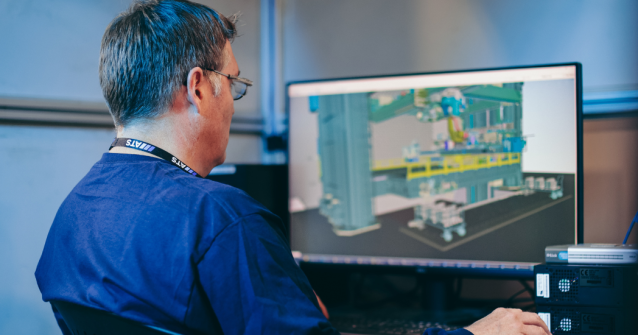
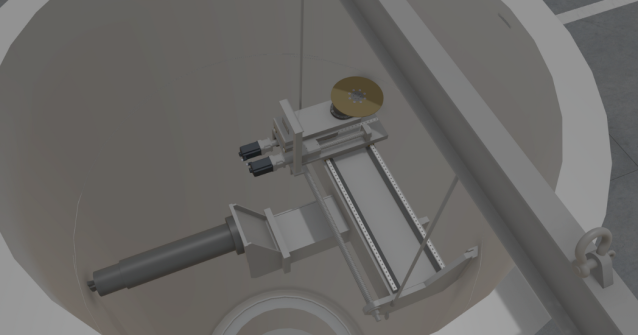
- Digital twin and system twin modelling of full production lines
- Virtual commissioning to reduce on site debug time
- Digital validation support for regulated products
System twins extend beyond individual machine simulation to represent complete production systems, enabling early testing and informed decision making.
In high-speed precision assembly programs such as toothbrush manufacturing machines, these tools support evaluation of cycle time, collision risk, inspection strategies without consuming physical parts.
Aligning Pre-Automation and Digital Manufacturing Strategy
Strong outcomes occur when pre-automation and digital tools operate as a coordinated strategy. Pre-automation defines process requirements and risk. Digital tools validate those decisions at the system level.
This alignment supports:
- Earlier confidence in technology selection decisions
- Reduced rework during equipment build
- Faster ramp up in electric toothbrush factory programs
- Improved alignment between research and development and manufacturing teams
Automation roadmaps that integrate digital tools early support long term scalability and production stability.
FAQs
What Is Pre-Automation in Consumer Product Manufacturing
Pre-automation is an early manufacturing phase focused on process development, technical risk assessment, and validation planning before equipment design.
How Do Digital Twins Support Electric Toothbrush Manufacturing Programs
Digital twins and system twins simulate machines and full factory production lines so you can test throughput, collision risk, and quality strategies before installation.
Why Does Design for Assembly Matter in Toothbrush Manufacturing
Design for assembly aligns product design with scalable production methods, reducing defects and supporting faster ramp up.
How Does Digitalization Reduce Time to Market for Consumer Personal Care Products
Digitalization enables virtual testing and validation, which reduces on site commissioning time and launch risk.
Build A Smarter Manufacturing Strategy for Your Next Consumer Personal Care Product
Launching a new consumer personal care product requires more than speed. Programs need a technology strategy that reduces risk while supporting rapid scale. Pre-automation and digital manufacturing tools enable early process validation, alignment between research and development and production, and faster time to market with greater confidence.
Whether developing an electric toothbrush factory, scaling toothbrush manufacturing machines, or launching a new consumer electronics manufacturing program, ATS supports teams from early risk assessment through full production.
Talk with an ATS expert to discuss how pre-automation and digital tools support your next consumer product manufacturing program.
Every project is unique. Allow us to listen to your challenges and share how automation can launch your project on time.

Ryan Tavares
Director, Pre-Automation Services
ATS Industrial Automation
For over 20 years, Ryan has helped top-tier manufacturers and industry innovators transform their operations through automation and process optimization. Ryan empowers manufacturing businesses to enhance efficiency, improve product quality, and scale production to drive sustainable growth and maximize returns.