

Consumer electronics manufacturing operates on tight schedules, short product lifecycles, and aggressive volume targets. When electronic assembly lines miss availability, performance, or quality targets, OEE manufacturing performance declines quickly. Missed output goals, schedule overruns, and unplanned downtime follow.
If you manage electronics manufacturing or PCB assembly operations, improving OEE requires more than dashboard visibility. You need a clear understanding of where losses occur and practical ways to remove them from your PCB manufacturing process.
This article outlines common OEE pain points in electronics manufacturing and explains how reliability engineering and high-speed assembly systems improve OEE performance at scale.
OEE Is the Gold Standard for Measuring Productivity
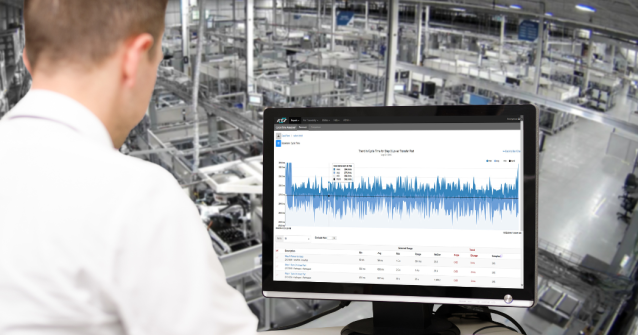
Overall Equipment Effectiveness (OEE), measures how well manufacturing assets perform against their full potential. In electronic assembly, OEE reflects three core factors.
- Availability: Unplanned downtime, changeovers, and maintenance issues reduce available run time.
- Performance: Cycle time losses and slowdowns prevent lines from meeting volume targets.
- Quality: Defects, rework, and scrap reduce good output, especially in PCB manufacturing assembly.
OEE matters because it ties production losses directly to output. Electronics manufacturers use OEE improvement programs to connect downtime, quality escapes, and throughput constraints to operational results.
Common Causes of Machine Unavailability in Electronics Manufacturing
Electronic assembly lines face availability challenges driven by precision requirements and high product mix.
Common causes include:
- Equipment wear from high‑speed motion.
- Inconsistent part presentation in PCB assembly.
- Manual interventions during changeovers.
- Late detection of equipment failure.
- Testing and inspection bottlenecks.
Unplanned downtime often traces back to equipment reliability and weak integration between stations. These factors directly impact OEE performance and schedule adherence.
How Reducing Line Downtime Improves OEE Performance
Downtime reduction improves availability, one of the three pillars of OEE manufacturing. In consumer electronics, even brief stoppages can compound across shifts and product families causing a concerning drop in throughput.
Electronics manufacturers improve uptime by:
- Identifying repeat failure modes through structured reliability assessments.
- Addressing root causes instead of band aid solutions for symptoms.
- Standardizing maintenance and spare part strategies.
- Designing automation systems for access and serviceability.
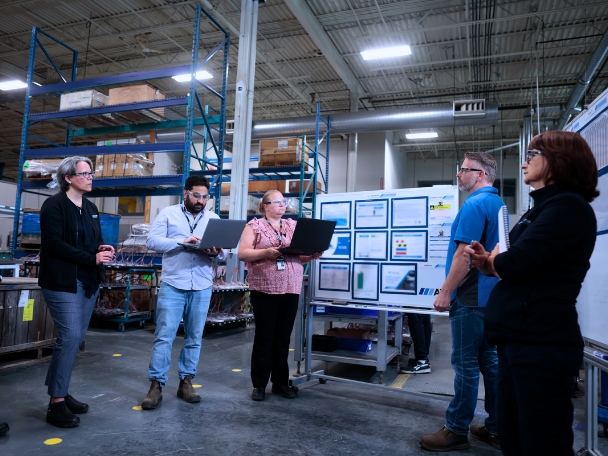
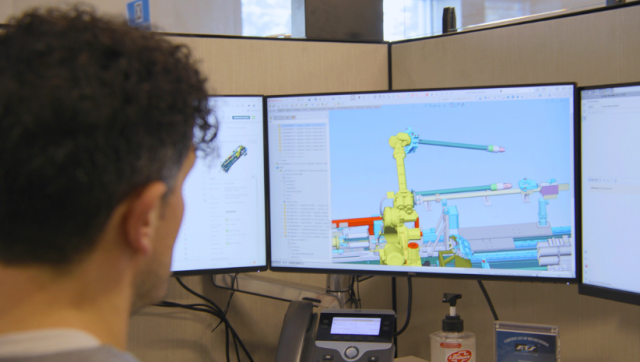
To help with this, reliability engineering assessments focus on failure patterns before production ramp up, reducing downstream downtime and schedule overruns.
Driving OEE Improvement Through Reliability Engineering
Reliability engineering addresses losses before production begins. Rather than reacting to downtime, manufacturers identify where failures are likely to occur.
Reliability engineering assessments focus on:
- Failure mode analysis.
- Maintenance strategy development.
- Spare part optimization.
- Design for maintainability.
This approach improves OEE manufacturing outcomes by reducing unplanned downtime and stabilizing performance across product ramps.
Hitting Volume Targets in High‑Mix Electronic Assembly
Meeting volume targets depend on a consistent cycle time and stable flow. When lines slow, manufacturers extend shifts, add labor, or miss ship dates.
High‑speed assembly systems reduce cycle time variability by:
- Maintaining precise motion at high throughput.
- Reducing manual handling in PCB manufacturing processes.
- Enabling parallel operations within compact footprints.
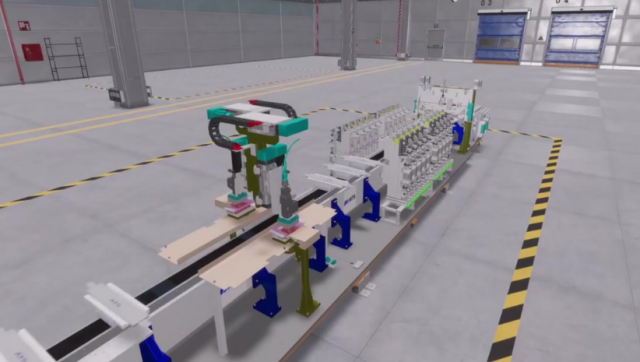
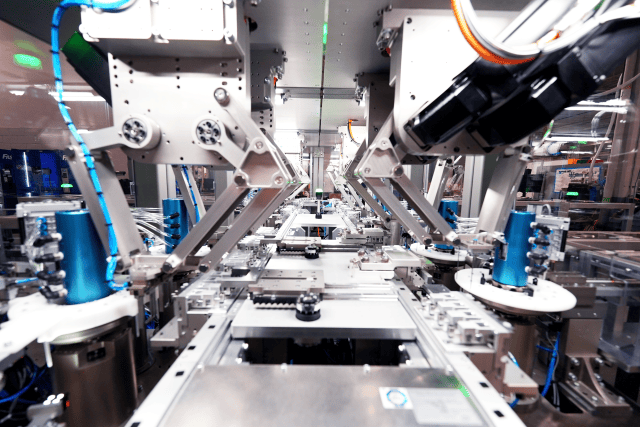
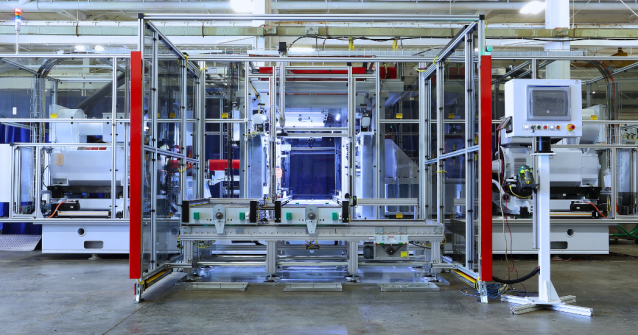
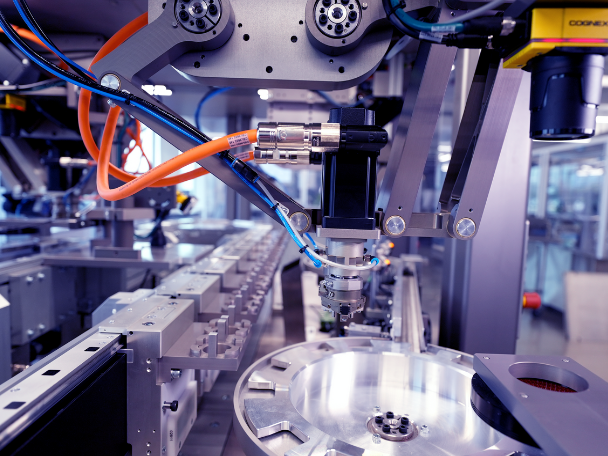
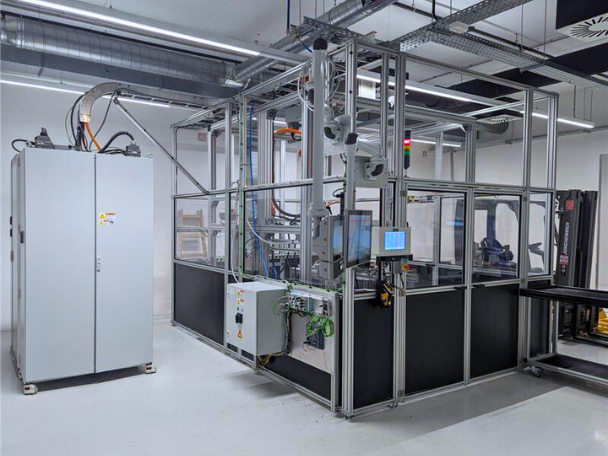
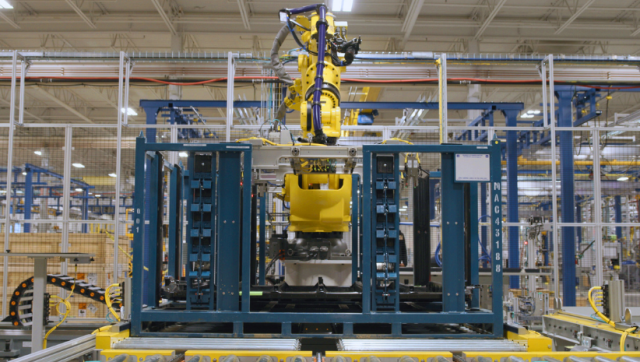
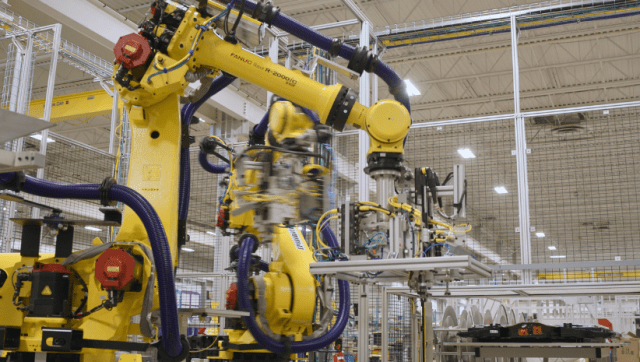
ATS’ high‑speed assembly platform Symphoni™ supports electronics manufacturing lines that require speed without compromising quality.
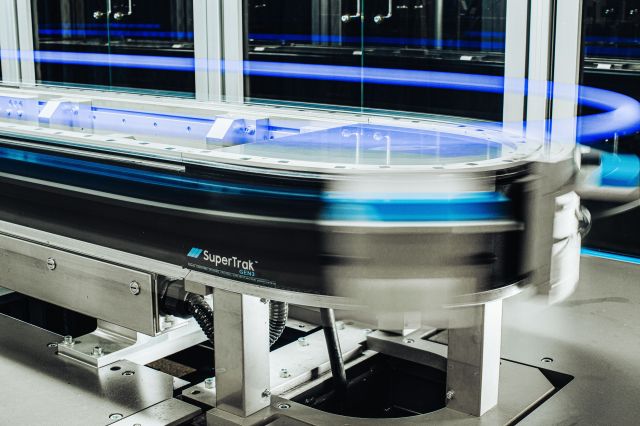
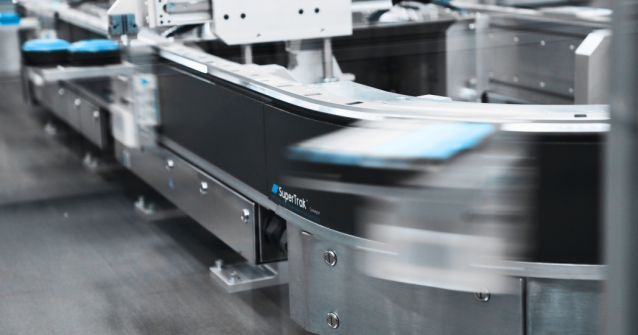
Improve Cycle Time with SuperTrak CONVEYANCE™ & Symphoni
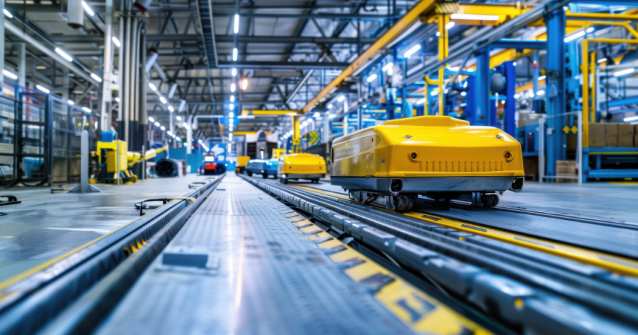
Traditional conveyors limit flexibility and speed in electronic assembly. Pallet based systems struggle with accumulation, spacing, and recovery after faults.
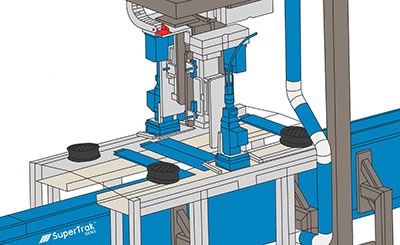
SuperTrak CONVEYANCE™ on the other hand, improves OEE performance by:
- Allowing independent shuttle control.
- Maintaining tight part spacing at high speeds.
- Enabling faster recovery after stoppages.
- Supporting dynamic routing for mixed product lines.
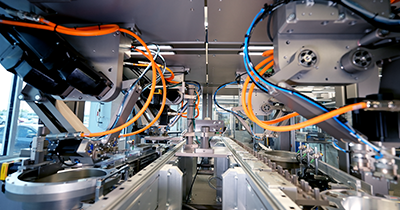
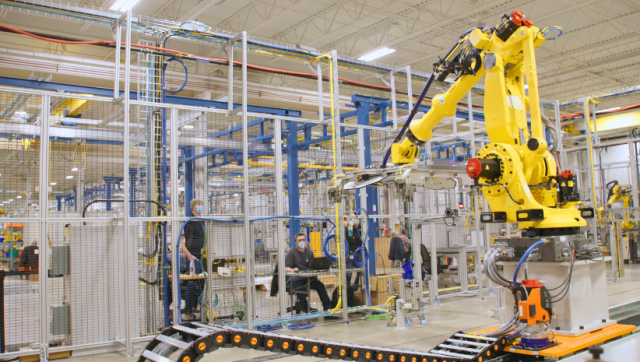
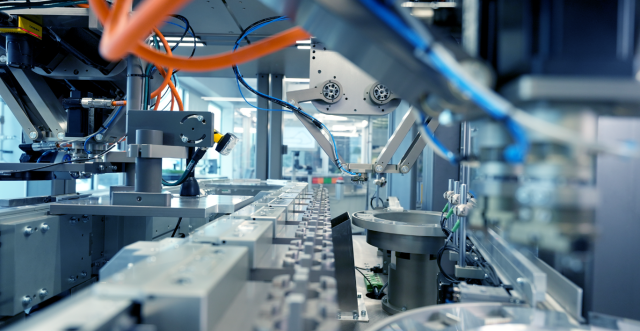
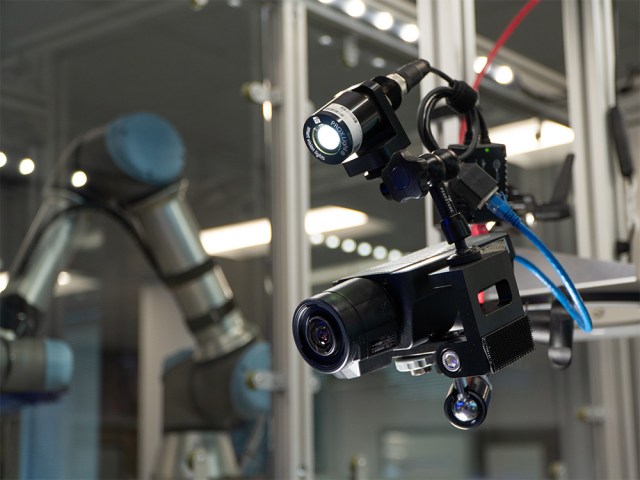
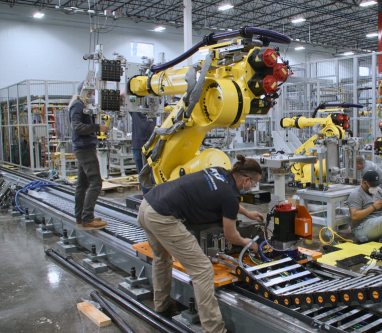
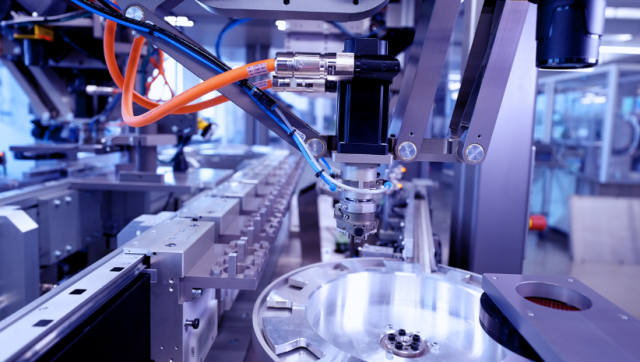
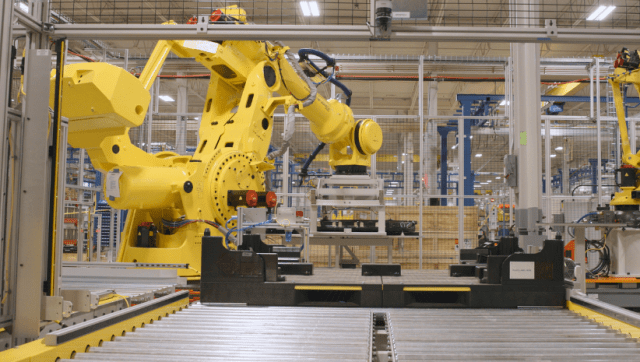
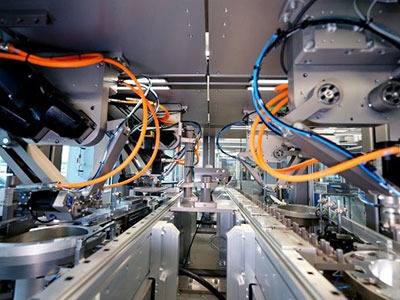
Symphoni™ automation platforms combine precision motion, integrated controls, and modular assembly to support fast cycle times across PCB assembly and final electronic assembly operations.
Key Benefits for Electronics Manufacturers who Invest in OEE Improvements
Electronics manufacturers that invest in OEE improvement strategies achieve clear operational gains.
You improve OEE by reducing downtime, stabilizing cycle time, and improving quality. Reliability engineering assessments and high-speed assembly systems directly support these outcomes. These include:
- Higher line availability.
- Improved schedule adherence.
- Higher throughput.
- Reduced quality escapes and rework.
- Lower cost per unit.
Automation partners with electronic assembly experience help align system design with OEE performance targets.
FAQs
How do you improve OEE production in electronics manufacturing?
You improve OEE by reducing downtime, stabilizing cycle time, and improving quality. Reliability engineering assessments and high-speed assembly systems directly support these outcomes.
What is a good OEE in manufacturing?
A good OEE varies by industry. Electronics manufacturing often focuses on continuous improvement rather than a fixed target due to high product mix and complexity.
What is OEE in the semiconductor industry?
In semiconductor manufacturing, OEE tracks equipment utilization, throughput, and yield. The metrics mirror electronic assembly but carry higher sensitivity to downtime and defects.
How does OEE improve efficiency in electronic assembly?
OEE improves efficiency by linking downtime, speed losses, and defects to output. This visibility helps teams prioritize improvements that increase throughput and schedule reliability.
Building OEE Resilience Across Consumer Electronics Manufacturing
Improving OEE in electronics manufacturing requires deliberate action across reliability, speed, and system design. Short product lifecycles, rising volume targets, and limited recovery time leave little margin for error. OEE improvement succeeds when teams treat availability, performance, and quality as connected drivers of output rather than isolated metrics.
Reliability engineering assessments reduce repeat failures before production ramps. High speed assembly platforms and advanced conveyance systems support fast cycle times while maintaining control across electronic assembly and PCB manufacturing processes. Together, these approaches reduce line downtime, limit schedule overruns, and support consistent volume achievement across product variants.
When automation strategy, maintenance planning, and line architecture align with OEE manufacturing goals, operations gain predictability. Output stabilizes. Downtime declines. Quality issues surface earlier. These outcomes support long term competitiveness in consumer electronics manufacturing where speed and consistency define success.
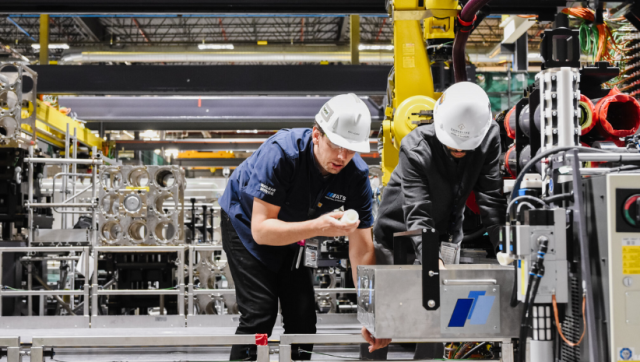
ATS Industrial Automation reliability engineering experts help electronics manufacturers identify these losses and prioritize practical improvements for the line. Discuss your OEE improvement priorities with a reliability engineering expert.
Every project is unique. Allow us to listen to your challenges and share how automation can launch your project on time.

Joe Brown
Business Development Specialist
ATS Industrial Automation
Joe helps companies of all kinds to automate and scale production using bespoke automated assembly, test, and conveyance systems.