

Battery technology is expanding well beyond the automotive market. New applications in consumer products, drones, humanoid robotics, energy storage, and other emerging technologies are creating demand for batteries that are smaller, more specialized, more configurable, and increasingly integrated into the product itself.
For manufacturers, developing and integrating the battery into the product design is only part of the challenge. The next question is how that battery will be produced consistently, efficiently, and at scale.
That is where the timing of automation involvement matters.
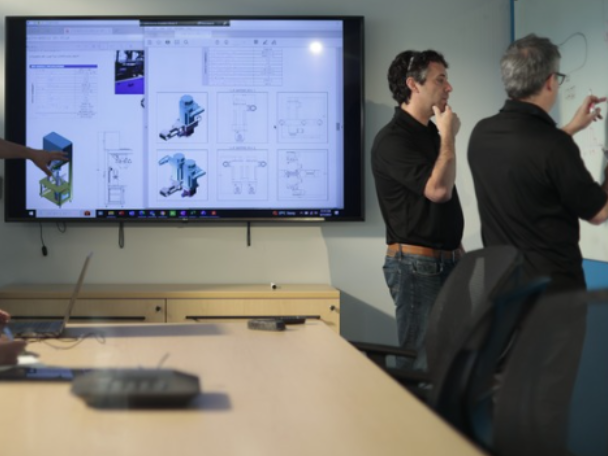
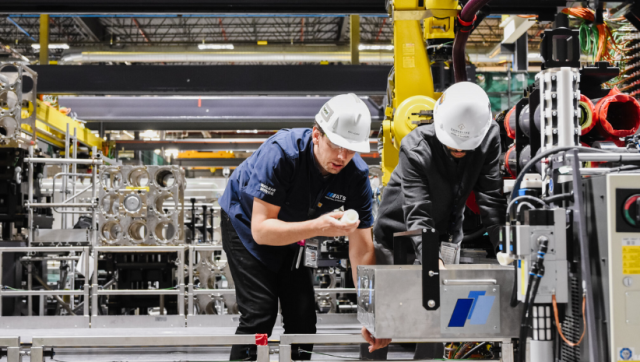
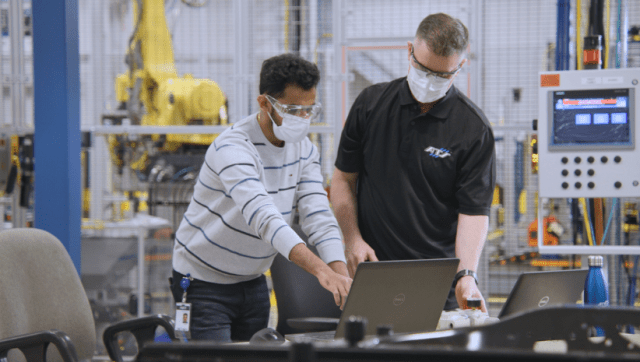
Manufacturing teams that bring an automation partner into the design phase early in the process can identify manufacturability concerns before they become long term production problems. By considering product design, process requirements, automation, testing, and scalability together, manufacturers can optimize their product designs early—when changes are generally easier and less costly to make.
Decades of experience developing automation for battery manufacturing have provided valuable insight into what can make the transition from product development to production easier—or more difficult. Here are some of the lessons learned that may help manufacturers identify potential challenges earlier, make informed design decisions, and build a clearer path to scalable production.
Design for Manufacturing (DFM) Starts Before the Production Line
A product that can be assembled manually or produced successfully at low volumes does not necessarily translate into a repeatable, scalable automated process.
Design for manufacturability and assembly (DFMA) brings manufacturing considerations into the product design process early. The objective is to simplify assembly, improve quality, reduce production risk, and create a product that can be manufactured efficiently at the required volume.
For battery manufacturers, this can mean evaluating questions such as:
- Can components be consistently located and handled by automated equipment?
- Are interfaces, tolerances, and features suitable for automated assembly?
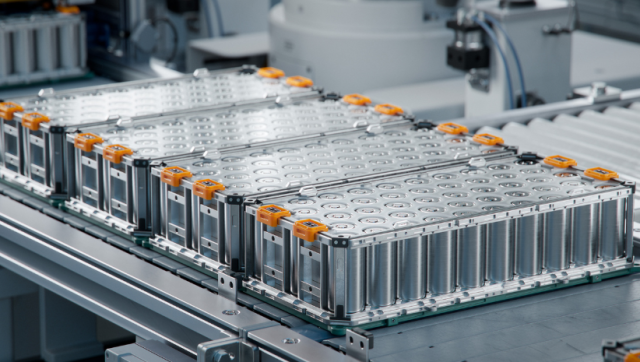
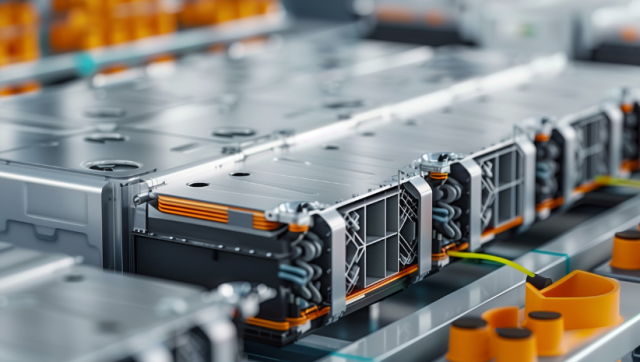
- How will cells, modules, packs, electronics, thermal management components, or enclosures be assembled and tested?
- Where are the most challenging processes likely to occur?
- How will the design accommodate future product variants or changes?
- What level of automation makes sense at each stage of production?
These questions are much easier to address before a product design and manufacturing process are fully defined.
Automation Experience Can Influence Better Product Decisions
An automation partner can bring a perspective that may not exist within a product engineering or R&D team.
Instead of looking only at whether a battery can be manufactured, an experienced automation partner can evaluate how it can be repeatably manufactured at the required cycle time, quality level, and production volume.
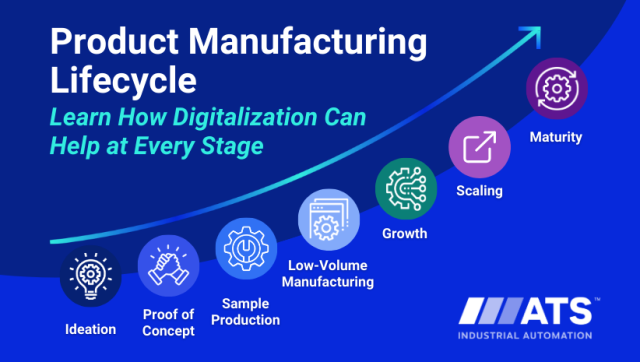
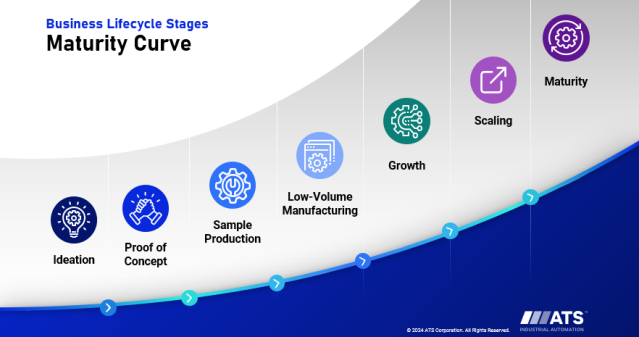
That perspective becomes particularly valuable as manufacturers move from prototype builds into production. Experience has shown that moving directly from manual or low-volume assembly to automated production can introduce significant challenges, particularly when automation requirements were not considered early.
Early involvement creates an opportunity to identify those challenges while there is still flexibility in the design and process.
Pre-Automation: Validate Before You Automate
Early engagement does not necessarily mean committing to a production line before the product is ready.
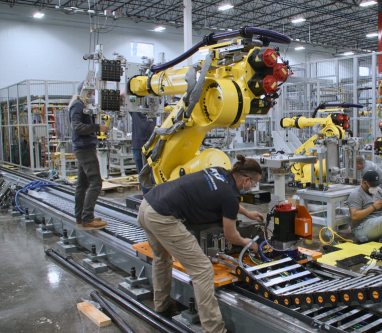
Pre-automation provides a structured way to evaluate manufacturing processes, establish requirements, assess risk, and validate critical operations before significant automation investment is made. Proof-of-principle work can be used to test high-risk processes and generate better inputs for subsequent automation development.
For battery manufacturing, this approach can help answer important questions before equipment is designed:
- What should be automated?
Not every operation needs the same level of automation. A process review can identify where automation delivers the greatest value and where flexible or manual processes may make more sense during early production. - What performance is achievable?
Cycle time, throughput, quality requirements, and process capability can be evaluated before equipment is designed around unsubstantiated assumptions. - What needs to change?
Pre-automation can uncover design or process changes that may make downstream automation simpler, more reliable, or more scalable. - How should the automation evolve?
A staged roadmap can provide a practical path from manual or semi-automated production toward higher levels of automation as volumes and product maturity increase.
Digital Tools Let Manufacturers Test the Process Before Building It
Digitalization adds another layer to early manufacturing planning.
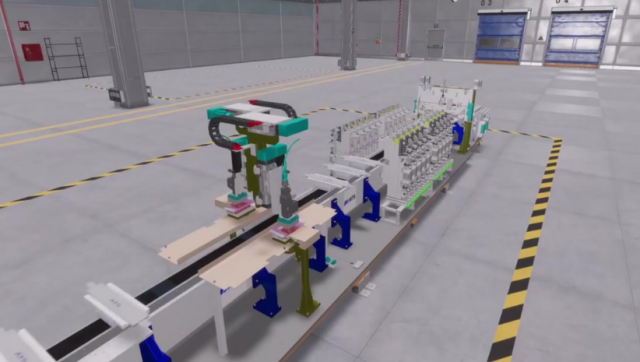
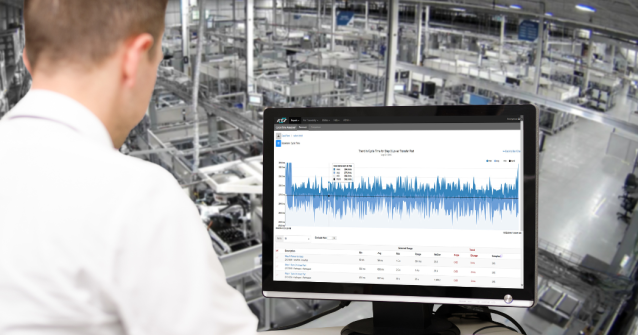
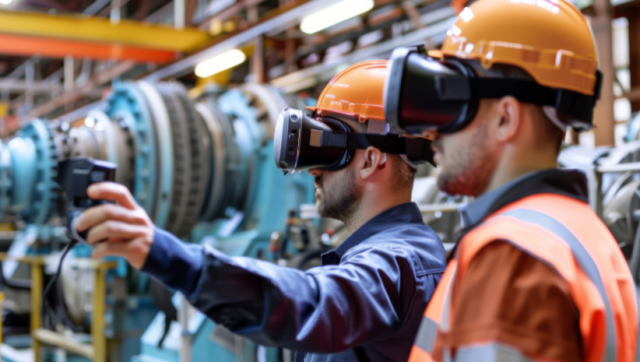
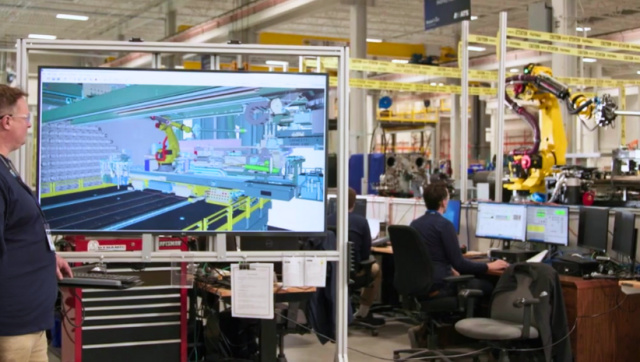
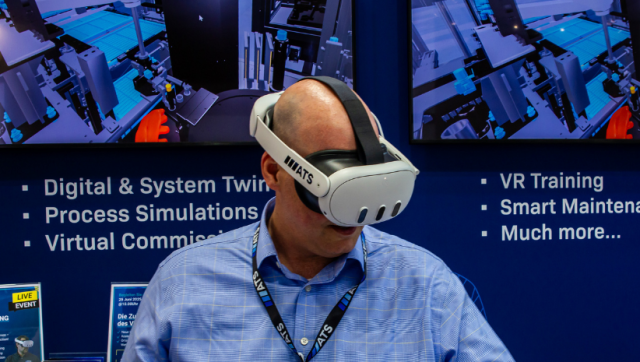
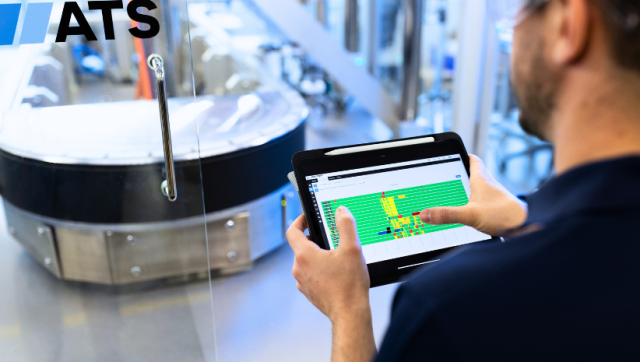
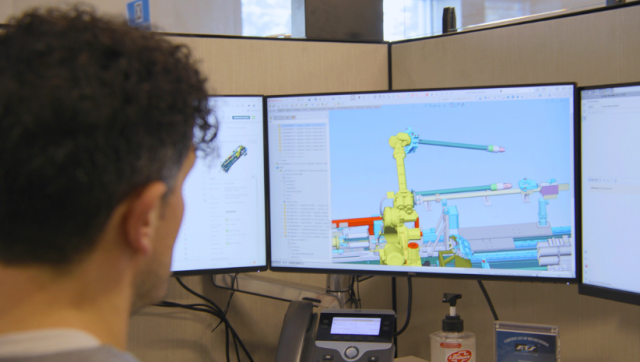
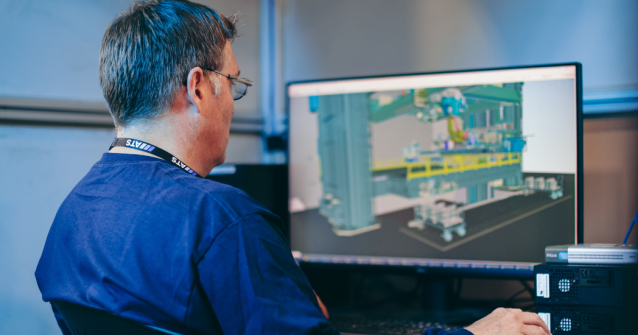
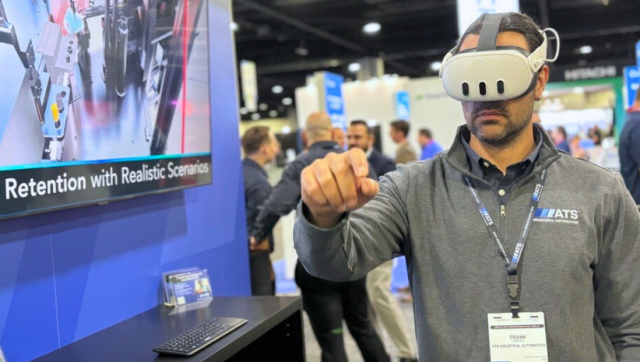
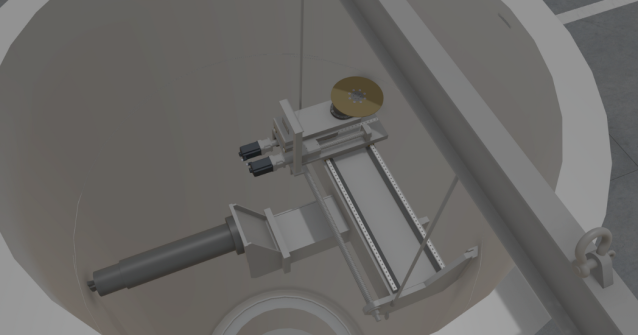
Simulation, digital twins, and virtual commissioning can allow engineering and manufacturing teams to evaluate a process before the physical production system is built. These tools can help teams examine material flow, cycle times, equipment interactions, process sequencing, and potential bottlenecks while changes can still be made efficiently.
This becomes increasingly important as battery manufacturing systems become more complex.
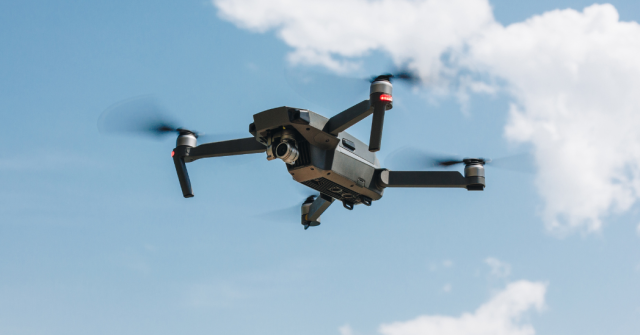
For example, a drone or humanoid manufacturer developing a new battery format or aligning on the right battery for their product is most likely still refining the product while simultaneously trying to determine its future production requirements. A digital model can provide a way to evaluate different process concepts and automation approaches without committing prematurely to physical equipment.
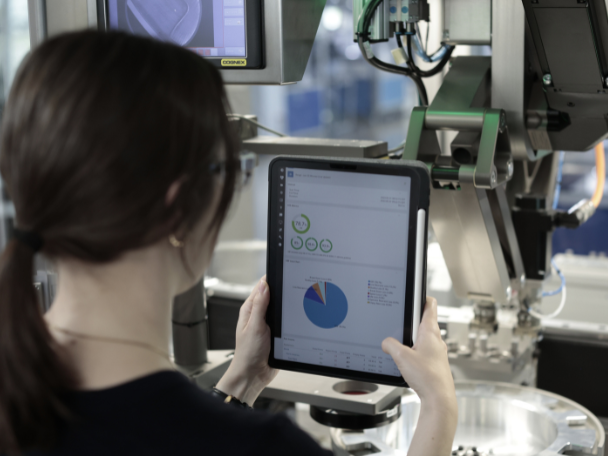
The same principle applies in high-volume consumer product manufacturing. CPG manufacturers operate under pressure to maintain consistent quality, meet demanding cycle times, and accommodate product updates. Flexible automation platforms and digital tools can help manufacturers scale while maintaining production stability.
Applying Automotive Battery Lessons to New Markets
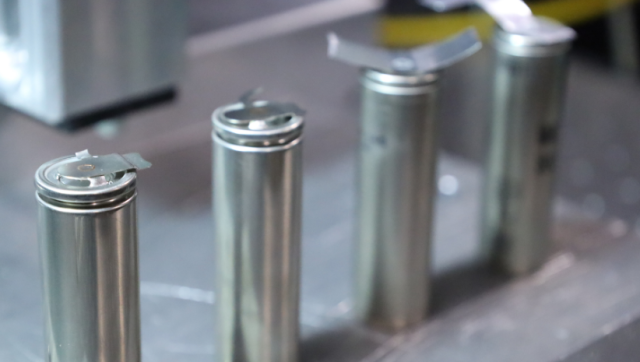
Automotive battery manufacturing provides a valuable foundation for emerging battery applications because many of the underlying manufacturing challenges remain relevant: repeatability, precision, traceability, testing, cycle time, material handling, and scalability.
But the solution cannot simply be transferred from automotive to another industry.
A battery for a drone may need to accommodate frequent product changes and multiple configurations. A battery integrated into a humanoid robot may need to fit within an evolving system architecture while supporting future production scale. A consumer product may require extremely high volumes, tight cost targets, and consistent quality.
The common requirement is the ability to design a manufacturing process that can evolve with the product.
That is where early automation engagement can provide value. By combining application experience with process engineering, pre-automation, digital tools, and automation expertise, manufacturers can develop a production strategy around the product—not try to retrofit the product around a production line.
The Earlier the Conversation, the More Options You Have
Engaging an automation partner early is not about deciding on equipment too soon. It is about making manufacturing part of the product development conversation.
The earlier that conversation begins, the more opportunity there is to:
- Design the product for automated assembly.
- Identify and validate high-risk processes.
- Establish realistic cycle time and throughput targets.
- Evaluate automation strategies and levels.
- Simulate manufacturing processes before investing in equipment.
- Plan for product variants and future scale.
- Improve RFQ and equipment requirements.
- Reduce redesign, rework, and launch risk.
The goal is not simply to automate faster. It is to create a better path to production.
For manufacturers in emerging markets, that can mean the difference between discovering manufacturing challenges early while there is still time to design them out vs. trying to address them during scale-up and encounter costly delays.
Build the Manufacturing Strategy Into the Product From the Start
Manufacturers developing the next generation of products cannot afford to separate product development from manufacturing strategy.
By involving an automation partner during the design phase, teams can bring production expertise into the conversation earlier, use digital tools to validate decisions, and establish a scalable roadmap before major capital commitments are made.
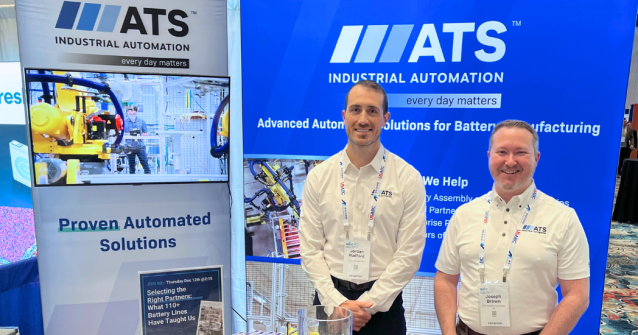
ATS brings decades of automation experience and extensive battery manufacturing expertise from the automotive industry to help manufacturers apply these lessons to emerging applications—from consumer products and drones to humanoid robotics and beyond.
The best time to think about automation is before you need to automate. Talk to one of our experts today.
Every battery automation project is unique. Allow us to listen to your challenges and share how automation can launch your project on time.

Joe Brown
Business Development Specialist
ATS Industrial Automation
Joe helps companies of all kinds to automate and scale production using bespoke automated assembly, test, and conveyance systems.