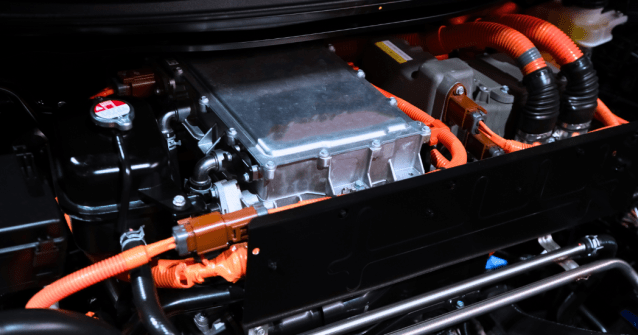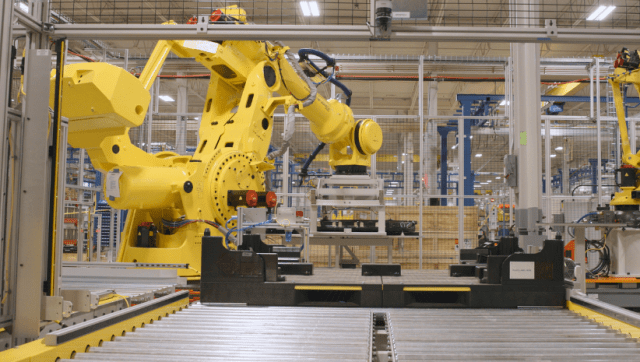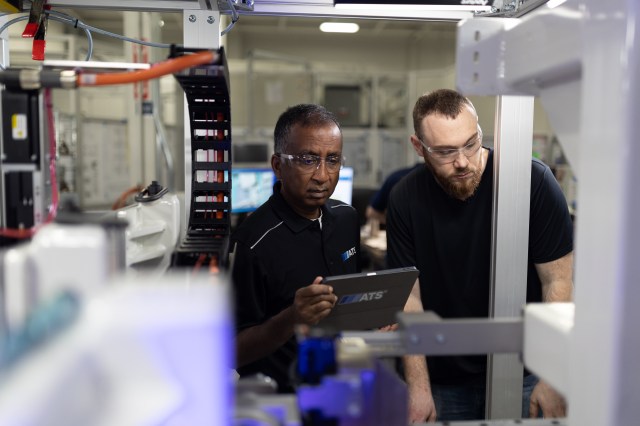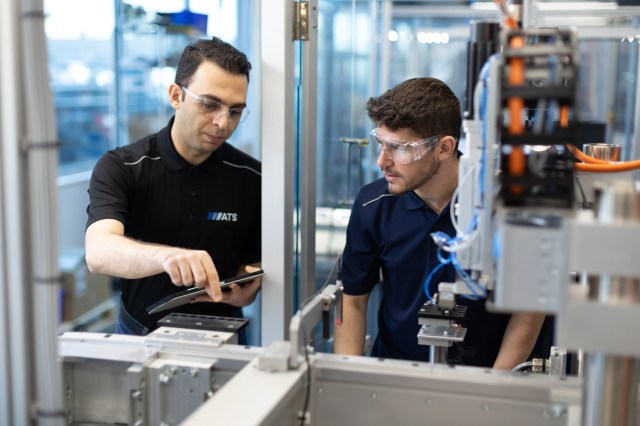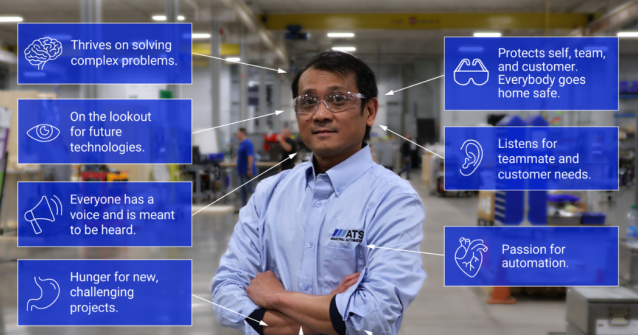


As electrification continues to expand across industrial markets, demand for electric motors continues to grow. Motors serve as critical components in products such as industrial pumps, compressors, conveyor systems, HVAC equipment, robotics, and material handling systems. As manufacturers respond to higher demand and evolving product requirements, production systems must scale without introducing quality risks or operational inefficiencies.
Unlike automotive programs, industrial electric motor production often involves a broader mix of motor designs, fluctuating volumes, and varying customer requirements. Production lines must support growth while maintaining assembly precision, testing coverage, traceability, and process consistency across multiple product configurations.
Scaling production becomes more manageable when expansion is built into the manufacturing strategy from the start. Teams that design for future growth create production systems that maintain repeatability and throughput as volume increases. Simulation and modular machine concepts support this approach by enabling controlled capacity expansion without introducing unnecessary variability.
Meeting the Challenges of Scaling in Electric Motor Manufacturing
Electric motor production includes tightly connected processes such as winding, magnet handling, press fits, rotor and stator assembly, and end-of-line testing. As throughput increases, small variations in any step affect quality across the full line.
Common scaling challenges include:
- Quality drift when adding parallel stations.
- Floor space constraints that limit expansion.
- Long lead times for new automation equipment.
- Training gaps as teams change or expand.
- Manual stations that limit automated production rates.
Production delays and quality issues often trace back to early design decisions. Lines designed only for initial volume targets require rework, added validation, and schedule adjustments during expansion. Early manufacturing planning helps reduce these risks.
Scaling Through Simulation-Driven Line Design
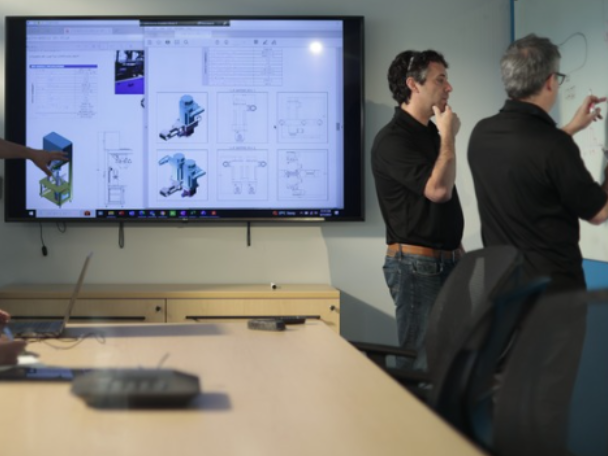
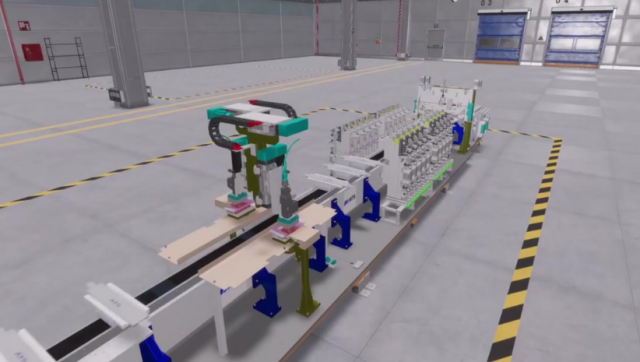
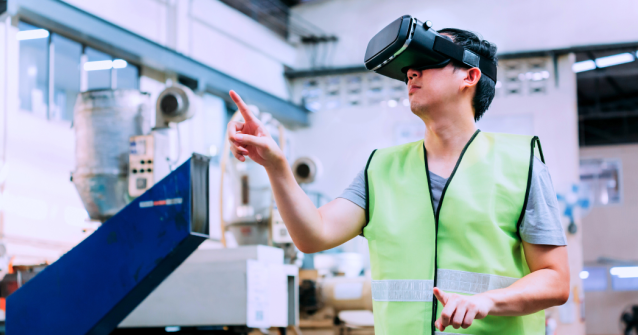
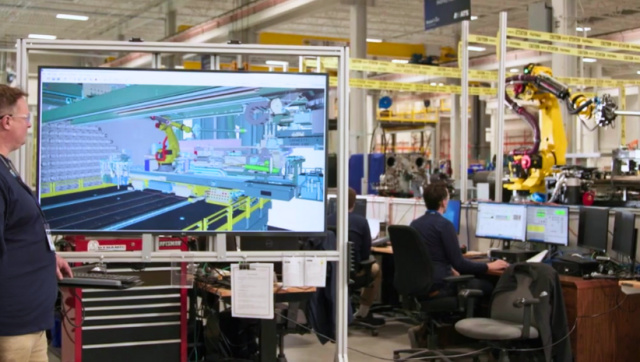
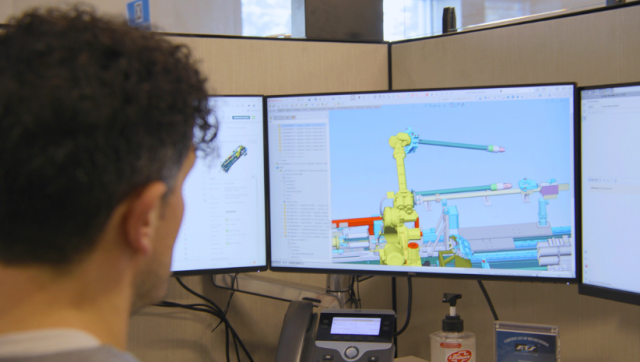
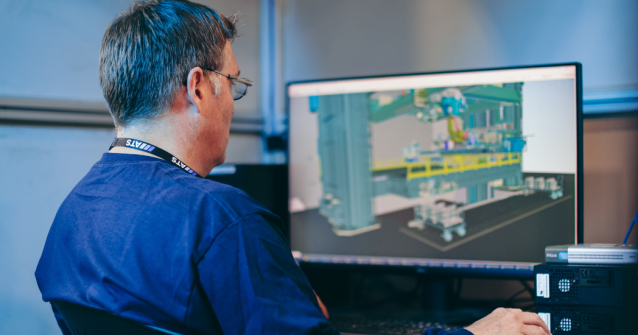
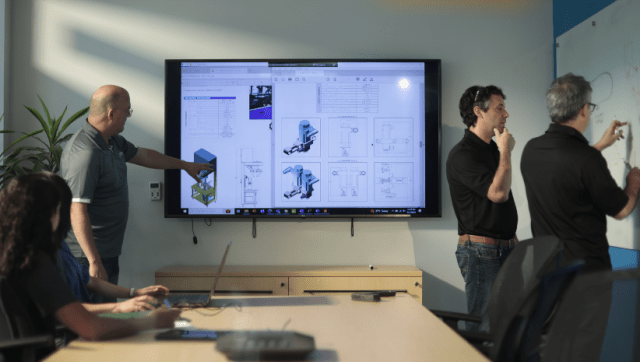
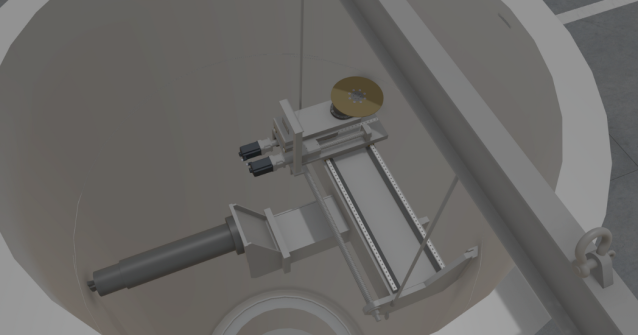
Simulation validates production performance before equipment is installed. Teams can test different scenarios and adjust line design before ramp-up begins.
Simulation supports scalability by enabling teams to:
- Validate cycle times at higher volume targets.
- Identify bottlenecks before commissioning.
- Evaluate parallelization strategies without disrupting production.
- Confirm inspection coverage at higher speeds.
- Test fault recovery logic under different conditions.
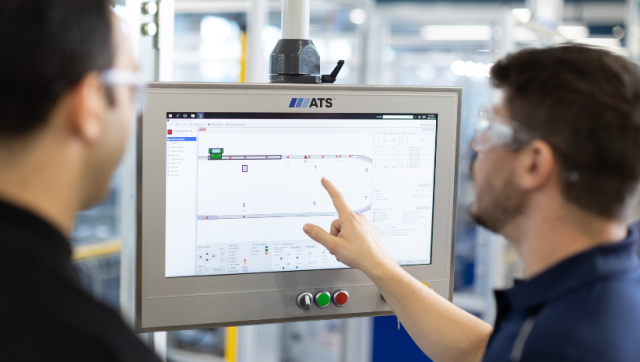
System-level simulation can model interactions between machines, parts, operators, and controls. This maintains process limits and quality checkpoints as throughput increases.
A validated digital model also supports repeatable deployment across sites. Teams can apply a consistent baseline to maintain quality across regions.
Modular Machine Concepts for Scalable Production
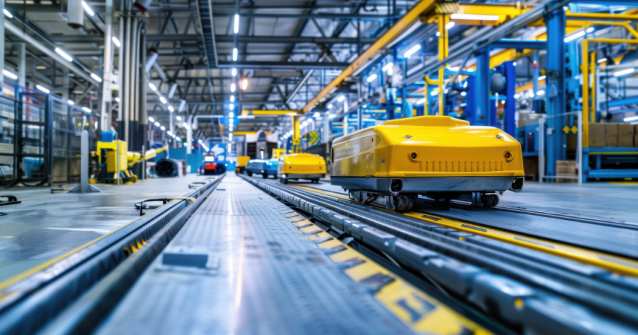
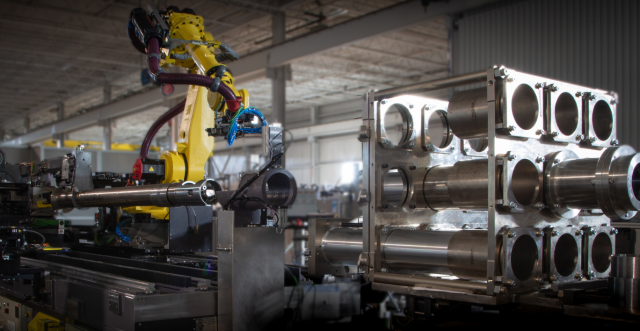
Modular machine concepts address one of the most common constraints in scaling. Fixed production lines require redesign when demand changes, but modular systems use standardized stations that are replicated as volume increases.
Modular production supports scalability by providing:
- Faster capacity expansion through repeatable stations.
- Consistent quality control logic across the line.
- Reduced commissioning time for additional capacity.
- Simplified maintenance and spare parts strategies.
- Flexibility to support product variation.
In electric motor production, modular systems support both volume growth and product changes. Additional stations are introduced without requalifying the full line, which helps maintain quality and reduce disruption when scaling manufacturing lines.
Maintaining Quality Control at Higher Volumes
Quality systems must evolve with throughput. As line speeds increase, inspection windows narrow and manual checks introduce variability. Automated inspection helps to improve consistency across production.
Effective approaches include:
- In-line vision inspection operating at full line speed
- Automated electrical and mechanical testing at multiple stages.
- Traceability for each motor and subassembly.
- Integration with manufacturing operations management systems.
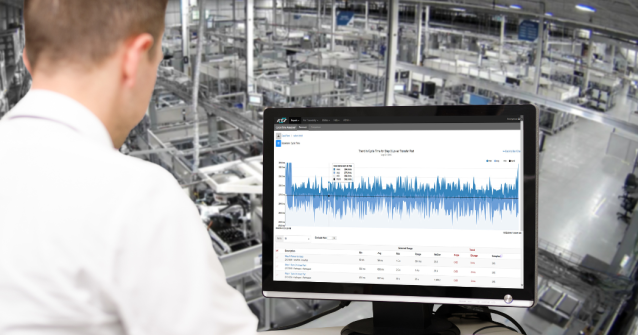
Connected production data enables faster response to quality trends. Inspection results, testing data, and process metrics identify issues early and reduce defect propagation as output increases.
Training and Workforce Considerations
Scaling production increases system complexity for operators and maintenance teams. Training must align with this change.
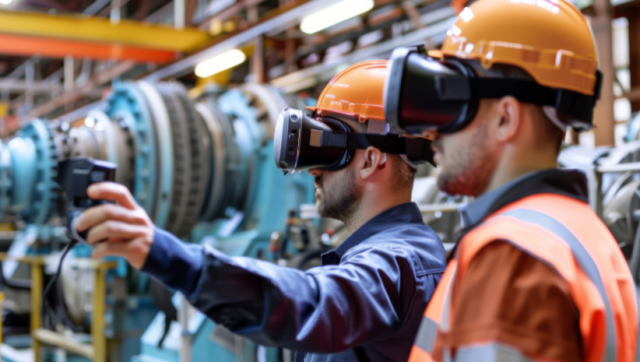
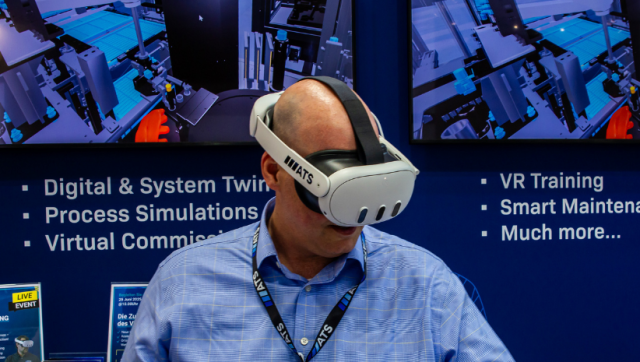
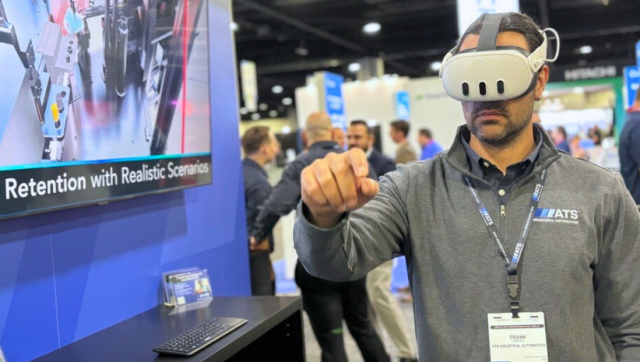
Digital training environments support:
- Training before equipment installation.
- Reduced errors during ramp-up.
- Consistent procedures across shifts and sites.
- Maintenance training without interrupting production.
These approaches reduce variability linked to workforce changes and support consistent performance.
Electric Motor Production Planning and Automation Roadmaps
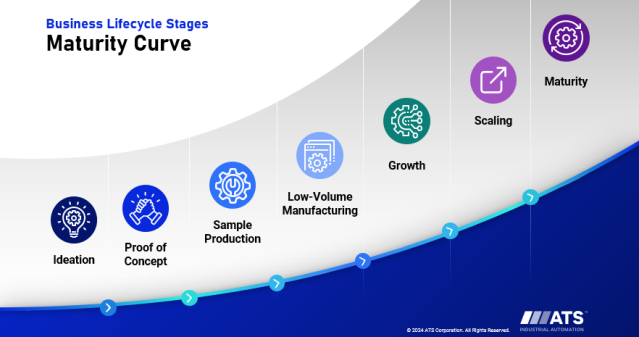
Scalable manufacturing requires a defined automation roadmap. Growth targets, product changes, and quality requirements must align before capacity expands.
An effective roadmap addresses:
- Short- and long-term volume targets.
- Modular expansion strategies.
- Quality control requirements at each scale phase.
- Digitalization and data integration milestones.
Production optimization supports competitive positioning by controlling unit costs as output increases. Manufacturers who align scalability with early planning avoid rework, schedule risk, and quality degradation.
FAQs
How Do Electric Motor Manufacturers Scale Production Without Losing Quality?
Manufacturers scale production by combining simulation, modular automation, and automated quality control. These approaches maintain consistent processes as throughput increases.
What Role Does Simulation Play in Electric Motor Manufacturing?
Simulation validates cycle times, bottlenecks, and quality checks before equipment installation, reducing risk during ramp-up and expansion.
Why Are Modular Production Lines Important for Electric Motor Manufacturing?
Modular lines allow you to add capacity using standardized stations, protecting quality, and reducing downtime during expansion.
How Does Automation Support Quality Control in High-Volume Motor Production?
Automation enables in-line inspection, repeatable testing, and real-time data collection that maintains quality standards at higher speeds.
What Are the Biggest Risks When Scaling an Electric Motor Production Line?
Late design changes, manual bottlenecks, limited training, and poor data visibility create the highest risk during scaling.
Building For Scale Without Compromising Quality
Scaling electric motor production requires early alignment between design, validation, and automation strategy. Simulation provides visibility into future performance. Modular machine concepts enable expansion without full line requalification. Automated quality systems maintain consistency across production.
These approaches support production teams increasing output while maintaining control across operations.
If you are planning to scale an electric motor production line or preparing for higher volumes, now is the right time to evaluate your line architecture, validation strategy, and expansion roadmap.
Talk with one of our automation experts to assess how simulation and modular machine concepts support scalable electric motor manufacturing while maintaining quality across your production line.
Every automation project is unique. Allow us to listen to your challenges and share how automation can launch your project on time.

Marco Melischko
Director Sales
ATS Industrial Automation
With a background in mechanical engineering and deep experience in special machines and automation systems, Marco helps manufacturers develop tailored solutions that drive performance and long-term success. His career spans roles in design, project management, and product line leadership, with a strong focus on strategic sales and customer partnerships.