

Protect availability, throughput, and quality across the full equipment lifecycle.
Manufacturing assets change as run hours accumulate. Wear, configuration drift, and incremental fixes reduce performance long before a line stops running. Asset management in manufacturing requires a structured approach that maintains assets within their original design intent while supporting operational priorities over time.
ATS Industrial Automation provides a range of asset management services that help manufacturers move from reactive maintenance to coordinated lifecycle control. The focus shifts from keeping equipment running to managing performance, risk, and investment with clarity and accountability.
When Asset Performance Starts to Decline
As assets age, performance loss often goes unnoticed. Lines remain operational, but underlying issues reduce efficiency, increase risk, and place growing strain on maintenance teams.
Common Challenges Include:
Declining OEE without a clear root cause.
Maintenance activity focused on keeping equipment running instead of restoring performance.
Preventive maintenance programs disconnected from actual asset condition.
Inconsistent maintenance practices across lines, shifts, or sites.
Limited visibility into asset risk, remaining life, and improvement priorities.
These conditions make it difficult to prioritize work, justify investment, or sustain performance.
Ready to strengthen your manufacturing facility’s asset performance?
Contact us today to learn more about our reliability solutions.
Benefits of Structured Asset Management

Mitigate Risk
Identify asset health issues, maintenance gaps, and performance risks before unplanned downtime occurs. Structured asset management highlights where failures are most likely to be found and which assets require attention first.

Operational Agility
Understand how maintenance, operational, or product changes affect asset performance. A coordinated approach supports faster adjustment as conditions change.

Sustain Performance Over Time
Maintain assets within original design specifications as run hours increase. Asset management protects throughput, quality, and availability across the lifecycle.

Maintenance Effectiveness
Align preventive maintenance activity with actual asset condition and risk. Maintenance teams focus on work that protects performance rather than repeating temporary fixes.

Lifecycle Clarity
Gain visibility into asset conditions, remaining life, and improvement priorities. Asset management supports informed planning for maintenance, upgrades, and capital investment.
Asset Maintenance Support Portfolio
Each service addresses a specific point of performance, risk, or lifecycle control.
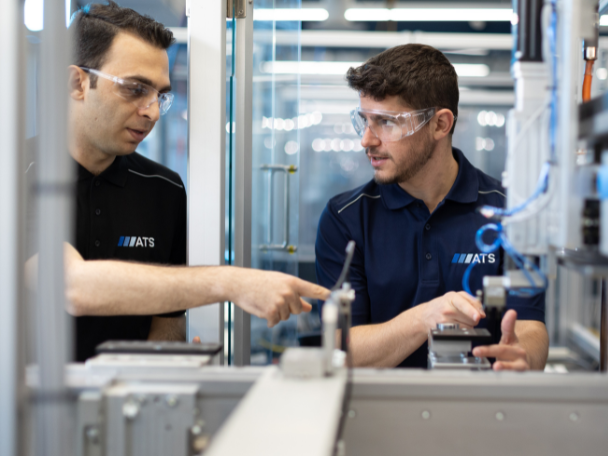
System Tune-Up
Restore performance lost due to wear, drift, and short‑term fixes.
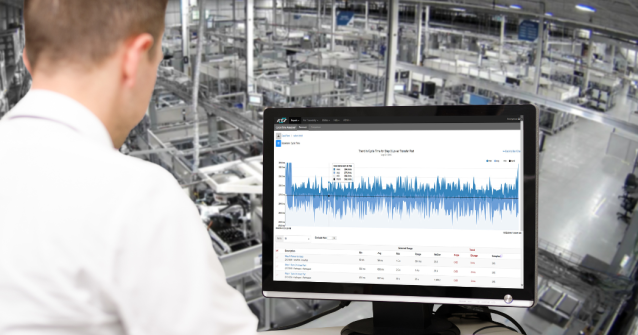
A focused service that combines data analysis and on‑site action to bring systems closer to their original performance baseline.

Health Check
Identify risks before they disrupt production.
A proactive system assessment verifies line operation, calibrations, critical station alignment, and maintenance practices. Manufacturers receive an opportunity report with prioritized improvement actions.

On-Site Assistance
Get expert support when and where you need it.
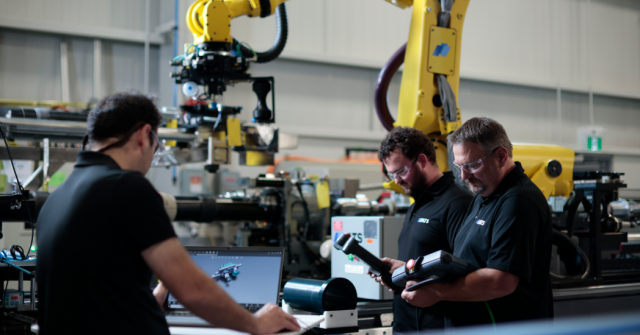
Planned on‑site technical support for production assistance, troubleshooting, maintenance support, and hands‑on training for your operations and maintenance teams.

Compressive Maintenance Plan
Reduce failures with a structured preventive maintenance strategy.
A risk‑based maintenance program tailored to a specific machine or manufacturing solution. The service plan is designed to keep assets operating within original design specifications to support availability, throughput, and quality yield.
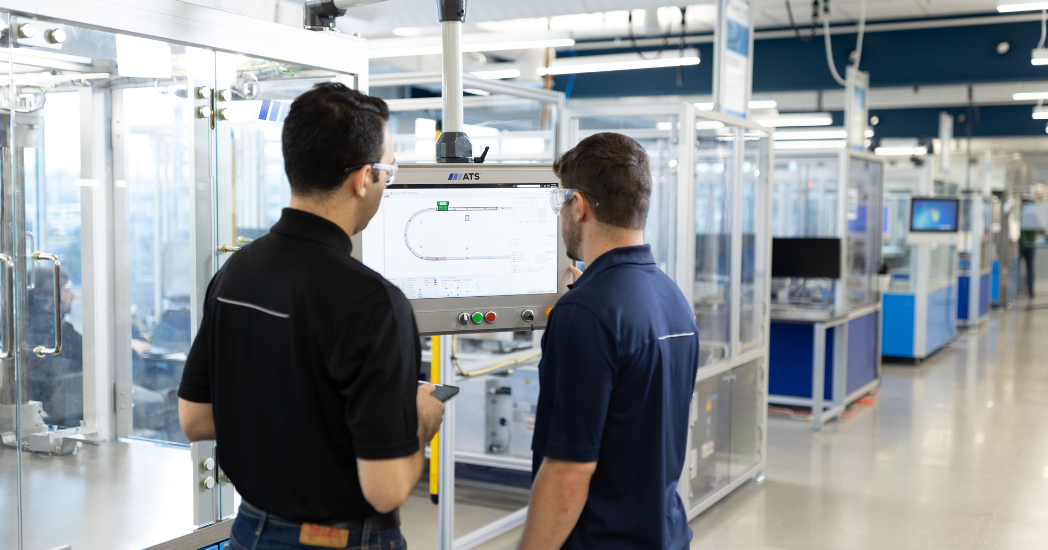
Equipment Validation
Maintain accuracy and compliance in critical test systems.
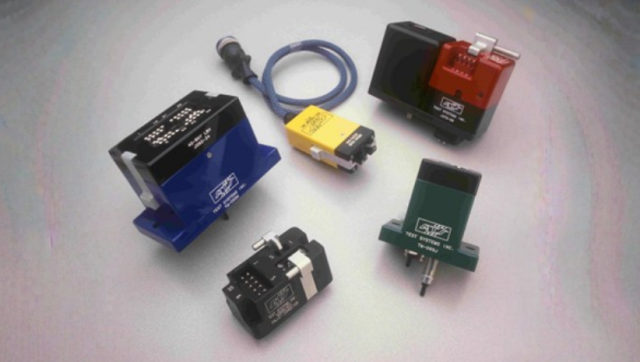
Equipment validation confirms accurate readings, recenters inspections to known master parts or apparatus, and tunes systems to peak operating performance.

Asset Management Gap Analysis and Improvement Plan
Understand where your asset management strategy breaks down.
A structured assessment identifies gaps across maintenance practices, asset risk, documentation, and performance management, followed by a clear improvement roadmap aligned to operational priorities.