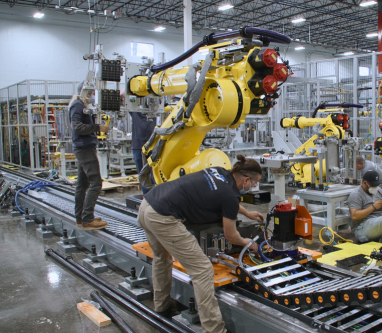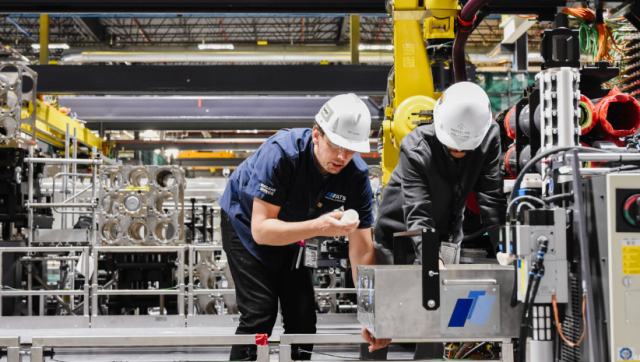


Unlike automotive programs, industrial electric motor production often involves wider product variation, fluctuating volumes, and tighter cost controls. Production lines frequently support multiple motor designs, specifications, and batch sizes, creating unique challenges for throughput, quality, and operational efficiency.
These conditions place added pressure on overall equipment effectiveness (OEE). Frequent changeovers, process variation, and unplanned downtime can reduce output while increasing scrap, rework, and cost per unit. As product complexity increases, small losses in availability, performance, or quality often have a larger impact on production results.
Improving OEE requires more than increasing equipment speed or adding automation. Manufacturers need to understand how variation affects production performance and where instability exists within the process. Reliability engineering and pre-automation assessments help identify and address these issues, supporting higher throughput, stable quality, and greater production flexibility.
Understanding OEE in High-Mix Electric Motor Production
OEE measures how effectively manufacturing equipment supports production goals. It combines three critical factors: availability, performance, and quality.
In high-mix motor production, these factors often influence each other. A changeover intended to support a new product variant may create process variation that affects cycle time, assembly precision, or product quality. Improving OEE starts with understanding where these losses occur and how they affect the production system.
Availability Challenges in High-Mix Manufacturing
Availability losses often result from:
- Frequent product changeovers
- Equipment adjustments between motor variants
- Unplanned downtime
- Maintenance activities that disrupt production schedules
When production lines support multiple motor configurations, setup activities can consume valuable production time. Reliability engineering assessments help identify recurring causes of downtime and prioritize actions that improve uptime without increasing operational complexity.
Performance Losses and Process Variation
Performance losses often appear as:
- Reduced operating speeds
- Minor production interruptions
- Station imbalances
- Material flow disruptions
- Manual processes that vary between operators
These losses may seem small individually, yet they often accumulate over time. High-mix production environments are particularly susceptible because operators and equipment must adapt to changing products and assembly requirements.
Process mapping and production analysis help manufacturers identify bottlenecks, understand cycle time variation, and improve throughput across multiple product families.
Quality Losses Up Drive Cost per Unit
Quality losses directly affect production efficiency and profitability. Scrap, rework, and delayed defect detection increase cost per unit while reducing available production capacity.
In electric motor manufacturing, quality variation often originates from:
- Inconsistent assembly processes
- Product changeover challenges
- Process drift over time
- Limited validation during production transitions
Early testing and validation activities help identify defects closer to their source, reducing the impact on downstream operations and supporting more consistent production quality.
Improving OEE Through Reliability Engineering
Reliability engineering provides a structured approach to improving production performance. Rather than focusing only on equipment failures, reliability assessments examine how asset condition, maintenance practices, and process stability affect OEE.
Key areas of focus include:
- Root cause analysis of recurring downtime
- Maintenance program effectiveness
- Asset performance and utilization
- Process-related production losses
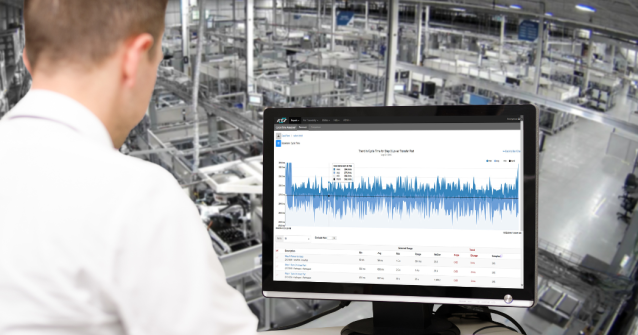
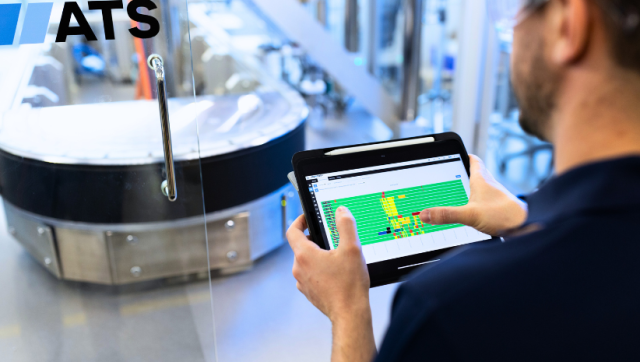
- Production data visibility
By connecting downtime events with their underlying causes, manufacturers gain a clearer understanding of where improvements will have the greatest impact.
For high-mix motor production, reliability engineering helps reduce variability and improve consistency across changing production requirements.
Reducing Changeover Losses
Changeovers represent one of the most common sources of OEE loss in high-mix environments.
Each product transition introduces opportunities for delays, setup variation, and quality issues. Reducing changeover losses often begins with a detailed review of production activities before, during, and after the transition process.
Opportunities for improvement may include:
- Moving preparation activities outside production downtime
- Standardizing setup procedures
- Simplifying tooling and fixture requirements
- Improving operator guidance and validation steps
These improvements help reduce lost production time while supporting consistent performance across multiple motor designs.
Pre-Automation Supports Sustainable OEE Improvements
Many manufacturers view automation as a path to higher throughput. In high-mix motor production, the greatest benefits often come from addressing process variation before automation decisions are finalized.
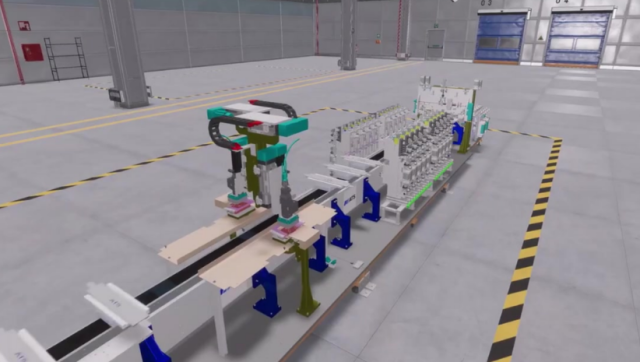
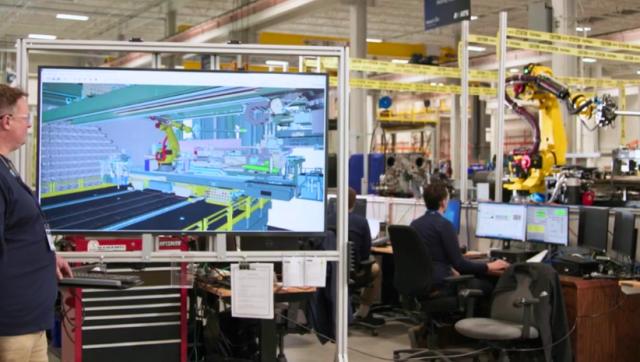
Pre-automation assessments evaluate existing manufacturing processes to identify risks that could affect future performance.
Typical activities include:
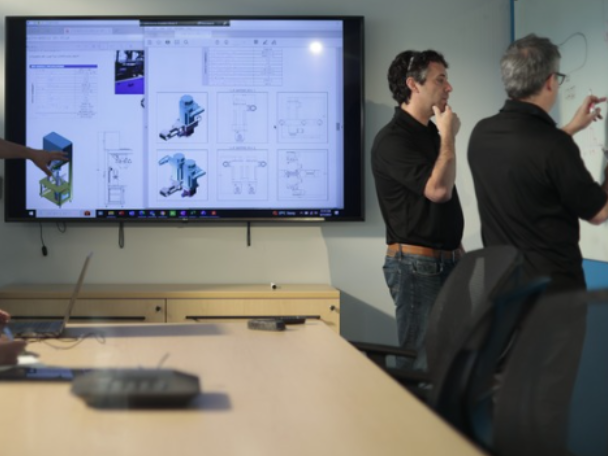
- Process mapping to identify bottlenecks and variability
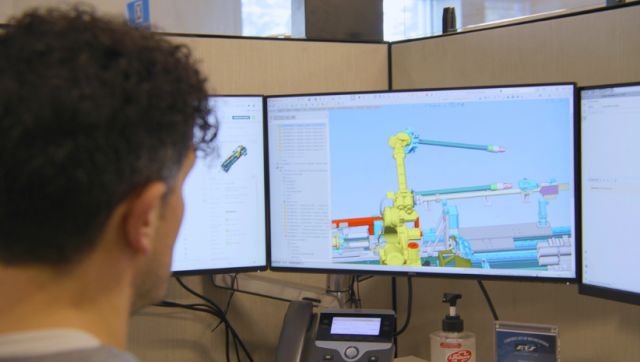
- Design for manufacturability reviews
- Proof of principle studies
- Validation planning for future production volumes
- Assessment of automation readiness
Addressing these issues early helps align automation investments with production requirements while supporting flexibility, quality, and throughput.
Sustaining OEE Performance Over Time
Long-term OEE improvement depends on continuous alignment between production data, maintenance strategy, and process design.
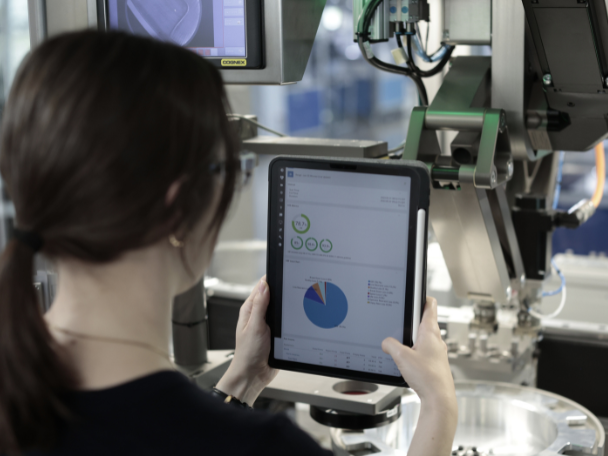
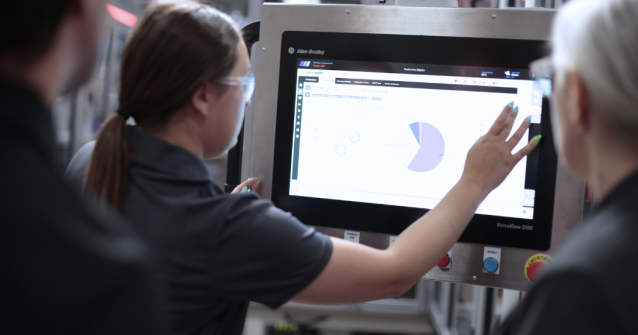
As product mixes evolve, manufacturers need visibility into how changes affect availability, performance, and quality. Ongoing monitoring supports faster decision-making and helps teams maintain production stability as requirements change.
Combining reliability engineering, process improvement, and structured production analysis helps create a foundation for sustained OEE performance in high-mix manufacturing environments.
FAQ
How does product variation affect OEE in electric motor production?
Product variation often increases changeover frequency, process adjustments, and opportunities for assembly variation. These factors can affect equipment availability, production performance, and quality.
Why are changeovers important when improving OEE?
Changeovers often represent a major source of lost production time in high-mix environments. Reducing changeover duration and variability helps improve availability and throughput.
How does reliability engineering improve OEE?
Reliability engineering identifies the underlying causes of downtime, performance losses, and process instability. This information helps manufacturers prioritize improvements based on production impact.
Why is pre-automation important before automation investments?
Pre-automation assessments identify process risks, bottlenecks, and variability before equipment designs are finalized. This approach helps ensure automation supports production goals and quality requirements.
How does quality affect cost per unit?
Scrap and rework consume materials, labour, and production capacity. Improving quality helps reduce these losses and supports more efficient production.
Building OEE into High-Mix Motor Manufacturing
Improving OEE in electric motor production often starts with managing variation. Frequent changeovers, multiple product configurations, and changing production volumes create challenges that differ from those found in high-volume manufacturing environments.
Reliability engineering helps identify the sources of downtime and performance loss within existing processes. Pre-automation assessments address process risks before they scale into larger production challenges.
Together, these approaches help manufacturers improve throughput, maintain quality, and control cost per unit while preserving the flexibility required for high-mix electric motor production.
Connect with ATS Industrial Automation to discuss how reliability engineering and pre-automation assessments support your electric motor manufacturing goals.
Every automation project is unique. Allow us to listen to your challenges and share how automation can launch your project on time.

Gary Sopoliga
Senior Sales / Applications Engineering
ATS Industrial Automation
Gary helps manufacturers design and deploy automation solutions across a wide range of industries. He collaborates with engineering and operations teams to optimize production line performance, improve efficiency, and align technical designs with long-term business objectives.