- Industries
- Solutions
- Service
- Resources



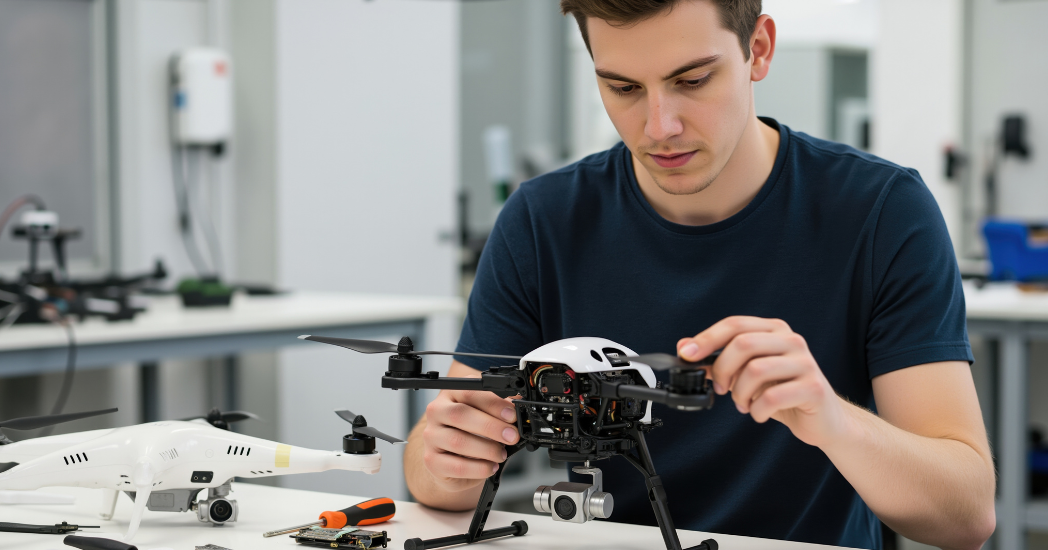
Drone battery manufacturers must maximize performance for flight, charging and safety, while minimizing weight, size, and manufacturing complexity.
As drone programs move from prototypes to higher production volumes, battery manufacturing must adapt. ATS Industrial Automation works with manufacturers to assess assembly processes, testing needs, automation options, and production readiness before equipment investments. With experience on over 110 battery assembly and test lines, ATS helps companies develop strategies for current production needs and future growth.
Challenges in Drone Battery Manufacturing
Drone battery performance depends on more than chemistry. Cell handling, assembly quality, testing coverage, and manufacturability all impact final product performance and scalability.

Lightweight Designs Leave Little Margin for Error
Drone batteries must perform within strict size and weight limits. These constraints influence cell selection, battery architecture, cooling, interconnect design, and enclosure construction.
The challenge is to ensure compact designs remain practical to assemble, inspect, test, and scale for production.

Battery Designs Continue to Evolve
Many drone manufacturers refine airframes, propulsion, charging strategies, and battery designs at the same time. Product changes often continue into early production and can directly impact manufacturing processes.

Managing Cell Variation
Individual battery cells vary in performance. Differences in voltage, capacity, resistance, and physical characteristics affect consistency and long-term performance.

Detecting Defects Before Final Assembly
Defects found during final testing often require significant rework because electronics, housing, and other assembly steps are already complete.

Validating Reliability Before Deployment
Drone batteries experience vibration, acceleration, repeated charging cycles, temperature variation, and demanding operating conditions.
Manufacturers must verify performance, electronics functionality, communication systems, safety features, and environmental durability before products reach customers.
Connected Drone Battery Assembly & Testing
ATS Industrial Automation integrates manufacturing planning, assembly, joining, electronics integration, testing, and quality controls throughout the battery production lifecycle. Each stage addresses specific challenges and prepares the battery for subsequent steps.
Pre-Automation
Build the Battery Manufacturing Strategy
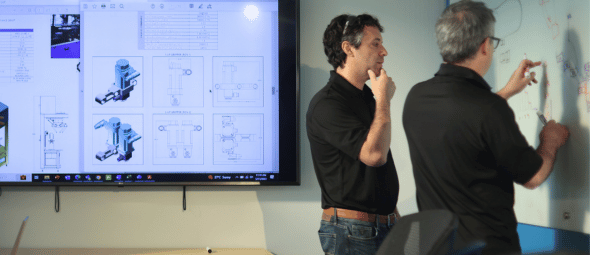
Pre-automation activities such as proof-of-principle studies, simulation, validation planning, and manufacturing readiness reviews help identify assembly, testing, ergonomics, material handling, and scalability concerns before major equipment investments.
This approach gives manufacturers flexibility to address risks and keep product and production strategies adaptable.
Cell Receiving & Qualification
Verify Incoming Cells Before Assembly Begins
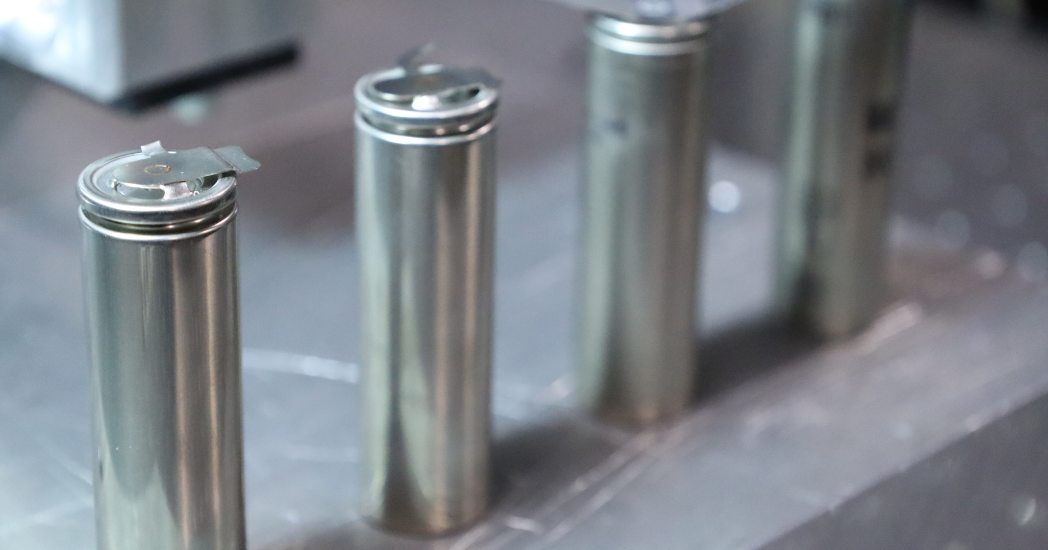
Incoming cells may have dimensional or electrical variations. Accepting unsuitable cells increases downstream quality risks and leads to higher scrap and rework costs.
Barcode tracking, inspection, and qualification testing establish traceability and verify cells before production. Early validation creates a digital record for each cell and helps prevent defective components from advancing to later stages.
Cell Matching & Sorting
Build Consistent Battery Performance
Differences in capacity, resistance, and voltage create battery pack variability, which affects charging behavior and product performance.
Automated testing, sorting, matching, and traceability systems group cells by performance criteria before battery assembly begins.
Identifying unsuitable cells early protects downstream operations and enhances final pack consistency.
Battery Pack Assembly
Assemble Compact Battery Designs Consistently
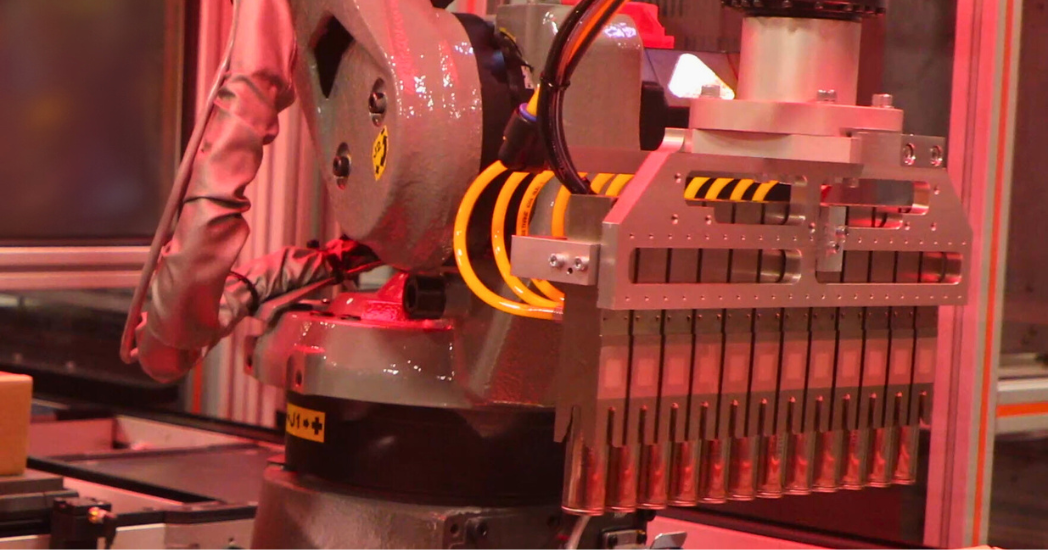
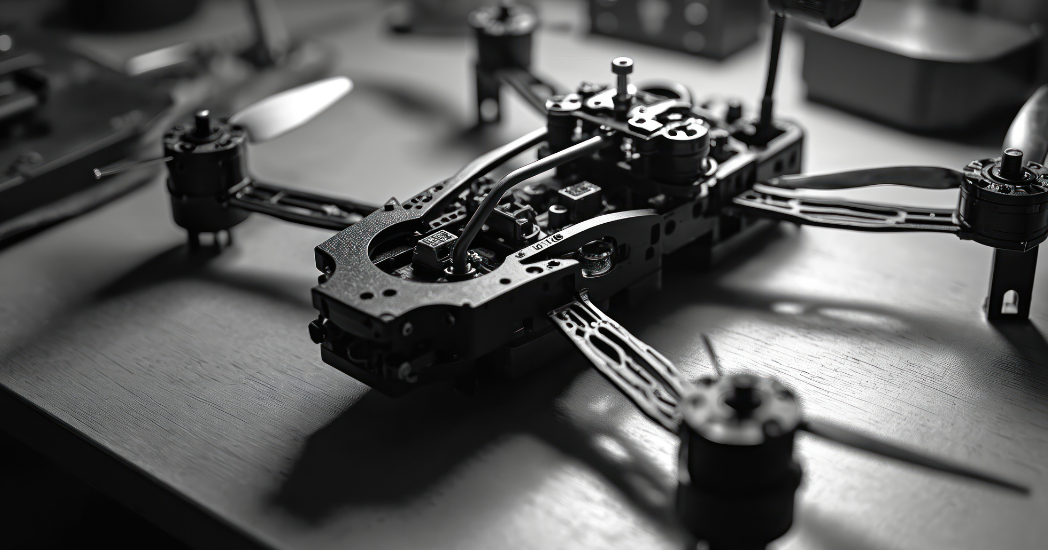
Drone batteries often require dense packaging and have limited assembly space. Small variations in component placement or sequence can affect drone reliability.
Robotics, precision motion systems, dedicated fixturing, and vision-guided placement enable repeatable assembly. In-line verification helps to detect missing, damaged, or mispositioned components before further assembly.
Interconnect Welding
Create Reliable Electrical Connections
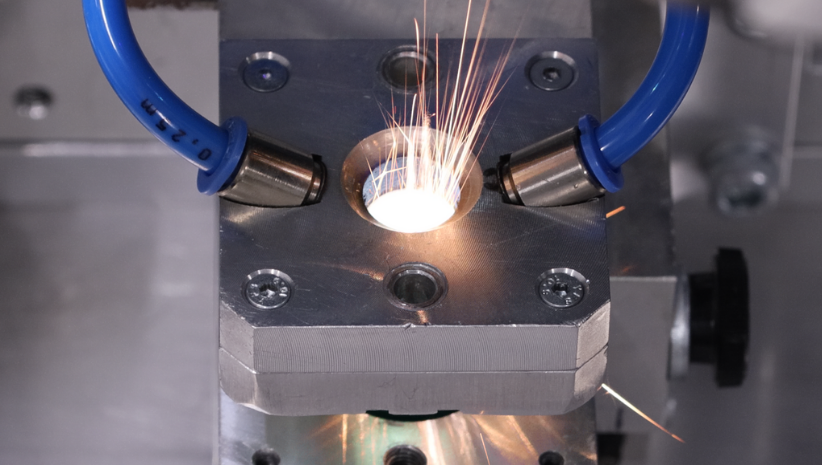
Compact battery packs require precise interconnects and joining processes. Small deviations in alignment or weld quality impact performance.
Compact battery packs require precise interconnects and joining processes. Small deviations in alignment or weld quality impact performance.
Capturing process data supports traceability and helps identify defects prior to final testing.
Smart Battery Electronics Integration
Integrate Electronics with Confidence
Battery management systems add wiring, sensors, communication protocols, and electronic components, which increases assembly complexity.
Robotic assembly, PCB handling, vision inspection, connector verification, and functional validation ensure correct installation before calibration and testing.

Housing & Sealing
Protect Batteries from Real-World Conditions
Drone batteries often encounter vibration, moisture, transportation stress, and environmental exposure throughout their lifecycle.
Automated dispensing, controlled fastening, seal verification, and leak testing improve enclosure consistency and help the battery meet durability requirements.
These processes can also help to establish verification points before batteries proceed to final testing.
Battery Calibration & Functional Testing
Verify Product Readiness Before Release
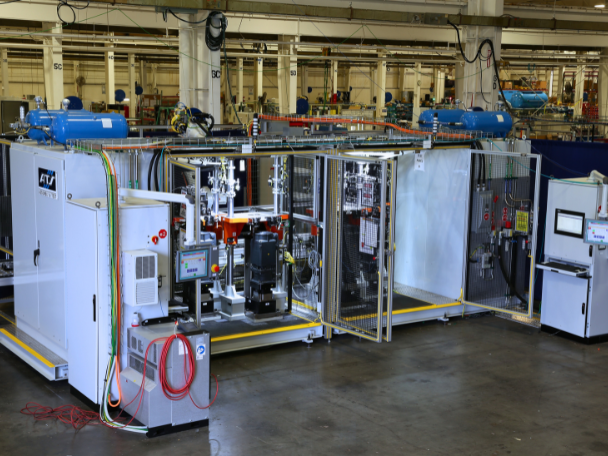
Manufacturers need assurance that assembled battery packs meet communication, charging, and performance standards.
Calibration stations, communication validation, electrical testing, battery management system checks, and automated reporting help confirm product functionality before deployment.
Testing throughout assembly reduces the risk of discovering problems after final assembly.
Environmental & Safety Testing
Validate Reliability Beyond the Production Floor
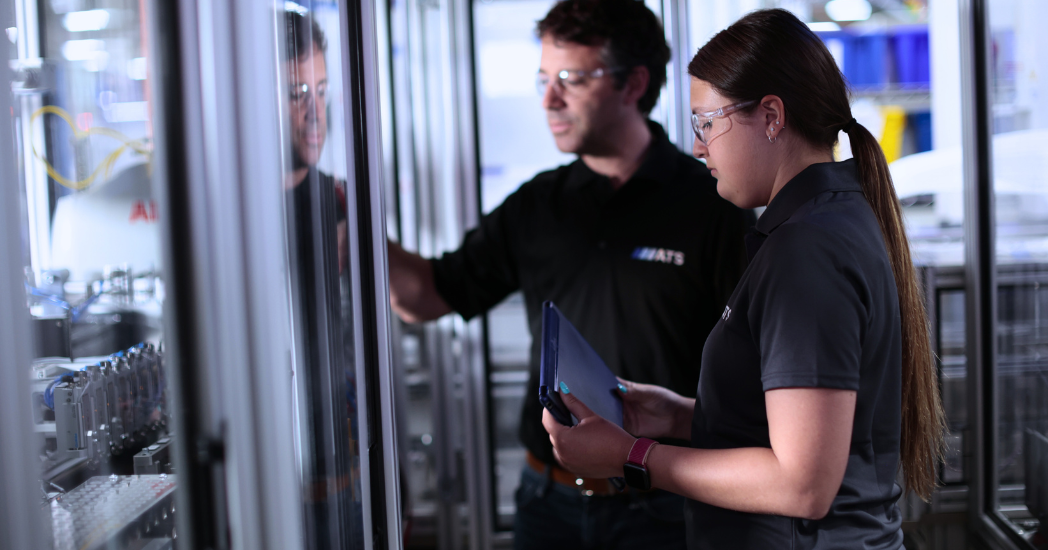
Drone batteries operate under demanding conditions and repeated charging cycles. Manufacturers must evaluate product performance before field deployment.
Environmental validation, thermal testing, communication testing, vibration assessments, leak testing, and reliability evaluations provide confidence in battery performance and generate valuable data for future designs.
Technology to Support Drone Battery Assembly & Testing
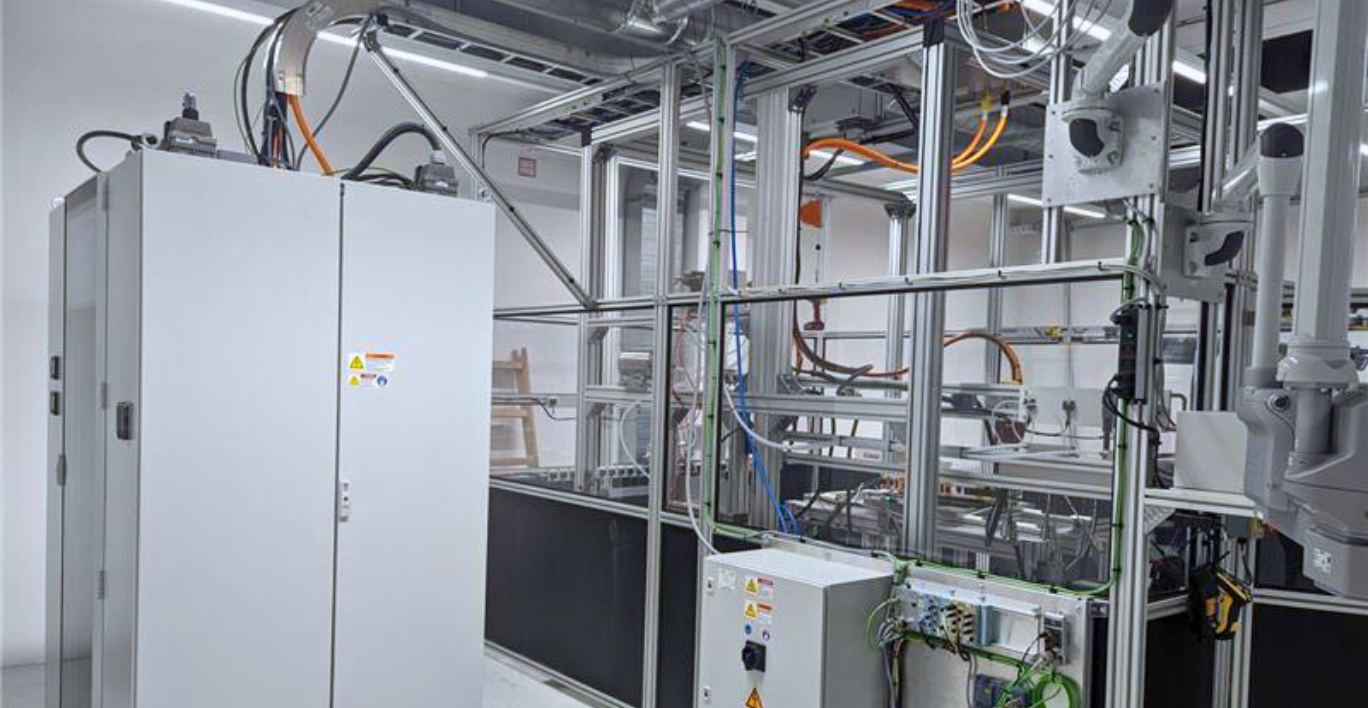
Drone battery manufacturing requires testing, joining, robotics, electronics integration, and material handling technologies. ATS Industrial Automation integrates these processes to support battery quality, consistency, and production efficiency.
Testing & Validation
Verify Performance Throughout Battery Manufacturing
Drone battery performance depends on more than final pack testing. Quality checks throughout production help identify issues before additional assembly time, materials, and components are added.
Testing strategies often include incoming cell qualification, electrical validation, communication verification, calibration, leak testing, battery management system testing, and final pack validation. Testing data also provides a traceable manufacturing record.

Digital Solutions
Validate Systems Before Physical Commissioning
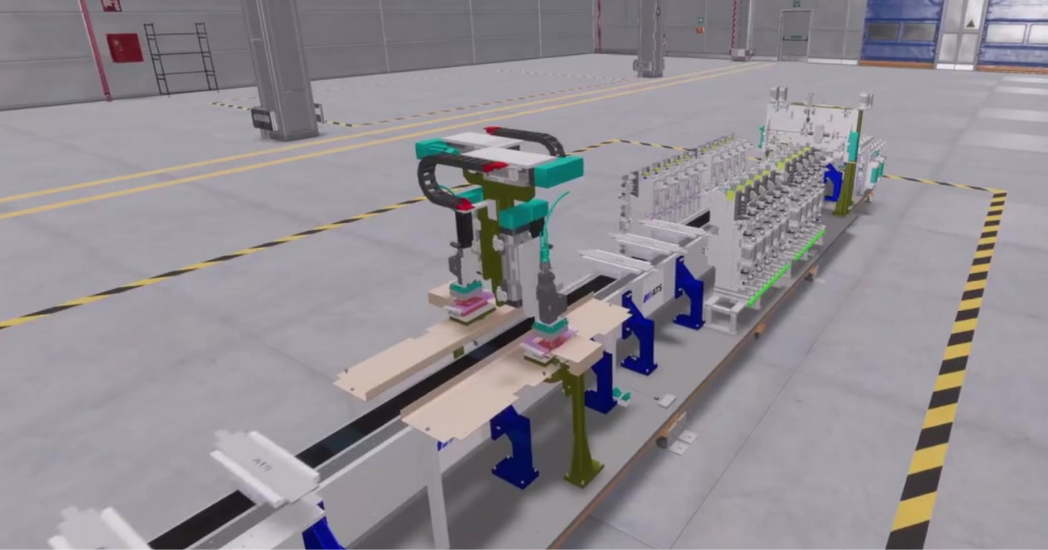
Digital solutions enable process simulation, digital twins, virtual commissioning, production planning, and operator training. Drone manufactures can use virtual models to analyze equipment interactions, controls, logistics, and cycle time before physical implementation.
Robotic Assembly
Improve Consistency in Compact Battery Designs
Drone battery packs often contain tightly packaged components, precise placement requirements, adhesives, connectors, and electronic assemblies that demand repeatable processes.
Robotic assembly helps maintain placement accuracy, reduce build variation, and meet production demands while ensuring battery quality.

Laser Welding
Support Reliable Battery Connections
Electrical connections are central to battery performance. Laser welding supports the joining of tabs, busbars, and interconnects, enabling manufacturers to maintain consistency in compact designs.
Process monitoring and inspection identify variation early and provide greater visibility into joining quality during production.

Adhesive Dispensing
Apply Thermal and Structural Materials Consistently
Drone battery assembly often uses adhesives, sealants, gaskets, and thermal interface materials to support structural integrity and thermal performance.
Dispensing systems control material placement, reduce variation, and verify application quality before assemblies advance to the next stage.

Why Drone Battery Manufacturers Work with ATS
ATS Industrial Automation combines battery expertise, automation experience, testing capabilities, and pre-automation support to help drone manufacturers reduce risk and plan for future growth.

Design for Manufacturing Strategies
ATS helps teams evaluate manufacturability, testing needs, packaging constraints, and scalability before significant equipment investments.

Reduce Quality Risks Before Flight Testing
Integrated inspection, validation, testing, and traceability systems detect defects earlier in manufacturing.
Scale from Prototype Builds to Production
Proof-of-principle studies, flexible automation, simulation, and validation planning help drone manufacturers transition to scalable manufacturing environments.
Support Product Evolution
Configurable automation, modular testing, and scalable production strategies support evolving battery designs and future drone generations.
Battery Manufacturing Resources for Drone Developers
The resources below address common challenges in drone battery development and production.
Exploring Cylindrical Battery Assembly & Testing
Understand How Cell Design Influences Manufacturing
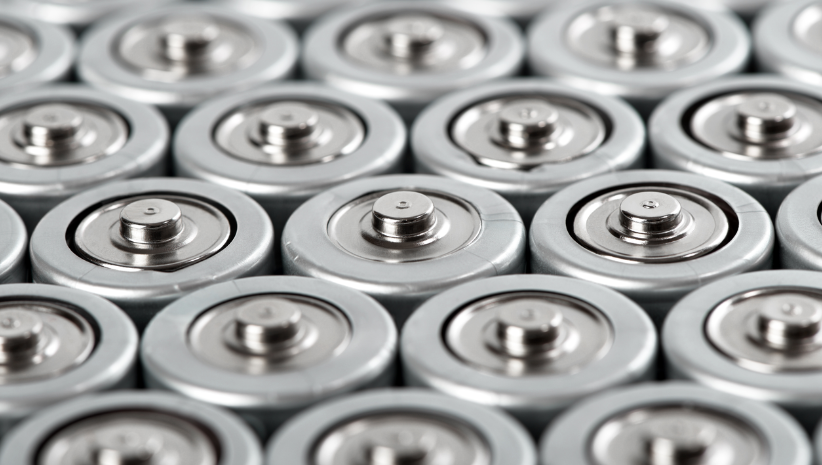
Many drone battery applications use cylindrical cells due to their energy density, packaging flexibility, and production maturity. Manufacturing teams still need to address cell handling, buffering, sorting, joining, thermal management, and quality control during assembly.
This reviews key manufacturing considerations for cylindrical battery assembly and testing.
Battery Assembly Testing Systems
Define a Testing Strategy Across the Entire Battery Lifecycle
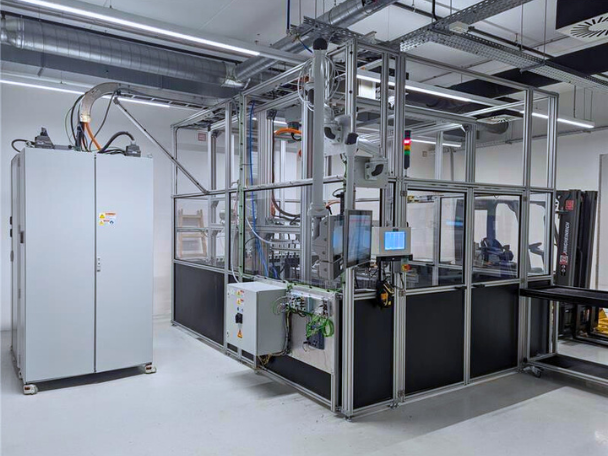
Battery testing begins with incoming cell qualification and continues through pack assembly, battery management system integration, calibration, and final validation.
Early testing helps manufacturers identify issues before incurring additional assembly costs and supports traceability and quality objectives during production.
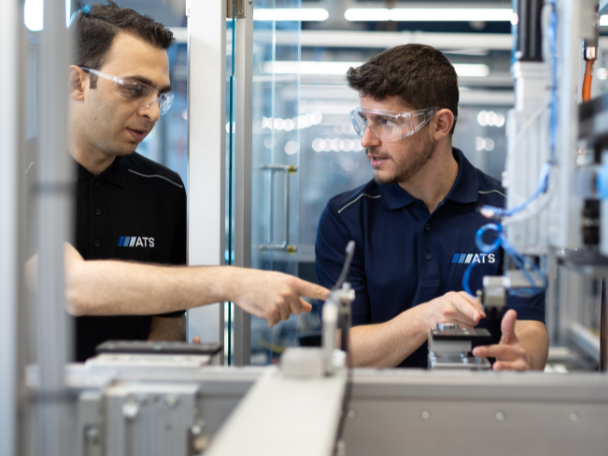
Evaluating High-Risk Manufacturing Processes Before Equipment Design
Reduce Uncertainty During Battery Development
Proof-of-principle studies help manufacturers evaluate assembly methods, testing requirements, interfaces, instrumentation, and key production assumptions before significant equipment investments.
For drone battery programs, these activities often focus on compact pack assembly, thermal management, joining processes, testing strategies, and production planning.
Plan Your Drone Battery Manufacturing Strategy
Engage ATS early in your battery program to evaluate manufacturability, testing requirements, assembly workflows, process risks, automation opportunities, and production scalability. Our battery manufacturing specialists work with your team to develop a manufacturing strategy that supports current goals and future growth.
