- Industries
- Solutions
- Service
- Resources




Automotive battery assembly involves more than just connecting cells and components. Manufacturers must balance overall product performance, quality, production targets, traceability, and evolving battery designs while preparing for increased production volumes.
Regardless of cell type – cylindrical, pouch, or prismatic – every assembly process relies on consistent handling, joining, testing, thermal management, and quality control.
ATS Industrial Automation partners with automotive manufacturers and Tier 1 suppliers to develop assembly and testing solutions tailored to their unique battery design, manufacturing requirements, and long-term production objectives.
With experience from over 110 battery manufacturing and testing lines and more than 30 years of experience serving the automotive industry, ATS helps manufacturers assess production risks early and establish a practical path to scalable battery assembly.
Address Automotive Battery Assembly Challenges Before Production
Battery designs often evolve during production planning. Early collaboration among product, manufacturing, and automation teams reduces the risk of equipment redesigns, quality issues, schedule delays, and costly adjustments.

Changing Battery Designs
Battery architectures are evolving from traditional modules to cell-to-pack structures. Changes in cooling systems, joining methods, dispense patterns, and pack designs impact material handling, assembly processes, testing requirements, and equipment design.

Scrap & Rework Costs
Quality issues become more costly as the battery advances through production. Problems found after string assembly, joining, electronics integration, or final testing require more time, labor, and materials to resolve than those identified earlier.

Cell Variability & Traceability
Incoming cells must be identified, inspected, tested, sorted, and tracked before assembly. Electrical performance and dimensional variation can affect placement accuracy, joining quality, and overall battery performance.

Complex Material Handling
Battery cells often arrive in packaging intended for transport, not direct production. Manufacturers require controlled strategies for unpacking, repitching, buffering, transporting, and presenting cells to downstream processes.

Weld & Interconnect Quality
Reliable busbar and enclosure connections require controlled positioning, consistent material conditions, accurate gap management, and thorough inspection. Placement variations can impact electrical performance, product quality, and production efficiency.

Thermal Management
Thermal interface materials, cooling systems, insulation, and sealing processes require consistent application and verification. Material properties, dispense quality, and assembly accuracy directly influence thermal performance.
Automotive Battery Assembly from Incoming Cells to Final Pack
Each automotive battery program is unique, but most require reliable processes for receiving, sorting, assembly, joining, thermal management, electronics integration, testing, and traceability.
ATS Industrial Automation works with manufacturers to develop solutions based on their unique battery design, production targets and quality objectives.
Pre-Automation
Address Manufacturing Risk Before Equipment Design
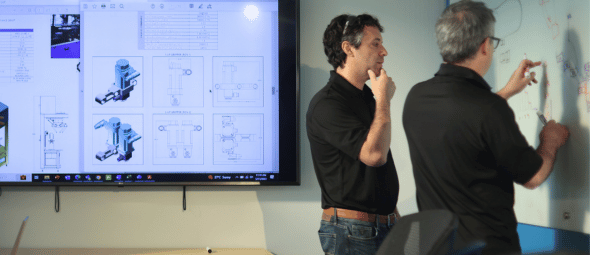
Early collaboration enables manufacturers to assess manufacturability, technical risks, assembly methods, testing requirements, scalability, and production flow before finalizing major equipment decisions.
These activities often include design-for-manufacturability reviews, proof-of-principle studies, process simulation, risk assessment, and validation planning.
Cell Receiving & Traceability
Prepare Incoming Cells for Production
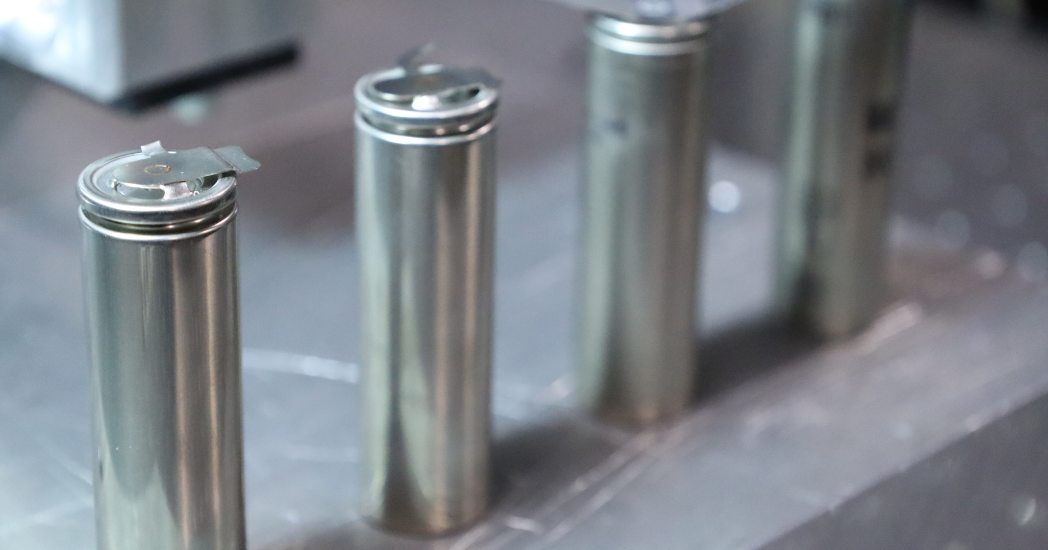
Incoming cells must be identified, inspected, unloaded, repitched, buffered, and presented in a controlled manner to downstream operations.
Barcode and data matrix systems link supplier information, inspection records, lot details, and assembly history to each cell throughout production.
Cell Sorting & Matching
Group Cells Using Electrical and Dimensional Data
Sorting and matching processes use inspection and test data to evaluate incoming cells and organize approved cells based on product requirements.
Electrical measurements, dimensional verification, and production data systems all contribute to a comprehensive battery genealogy record.
Module Assembly
Build Consistent Battery Modules
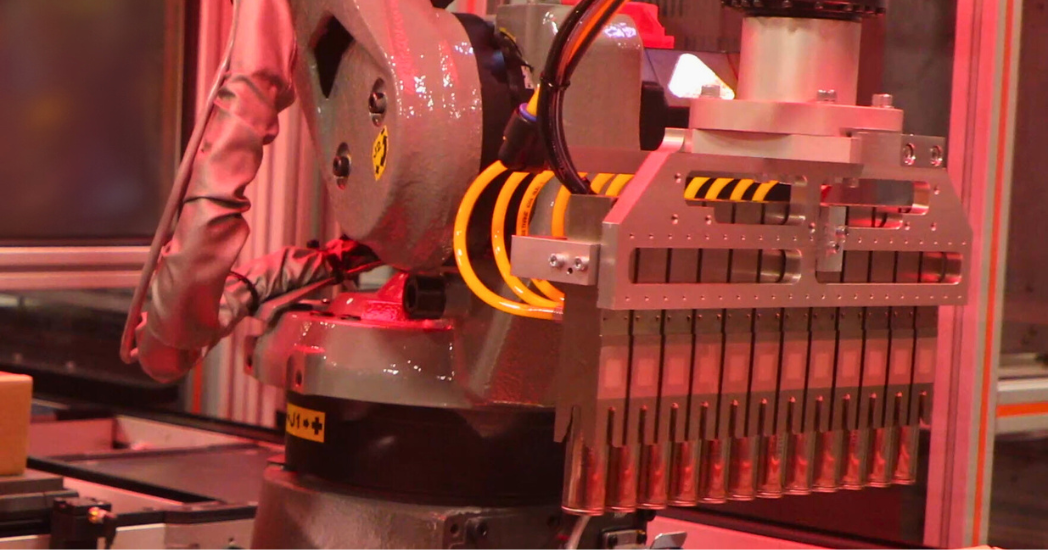
Module assembly combines cells, frames, isolation materials, cooling components, and structural parts in a controlled sequence. Depending on cell format, the process may include stacking, stringing, compression, alignment, fastening, adhesive application, and inspection.
Machine vision, robotics, configurable tooling, and in-process inspection ensure placement accuracy and assembly consistency.
Cell String
Support Next-Generation Battery Architectures
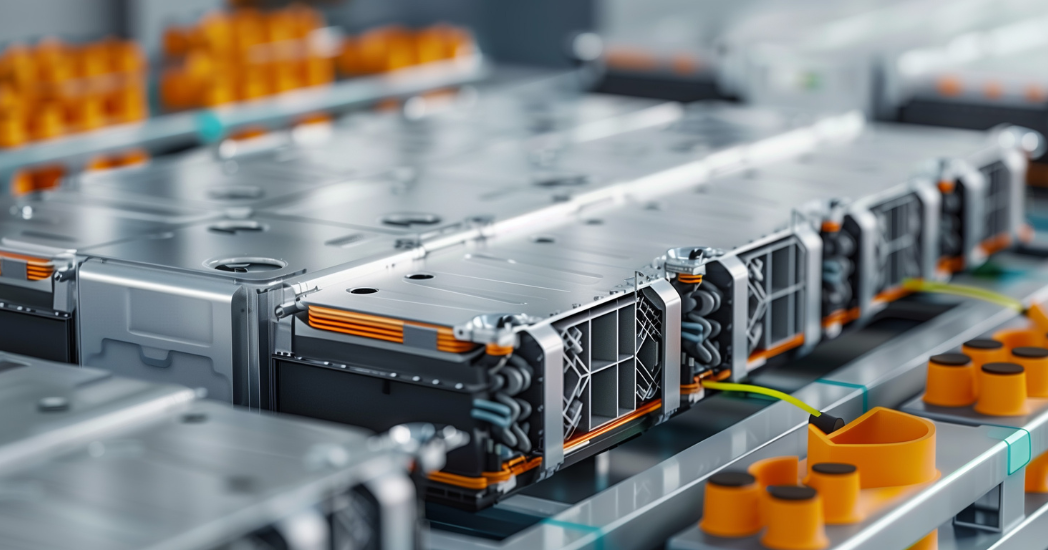
Cell-to-pack designs integrate cells directly into the battery pack using cell strings, while maintaining requirements for sorting, positioning, thermal management, joining, traceability, and testing.
Assembly systems must support larger work envelopes, structural integration, battery retention methods, and thermal considerations.

Busbar Placement & Welding
Control Electrical Interconnect Assembly
Automated systems position and join electrical interconnects, verifying alignment, material conditions, and process quality.
Laser welding, ultrasonic joining, and wire bonding are chosen based on battery design and product requirements.

Thermal Management System Integration
Improve Consistency Across Cooling-System Assembly
Thermal management processes often involve cooling plate installation, thermal interface material dispensing, insulation placement, alignment verification, and leak testing.
Simulation, proof-of-principle testing, tooling development, process monitoring, and inspection support complex thermal management applications.
Discover how advanced dispensing and process validation improved cooling-system assembly consistency for an EV battery manufacturer.

Battery Management System Integration
Verify Electronics, Wiring, and Communication
Battery management system integration incorporates electronics, sensors, wiring, connectors, and communication systems into the battery assembly.
Inspection and testing confirm component placement, electrical connections, communication functionality, and programming requirements before final pack closure.
Pack Enclosure Assembly
Complete Battery Pack Integration
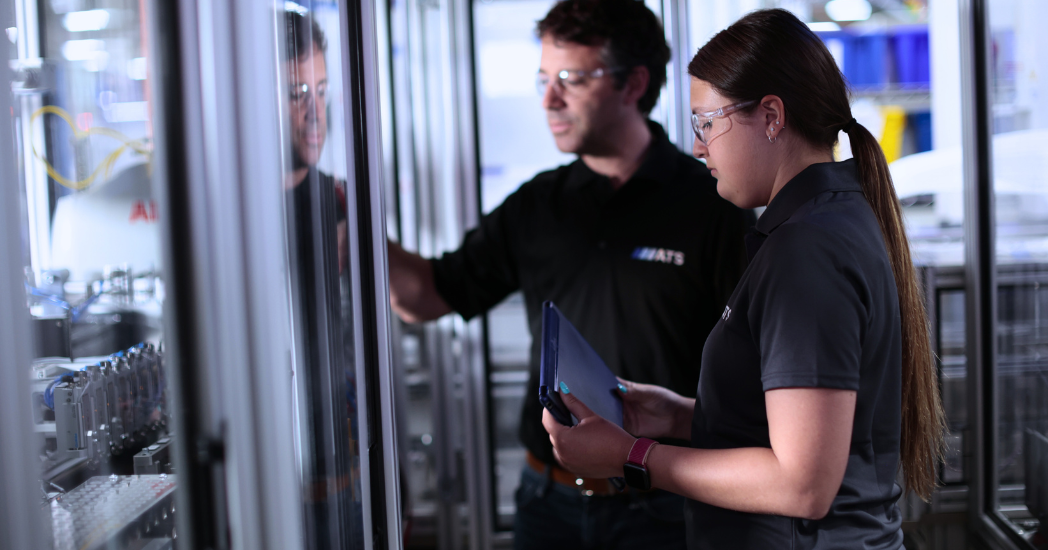
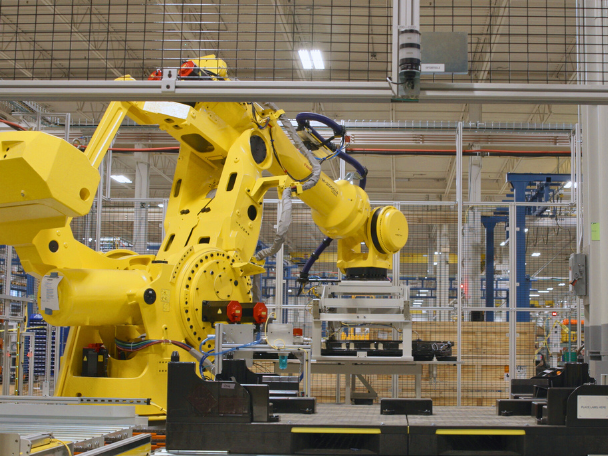
Pack enclosure assembly manages large structures, battery modules or cell strings, covers, seals, cooling connections, and fasteners.
Depending on the design, the enclosure process may also include adhesive dispensing, gasket installation, case welding, leak testing, and structural inspection. Flexible material handling enables movement between assembly, joining, testing, and final inspection operations.
Final Pack Testing
Verify Performance, Safety, and Product Quality
Automotive battery testing typically includes electrical validation, communication checks, leak testing, isolation testing, internal resistance measurement, charge and discharge verification, temperature monitoring, and HiPot testing.
ATS provides manual, semi-automated, and fully automated testing solutions for in-process and end-of-line applications.

Technology That Supports Automotive Battery Assembly Quality
ATS integrates assembly automation and testing solutions to help automotive manufacturers identify process variation, reduce scrap and rework, and maintain traceability from incoming cells to final pack release.
Laser Welding
Develop and Monitor Critical Joining Processes
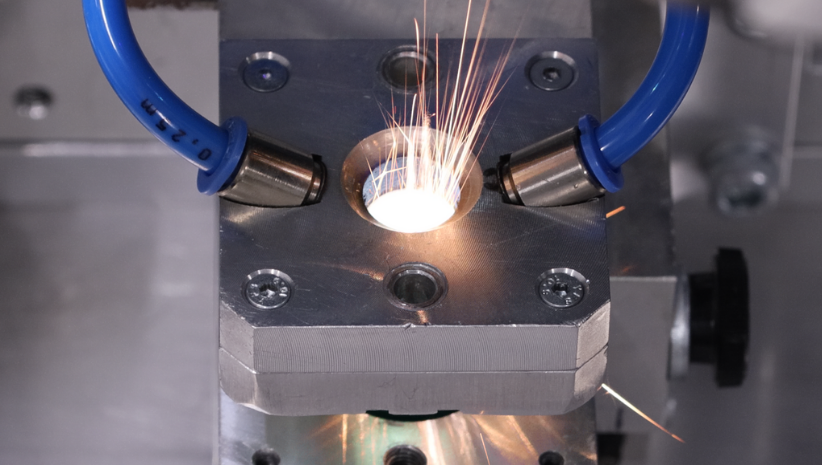
ATS integrates laser welding for battery interconnects, busbars, module cases, and pack structures.
Process development, controlled material presentation, precision motion, gap management, monitoring, and inspection ensure consistent weld execution.
Battery Testing & Validation
Integrate Electrical and Leak Testing Throughout Assembly
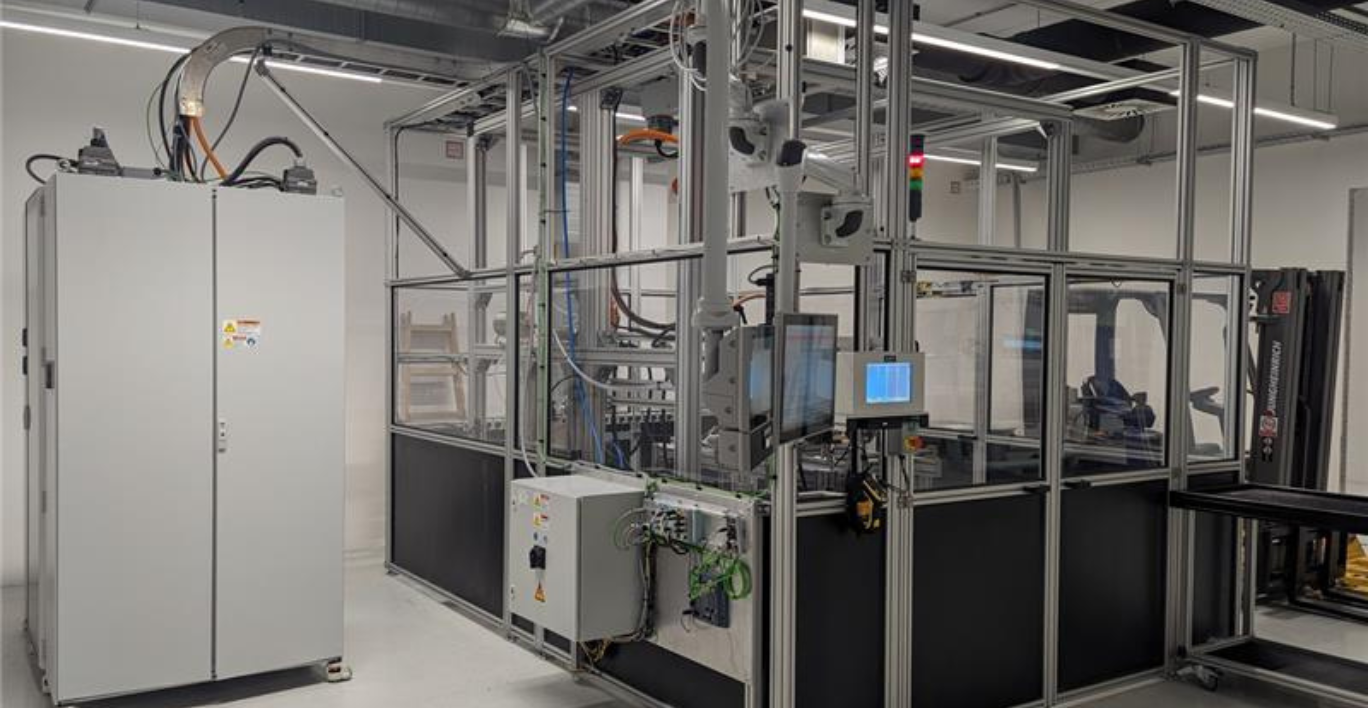
ATS battery test systems support cell, module, and pack applications. Electrical testing methods include open-circuit voltage, internal resistance, communication, charge and discharge, HiPot, isolation, and battery management verification. Leak testing confirms sealed components, cooling circuits, modules, and finished packs meet product requirements.
Digitalization
Validate Systems Before Physical Commissioning
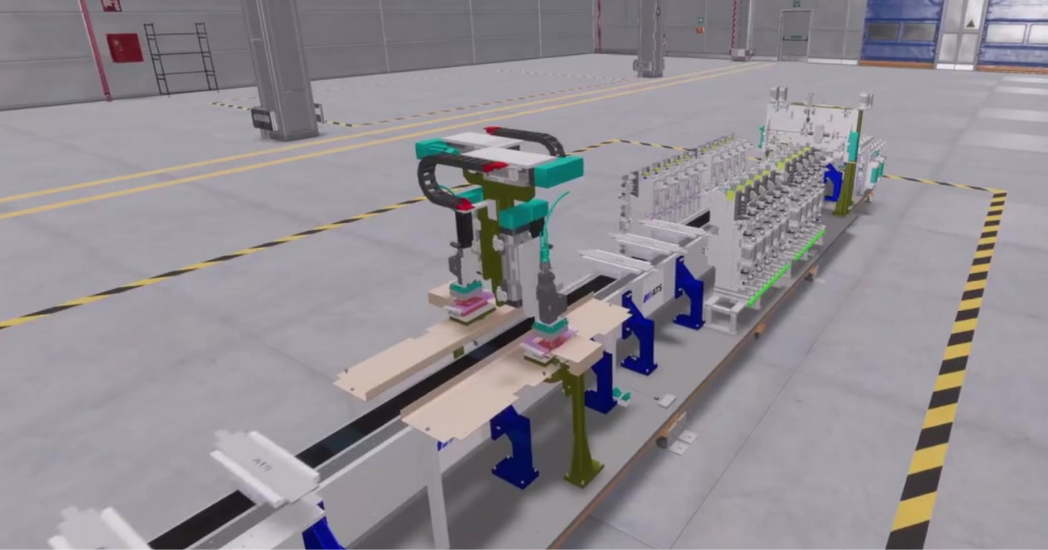
Digital engineering enables process simulation, digital twins, virtual commissioning, production planning, and operator training. Automotive manufactures can use virtual models to analyze equipment interactions, controls, logistics, and cycle time before physical implementation.
Barcode Production
Maintain Identification Through Every Assembly Stage
Barcode and data matrix systems help track cells, modules, components, and finished packs. Integrated scanning connects each identifier to process parameters, inspection results, material records, and test data.

Manufacturing Intelligence
Connect Production Performance with Product Quality
Illuminate Manufacturing Intelligence monitors manufacturing data and supports cell and product traceability throughout assembly. Connected data enables teams to review production performance, quality results, and equipment conditions within a single manufacturing environment.

Vision
Inspect Position, Presence, Dimensions, and Quality
Vision systems verify cell identity, orientation, placement, component presence, connector engagement, busbar alignment, dispense coverage, weld condition, and final assembly.

Adhesive Dispensing
Control Adhesives, Sealants, and Thermal Interface Materials
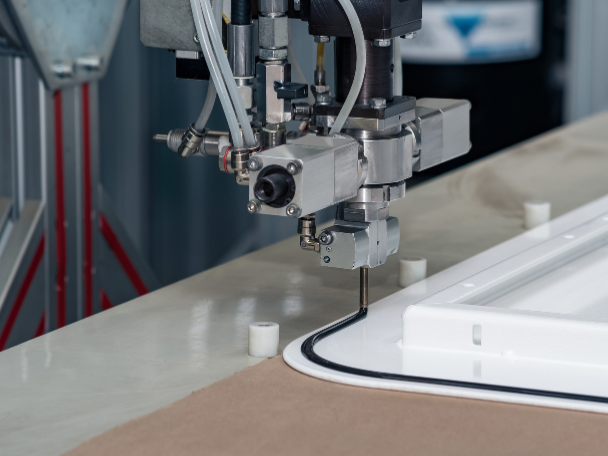
Automated dispensing systems apply one- and two-component materials for bonding, sealing, potting, and thermal management. Metering, robotic motion, custom nozzles, inspection, and process data ensure the required pattern and material volume.
Why Automotive Battery Manufacturers Partner with ATS
ATS Industrial Automation combines automotive manufacturing experience, battery assembly expertise, testing, automation, and digital engineering to help manufacturers move programs from development to production with greater confidence.

Reduce Scrap & Rework
Inspection, testing, traceability, and process monitoring help identify quality concerns before they affect higher-value assembly stages.

Accelerate Production Readiness
Manufacturability assessments, proof of principle activities, simulation, and process validation help manufacturers evaluate production strategies earlier, reducing delays during launch planning.

Reduce Launch Risk
Early evaluation of assembly methods, joining processes, thermal-management requirements, testing strategies, and material flow helps identify challenges before equipment design begins.

Build Quality into Every Assembly Stage
Integrated inspection, traceability, validation, and testing at high-risk process steps helps to identify quality concerns throughout production rather than relying solely on final pack testing.

Scale Volume Without Sacrificing Consistency
Automation, flexible tooling, process controls, and production intelligence support repeatable assembly as programs move from pilot production to higher-volume manufacturing.

Adapt to Evolving Battery Architectures
Manufacturers continue to evaluate new module designs, cell-to-pack strategies, thermal-management approaches, and pack configurations. Flexible manufacturing systems help support future product evolution.
Automotive Battery Automation in Practice
Automotive battery manufacturers must balance product quality, production timing, thermal management requirements, and implementation risk. The following examples demonstrate how engineering, validation, and automation strategies can help address specific manufacturing challenges.

Optimizing Thermal Management for EV Batteries
Improve Consistency in Thermal Interface Material Application
An automotive manufacturer improved EV battery performance and production with a precise TIM application system, enhancing thermal management and reducing maintenance.

Virtual Commissioning for Automotive Battery Production
Validate System Performance Before Installation
Discover how a leading automotive company minimized downtime and optimized production with virtual commissioning for a new gluing station.

Cell-to-Pack Battery Assembly
Explore Design and Manufacturing Considerations
Explore key considerations for incoming cell preparation, sorting and matching, direct integration, thermal management, structural assembly, testing, and traceability in modern cell-to-pack battery architectures.
Plan Your Automotive Battery Assembly Program
Whether you’re developing a line for a battery module, cell-to-pack architecture, or complete battery pack, early manufacturing input helps clarify assembly methods, testing requirements, material flow, quality strategies, and production risks.
Discuss your battery design, production goals, and manufacturing challenges with ATS Industrial Automation to identify practical next steps for improving production readiness and supporting future growth.
