- Industries
- Solutions
- Service
- Resources



Battery pack assembly integrates cells strings or modules, electrical interconnects, cooling systems, enclosures, sensors, and structural components. Each element must function within the system and meet quality, reliability, and traceability standards.
As battery architectures shift from module-to-pack to cell-string and cell-to-pack designs, manufacturers must evaluate both the product and assembly process. Choices in welding, thermal management, electronics, sealing, testing, and service access impact overall battery performance and production efficiency.
ATS Industrial Automation partners with battery manufacturers to develop assembly and testing processes tailored to their unique battery design, production targets, and quality requirements.
Challenges in Battery Pack Manufacturing
Battery packs integrate multiple specialized systems, but as process step integration increases, opportunities for inspection, testing, or repair of internal components decrease.

Assembly Complexity Continues to Increase
A battery pack may include electrical connections, thermal components, sensors, insulation, structural parts, sealing systems, and software interfaces.
Effective part coordination requires a defined assembly sequence, accessible inspection points, and quality checks aligned with the product design.

Thermal Management Requires Consistent Assembly
Battery performance and reliability depend on proper cooling system installation, thermal interface material application, sealing quality, and leak-free fluid paths.
Manufacturers require processes that control material placement and component fit, while considering assembly time, inspection access, and future service needs.

Late Quality Concerns Increase Scrap & Rework
Identifying issues after pack completion can impact components and processes that have already contributed significant value.

Battery Architectures Continue to Evolve
Manufacturers are refining cell formats, module structures, cell-to-pack configurations, cooling systems, and enclosure designs, all of which directly impact assembly processes and can introduce new risks.
Connected Battery Pack Assembly & Validation
Battery pack manufacturing includes electrical joining, electronics integration, thermal system assembly, enclosure installation, testing, and final integration. ATS develops supporting manufacturing processes and equipment based on battery architecture, quality requirements, and production needs.
Interconnect Welding
Establish Consistent Electrical Connections
Electrical connections between cells, strings, modules, and pack components affect battery performance and reliability. Material condition, positioning, fit, and process variation can impact connection quality.
ATS integrates laser welding, process monitoring, inspection, and traceability to ensure consistent joining and provide production data for each critical connection.

Smart Battery Electronics Integration
Connect and Verify Critical Electronics
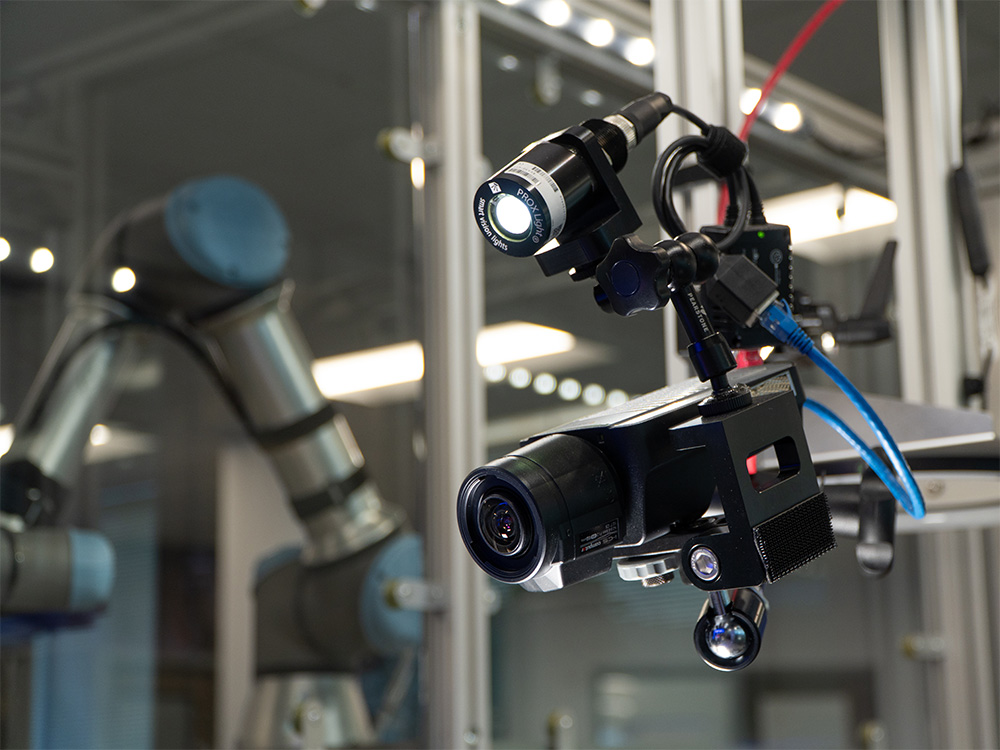
Battery management systems, sensors, wiring, communication hardware, and power distribution components enable pack monitoring and operation. Assembly automation, connector verification, vision inspection, and functional testing confirm battery electronic component placements and connections before final validation.
Discover how connected production data supports battery electronics integration and verification.
Busbar Assembly
Control Placement Before Joining
Busbars form electrical pathways between battery components. Their position, fit, material condition, and alignment influence joining quality and electrical performance.
Robotic positioning, configurable fixtures, machine vision, and in-process verifications help control busbar placement before welding or other joining processes finalize it.

Electrical Testing
Verify Battery Functions Throughout Assembly
Electrical testing occurs at multiple stages of battery pack production, not just at the end of the line.
Test plans may include electronic communication, open-circuit voltage, internal resistance, current validation, isolation or HiPot checks, and charge or discharge verification, depending on the product.
Housing & Sealing
Protect Batteries Throughout Their Lifecycle
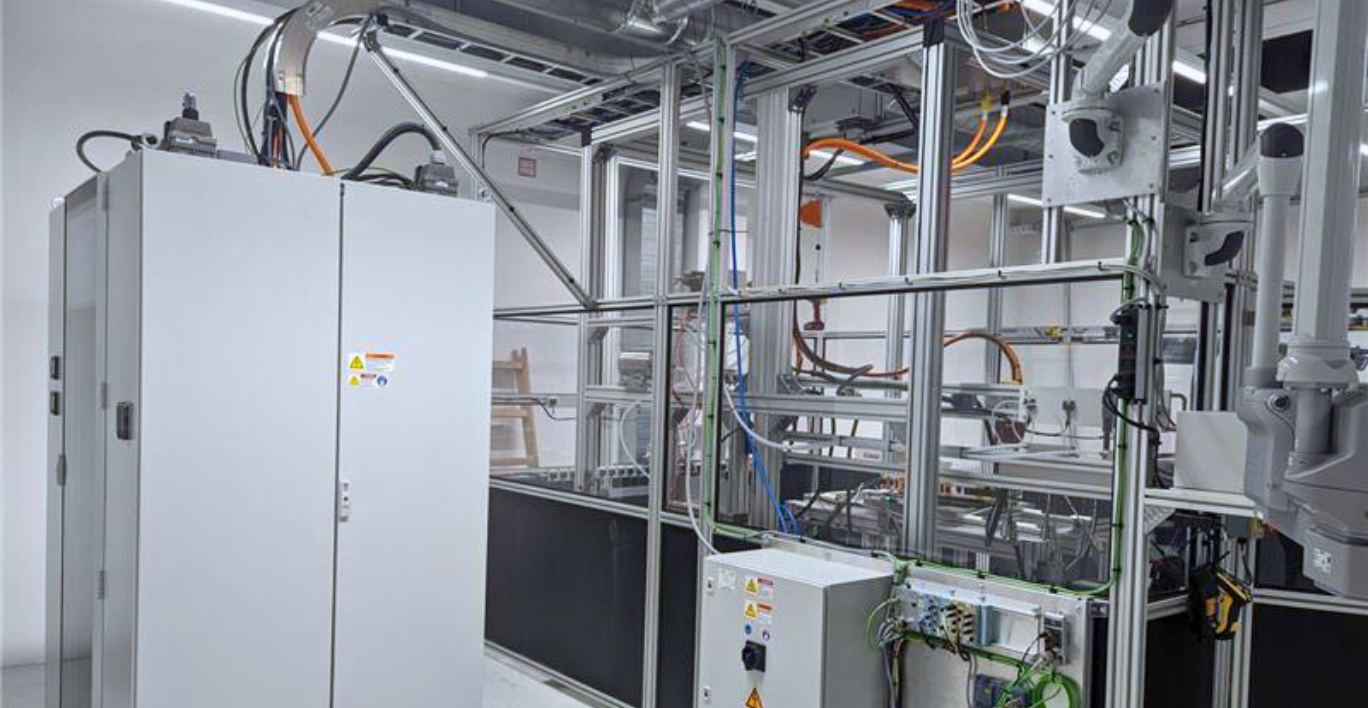
Ensuring enclosures meet structural requirements, protect internal components, and provide interfaces for cooling, electrical connections, mounting, and service is a critical component of successful battery pack assembly.
Controlled dispensing, seal placement, fastening verification, inspection, and leak testing verify enclosure quality before final battery deployment.

Leak Testing
Verify Sealed Enclosures and Cooling Paths
Cooling circuits, fluid connections, enclosure seals, and other closed volumes require testing according to product design.
Integrating leak testing at appropriate assembly stages allows manufacturers to identify issues while affected areas remain accessible.

System Integration
Prepare the Battery Pack for Its Final Application
Battery packs connect with vehicles, robots, drones, aircraft, or energy storage systems, each requiring specific mechanical, electrical, communication, and testing interfaces.
Controls engineering, digital engineering, and system-level testing enable manufacturing teams to evaluate these connections before battery integration into the final product.
Technology to Support Battery Pack Assembly & Testing
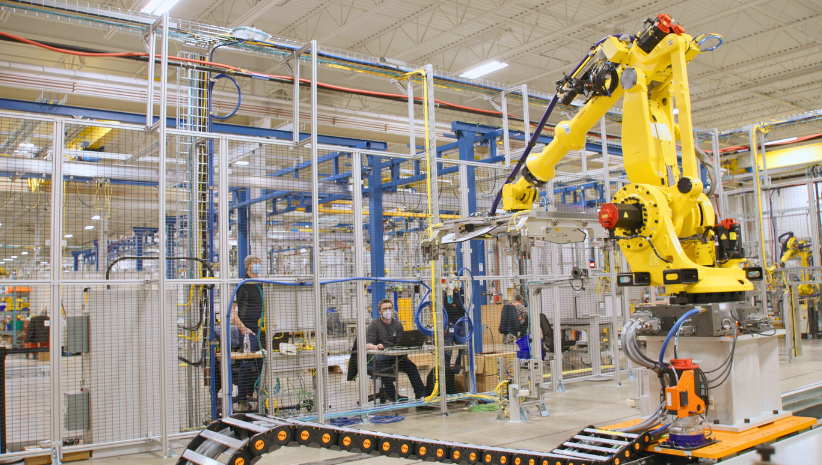
Battery pack manufacturing requires integrated technologies for assembly, joining, testing, material flow, and production data. ATS aligns these technologies with battery architecture and quality requirements.
Laser Welding
Support Reliable Electrical Connections
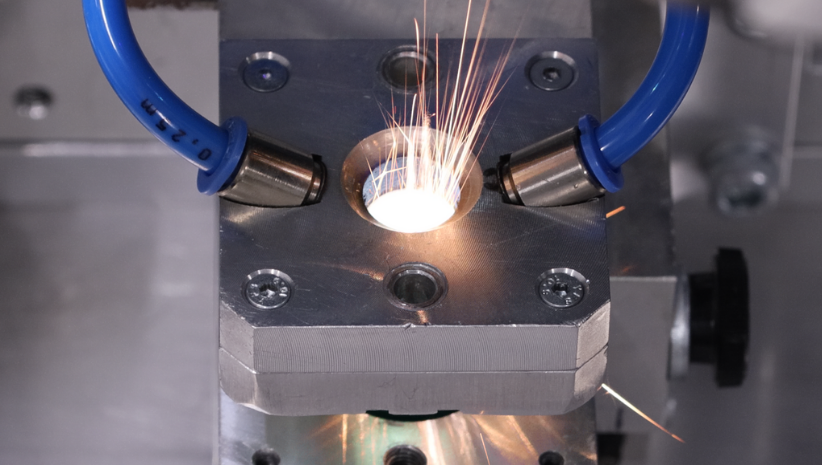
Laser welding supports battery interconnects, busbars, enclosures, and structural components.
Process development, controlled material presentation, gap management, monitoring, and inspection enable battery manufacturers to manage joining quality throughout production.
Adhesive Dispensing
Control Thermal and Structural Materials
Battery pack assembly uses dispensing at different manufacturing stages depending on the product requirements.
Automated motion, specialized tooling, process monitoring, and inspection help control the location and amount of material applied.
Robotic Assembly
Improve Placement and Process Consistency
Robotic systems help to handle battery part placement, fastening, loading, material presentation, and pack integration.
Configurable tooling and enable manufacturers to manage precision-critical operations and support various product configurations.
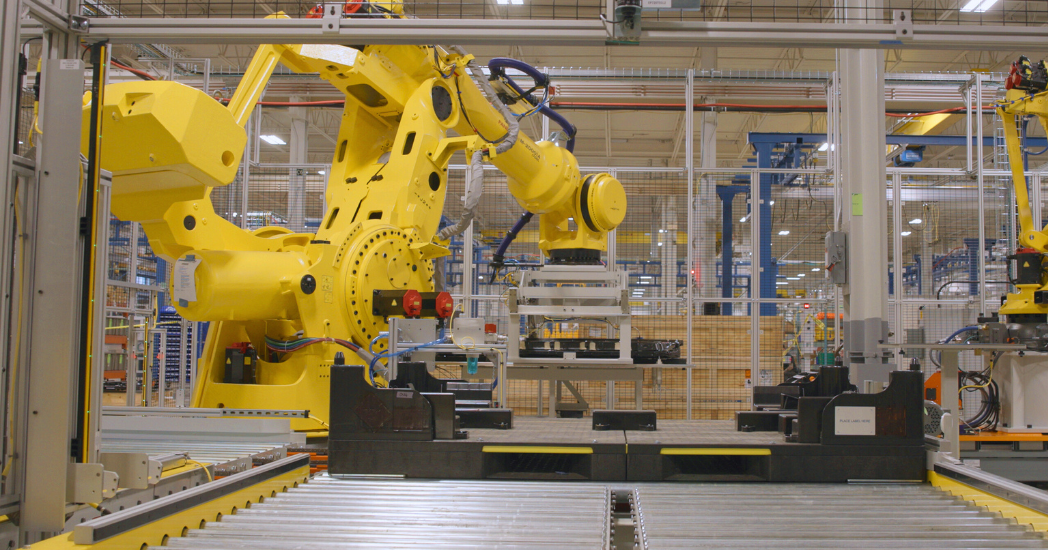
Material Handling
Coordinate Movement Through Battery Production
Battery modules and packs require controlled transportation, buffering, positioning, and presentation between manufacturing operations.
The mix of conveyors, robotic handling, automated guided vehicles, and other material-flow technologies depends on product weight, facility layout, process sequence, and production volume.

Digital Engineering
Evaluate Production Systems Before Installation
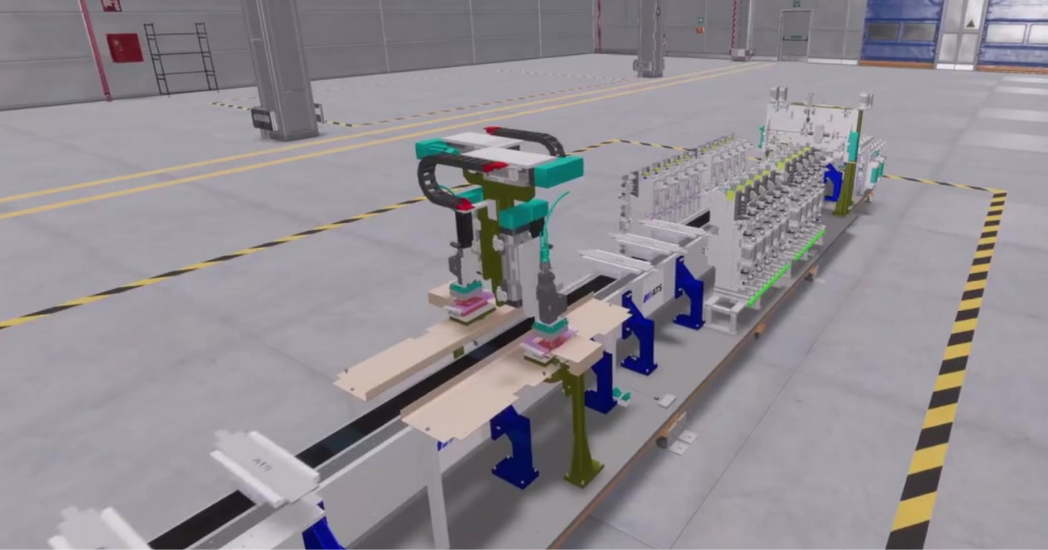
Simulation, digital twins, virtual commissioning, and manufacturability assessments allow teams to review equipment interactions, process flow, facility constraints, and production assumptions before equipment is built.
Battery Pack Assembly Across Multiple Industries
Each battery pack application has unique requirements for weight, size, production volume, serviceability, testing, and operating conditions. ATS Industrial Automation helps to develop manufacturing processes and equipment to address these specific needs.

Automotive Battery Packs
Automotive battery packs include high-voltage connections, cooling systems, large structural components, sealing processes, and rigorous test requirements.
Automotive battery packs include high-voltage connections, cooling systems, large structural components, sealing processes, and rigorous test requirements.

Drone Battery Packs
Commercial drone batteries require lightweight construction, compact packaging, reliable charging, and protection from operational and transportation stresses.
Controlled electronics integration, joining, sealing, testing, and traceability help manufacturers maintain battery quality while meeting weight and space constraints.

Humanoid Robot Battery Packs
Humanoid robot batteries require compact packaging, effective thermal control, accessible service interfaces, and designs that support movement and balance.
Configurable assembly systems enable manufacturers to adapt as robot and battery architectures evolve.

Aerospace Battery Packs
Aerospace battery packs require application-specific protection features, documentation, testing, environmental validation, and traceability.
Controlled assembly, welding, inspection, and testing provide the production records and process visibility required for demanding battery programs.
Why Battery Manufacturers Work with ATS
ATS leverages battery assembly experience from over 110 battery lines to support automation development, testing, and manufacturing planning for battery pack programs across industries.

Identify Manufacturing Concerns Earlier
Early reviews enable teams to evaluate pack design, assembly workflow, welding, testing, material flow, thermal systems, and manufacturability before finalizing equipment decisions.
Reduce Avoidable Scrap & Rework
In-process inspection, testing, traceability, and process monitoring identify defects before higher-value assembly stages are completed.

Support Evolving Battery Architectures
Modular equipment, configurable tooling, and flexible testing approaches enable manufacturers to adapt as battery designs and production requirements change.
Prepare for Production Growth
ATS supports battery programs through development, proof-of-principle, pilot production, and high-volume manufacturing.
“ATS Industrial Automation has brought significant technology that has helped improve the efficiency of our battery modules and packs lines.”
Battery Assembly Engineer,
Large American OEM.
Battery Pack Manufacturing in Practice
Battery manufacturers often face challenges with production timing, thermal material application, and system implementation. See how engineering and automation approaches address these manufacturing needs.
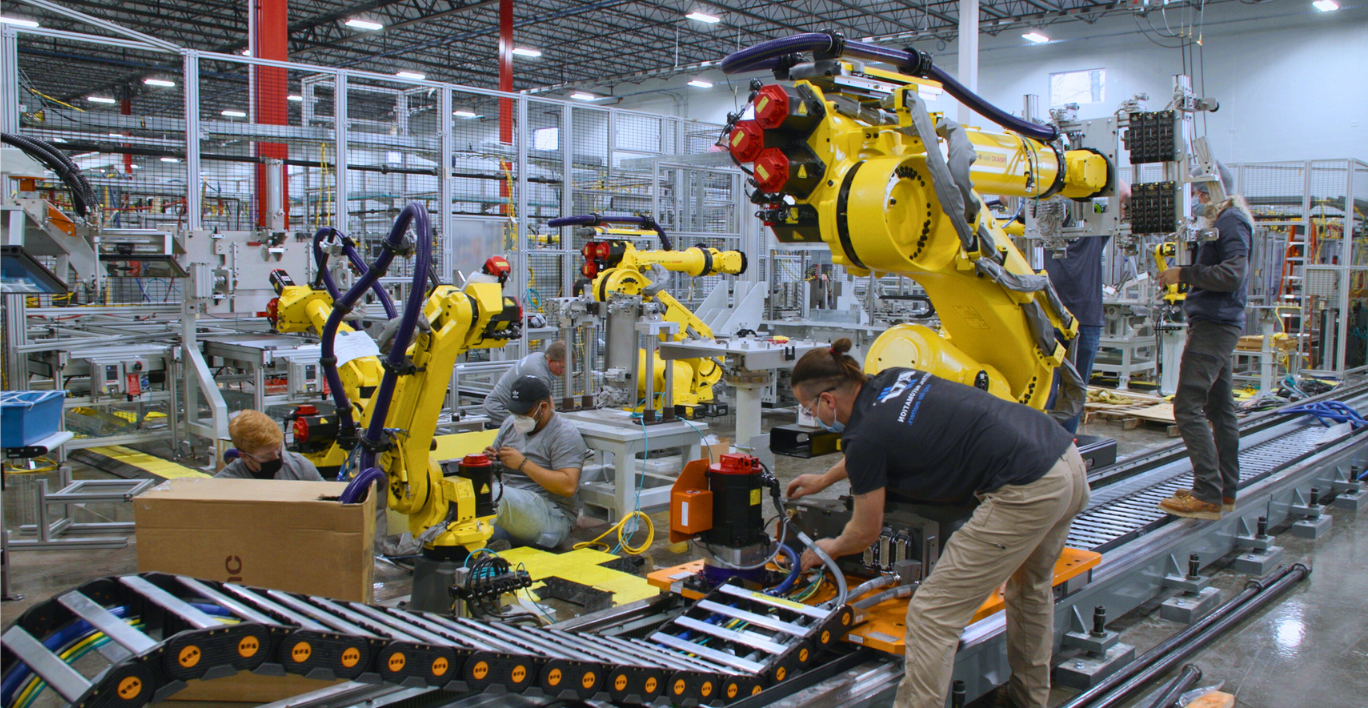
Meeting Aggressive Battery Manufacturing Timelines
Coordinate Production Planning Under Schedule Pressure
A battery manufacturer was managing an aggressive program schedule while balancing evolving manufacturing and quality objectives. Coordinated planning and execution supported progress toward the aggressive timeline.

Optimizing Thermal Management for EV Batteries
Improve Thermal Interface Material Application
An automotive manufacturer improved EV battery performance and production with a precise TIM application system, enhancing thermal management and reducing maintenance.
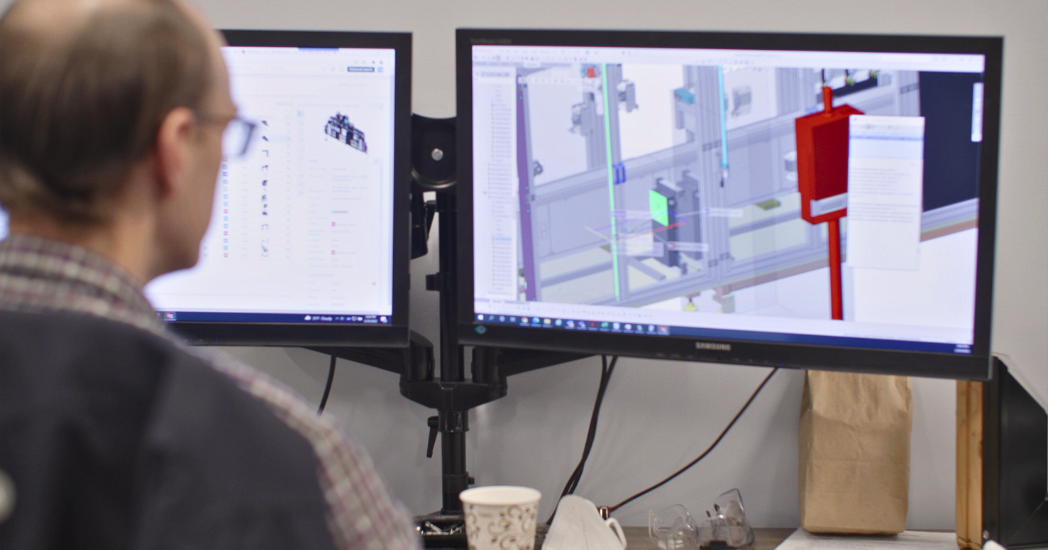
Using Virtual Commissioning in Battery Manufacturing
Evaluate Production Systems Before Deployment
Virtual commissioning and digital engineering allowed teams to review controls and equipment interactions before physical implementation, enabling earlier identification of system concerns in this battery manufacturing line.
Plan Your Battery Pack Assembly Program
Whether the battery pack is for a vehicle, energy storage system, drone, humanoid robot, or aerospace application, early manufacturing discussions help to clarify assembly methods, welding requirements, testing, traceability, thermal processes, and material flow.
Discuss your battery manufacturing program with ATS Industrial Automation. Together, we can identify practical next steps to improve quality and prepare your battery pack for production.

