

Sensor manufacturers face constant pressure to deliver consistent quality while managing high mix, tight tolerances, and aggressive production scheduling. Small deviations during assembly or calibration can lead to downstream failures, warranty exposure, and costly rework.
Quality control in manufacturing sensors works best when quality checks occur as parts move through the line. In‑line testing and end‑of‑line testing embed quality inspection directly into production management, helping you identify issues early and prevent defects from advancing downstream.
Why Sensor Manufacturing Quality Breaks Down
Sensor production introduces unique quality risks tied to precision assembly, electrical behavior, and calibration stability. Common contributors to quality issues include:
- Manual inspection that fails to scale with volume.
- Limited visibility into defects until final test.
- High changeover rates that introduce process variation.
- Inconsistent quality checks between product variants.
Without structured quality inspection during assembly, production teams rely on end-of-line tests alone to catch defects. By the time issues appear, scrap and rework costs have increased exponentially.
Managing High‑Mix Sensor Production Without Sacrificing Quality
Sensor manufacturing often involves frequent changeovers. New variants introduce changes in housings, PCBs, connectors, or calibration requirements. Manual inspection struggles to keep pace with this variability.
Automated in‑line testing supports high‑mix production by standardizing quality inspection regardless of product variation. Modular test stations and configurable test logic allow you to maintain consistent quality control while supporting fast production scheduling.
Using In‑Line Testing to Catch Defects Early
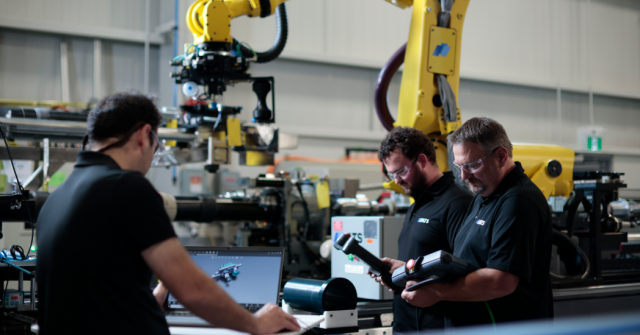
In‑line testing integrates quality checks directly into the assembly process. Instead of waiting until the end of the line, you verify sensor part performance at critical build stages.
In‑line testing helps you:
- Detect assembly errors at the point of creation.
- Verify electrical output, continuity, and signal stability during production.
- Reduce scrap and rework caused by late discovery.
- Maintain consistent quality checks across product variants.
- Identify process steps that are causing rework.
Strengthening Sensor Quality with End‑Of‑Line Testing
End‑of‑line testing validates final sensor performance before shipment. This step confirms that each unit meets functional requirements and customer specifications.
End‑of‑line quality inspection supports:
- Functional validation under operating conditions.
- Traceability for audits and customer requirements.
- Protection against field failures and returns.
End‑of‑line testing works best when paired with in‑line testing. Early checks reduce the number of defective units reaching final inspection, which improves throughput and stabilizes production management.
Measuring Electrical Performance During Sensor Manufacturing
Electrical behavior often defines sensor performance. Variations in resistance, signal output, or continuity often trace back to assembly or component issues.
Integrating electrical measurement into in‑line and end‑of‑line testing allows you to verify performance before sensors leave the line. This approach improves quality inspection consistency and supports faster root cause analysis.
Connecting Quality Inspection to Digital Manufacturing Systems
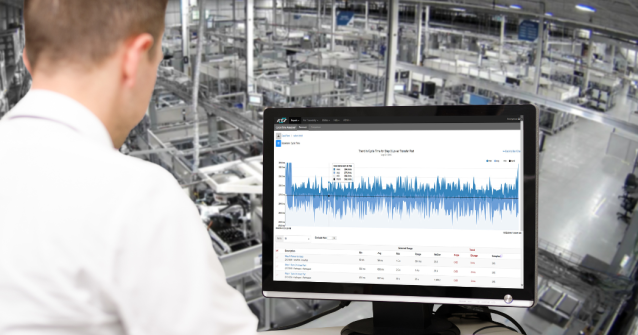
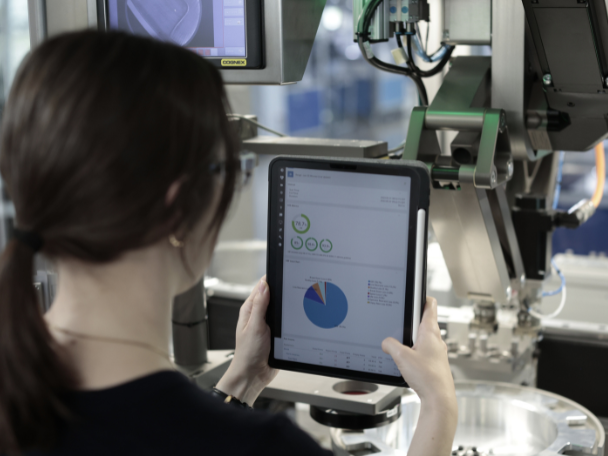
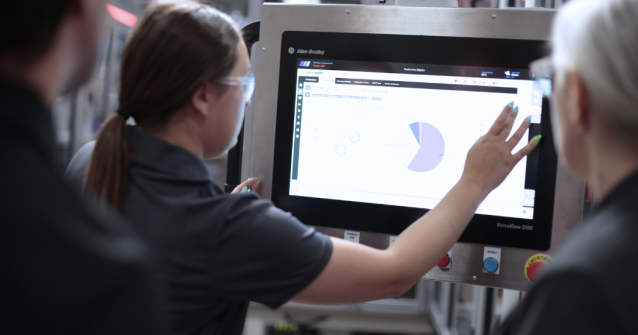
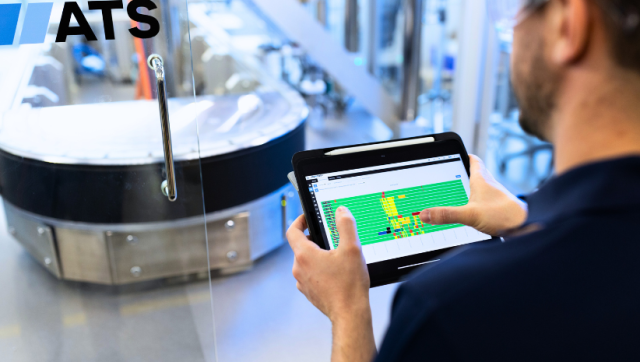
Modern sensor manufacturing relies on data to improve process control. Test results from in‑line and end‑of‑line inspection feed traceability systems, manufacturing execution systems, and quality dashboards.
This data supports:
- Faster root cause analysis.
- Trend detection across shifts and variants.
- Continuous improvement initiatives tied to digital transformation.
FAQs
How does in‑line testing improve sensor manufacturing quality?
In‑line testing identifies defects during assembly, which reduces scrap, improves quality checks, and stabilizes production scheduling.
Why does sensor manufacturing need both in‑line and end‑of‑line testing?
In‑line testing catches issues early. End‑of‑line testing confirms final performance. Together, they strengthen quality control in manufacturing.
How does high product variation impact sensor quality?
Frequent changeovers introduce process variation. Automated testing standardizes quality inspection across sensor variants.
What role does testing data play in quality control?
Testing data supports traceability, root cause analysis, and continuous improvement tied to digital manufacturing systems.
Building Quality into Every Stage of Sensor Production
Sensor product quality improves when quality inspection becomes part of production management instead of a final checkpoint. In‑line and end‑of‑line testing embed quality checks where defects occur, helping you reduce risk while maintaining throughput.
Talk with an automation and testing specialist to review your current sensor manufacturing process and identify where in‑line or end‑of‑line testing strengthens quality control during production.
Every testing project is unique. Allow us to listen to your challenges and share how automation can launch your project on time.

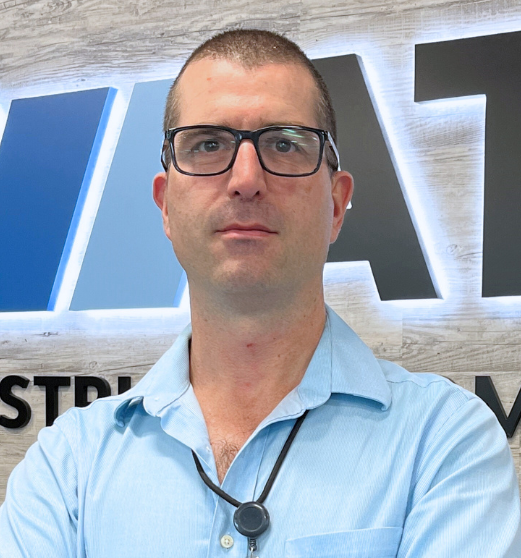
Patrick Tabis
Applications Group Lead
ATS Industrial Automation
Patrick helps companies across numerous industries with planning and deploying automation projects on a global scale. Patrick works with customers to optimize the technical design of production lines to drive operational efficiency.