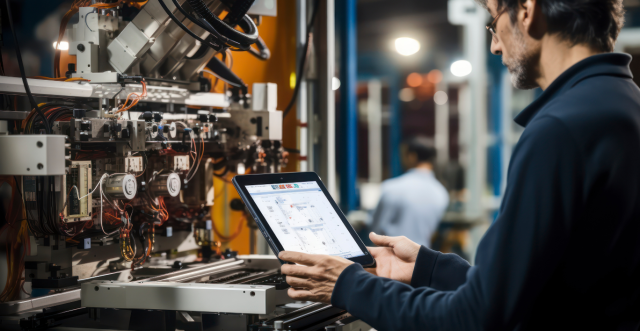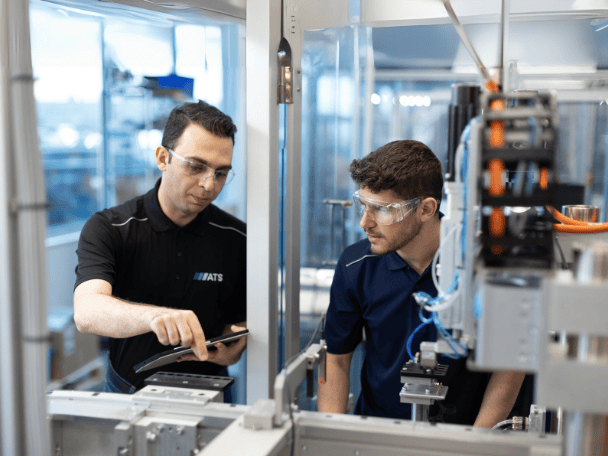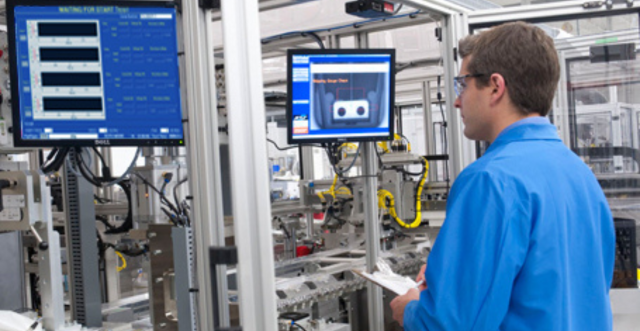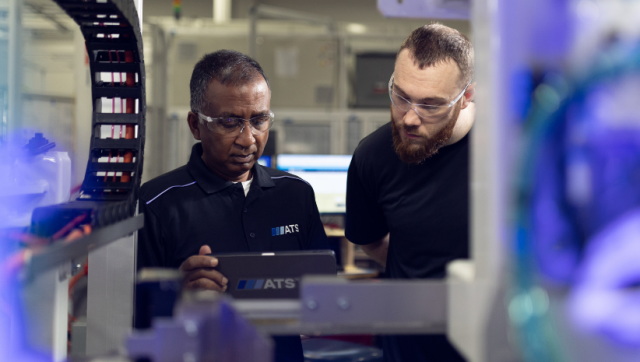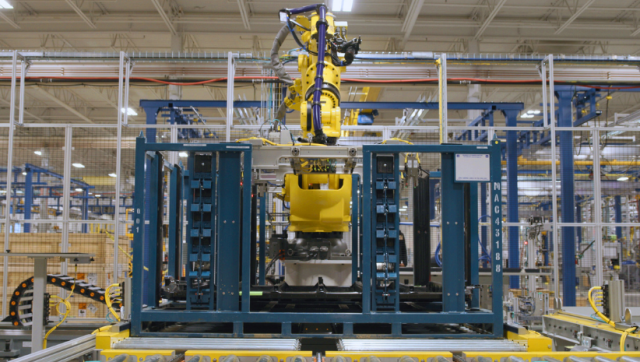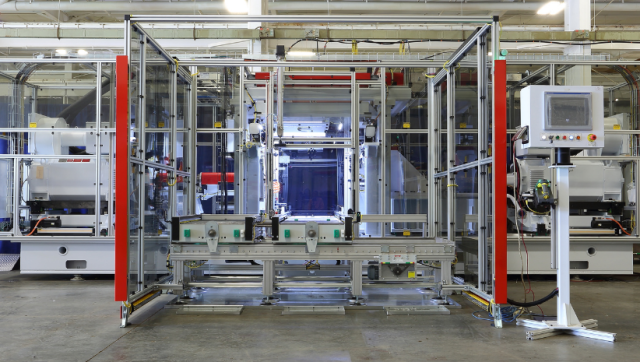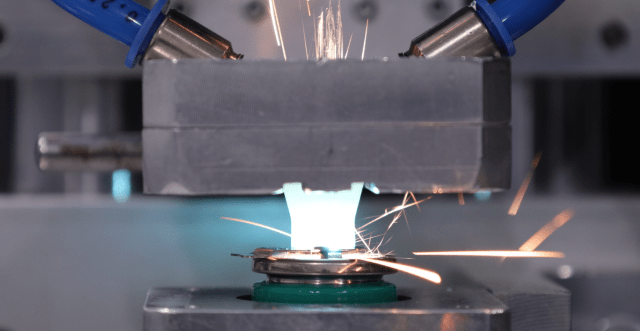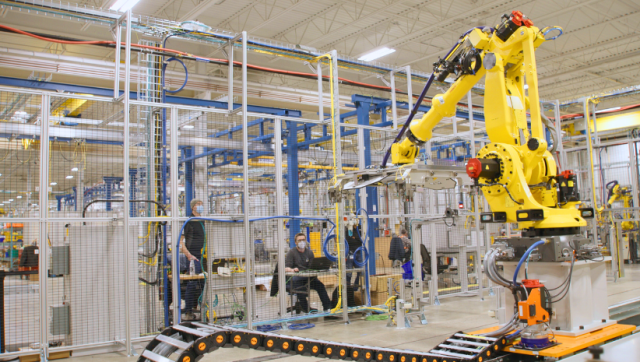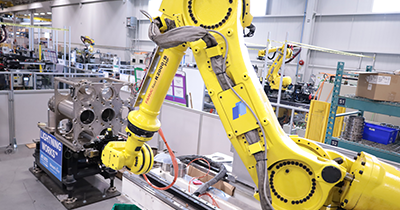


Modern manufacturers rely on real-time and historical equipment data to strengthen maintenance programs. Condition insight and performance metrics help teams refine preventive maintenance, improve equipment oversight, and increase maintenance effectiveness. Data-informed strategies reduce unplanned downtime, extend asset life, and support stable production capacity.
Why Equipment Data Drives Stronger Maintenance Plans
Automation equipment generates continuous operational data, including cycle counts, performance trends, quality results, and maintenance history. When teams review these signals together, early indicators of wear or performance drift become visible. This visibility supports:
- More precise preventive maintenance intervals.
- Lower mean time to repair (MTTR).
- Reduced mean time to failure (MTTF).
- Improved production stability and throughput.
Manufacturers that use these data sets can build maintenance plans aligned with risk, cost, and operational impact. The result is more consistent performance across the value stream.
A Risk-Based Approach to Industrial Maintenance
High performing manufacturers understand which assets carry the greatest operational importance. Through structured criticality analysis, teams define the risk profile of each asset and align maintenance plans with failure consequences and production priorities.
A risk-based maintenance program blends multiple strategies:
- Run-to-replace for low-risk, low-impact components.
- Operator care supporting routine inspection and cleaning.
- Time-based preventive maintenance for predictable wear.
- Condition-based maintenance using real-time equipment data.
This balance ensures maintenance resources support production goals, particularly in high throughput automation environments.
Unlocking High Performance Through Data Analysis
Strong maintenance programs depend on consistent analysis of relevant data. Understanding how equipment behaves during normal operation and as conditions change allows teams to intervene earlier. Key data sources include:
- Machine performance trends such as cycle time, torque, vibration, and fault codes.
- Production outcomes, including yield and quality results.
- Maintenance history of past repairs and replaced components.
These insights help maintenance teams refine preventive tasks and improve work instructions, spare parts planning, and repair sequencing.
Digital Services That Strengthen Maintenance Strategy
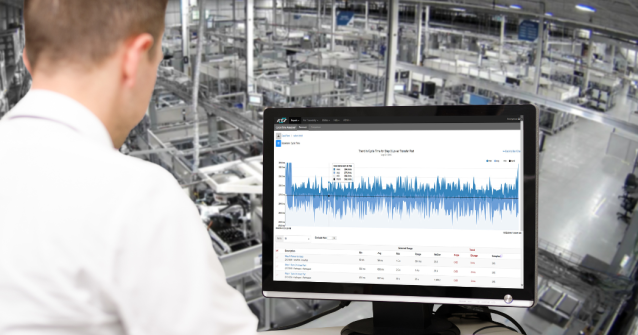
Digital platforms such as Illuminate™ Manufacturing Intelligence support the shift from reactive maintenance toward proactive planning. Illuminate™ improves visibility, coordination, and decision making across maintenance activities.
Centralized Asset Data and Maintenance Visibility
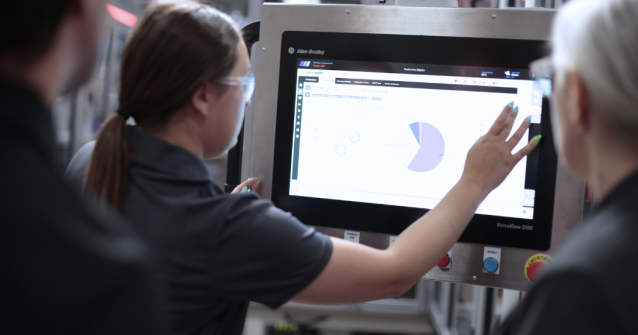
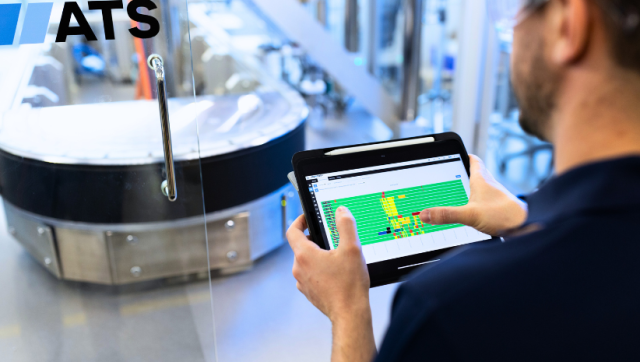
Historical data shows how many cycles components complete before service is required. Preventive maintenance dashboards support downtime planning and advance parts requests, reducing scheduling conflicts and preserving asset health.
Guided Task Management for Technicians
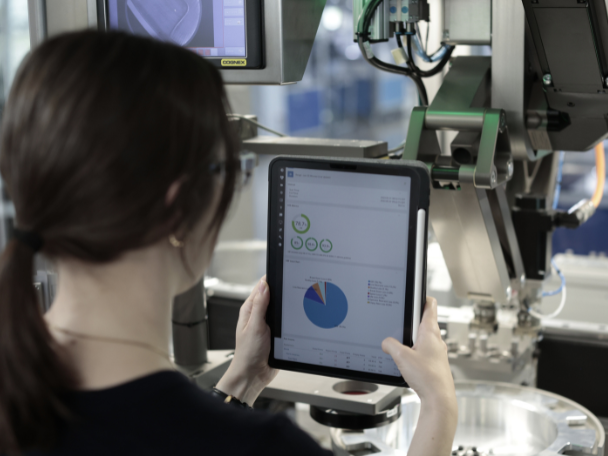
Technicians access standardized instructions and checklists for each task. Completed work flows back into maintenance records, improving accuracy and future planning.
Equipment Health Scores Using Real-Time Data
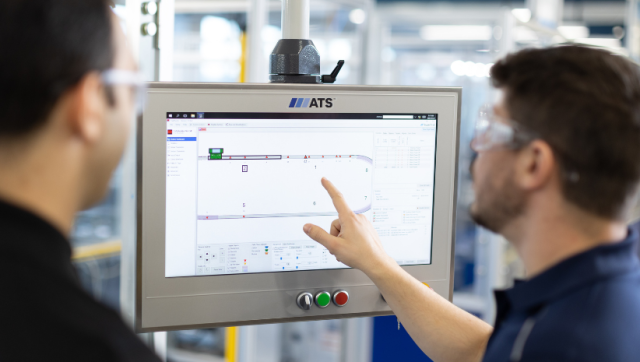
Monitoring inputs such as torque, vibration, and cycle time highlights early performance deviation. Early visibility gives technicians time to act before failures disrupt production, supporting uptime and line stability.
How Improved Maintenance Strategies Impact Production
Manufacturers applying data-driven maintenance approaches often enjoy:
- Higher equipment availability.
- Fewer emergency repairs.
- Lower lifecycle maintenance costs.
- More predictable production schedules.
- Extended asset life.
When operational knowledge pairs with digital tools, maintenance teams create stable conditions that keep automated systems operating efficiently.
FAQ
How does preventive maintenance reduce downtime?
Preventive maintenance aligns service activities with known wear patterns and operating behavior, allowing leaders to plan asset servicing before unexpected failure, with the intention of avoiding most failures.
How does equipment data improve maintenance planning?
Equipment data reveals patterns in cycle counts, performance changes, and historical failures. These insights help teams adjust maintenance timing, task scope, and parts requirements.
What role do digital services play in maintenance?
Digital tools centralize asset information, automate data capture, and provide real time monitoring. This improves maintenance planning accuracy and execution.
Why is risk-based analysis important?
Not all equipment carries the same production impact. Risk-based analysis directs maintenance effort toward assets that most influence output, quality, and cost.
Can automation manufacturing benefit from condition-based maintenance?
Yes. Condition-based monitoring identifies early performance changes in automated systems, allowing intervention before failures affect operations.
A More Predictable, Efficient Path to Equipment Management
Manufacturers that adopt data-driven maintenance strategies gain greater operational consistency. By combining equipment insight, targeted maintenance planning, and digital services, teams can improve overall equipment effectiveness, reduce downtime, and maintain predictable production. Maintenance programs improve when real time data supports clear, timely decisions, and automation manufacturing environments benefit most when maintenance strategies align with this approach.
Contact us today to get started.
Every project is unique. Allow us to listen to your challenges and share how automation can launch your project on time.

Mike Stovin
Director, Service and Enterprise Programs
ATS Industrial Automation
For more than 15 years, Mike has helped manufacturers minimize downtime and extend equipment life through advanced automation services. By combining preventive maintenance strategies with tailored service plans, Mike enables production teams to improve operational efficiency and protect critical assets.