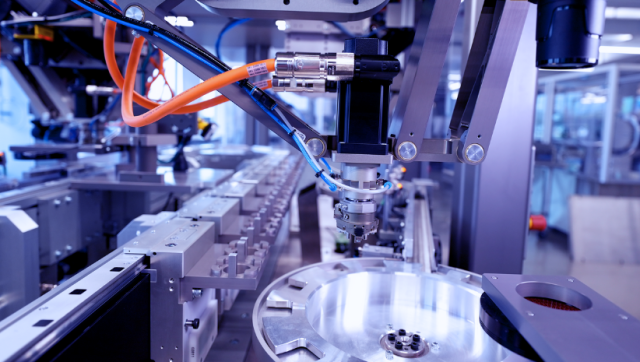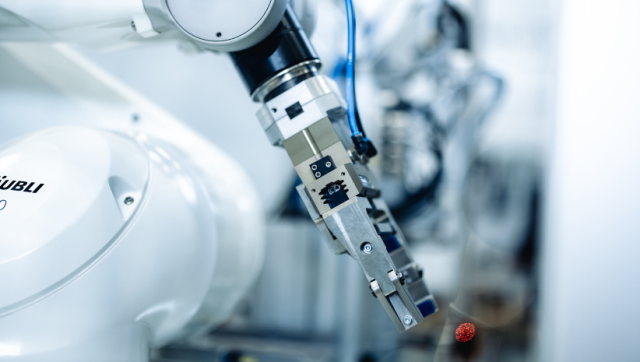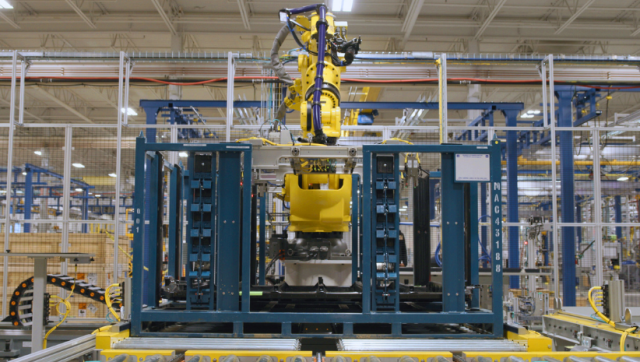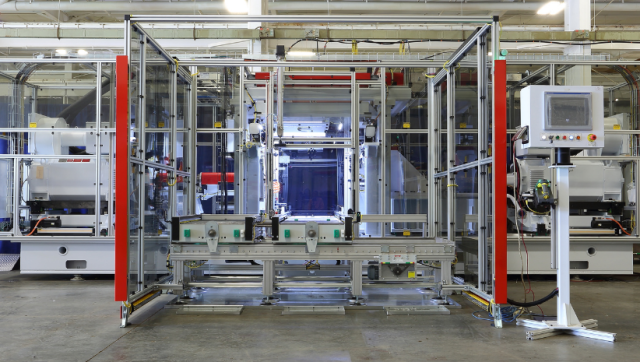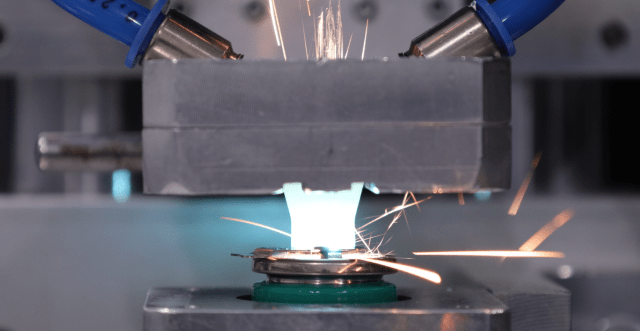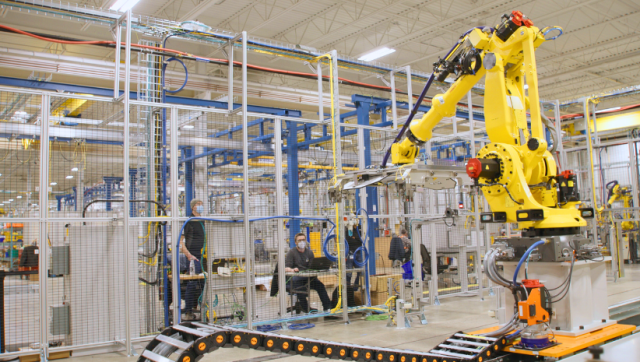


High volume manufacturing sits at the core of CPG production. Products such as manual toothbrushes, health and hygiene items, and small household devices demand consistent quality across millions of units while maintaining cost control and production stability. As volumes rise, manufacturing teams face tighter tolerances, demand shorter cycle times, and are challenged with frequent product updates.
Yet, when production scales without the right automation approach, problems surface quickly. Quality drift, unplanned downtime, and delayed launches place pressure on margins and customer expectations. Manufacturing automation, paired with flexible production platforms and digital tools, gives OEMs a structured way to scale high volume product manufacturing while protecting reliability.
Consumer Product High Volume Manufacturing
High volume manufacturing refers to the sustained production of large quantities of the same or closely related products. In consumer product manufacturing, this often involves continuous, automated production lines operating across multiple shifts.
Common examples of high volume product manufacturing include:
- Manual toothbrush assembly with bristle insertion, trimming, and packaging.
- Consumer electronics manufacturing for accessories and small devices.
- Health and hygiene product manufacturing with strict quality requirements.
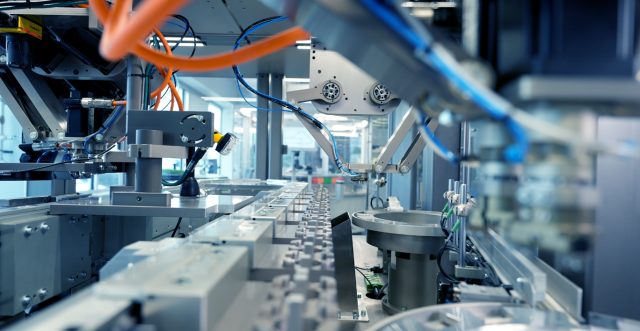
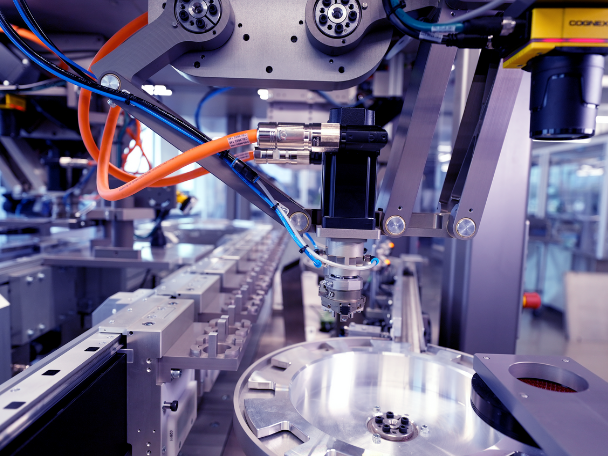
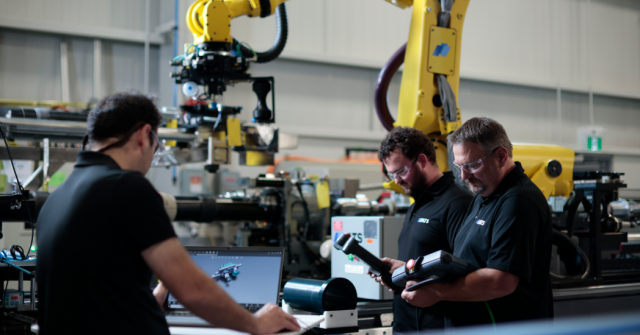
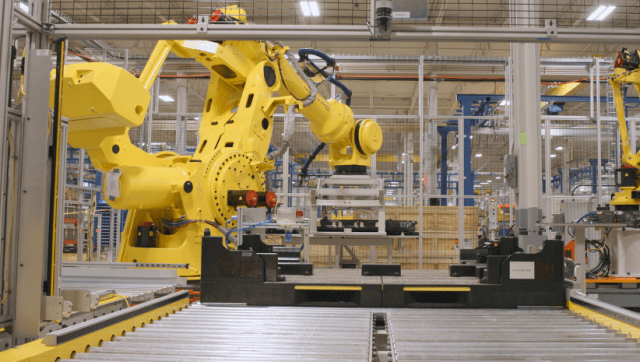
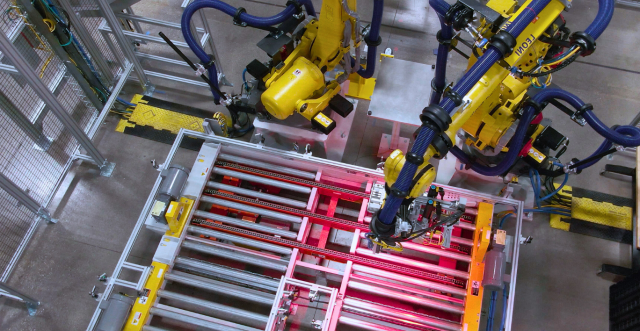
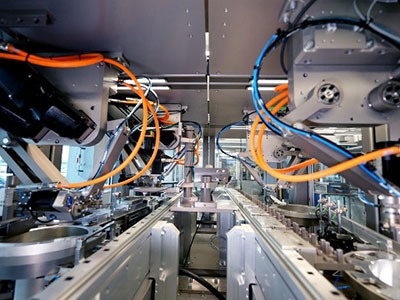
These applications depend on precision manufacturing to maintain consistency at high speeds. High speed assembly systems support accurate placement, joining, and inspection as throughput increases. Learn more about high speed, high stakes precision assembly here.
High Volume Product Manufacturing Challenges
As volumes increase, small inefficiencies quickly turn into costly issues. High volume manufacturing introduces challenges that compound over time.
Common challenges include:
- Limited flexibility when multiple SKUs share one line.
- Bottlenecks caused by fixed, linear conveyance.
- Increased defect risk at higher speeds.
- Longer validation cycles during new product launches.
- Scrap and rework impacting cost per unit.
Manufacturers producing items such as toothbrushes often manage multiple variants across color, packaging, or handle design. Without adaptable manufacturing automation, changeovers reduce uptime and constrain output. Defect prevention also becomes more difficult as speed increases.
Learn more about avoiding part and product defects.
Why Manufacturing Automation Matters in High Mix, High Volume Production
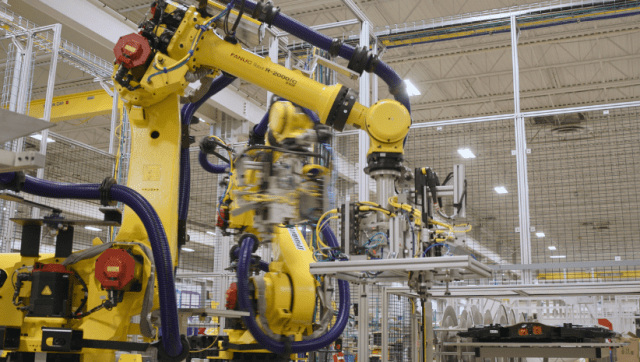
Manufacturing automation supports scale while controlling variability. In high mix, high volume environments, automation must support parallel processing, rapid changeovers, and consistent cycle times.
Automation enables:
- Stable output at higher speeds.
- Reduced reliance on manual labor for repetitive tasks.
- Consistent quality across long production runs.
- Inline inspection and testing.
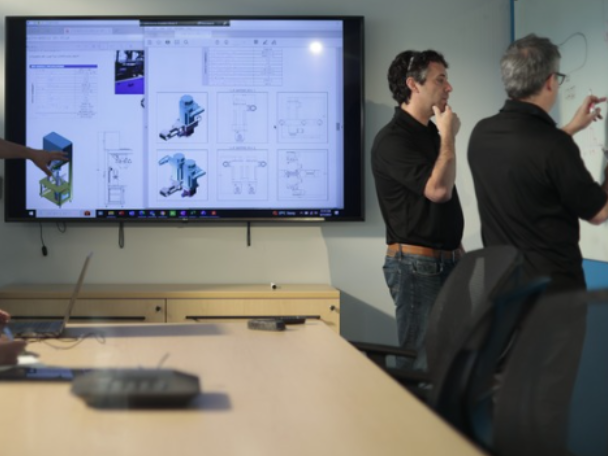
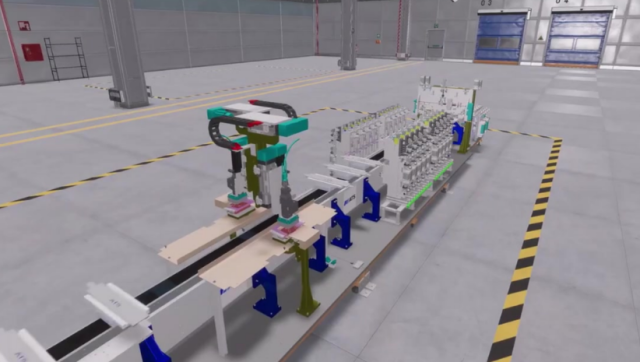
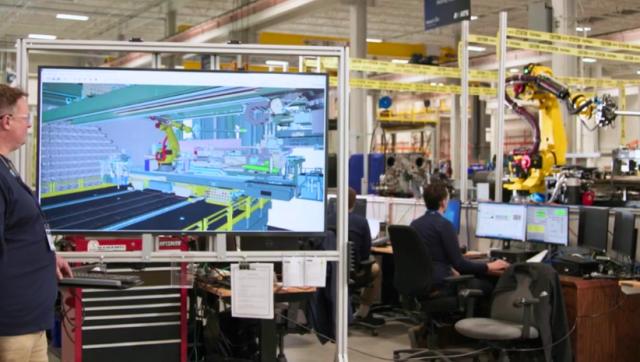
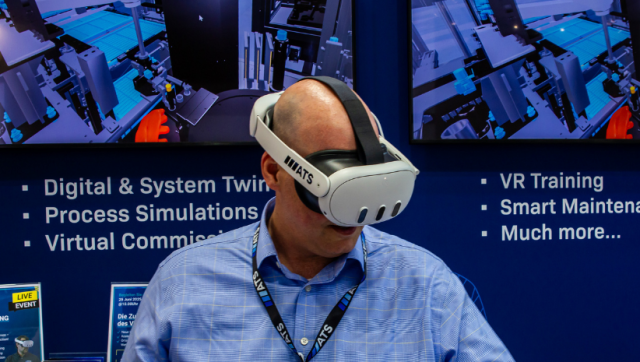
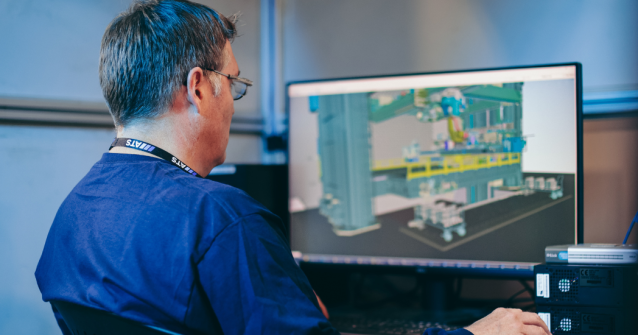
Digital tools such as system twins support early testing and validation before equipment reaches the factory floor. This approach reduces commissioning risk and supports faster ramp up. Learn more about system twins and testing validation here.
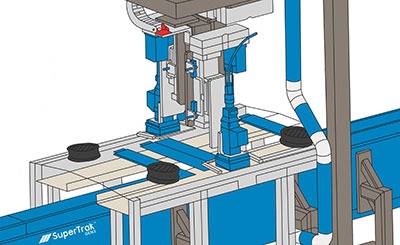
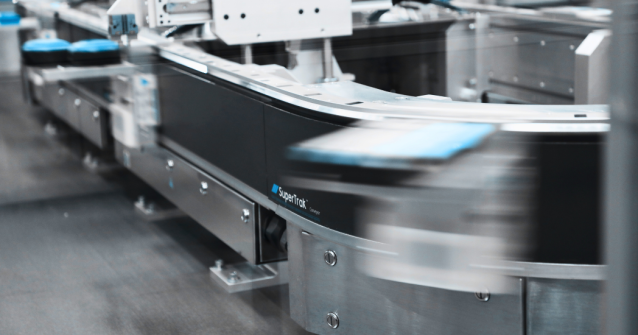
Flexible Production Lines for High Volume Manufacturing with SuperTrak CONVEYANCE™
Traditional conveyor systems limit flexibility in high volume manufacturing. Intelligent conveyance platforms support scalable production while accommodating product variation.
SuperTrak CONVEYANCETM, a modular, flexible platform supports high volume manufacturing by enabling:
- Independent shuttle control for parallel operations.
- Rapid reconfiguration for multiple products.
- Reduced footprint compared to fixed conveyors.
- Precise positioning for assembly, inspection, and packaging.
This production approach supports consumer product manufacturing where toothbrush models or packaging formats share common processes.
If you’re in the earlier stages of product development, an adaptable platform designed to accelerate deployment timelines, simplify reconfiguration, and support scalable manufacturing automation could be the right solution.
Digital Manufacturing Intelligence in High Volume Production
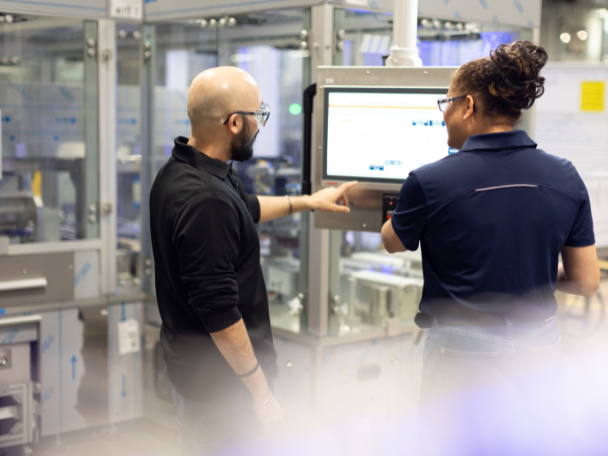
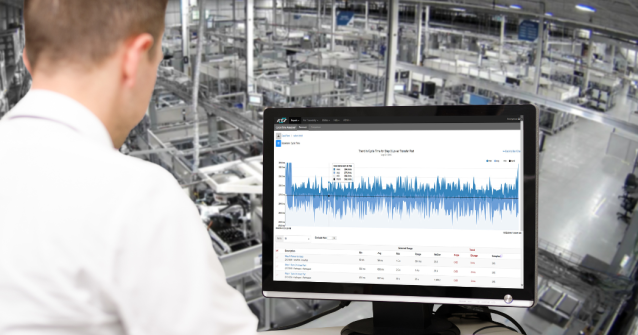
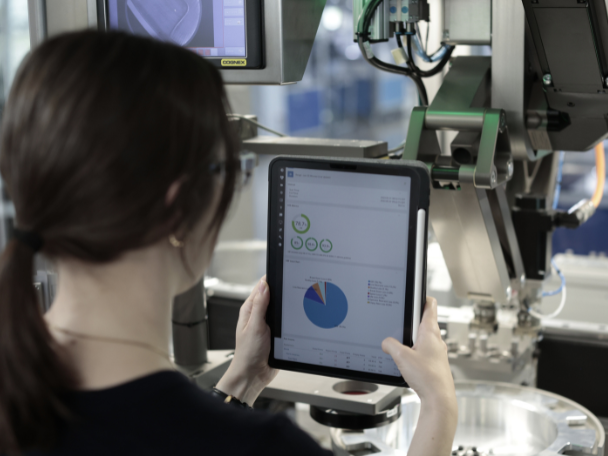
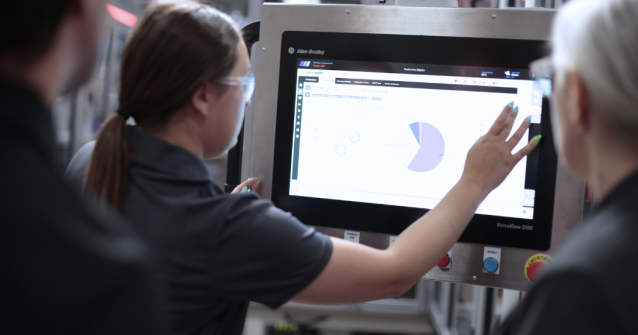
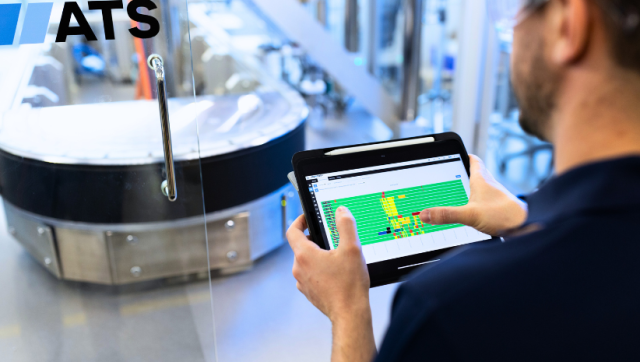
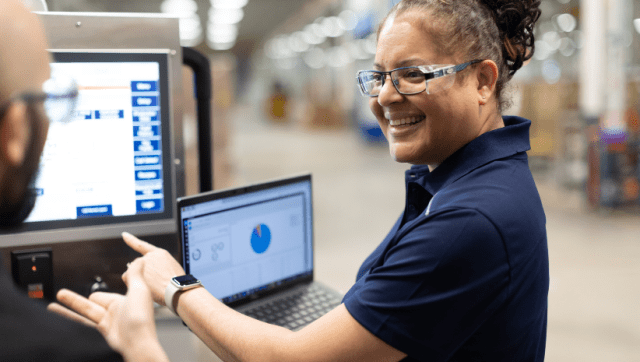
High volume manufacturing requires visibility into performance and quality. Manufacturing intelligence platforms collect data across the line to support preventive actions and continuous improvement.
Digitalization supports high volume product manufacturing through:
- Real time visibility into throughput and downtime
- Early detection of process drift.
- Data driven optimization of cycle times.
Manufacturing intelligence helps teams shift from reactive responses to preventive decision making.
Pros And Cons of High Volume Manufacturing
Advantages of High Volume Manufacturing:
- Lower cost per unit through scale.
- Consistent quality through automation.
- Faster fulfillment for consumer demand.
Disadvantages of High Volume Manufacturing:
- Higher upfront capital investment.
- Larger impact from defects.
- Reduced tolerance for poor product design.
Design for manufacturability plays a critical role as volumes increase. Addressing manufacturability early prevents delays and costly redesigns. Learn more about how design for manufacturability can support scaling high volume manufacturing.
Manufacturing Methods Best Suited for High Volume Production
High volume manufacturing relies on:
- Automated assembly systems
- Precision manufacturing equipment
- Inline inspection and testing
- Scalable conveyance platforms
Automation roadmaps align production growth with technology investments and long-term capacity planning. Unlock automation roadmaps and smart factory integration here.
FAQs
What Would Be Considered High Volume Manufacturing?
High volume manufacturing typically involves producing tens of thousands to millions of units annually. In consumer product manufacturing, items such as toothbrushes often rely on continuous automated lines operating multiple shifts to meet demand.
Is High Volume Manufacturing Better Than Low Volume Production?
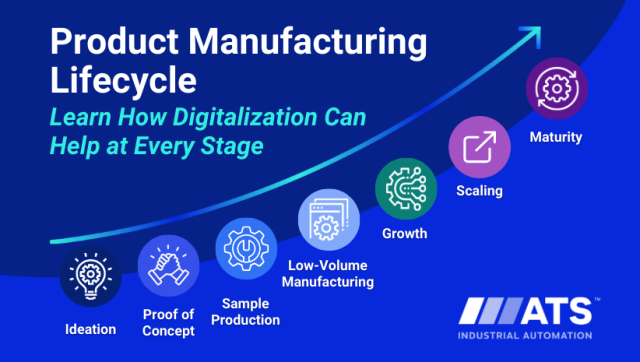
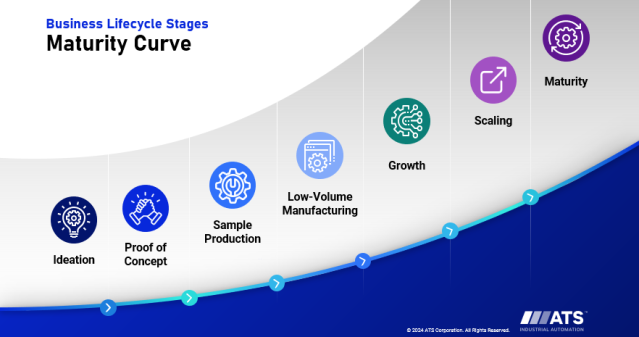
High volume manufacturing fits stable products with predictable demand. Low volume production works better for early-stage products or frequent design changes. Many manufacturers transition from low to high volume using modular automation.
What Role Does Precision Manufacturing Play In High Volume Production?
Precision manufacturing ensures consistent part placement, joining, and inspection as speeds increase. In consumer products, tight tolerances protect quality and reduce scrap as volume grows. High speed assembly systems support these requirements at scale.
Scaling High Volume Consumer Product Manufacturing with The Right Automation Partner
High volume manufacturing demands flexibility, visibility, and precision. Consumer product manufacturers scaling production need automation systems that support multiple products, stable throughput, and long term adaptability.
If you are evaluating high volume manufacturing strategies for consumer products such as toothbrushes, working with an experienced automation partner helps align production goals with scalable technology. Connect with a team that understands manufacturing automation, precision manufacturing, and high volume product manufacturing to support your next phase of growth.
Every CPG manufacturing automation project is unique. Allow us to listen to your challenges and share how automation can launch your project on time.

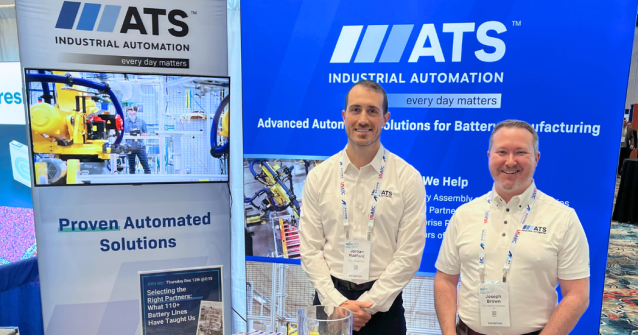
Joe Brown
Business Development Specialist
ATS Industrial Automation
Joe helps companies of all kinds to automate and scale production using bespoke automated assembly, test, and conveyance systems.