

Facility assets and utilities are essential for production, safety, and compliance for aerospace companies. A single asset failure can cause significant production losses and prompt a company-wide review of maintenance practices. Maintaining accurate facility management systems helps reduce operational risk by ensuring critical infrastructure receives timely maintenance.
Incomplete asset inventory records raise operational risk. Missing or inaccurate records result in missed maintenance, incomplete job plans, and inconsistent practices across sites. Facilities teams need clear visibility of all assets and a consistent process to keep records current throughout the portfolio.
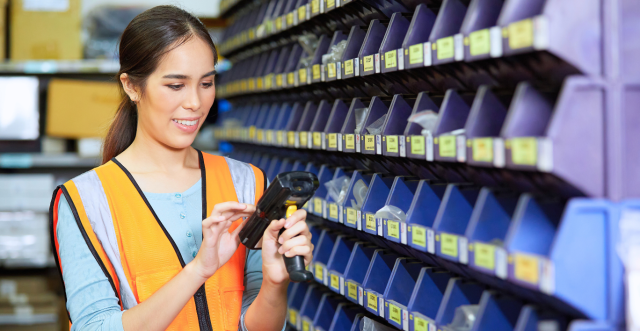
Proper asset tagging ensures accurate equipment identification, traceability, and effective asset management throughout a facility. It supports maintenance planning, work order execution, regulatory compliance, and reliable CMMS data by linking each physical asset to its maintenance history, documentation, and spare parts. Consistent asset tagging reduces equipment identification errors, improves maintenance efficiency, and supports long-term asset reliability.
This article addresses reducing operational risk by modernizing facility asset records, maintenance plans, and CMMS data, beginning with a comprehensive asset inventory.
Why Facilities Asset Records Increase Operational Risk
Facility assets may not receive daily attention like production equipment, but they directly impact production uptime. Incomplete asset records create maintenance blind spots across sites, making it harder for teams to track asset locations and required maintenance.
Inconsistencies at the site level hinder standardization, increase planning workload, and reduce maintenance consistency.
Asset Inventory Development for Existing Plants
Asset Inventory Development helps existing plants update asset records, maintenance plans, and CMMS data. The process begins with methods of alignment, followed by asset walkdowns, data capture, and tagging.
A structured Asset Inventory Development process delivers three outcomes: accurate asset records, consistent asset identification across sites, and maintenance planning inputs for standardized job plans across the portfolio.
How Multi-Site Asset Work Scales
Multi-site projects require a repeatable process, supported by tools and training, to ensure long-term accuracy. A scalable approach includes a methods confirmation workshop to align data standards, a walkdown tool for consistent data capture, a phone-based workflow for rapid updates, system integration for real-time CMMS data transfer, and training for personnel to maintain accurate asset records.
What to Apply in Your Facilities Management System
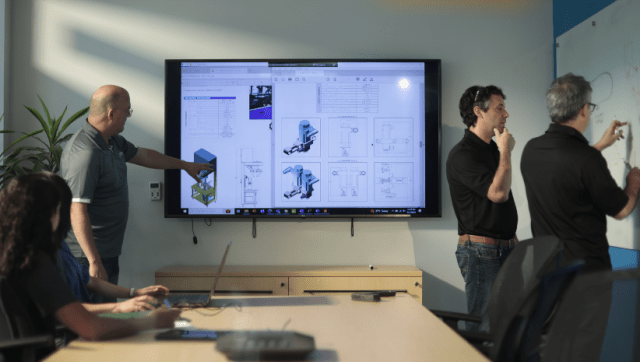
Methods Confirmation
Establishing consistent data standards across sites reduces rework during asset walkdowns and supports reliable CMMS updates.
Asset Walkdowns Close Maintenance Gaps
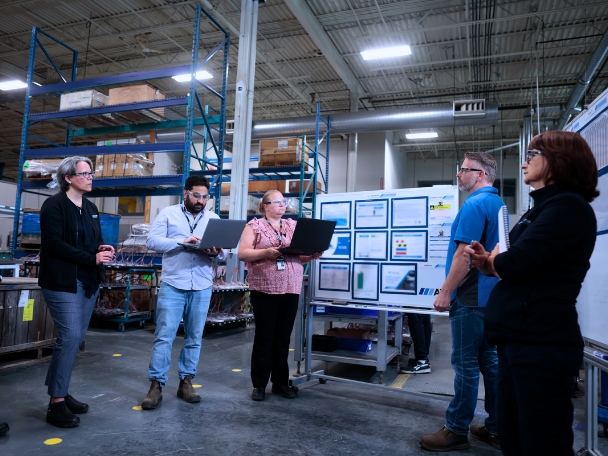
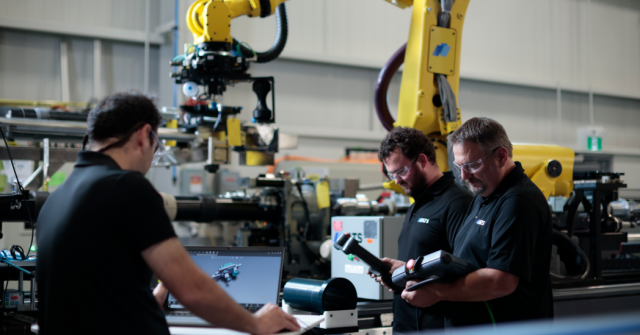
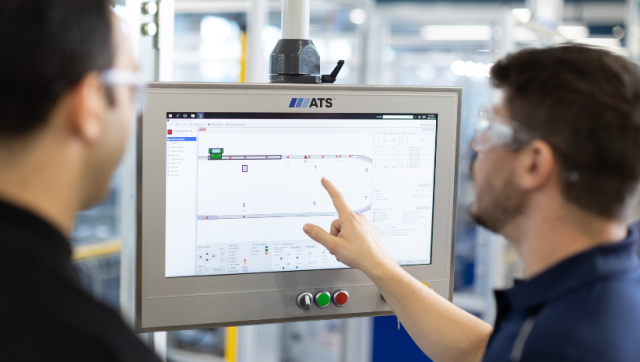
Asset walkdowns provide a comprehensive view of facility and utility assets, supporting updates to asset records, maintenance plans, and accurate equipment tagging.
Asset Groups Reduce Maintenance Planning Work
Asset groups enable teams to model job plans for identical assets across sites, reducing repetitive planning across the portfolio.
Real-Time Data Transfer Supports Ongoing Accuracy
A two-way API enables real-time data transfer between the asset management tool and CMMS, allowing faster updates and minimizing record drifts.
Training Supports Long-Term Data Quality
Training ensures personnel use the walkdown tool consistently, supporting long-term accuracy of asset inventory records.
FAQs
How do you reduce operational risk in facilities management?
Reducing operational risk involves minimizing exposure to production losses caused by facility and utility asset failures. Facilities teams achieve this by improving asset record accuracy, strengthening maintenance plans, and enhancing CMMS data quality across sites.
What Is Asset Inventory Development?
Asset Inventory Development is a service that creates or updates asset inventory records. It supports existing plants by updating asset records, maintenance plans, and CMMS data.
Why Do Asset Groups Matter?
Asset groups facilitate job plan modeling for identical assets across multiple sites, reducing maintenance planning work, and supporting consistent job plans throughout the portfolio.
What Should Facilities Teams Prioritize First?
Facilities teams typically prioritize aligning their methods and site walkdowns, followed by data integration and training. This phased approach delivers early inventory improvements and builds long-term accuracy.
Next Steps to Reduce Operational Risk
Begin reducing operational risk by establishing an accurate inventory of facility and utility assets, then aligning maintenance plans and CMMS data across sites. ATS Industrial Automation offers reliability engineering services to improve asset performance and reduce risk.
Every project is unique. Allow us to listen to your challenges and share how automation can launch your project on time.

David Dise
Reliability Engineer
ATS Industrial Automation
David partners with manufacturers to enhance asset reliability, optimize maintenance strategies, and strengthen asset management programs. His approach focuses on delivering sustainable improvements that maximize asset lifecycle value, reduce total cost of ownership, and support long-term operational excellence.