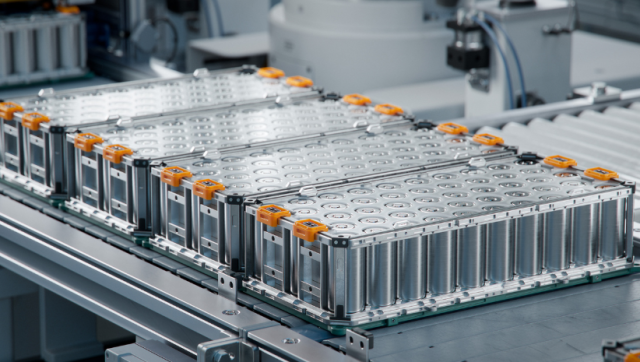


Battery manufacturers are moving from traditional module-based systems toward cell-to-pack architectures that integrate cells more directly into the final battery pack. This approach often increases energy density, reduces material requirements, simplifies packaging, and supports vehicle performance goals.
But this change affects more than pack designs. Cell handling, material flow, thermal management, welding, testing, traceability, and production scalability all require careful consideration before production ramps up.
Cell Handling and Validation Become More Important
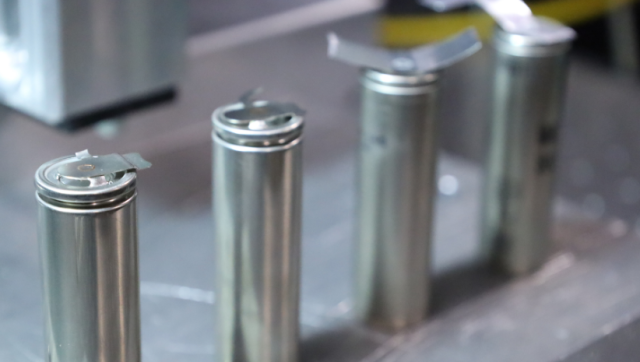
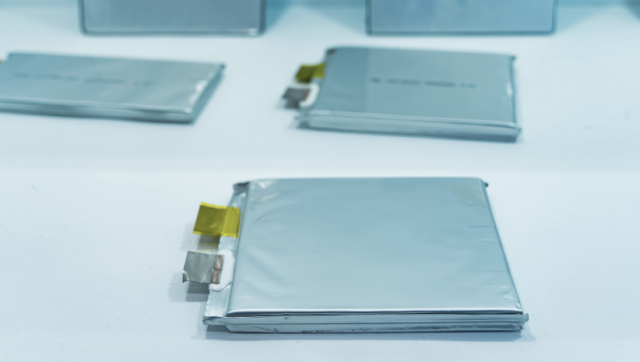
Before assembly, incoming cells need to be received, identified, inspected, sorted, and tracked.
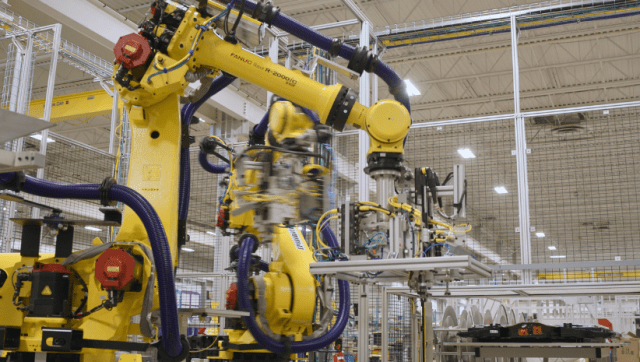
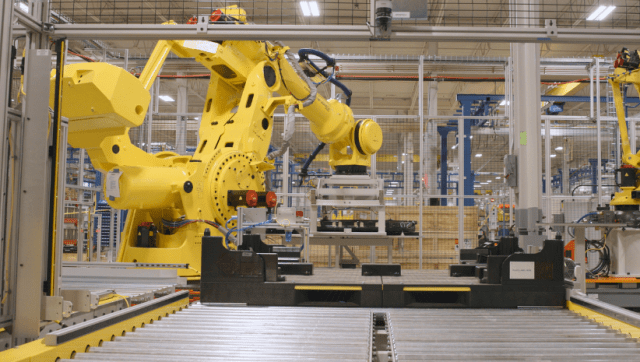
Cells often arrive in packaging designed for transportation rather than production. Unpacking, buffering, repitching, orientation, and presentation into the assembly line become important considerations when planning automation and material flow. Packaging decisions often affect cycle time, equipment design, and production efficiency.
Electrical and dimensional variation between cells also influences downstream assembly and final battery performance. Early inspection, sorting, matching, and traceability help battery manufacturers control variation before additional value is added.
Cell String Assembly Introduces New Requirements
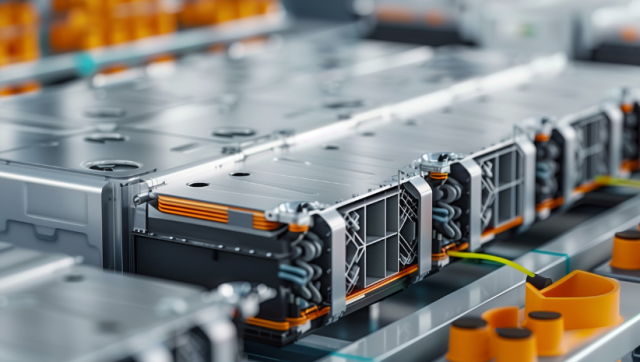
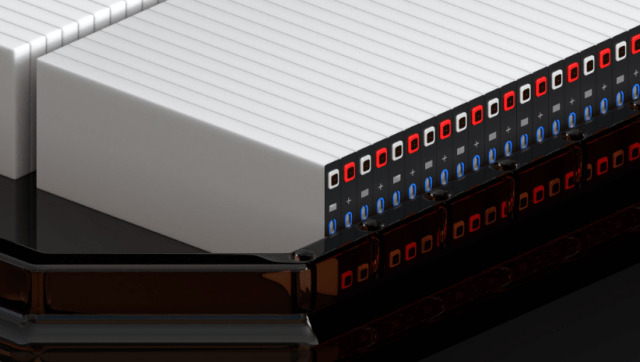
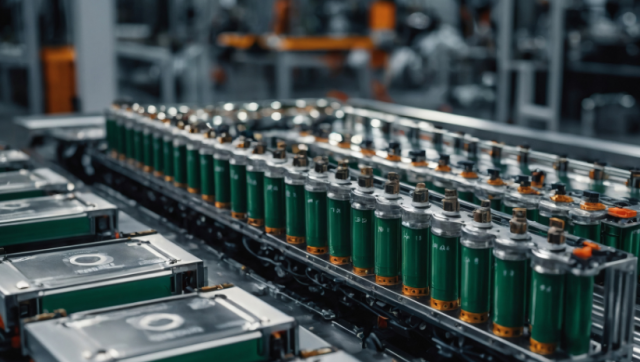
A cell string combines validated cells into a structured electrical assembly. At production scale, battery manufacturers need to control:
- Cell positioning accuracy
- Dimensional variation
- Electrical consistency
- Material handling
- Thermal management integration
- Testing and validation
Consistent handling, positioning, joining, and testing during cell string assembly support downstream pack quality and electrical performance. Traceability also helps production teams identify where an issue occurred, and which cells or assemblies might require further review.
Weld Quality Influences Battery Performance
Automotive battery packs depend on thousands of electrical connections. Busbar placement, interconnect quality, part alignment, gap management, material condition, and process stability all influence connection quality and reliability. A problem with a critical electrical connection might increase rework, interrupt production flow, or affect battery performance.
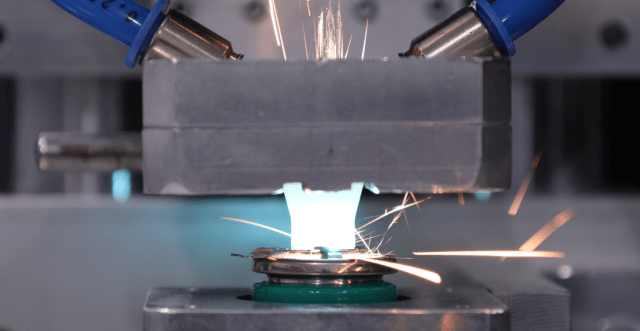
Many automotive manufacturers choose laser welding to support these high-volume joining requirements, but effective laser welding requires more than just a laser weld.
Process monitoring, inspection, and traceability help verify critical connections before the battery moves to the next production stage. The selected inspection strategy needs to reflect the materials, joint design, process requirements, and quality criteria of the battery program.
Thermal Management Adds Manufacturing Complexity
Battery performance depends heavily on thermal control. As battery architectures become more compact, production teams need to integrate cooling systems, thermal interface materials, insulation, sealing processes, and leak testing within limited space.
Small variations in material dispensing, alignment, component placement, or sealing might affect thermal performance later in the battery lifecycle. Common manufacturing requirements include:
- Thermal interface material dispensing
- Cooling plate installation
- Alignment verification
- Leak testing
- Process monitoring
- Inspection and validation
Each process needs to support the thermal management strategy defined by the battery design. Production planning also needs to account for material characteristics, application tolerances, curing requirements, and inspection criteria.
Testing Throughout Production Helps Identify Issues Earlier
Battery testing extends beyond end-of-line validation. Testing at defined production stages helps identify quality concerns before additional labor, materials, and assembly processes increase the cost of corrective action.
Depending on the battery design and production strategy, testing might include:
- Open-circuit voltage verification
- Internal resistance measurement
- Communication testing
- Leak testing
- HiPot testing
- Battery management system verification
- Charge and discharge validation
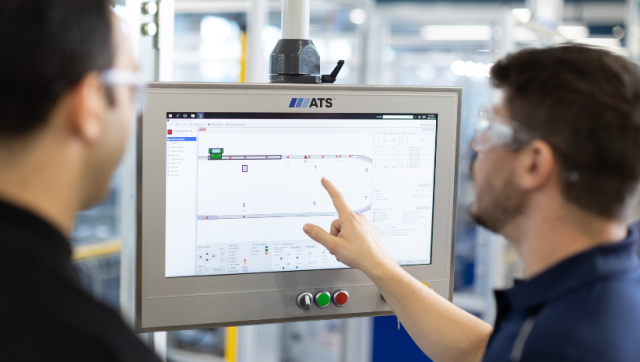
Incoming cell validation provides an early opportunity to identify unsuitable cells. Additional testing after cell string assembly, thermal management integration, electronics installation, and pack assembly helps production teams verify step completion each value-added stage.
Traceability connects test results with cell, component, process, and assembly data. This information helps teams investigate quality concerns and determine whether an assembly is ready to proceed.
Evaluate Manufacturability Before Equipment Design Begins
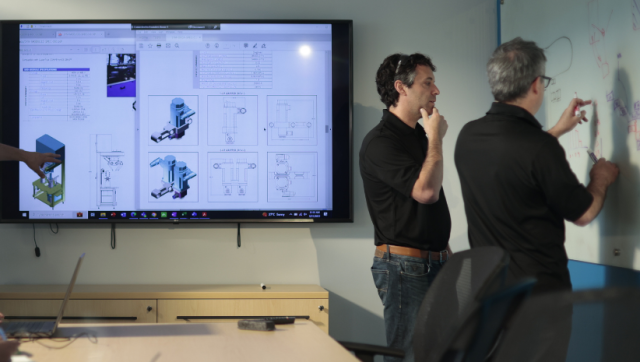
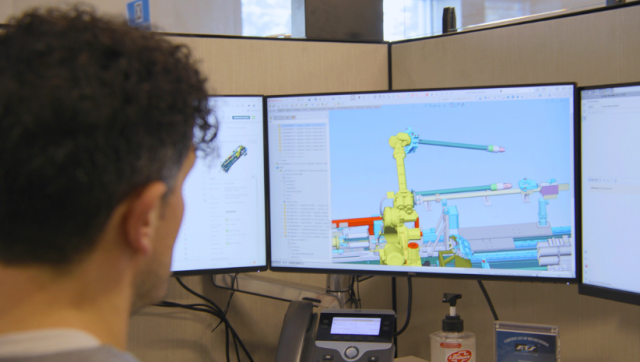
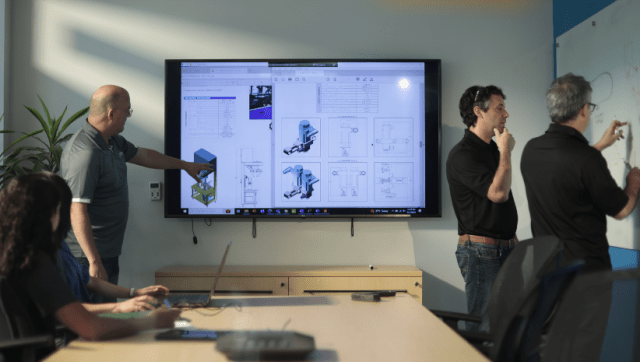
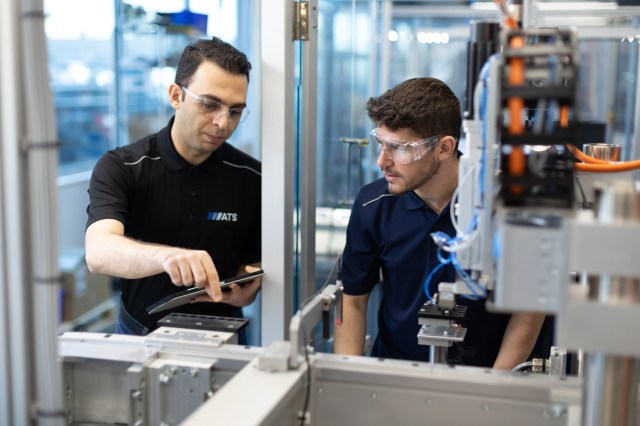
Many production challenges emerge before equipment reaches the factory floor. Early collaboration among product, manufacturing, and automation teams provides an opportunity to assess manufacturability while the battery design and production strategy are still developing.
Design-for-manufacturability reviews, proof-of-principle studies, simulation, and validation planning help teams examine questions such as:
- Is the battery architecture manufacturable at the required volume?
- How will cells be received, handled, and presented?
- How will electrical and dimensional variation be managed?
- Which testing steps are required throughout production?
- How will traceability be maintained?
- How will thermal management processes be integrated?
- Which equipment decisions affect future production scaling?
Answers to these questions often influence equipment architecture, material flow, inspection methods, cycle time, and line flexibility. Evaluating the requirements during product development gives battery manufacturers more information for making equipment and process decisions before production ramps.
FAQ
What is cell-to-pack battery manufacturing?
Cell-to-pack manufacturing integrates battery cells more directly into the final battery structure, reducing or eliminating intermediate module assembly. The architecture often reduces the number of components and increases the available space for active battery material.
Why is cell sorting important in automotive battery production?
Cell sorting helps battery manufacturers manage electrical and dimensional variation before cells enter assembly. Sorting and matching cells support consistent assembly, welding, battery balancing, and final battery performance.
Why is thermal management important during battery assembly?
Battery performance and reliability depend on effective thermal control. Cooling component installation, thermal interface material application, alignment, sealing, and leak testing all influence how the completed battery performs.
Why is testing beneficial throughout battery production?
Testing at defined production stages helps identify concerns before more labor, materials, and components are added. In-process testing also provides data for quality investigations and production traceability.
When do battery manufacturers need to evaluate manufacturability?
Manufacturability is best evaluated during product development, before major equipment and production decisions are finalized. Early collaboration gives product, manufacturing, and automation teams more flexibility to address handling, assembly, testing, and scaling requirements.
Preparing Cell-to-Pack Programs for Production
Cell-to-pack architecture changes the relationship between battery design and manufacturing. Cell handling, string assembly, welding, thermal management, testing, and traceability need to function as connected parts of the production strategy.
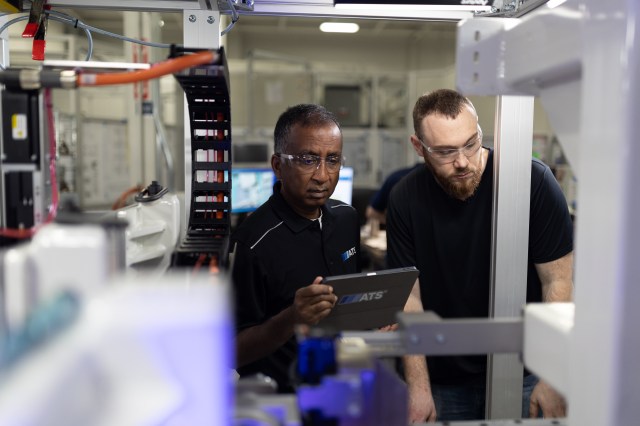
Early manufacturing input helps battery manufacturers identify process risks, define validation requirements, and plan for future production volumes. A coordinated approach also supports informed decisions as the battery design moves from development into production.
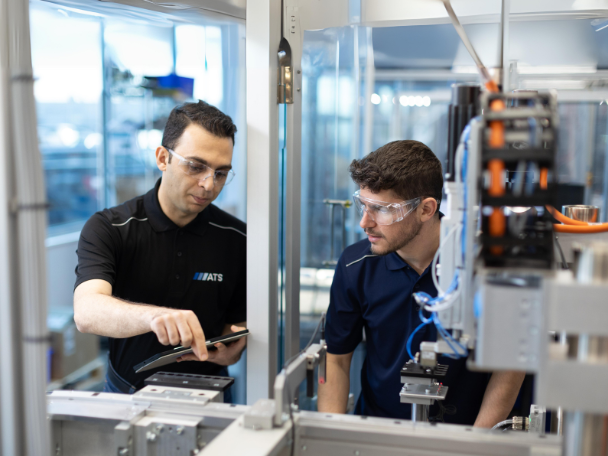
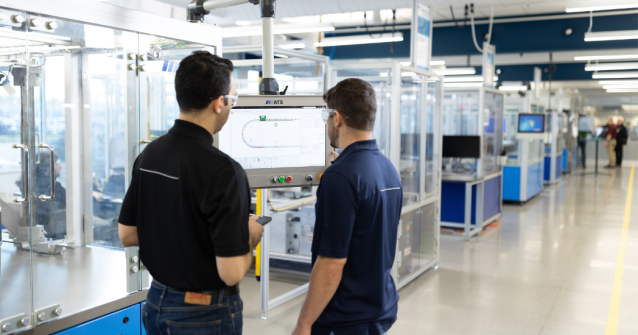
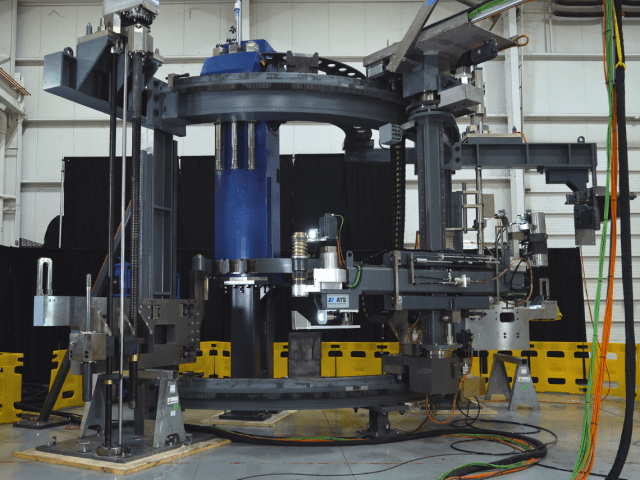
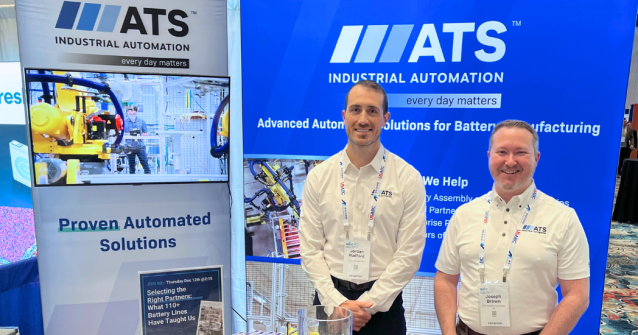
Explore ATS Industrial Automation battery assembly and testing solutions to learn how ATS supports cell handling, assembly, testing, traceability, and production planning.
Every battery automation project is unique. Allow us to listen to your challenges and share how automation can launch your project on time.

Joe Brown
Business Development Specialist
ATS Industrial Automation
Joe helps companies of all kinds to automate and scale production using bespoke automated assembly, test, and conveyance systems.