

Consumer personal care product manufacturing depends on consistency, traceability, and high volume output. Products such as toothbrushes, oral care accessories, and personal hygiene devices face strict quality expectations while competing on cost and availability. At the same time, manufacturing labour shortages and rising labour vacancies continue to limit output across North America.
Statistics Canada reports persistent labour vacancies in manufacturing, which directly constrain production capacity and extend lead times for manufactured products. These pressures increase production shortage risk and weaken supply chain sustainability for consumer product manufacturing.
For a CPG manufacturer, demand is not the constraint. Maintaining output with fewer trained workers, while managing turnover and onboarding, remains the core challenge.
Managing A Large Manufacturing Labour Force in Consumer Product Manufacturing
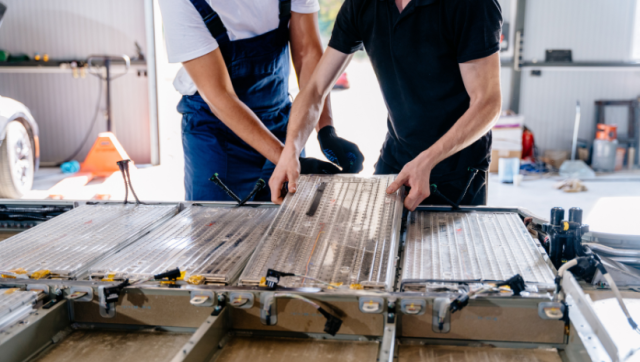
Consumer product manufacturing environments rely on large labour forces across assembly, packaging, and inspection. As product variation increases, training requirements expand. Supervisors must maintain consistent work practices across shifts while meeting regulatory and quality requirements.
Labour shortages increase these risks. A CME survey revealed manufacturing labour shortages already affect output and investment decisions across Canada.
For consumer personal care manufacturers, this results in:
- Longer onboarding for new employees.
- Inconsistent work practices across production lines.
- Higher error rates during manual assembly.
- Increased pressure on experienced operators.
Without standardized training, each labour vacancy increases operational risk.
Manufacturing Labour Shortages Are A Training Depth Problem
Research shows the manufacturing labour challenge extends beyond hiring. Canada’s productivity gap reflects limited training depth rather than limited interest in manufacturing programs.
Consumer personal care manufacturers need training systems that scale quickly and support standardized work. Traditional classroom instruction and shadowing struggle to keep pace with turnover and production demands.
Training Manufacturing Labour With UReality Digital Training Tools
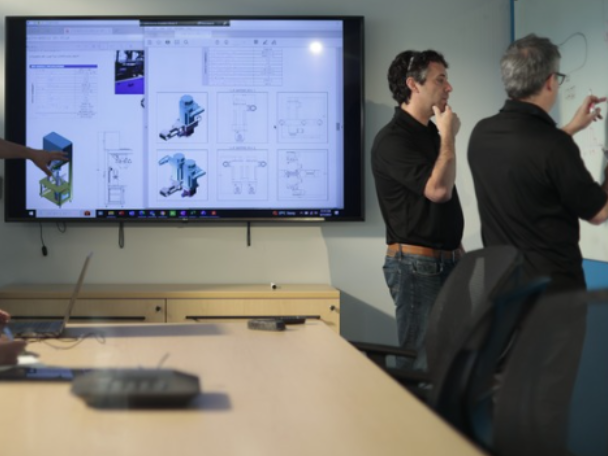
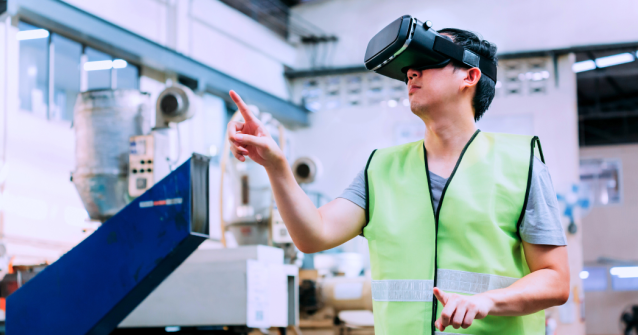
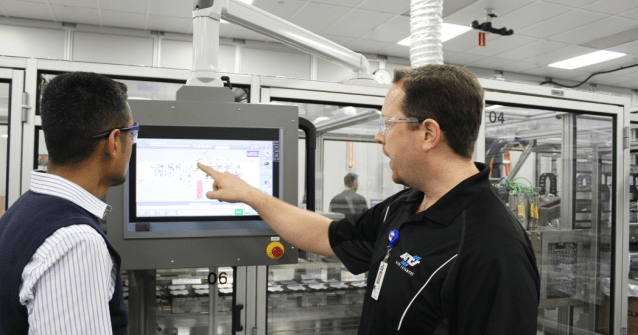
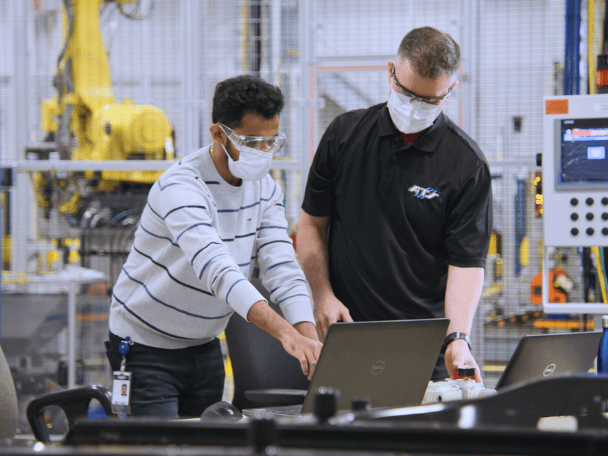
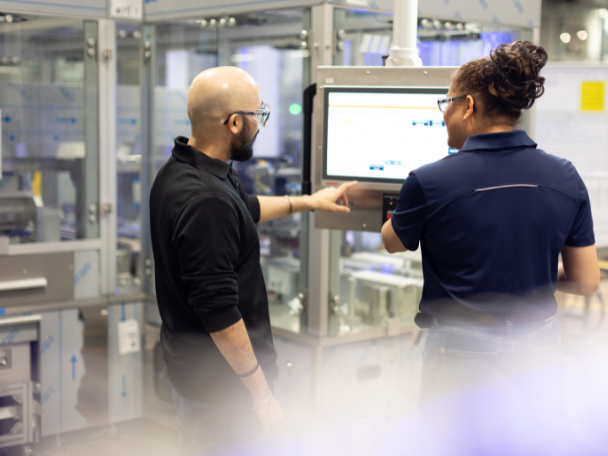
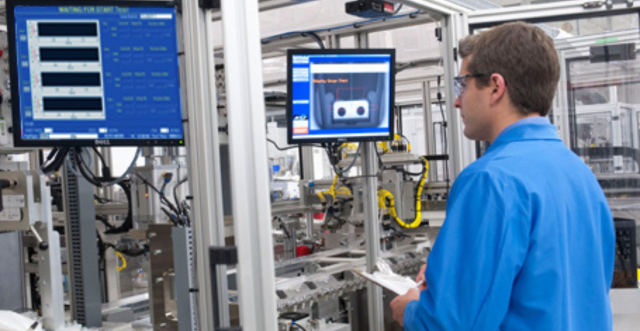
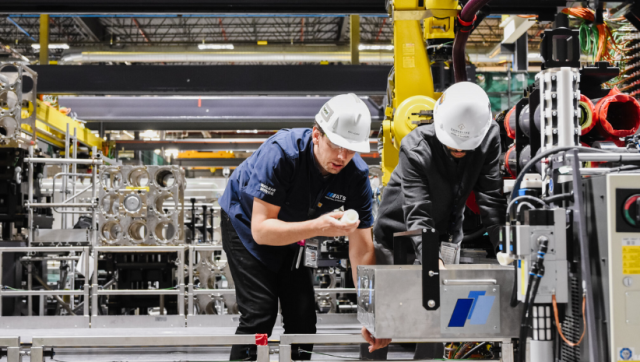
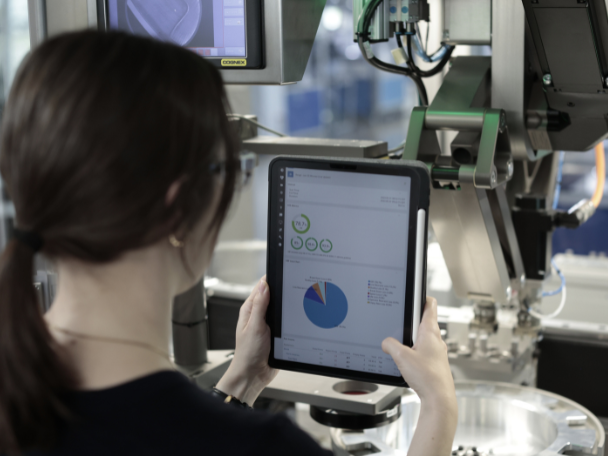
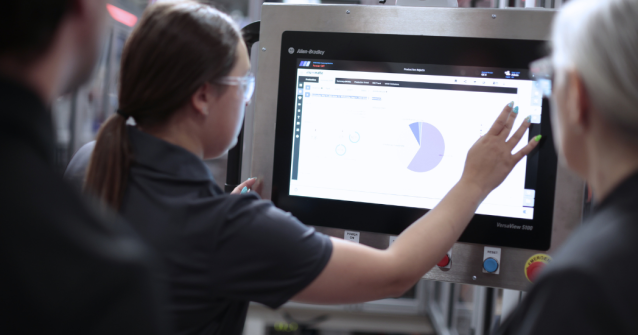
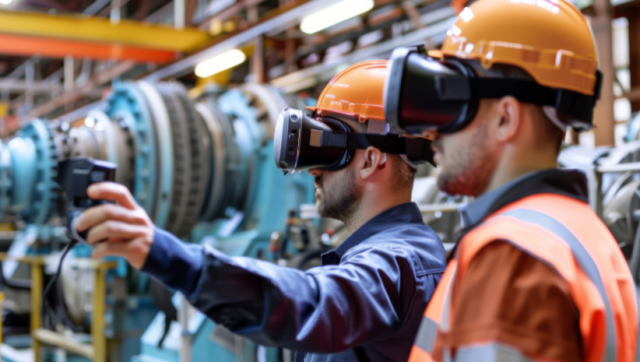
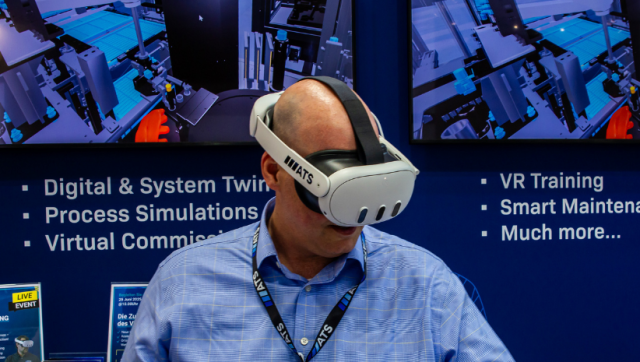
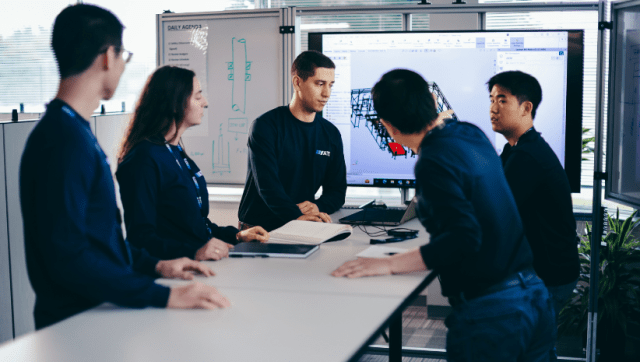
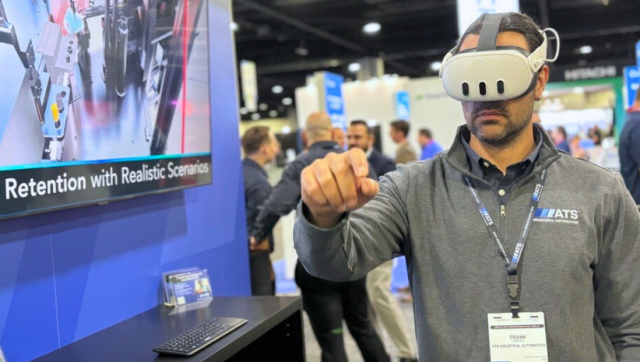
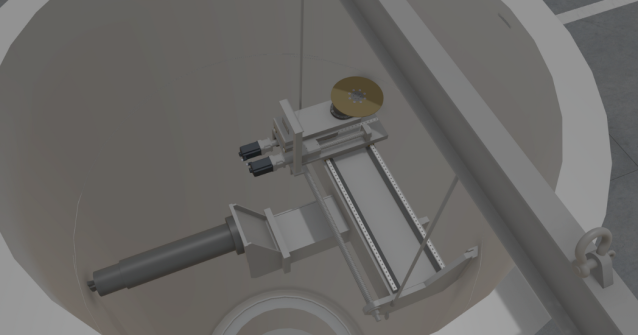
Digital training platforms address training scale and consistency challenges. Digital training platforms like UReality support immersive training aligned to real production workflows, helping manufacturers onboard new employees without pulling experienced operators off the line.
For consumer product manufacturing, UReality supports:
- Step by step digital work instructions tied to validated processes.
- Faster onboarding for high turnover manufacturing labour roles.
- Consistent training across shifts and facilities.
- Reduced downtime during training periods.
Learn how immersive training helps address turnover, safety, and scale challenges in manufacturing environments.
For products such as toothbrushes, where repeatability and accuracy matter, standardized digital training protects quality and compliance.
Automation Strategies to Support a Smaller Manufacturing Workforce
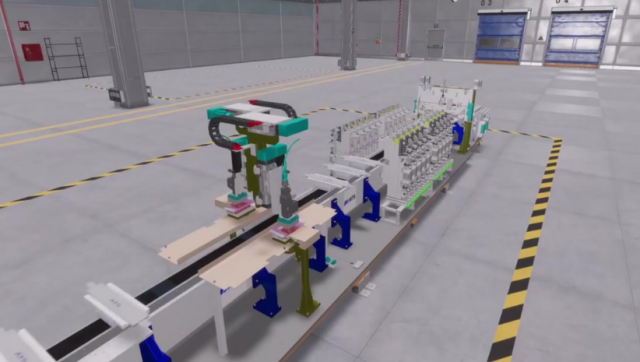
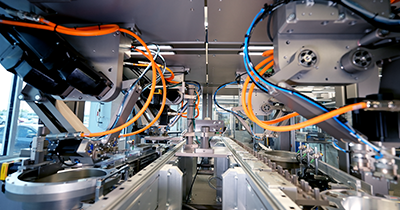
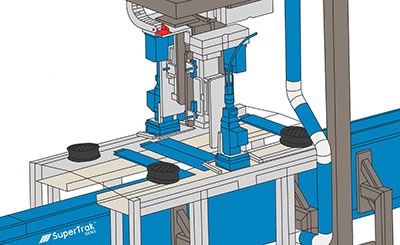
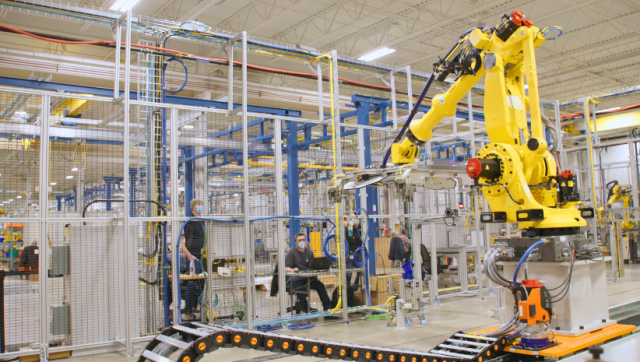
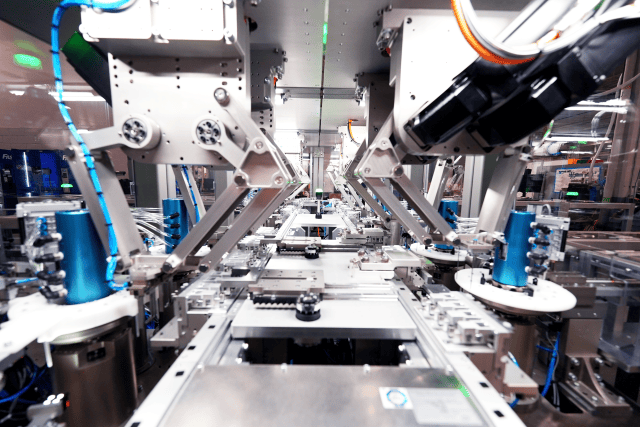
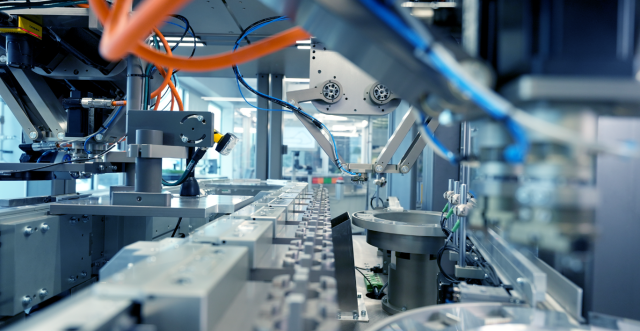
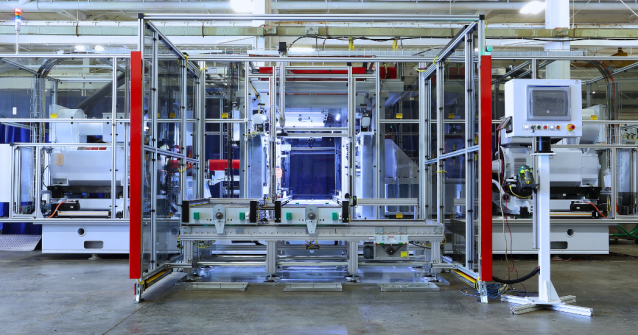
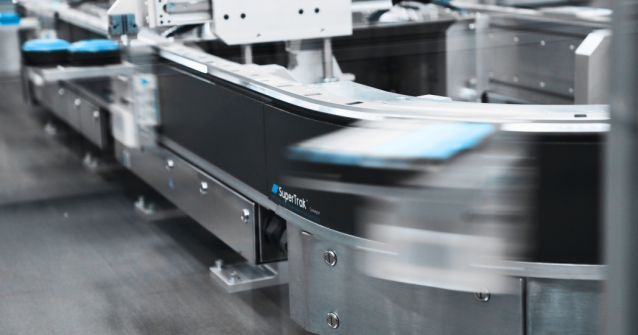
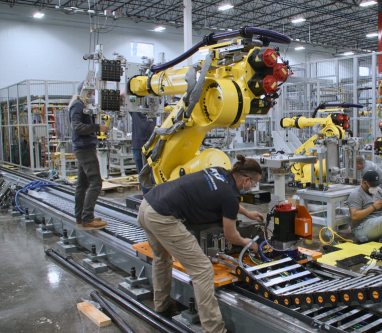
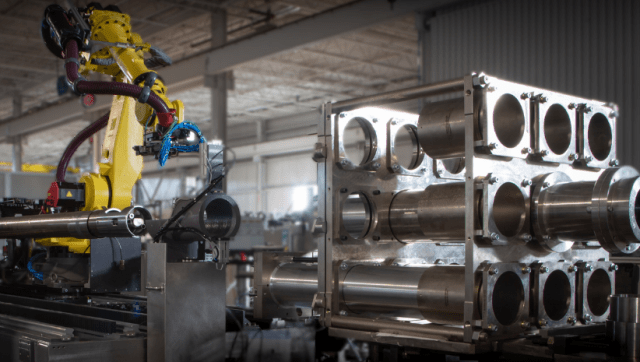
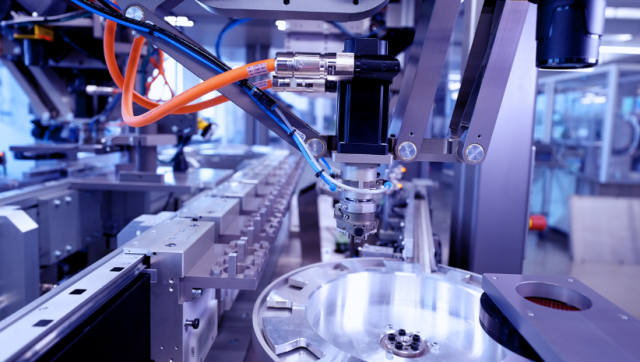
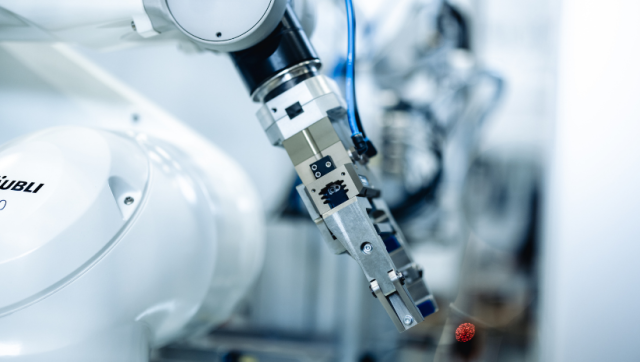
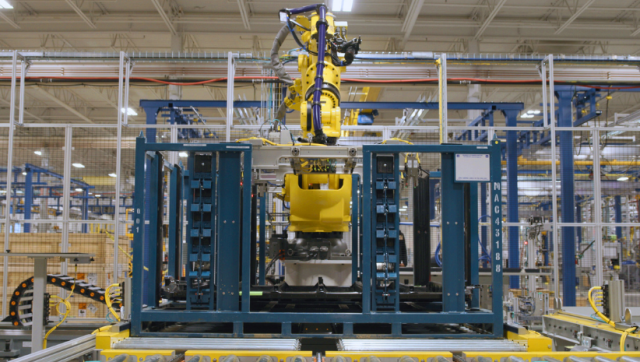
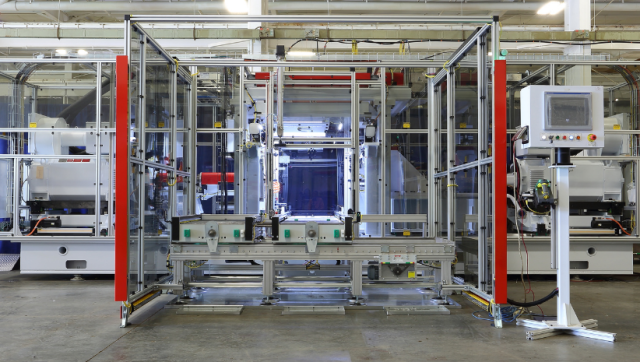
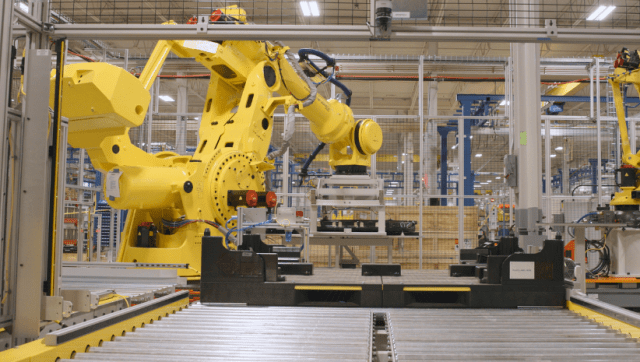
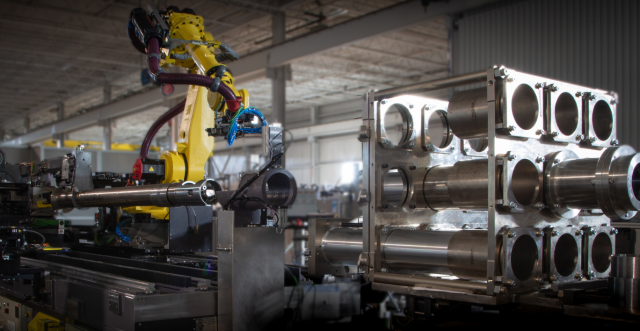
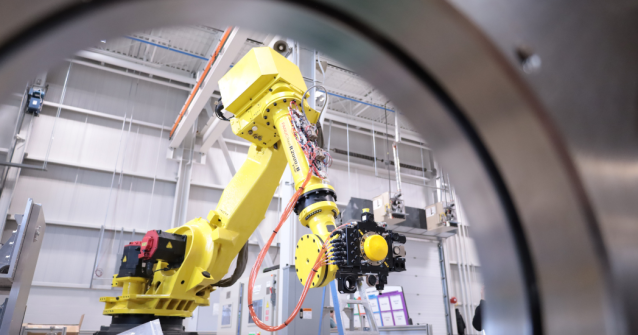
Automation supports manufacturing labour by reducing repetitive tasks and stabilizing output. In consumer personal care manufacturing, targeted automation focuses on tasks that strain labour availability or introduce variation.
Examples include:
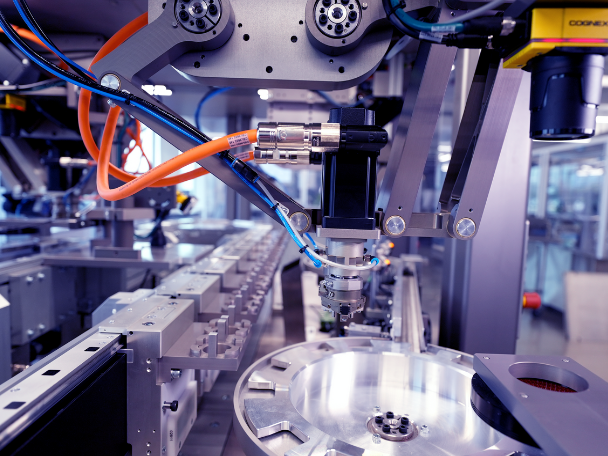
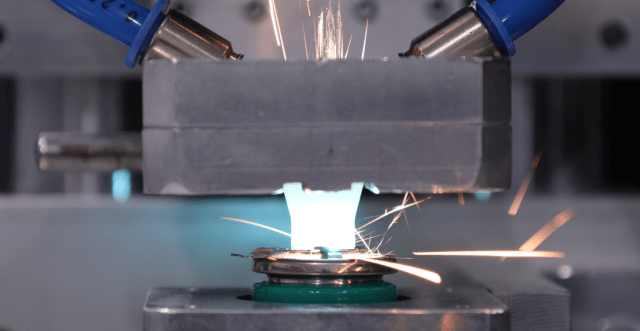
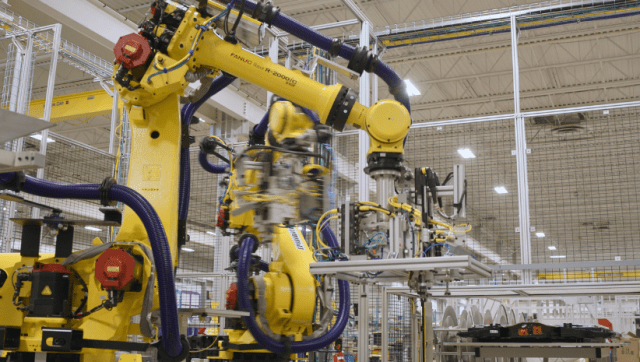
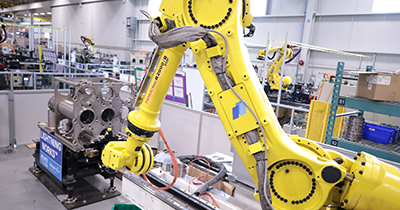
- Automated assembly tools for high volume repetitive operations.
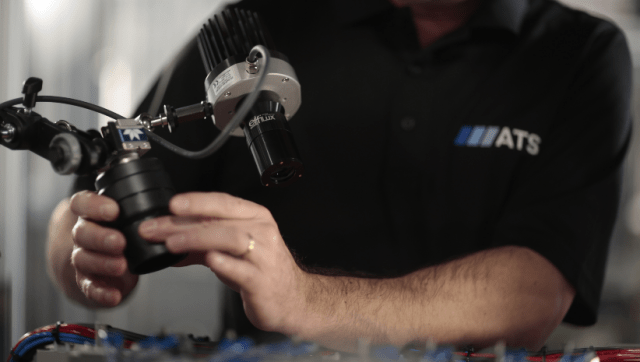
- Vision systems to reduce manual inspection load.
- Semi automated packaging to stabilize throughput.
See how automated assembly tools improve efficiency while supporting human operators.
Targeted automation supports supply chain sustainability by reducing scrap, stabilizing production, and enabling consistent output with fewer workers.
Standardizing Work Practices Across Consumer Personal Care Manufacturing Operations
As consumer product manufacturing expands across regions, standardization becomes critical. Digital training and automation help maintain consistent work practices across facilities, regardless of local labour availability.
This approach supports:
- Faster line startups.
- Easier cross training of manufacturing labour.
- More stable quality metrics across plants.
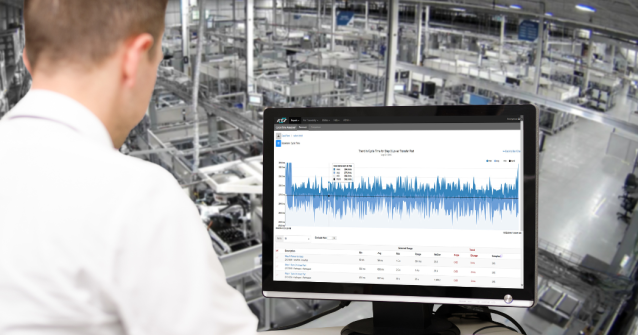
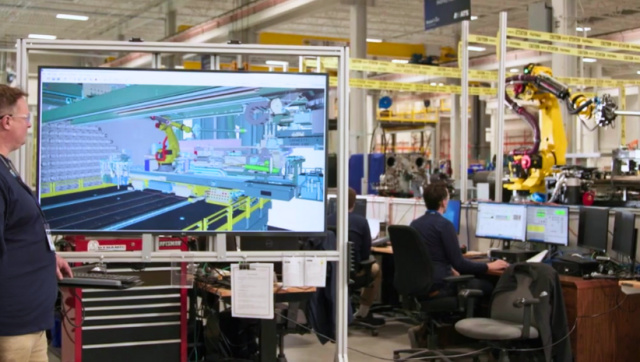
Digitalization and total plant performance strategies help maintain alignment across manufacturing operations.
When training and automation work together, process knowledge stays within the organization rather than individual roles.
Planning Manufacturing Programs for Long‑Term Labour Resilience
Manufacturing labour shortages continue. Research shows the gap between required skills and available workers continues to grow globally.
Consumer personal care manufacturers need manufacturing programs built around:
- Scalable training systems.
- Automation aligned to labour realities.
- Digital tools that preserve process knowledge.
UReality and targeted automation help maintain output, protect quality, and reduce risk created by labour vacancies.
Frequently Asked Questions About Manufacturing Labour and Training
How do manufacturing labour shortages affect consumer personal care product manufacturing?
Labour shortages increase onboarding time, raise quality risk, and limit output. In high volume consumer product manufacturing, this leads to production shortages and delayed fulfillment.
How does UReality support manufacturing labour training?
UReality delivers digital training aligned to production workflows. This approach standardizes work practices and shortens onboarding time.
Is automation realistic for a smaller manufacturing workforce?
Yes. Targeted automation supports a smaller workforce by stabilizing repetitive tasks and reducing manual variability.
How does training technology support supply chain sustainability?
Standardized training reduces errors, scrap, and rework, improving material efficiency and production planning.
What is the first step toward addressing manufacturing labour challenges?
You need to identify where training gaps and manual variability affect output, then introduce digital training and phased automation in those areas.
Building Workforce Stability in Consumer Personal Care Product Manufacturing
Consumer personal care product manufacturing faces sustained pressure from labour shortages, rising labour vacancies, and increasing product complexity. Training and automation strategies must support a smaller workforce without sacrificing quality or throughput.
Digital training platforms such as UReality standardize work practices, accelerate onboarding, and preserve process knowledge. Targeted automation supports manufacturing labour by stabilizing output and reducing reliance on manual repetition.
To reduce production shortage risk and strengthen supply chain sustainability, manufacturers need training and automation roadmaps aligned to operational realities. Contact ATS Industrial Automation to explore how UReality and targeted automation support consumer product manufacturing with fewer workers and higher consistency.
Every project is unique. Allow us to listen to your challenges and share how automation can launch your project on time.

Joe Brown
Business Development Specialist
ATS Industrial Automation
Joe helps companies of all kinds to automate and scale production using bespoke automated assembly, test, and conveyance systems.