

Consumer electronics programs rarely move in a straight line from prototype to full production. Product designs evolve, volumes shift, and launch timelines compress. When manufacturing systems lack flexibility, teams encounter missed ramps, quality escapes, and costly redesigns late in development.
Scalable manufacturing lines reduce these risks by allowing teams to increase output, introduce variants, and integrate automation without rebuilding the factory. For electronics manufacturing teams, scalability depends on three factors, adaptable platforms, the right automation tools, and early pre-automation work that validates processes before capital commitments.
The Challenges of Scaling Electronics Manufacturing
Electronics manufacturing combines tight tolerances, short product lifecycles, and volatile demand. These conditions expose limitations in fixed, single purpose manufacturing systems.
Common scaling challenges include:
- Fluctuating demand: Consumer demand often spikes with limited notice. Lines designed for a fixed output rate struggle to absorb volume increases without overtime, scrap, or missed deliveries.
- Product complexity: Modern consumer products integrate dense PCB assembly, precision mechanical fits, and multiple test steps. As complexity increases, small process variations drive yield loss.
- Compressed launch timelines: Delays during ramp up erode market windows. Launch issues often trace back to unvalidated assembly processes or late automation decisions.
- Limited flexibility in automation: Dedicated tooling restricts the ability to introduce new SKUs, adjust cycle times, or rebalance stations as production scales.
What Is a Scalable Manufacturing Process?
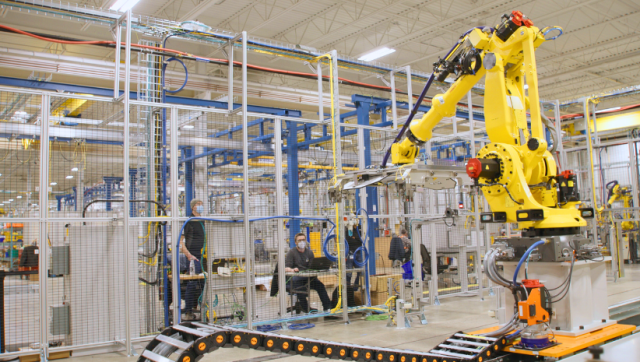
A scalable manufacturing process supports changes in volume, product design, and automation level without major rework. In electronics manufacturing, scalability means manufacturing systems grow with the product, from early builds through high volume production.
Scalable processes share these traits:
- Modular line architecture: Repeatable stations and standardized interfaces support expansion and reconfiguration.
- Validated processes: Critical assembly, inspection, and test steps are verified before production scale up.
- Data-driven performance: Manufacturing intelligence tracks throughput, downtime, and quality as volumes increase.
Design Your Line to Adapt, Not React
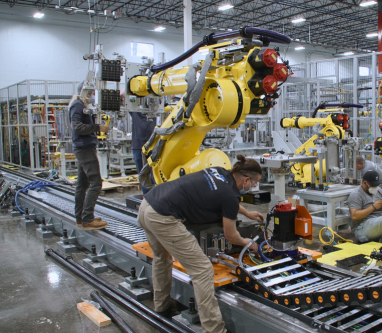
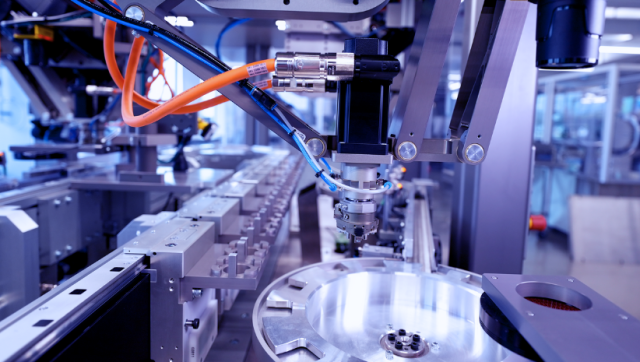
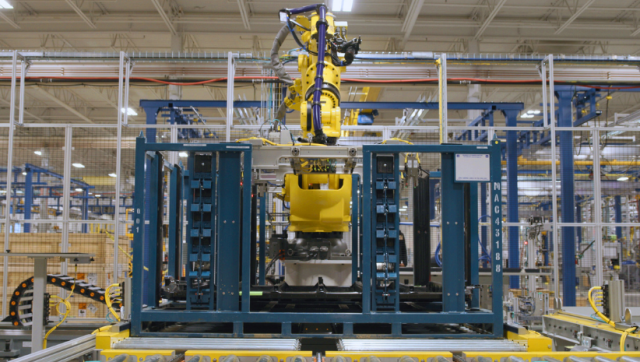
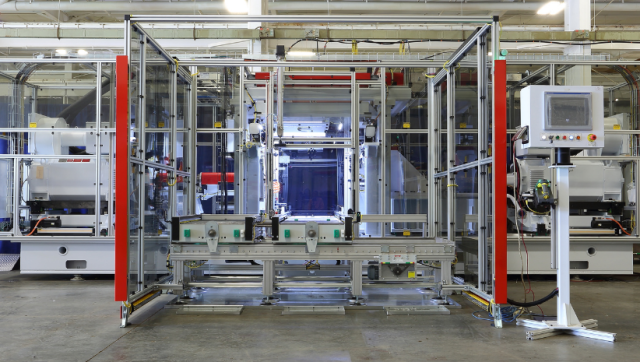
Scalability begins with line architecture. Fixed conveyors and hard tooled stations limit options once production starts. An adaptable automation platform enables configuration, expansion, and redeployment as requirements change.
Our adaptable platform supports scalable manufacturing through:
- Modular chassis and standardized tooling modules
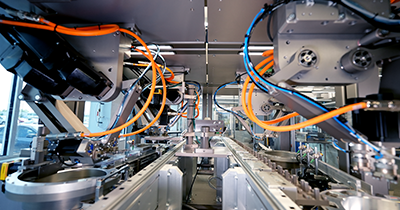
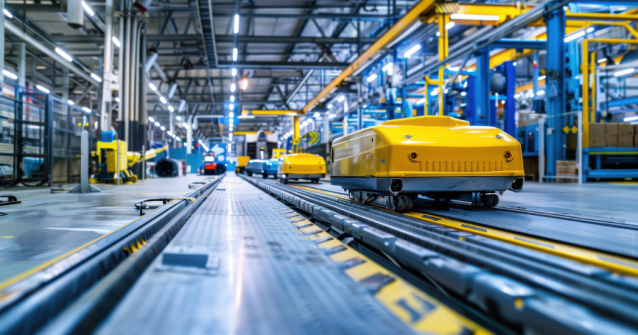
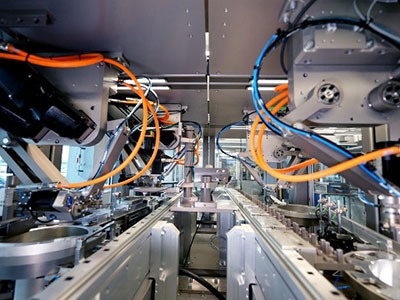
- Pallet‑based linear transport that supports flexible layouts and cycle time changes
- Compatibility with Siemens and Rockwell controls for global deployment
- Integration with SuperTrak, Symphoni, and Illuminate technologies
This platform approach supports low to medium volume production, pilot lines, and scale up prototyping without locking programs into a single configuration.
Tools That Enable Scalable Electronics Production
Scalable lines rely on automation tools designed for flexibility, precision, and data visibility.
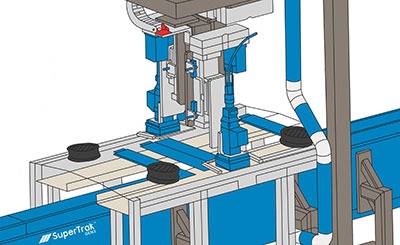
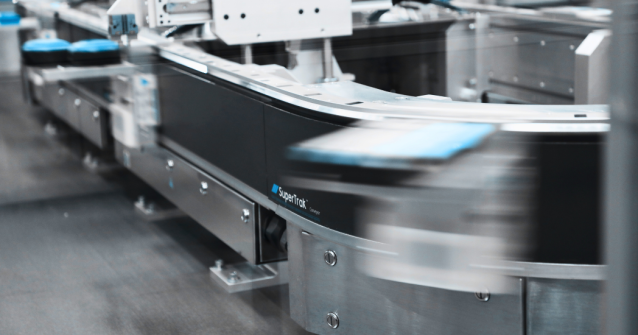
SuperTrak CONVEYANCE™
SuperTrak provides intelligent linear conveyance with independent pallet control. In consumer electronics manufacturing, this allows teams to:
- Adjust takt time without mechanical changes
- Add or bypass stations as products evolve
- Support mixed‑model production on a single line
SuperTrak supports scalable throughput while maintaining precise part positioning for PCB assembly and downstream processes.
See how conveyance impacts your system.
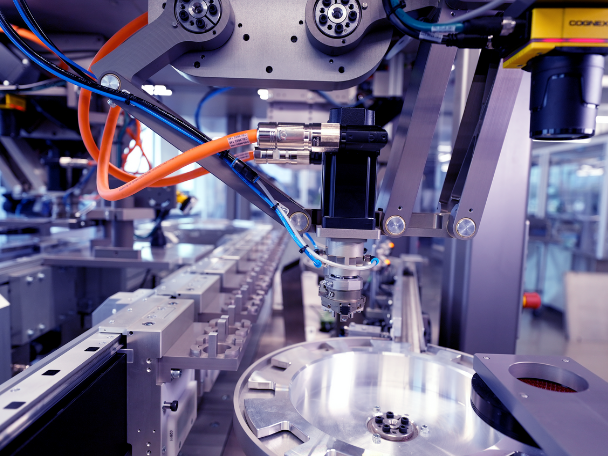
Symphoni High-Speed Assembly
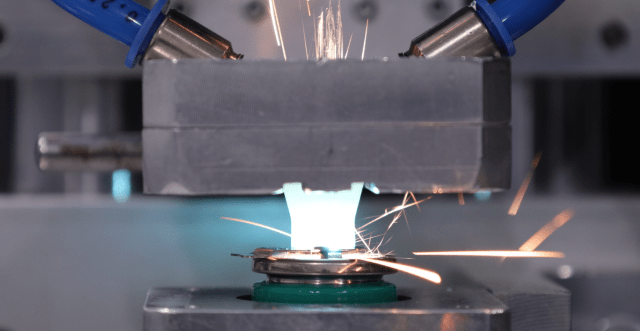
SymphoniTM addresses high volume, precision assembly requirements. As volumes increase, Symphoni delivers synchronized motion and repeatable placement required for electronics product design and assembly accuracy.
This capability supports higher production rates while protecting yields as manufacturing scales.
Illuminate Manufacturing Intelligence
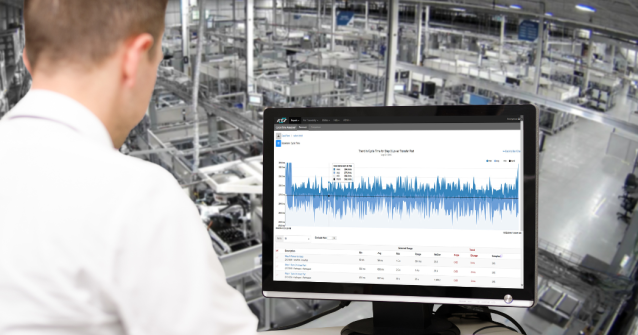
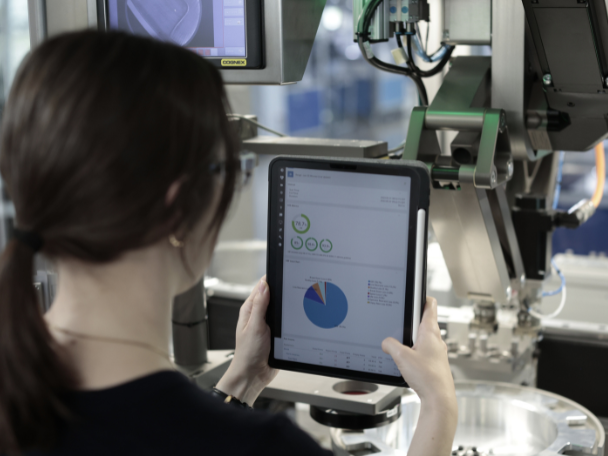
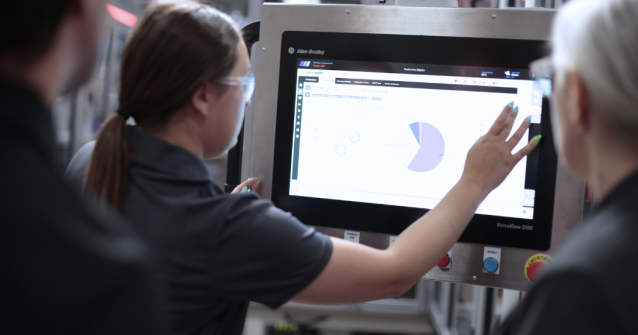
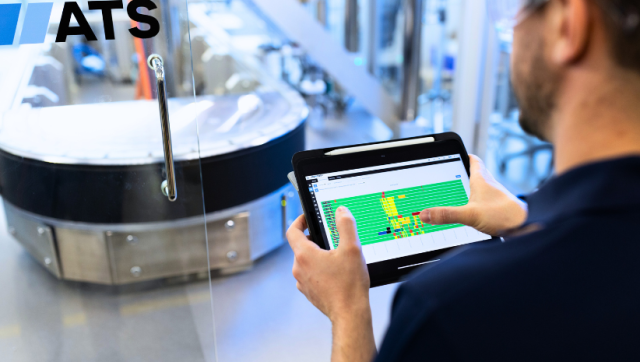
As production scales, performance risk increases without visibility. Illuminate Manufacturing Intelligence converts OEE data into actionable insight.
Illuminate supports scalable manufacturing by:
- Identifying bottlenecks as volumes increase
- Supporting preventive maintenance strategies
- Providing consistent performance data across global sites
Why Pre-Automation Matters Before You Scale
Many scale up failures originate before production begins. Pre-automation closes the gap between electronics product design and manufacturing production.
Key pre-automation steps for consumer electronics includes:
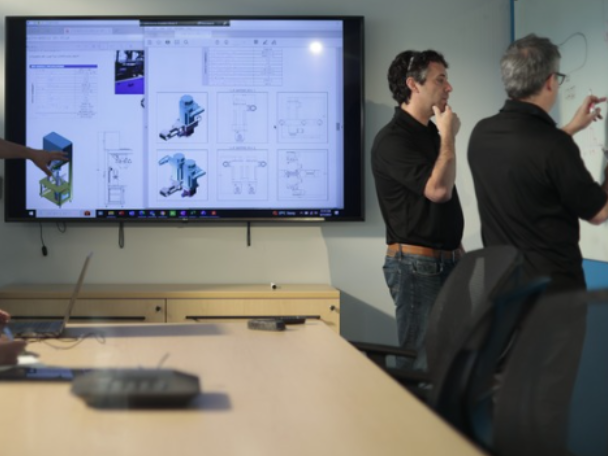
- Technical risk assessments
- Proof‑of‑principle studies
- Design for manufacture and assembly validation
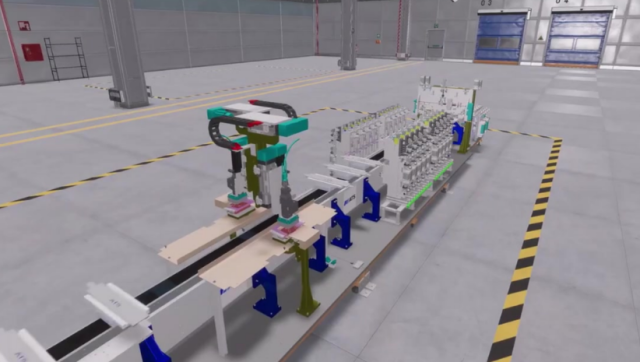
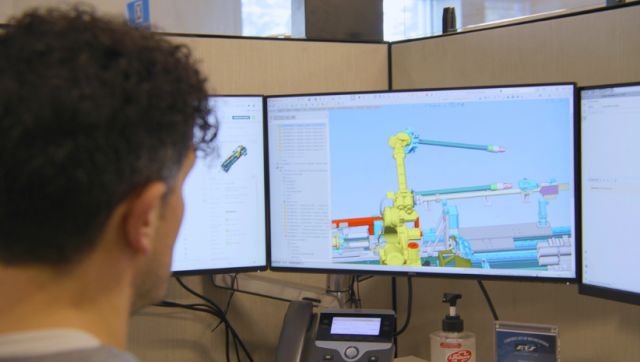
- Process simulation and risk assessment
- Validation planning and prototype equipment
- Business case development
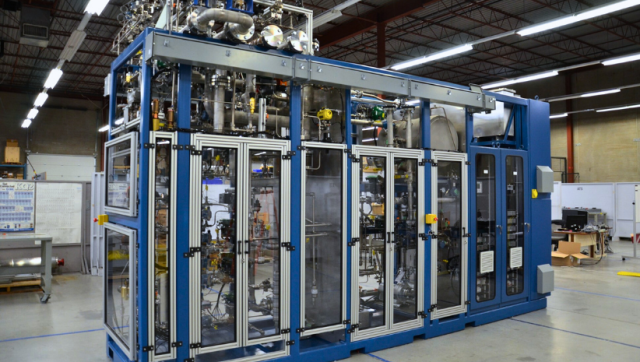
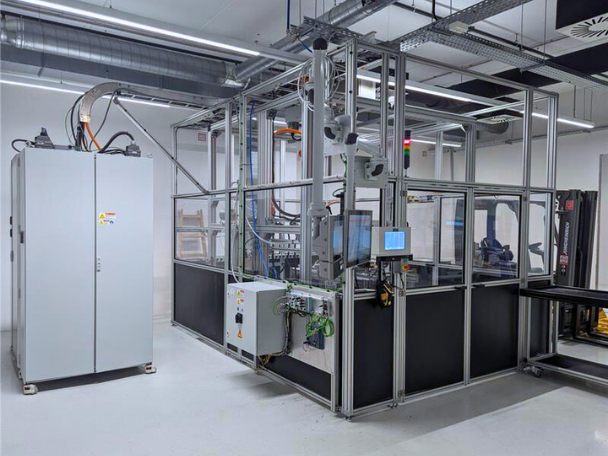
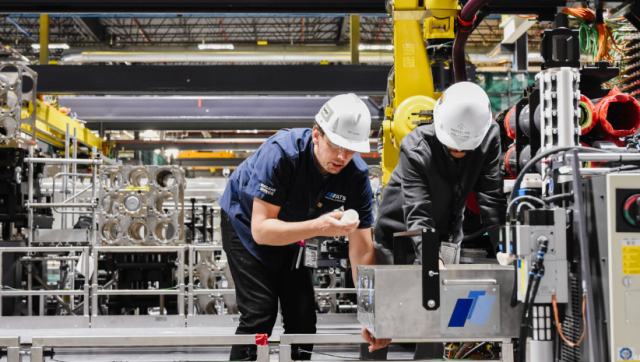
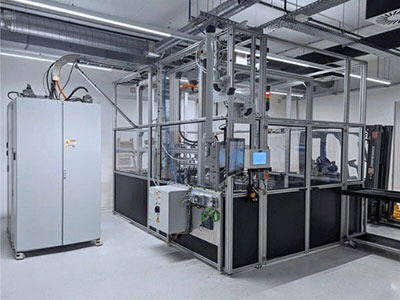
The Adaptable Platform enables early process validation through standardized demo units. These units allow teams to test high risk assembly and test steps before committing to full capital investment
For electronics manufacturing, pre-automation reduces:
- Late design changes that disrupt PCB manufacturing processes
- Rework caused by unproven assembly methods
- Launch delays driven by unstable cycle times
Key Indicators Your Current Manufacturing Systems Are Not Ready to Scale
Watch for these early warning signs:
- Production bottlenecks as volume increases
- Quality decline during ramp up
- Growth in manual workarounds
- Changeovers that require extended downtime
These signals indicate limited flexibility in manufacturing systems and automation.
How To Build a Scalable System for Consumer Electronics
To support growth, manufacturing systems must scale across people, processes, and technology.
Focus on these strategies:
- Start with modular line design: Use standardized stations and transport systems that support expansion.
- Invest in adaptable automation: Choose platforms that support SuperTrak, Symphoni, and integrated manufacturing intelligence.
- Validate processes early: Use pre-automation to prove assembly, testing, and handling before launch.
- Use data to guide scale‑up: Deploy manufacturing intelligence to monitor performance as production increases.
FAQs
What Is a Scalable Manufacturing Process?
A scalable manufacturing process allows output changes and product updates without redesigning the entire system. In electronics manufacturing, this includes modular lines, validated processes, and data driven control.
How Do You Build a Scalable Manufacturing System?
A scalable system combines adaptable platforms, flexible automation tools, and pre automation studies. This approach supports changes in volume, product design, and manufacturing requirements.
Why Is Pre-Automation Important for Electronics Manufacturing?
Pre automation validates assembly, test, and inspection processes before production begins. This reduces risk, protects yields, and shortens ramp up timelines.
How Does Manufacturing Intelligence Support Scalability?
Manufacturing intelligence provides real time visibility into throughput, downtime, and quality. Tools such as Illuminate help teams identify bottlenecks and maintain performance as production scales.
Scaling Consumer Electronic Manufacturing Without Rework or Delay
Scalable manufacturing lines provide control as volumes increase and products evolve. When manufacturing systems are designed for adaptability, exposure to late design changes, unstable PCB assembly processes, and rushed automation decisions declines.
Adaptable platforms, flexible tools such as SuperTrak and Symphoni, and early pre-automation work support process validation, yield protection, and confident expansion of manufacturing production. This approach keeps product development aligned with demand, supports lean manufacturing principles, and enables teams to move from pilot builds to full electronics manufacturing with less disruption.
Every project is unique. Allow us to listen to your challenges and share how automation can launch your project on time.

Joe Brown
Business Development Specialist
ATS Industrial Automation
Joe helps companies of all kinds to automate and scale production using bespoke automated assembly, test, and conveyance systems.