

Autonomous systems manufacturers face pressure to deliver complex products with consistent quality while managing ongoing design changes and production scale.
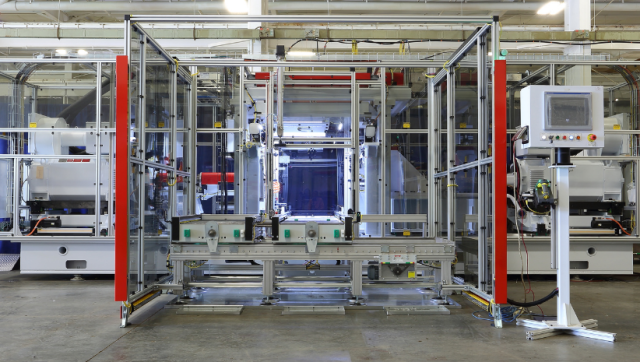
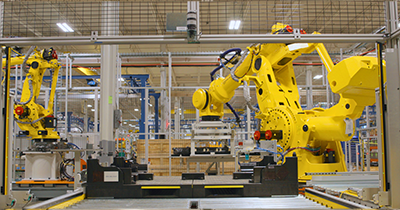
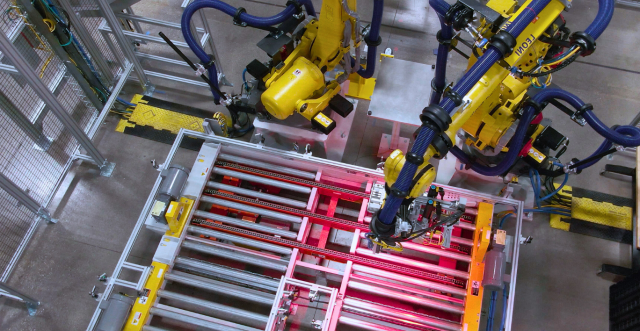
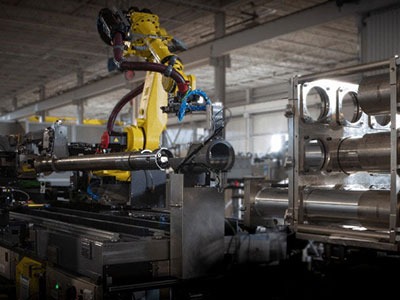
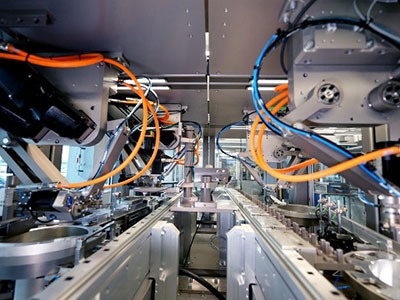
ATS Industrial Automation delivers automation and pre-automation solutions for autonomous systems manufacturing, including drones and humanoid robotics. These systems support precision assembly, integrated testing, and repeatable production across evolving product platforms which can scale with you. Manufacturing teams gain systems built to reduce risk, improve throughput, and maintain control as product complexity increases.
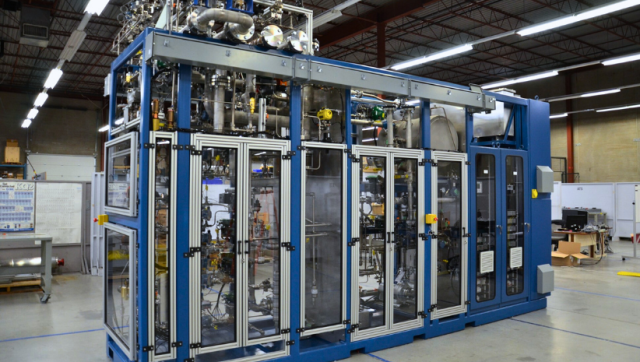
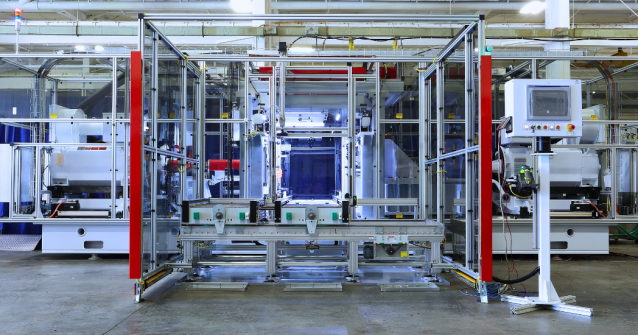
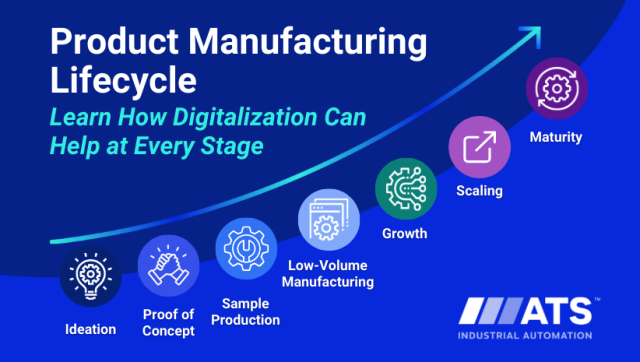
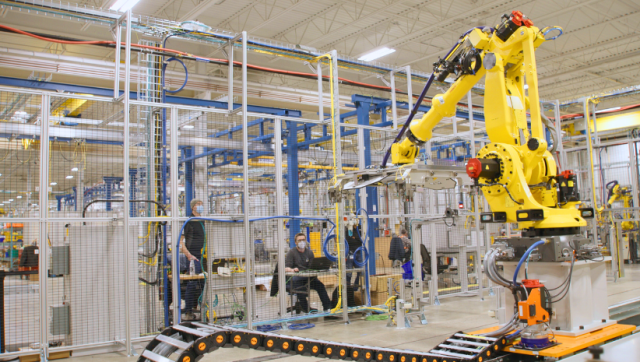
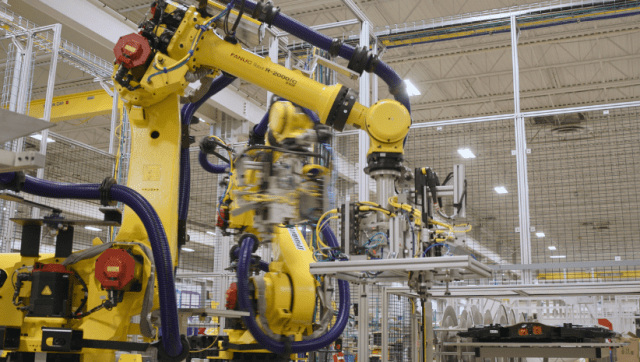
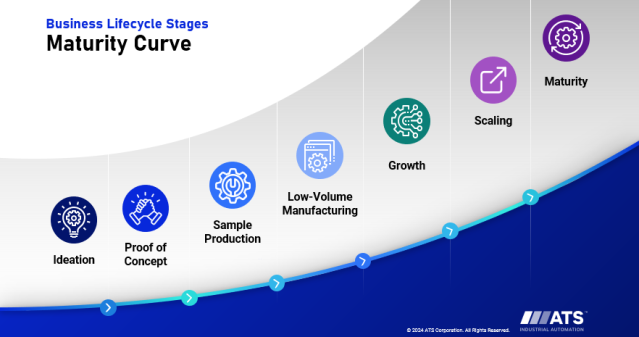
ATS combines pre-automation, robotics, modular manufacturing platforms, and in-line testing to support the production of drone systems, humanoid robotics, industrial bipedal robots, and other uncrewed platforms. Manufacturing systems support traceability, quality control, and scalable output, creating a clear path from early ideation to initial builds through to full-scale production.
Ready to discuss your autonomous system project?
Contact us today to get started.
Autonomous System Manufacturing Challenges
Solutions and Technologies
Benefits of Automation for Autonomous System Applications

Pre-Automation
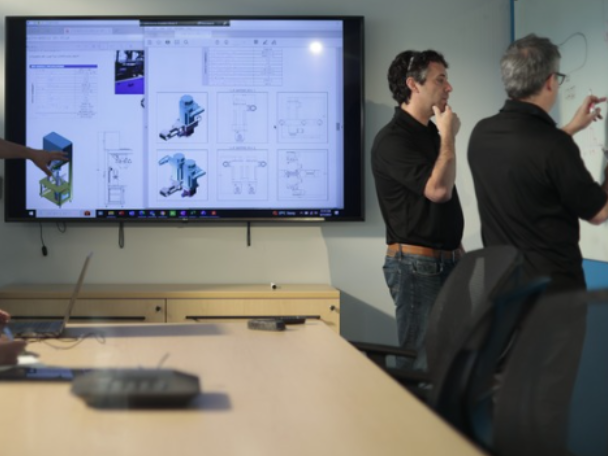
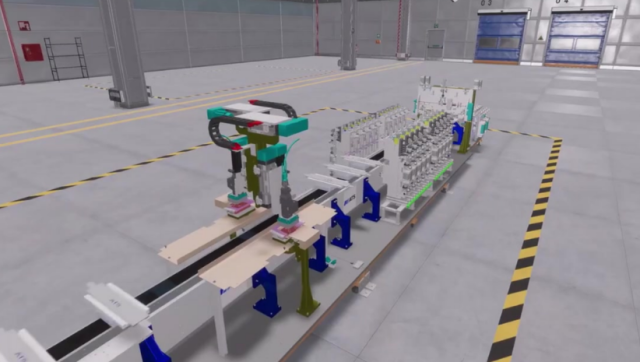
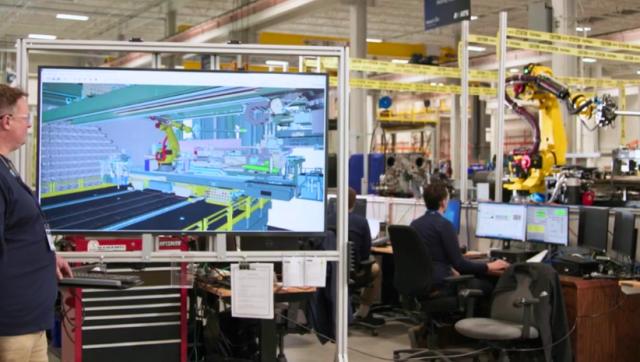
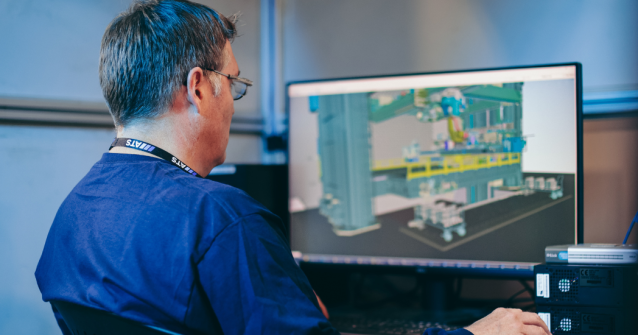
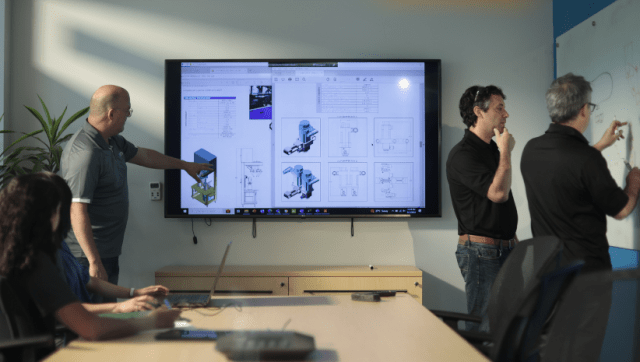
Early pre-automation engagement helps you understand where automation adds value and how to scale as programs mature. Design for Manufacture & Assembly (DFMA), and proof‑of-principle work clarify program readiness, reduce risk, and support confident investment decisions before capital is committed.

Speed and Scalability
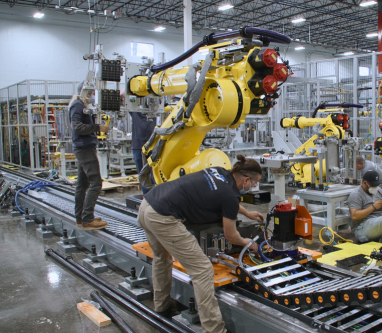
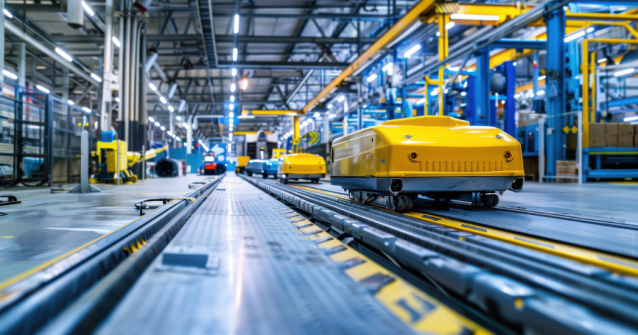
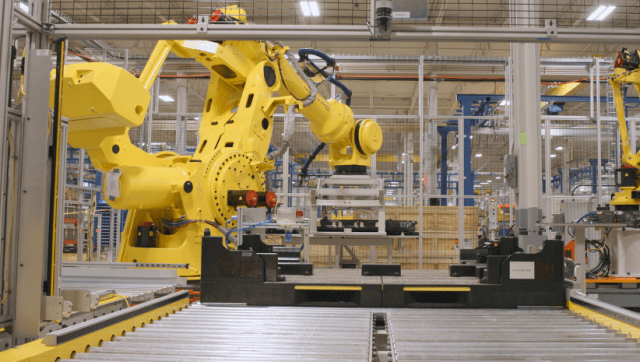
Modular, reconfigurable manufacturing platforms support rapid changeovers and increasing production volumes. Output scales with demand while assembly and testing performance remain consistent across product variants.

Integrated Quality and Traceability
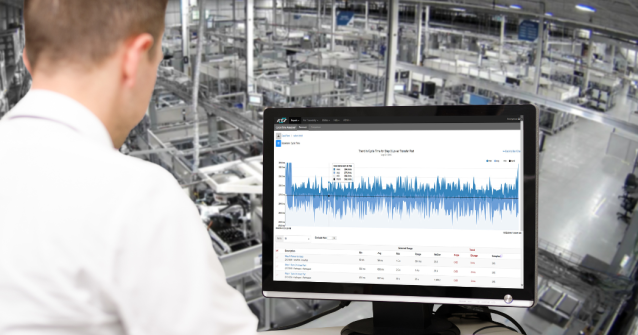
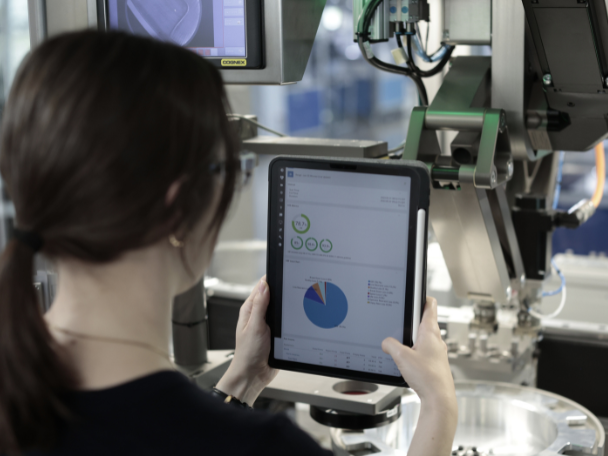
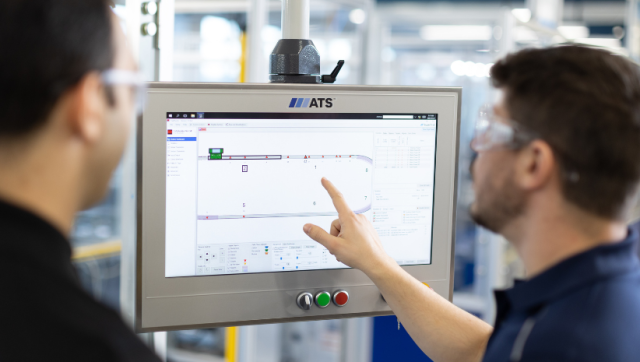
In-line inspection and testing support early issue detection and consistent quality control. Traceability across key components and processes supports root cause analysis and continuous improvement.

Flexible Production Platforms
Manufacturing systems that can adapt to design updates and new product configurations. Engineering changes are implemented without extensive retooling or prolonged downtime.
Lifecycle Partnership
ATS supports manufacturers from early process definition through system build, installation, and long-term service. Manufacturing teams gain a partner focused on system reliability, maintainability, and sustained production performance.
Autonomous System Applications and Solutions
Drones
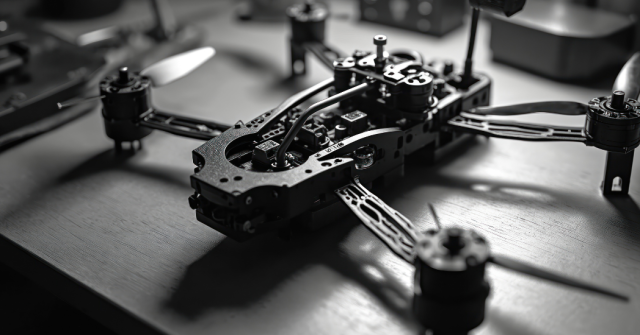
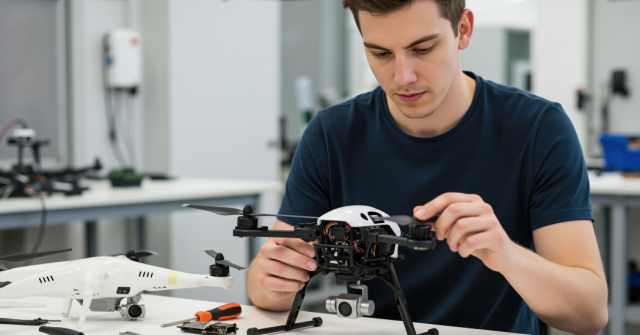
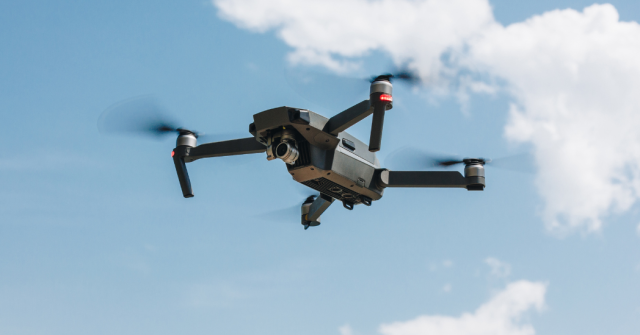
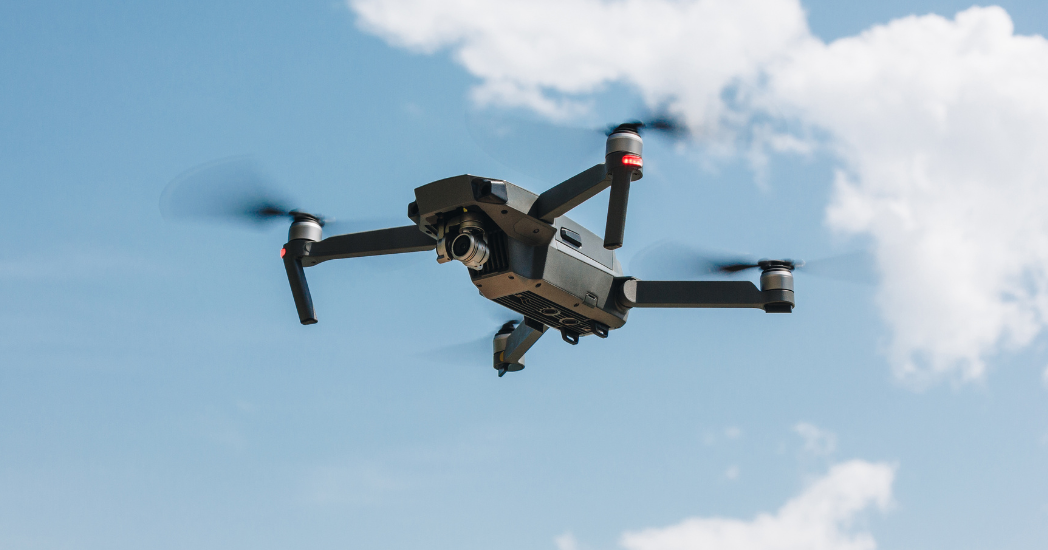
Commercial drone manufacturers and early-stage startups face unique challenges as drone designs move from concept to scaled production. During early ideation and prototype development, teams need to validate designs, manufacturing approaches, and automation strategies before committing to full-scale investment. ATS Industrial Automation supports these early stages with pre-automation services.
As programs mature, ATS delivers automated manufacturing solutions for drone applications, supporting structural assembly, propulsion integration, electronics handling, and functional testing. Production systems manage high part variability, protect sensitive components, and maintain repeatability from early builds through higher-volume production, helping teams reduce risk while meeting quality and throughput requirements.
Humanoid Robotics
Humanoid robotics manufacturing requires precise integration of mechanical structures, power systems, electronics, and motion components into a single balanced unit. ATS supports humanoid robotics products with automated manufacturing solutions for battery module and battery pack assembly, critical component integration, and staged testing from individual components through complete unit validation. Support begins early in new product introduction through DFMA alignment, systems engineering coordination, and proof-of-principle development. Manufacturing systems manage complex assemblies, protect sensitive components, and support repeatable testing as humanoid robotics platforms move from development into production.

Autonomous System Component Assembly
Battery Manufacturing
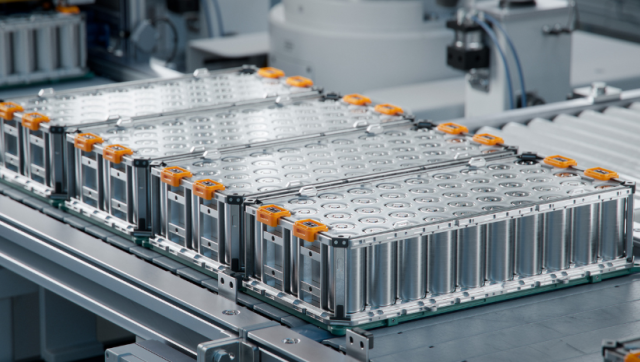
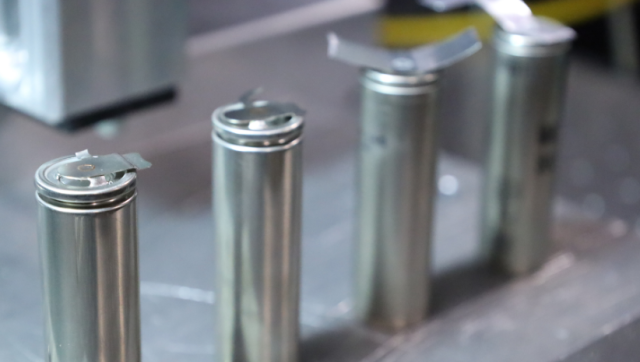
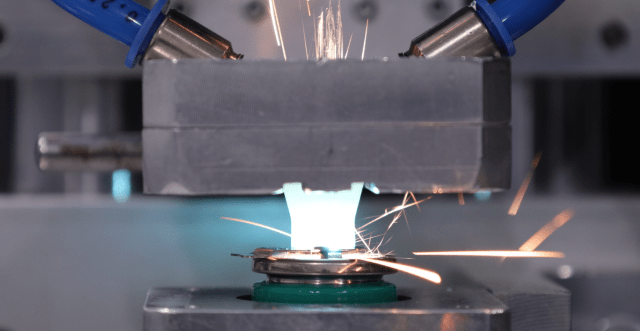
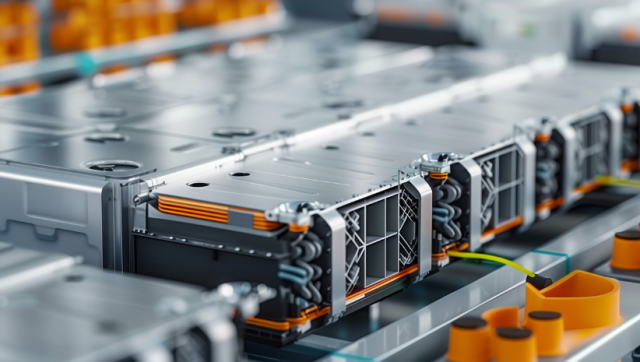
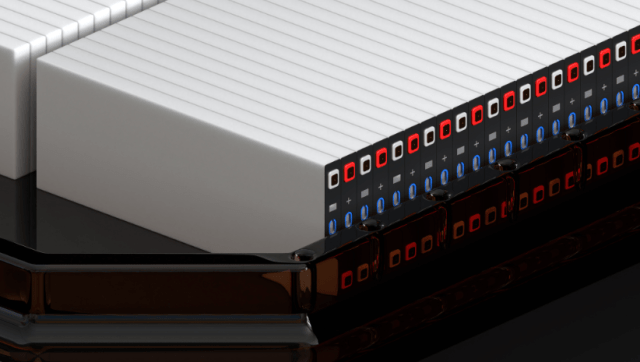
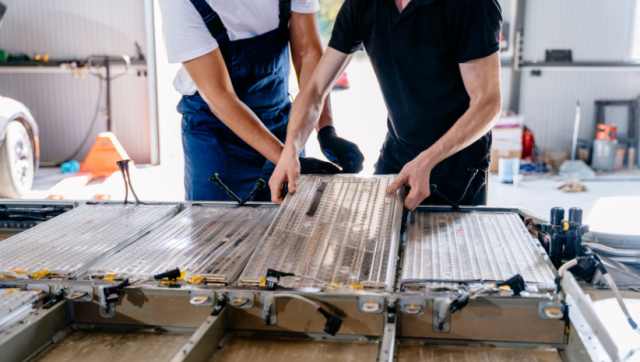
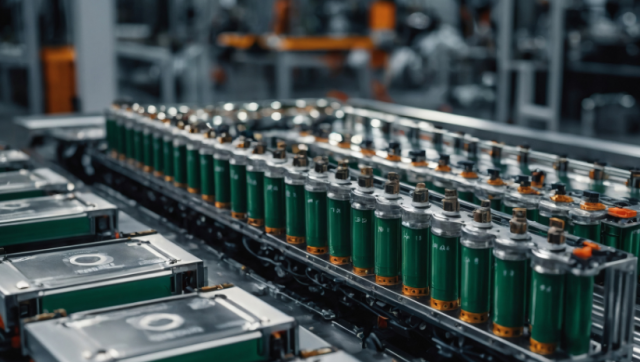
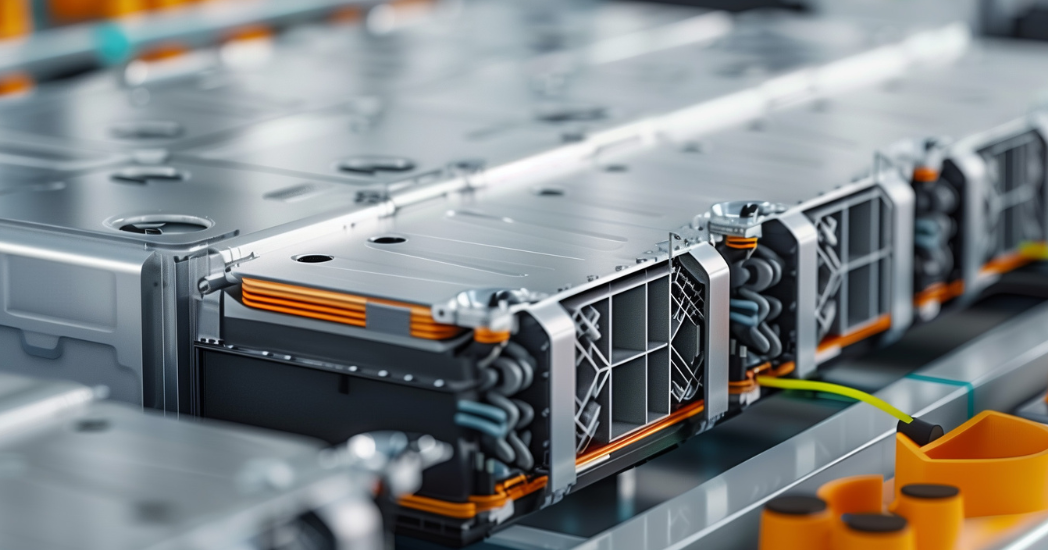
Battery assembly plays a central role across autonomous systems, drones, and humanoid robotics, where power density, reliability, and safety directly affect system performance. ATS supports battery module and battery pack assembly with automated manufacturing solutions that manage cell handling, stacking, joining, and enclosure assembly while protecting sensitive components. Integrated processes support electrical connection, thermal interface installation, and in-process inspection. Automated battery testing verifies electrical integrity and assembly accuracy, reducing rework and supporting consistent output as battery designs and production volumes evolve.
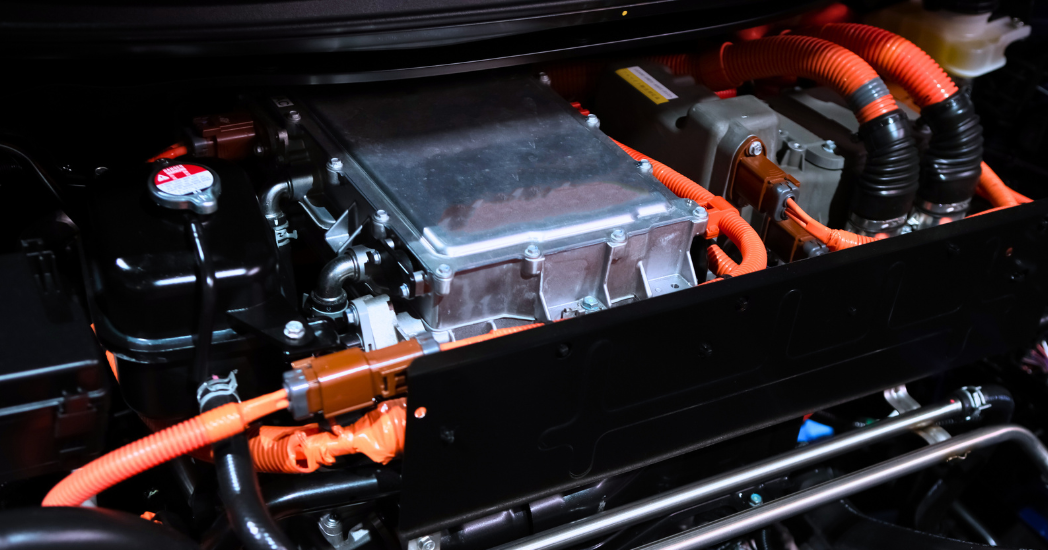
Electric Motors
Electric motors are a core subsystem across autonomous systems, drones, and humanoid robotics, where efficiency, reliability, and consistency affect overall system performance. ATS supports electric motor manufacturing with automated solutions for stator and rotor assembly, magnet handling, joining processes, and final motor assembly. Controlled material handling, precise alignment, and integrated in-process inspection support tight tolerances and reduce variation. Automated testing verifies electrical and mechanical performance before motors move downstream, protecting quality across early programs and higher-volume builds.