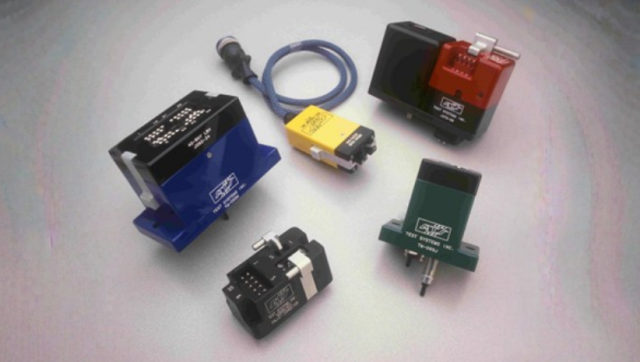


Sensor manufacturing teams manage high product mix, which drives frequent changeovers and adds pressure to the manufacturing schedule. In sensor assembly, a product change often requires updates across multiple stations, including part presentation, precision assembly, inspection, and calibration.
Changeovers usually affect part presentation, precision assembly, inspection, and calibration. As changeover time increases, operational efficiency drops, and production planning becomes more difficult to stabilize.
Low Overall Equipment Effectiveness (OEE) in manufacturing often appears as the headline symptom, yet frequent product changeover usually creates a constraint that teams feel first. A practical approach starts with process development and service-led pre-automation, then scales into automation once teams define requirements, risks, and process capability.
Why Changeover Time Matters in Sensor Manufacturing
Industrial product manufacturers face pressure to deliver high-quality components at scale while meeting performance and compliance expectations in a market with high product variability. For manufacturers with multiple sensor variants, the line needs to handle product changes without sacrificing speed. When changeovers stack up, the impact shows up as missed manufacturing schedule targets, more line downtime, and higher schedule overruns.
In sensor manufacturing, quality and compliance requirements also raise the duration of a changeover. The sensor manufacturing process often includes sensor calibration and other quality-critical steps, where setup drift or incorrect settings affect traceability and quality outcomes.
How To Measure Changeover Time
A consistent definition helps teams compare performance across lines and shifts. Many teams track changeover from the last good unit of Variant A to the first good unit of Variant B, then segment the work by where time and errors occur.
Key Metrics Include:
- Changeover duration by product variant and by shift
- Changeover frequency per shift and per manufacturing schedule window
- First-pass quality after changeover, tied to traceability and inspection outcomes
- Line downtime associated with changeovers and restarts
- Number of “roadblocks” discovered during setup, including missing information and late changes
Best Strategies for Reducing Changeover Time: Standardization of Processes
Sensor lines with high product variants need flexible systems. Teams also need standard work for setup steps, tooling configuration, and verification checks. Pre-automation supports standardization by building a clear understanding of existing assembly workflows, so teams avoid automating inefficiencies or redundancies.
Training and Cross-Training Employees
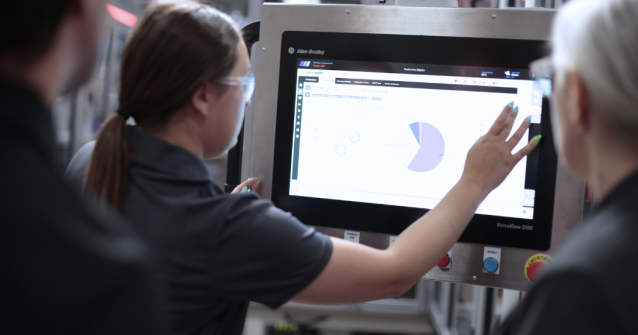
Frequent changeovers increase reliance on consistent execution. Training reduces variation, especially during setup and verification steps. Digital training offers a practical option when access to live equipment is limited.
Implement Quick Changeover Techniques
Quick changeover work depends on two ideas:
- Reduce setup steps that only happen after the line stops
- Reduce setup errors by making requirements, recipes, and verification steps explicit
Pre-automation supports quick changeover by identifying missing information early, which reduces the likelihood of future production holdups. Pre-automation also reduces the likelihood of rework and delays later in the lifecycle.
Invest In Technology
For high-variant sensor manufacturing, technology investment needs to follow a clear definition of where changeover losses occur. Modular platforms support rapid changeovers and high throughput, and digital capabilities like real-time monitoring, virtual commissioning, and digital training support downtime reduction.
Continuous Improvement Culture
A continuous improvement program requires consistent performance measures and a defined process for identifying the highest-impact improvement opportunities. Track OEE, schedule adherence, manufacturing variation, and changeover-related losses, then use trend data to identify recurring constraints and guide scale-up decisions from pilot runs to high-volume production.
Strategies To Reduce Downtime in Manufacturing
Frequent changeovers add planned production losses, while equipment failures, material shortages, and process disruptions contribute to unplanned downtime. Teams benefit from mapping both sources of lost production time across the manufacturing process to understand their impact on throughput, schedule adherence, and operational efficiency. Pre-automation planning often identifies downtime and schedule overruns as recurring challenges, which reinforces the need to measure, prioritize, and address their root causes.
Optimize Production Scheduling for High Product Mix
High product mix increase the importance of production planning. When scheduling forces too many short runs, changeover frequency rises, and the manufacturing schedule becomes harder to meet. A practical approach ties scheduling decisions to changeover time, production capacity, setup staffing, and verification steps already defined in standard work.
Reduce Changeover Time with Single-Minute Exchange of Die (SMED)-Style Task Separation
Separating internal tasks (tasks done while the machine is stopped) and external tasks (tasks done while the machine is running). works best when requirements and setup steps are clearly documented. Requirements definition in pre-automation helps by specifying and documenting the needs and expectations for an automation project, which reduces ambiguity and scope creep. Requirements definition also supports verifiable requirements so the final system can be tested against needs.
Implement Visibility Across Lines and Shifts
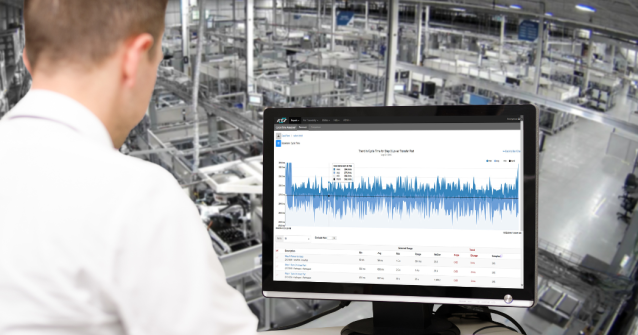
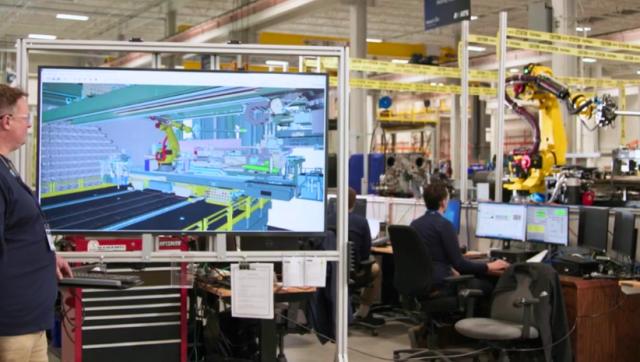
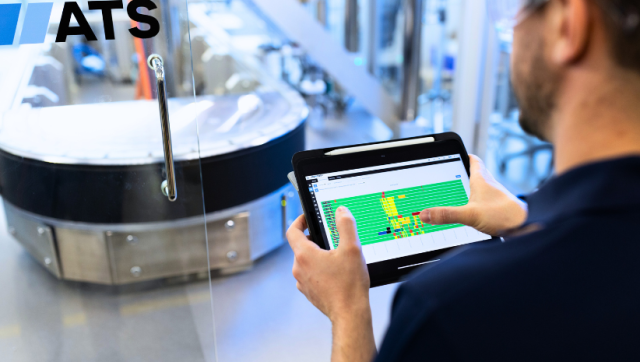
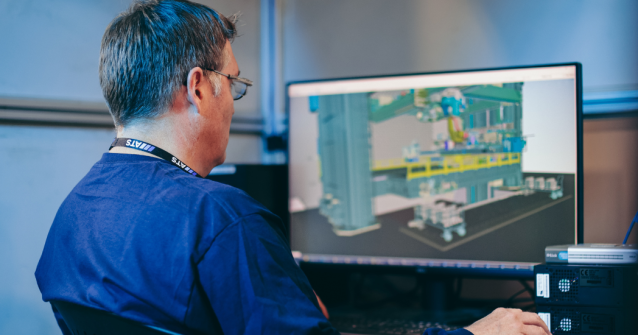
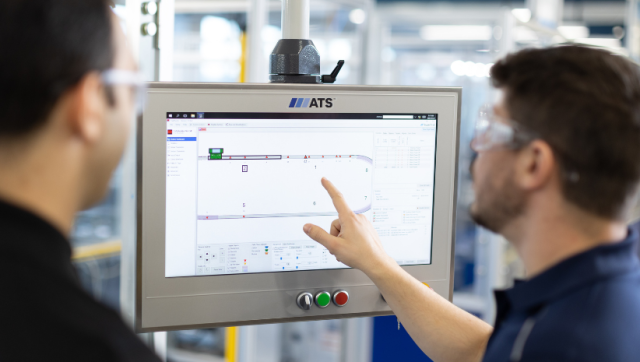
Digitalization supports sustained reliability by giving teams real-time visibility into system behavior, and system twins support evaluation of equipment and processes in a virtual environment to reduce commissioning risk and identify design issues early.
Implement Maintenance Planning Across the Production System
Maintenance discipline matters more when lines switch variants frequently, since clamps, fixtures, feeders, and connectors experience more cycles. Reliability-focused work also reduces scrap and rework, supports troubleshooting, and supports smoother scale-up during volume growth.
Use OEE as a Management Tool, Not a Reporting Metric
OEE captures availability, performance, and yield, and OEE shifts often signal deeper reliability challenges rather than isolated events.
Use OEE to pinpoint where product changeovers disrupt sensor manufacturing, then trace each loss to a root cause such as a mechanical constraint, a procedural gap, or process variation.
In sensor assembly, focus the review on areas where product variants drive setup changes, including PCB handling, optical alignment, and calibration processes. Teams should also assess MES integration and traceability requirements to verify that recipe management, production records, and quality data remain consistent across variants.
Pre-Automation For High-Variant Sensor Manufacturing
High product mix creates pressure to run multiple product variants without sacrificing speed. It also increases the complexity of maintaining accurate traceability records as product-specific assembly parameters, calibration data, inspection results, and MES records change between variants.
Pre-automation defines a proactive approach for developing product and process requirements and associated manufacturing processes, plus risk mitigation and early-stage automation planning, which reduces late-stage design changes, longer lead times, production delays, and rework resulting from misalignment between product design and manufacturing teams.
For sensor manufacturing, apply this work to stabilize the highest-variation steps first, especially calibration and alignment activities that repeat across variants.
Requirements Definition for Sensor Variants
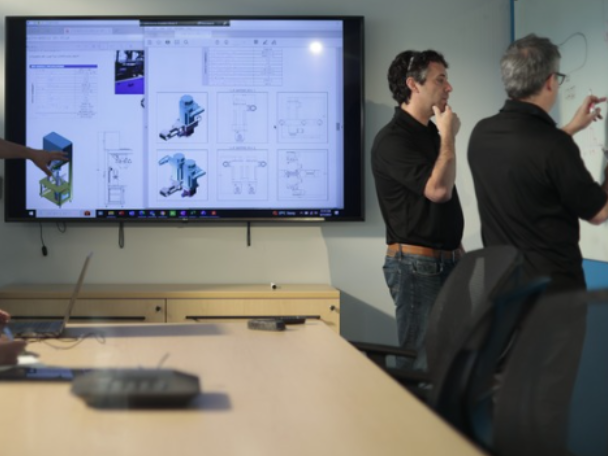
Requirements definition specifies and documents needs and expectations, builds shared understanding across stakeholders, reduces ambiguity, and reduces scope creep. Verifiable requirements support testing.
Poorly defined requirements increase the risk of delays, budget overruns, and missed production targets, which often follow from misinterpreted expectations and late changes.
For sensor manufacturing, document the product attributes that require different tooling, recipes, setup parameters, or calibration methods across variants. Requirements should also define how MES systems will capture and maintain traceability for production records, quality results, and calibration data.
Build traceability by utilizing acceptance test plans based on system requirements, then verify requirements during factory acceptance testing (FAT), site acceptance testing (SAT), and installation and operational qualification (IQ and OQ) phases.
Process Development Steps That Reduce Changeover Risk
Low OEE rarely stems from one issue. Under-performing lines often link to narrow or untested process windows, difficult-to-assemble products, station imbalances, and test strategies that miss defects or slow throughput.
Proof of principle (POP) studies define robust process windows and key failure modes, and POP outcomes guide placement of in-line checks and decisions on filtering borderline parts.
For sensors, prioritize POP activities around optical alignment and calibration repeatability across variants, then use results to tighten setup parameters and reduce post-changeover stabilization time.
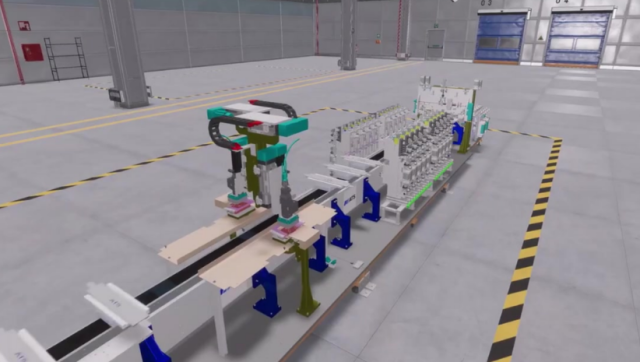
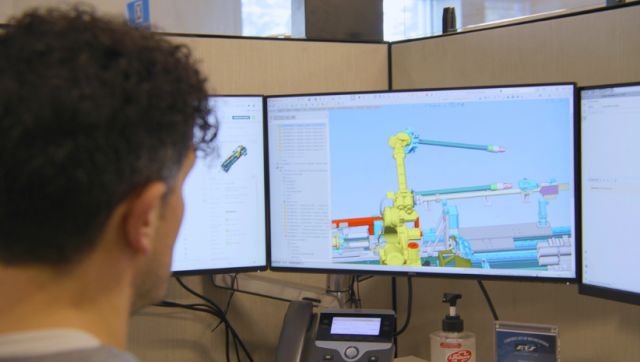
Simulation supports consistent throughput under realistic conditions by validating cycle times, buffers, and layouts, which reduces late-stage changes that drive cost and schedule delay.
For sensors, use simulation to test product mixes and changeover frequency, then adjust line balance and inspection capacity before equipment build decisions lock in constraints.
FAQ
What Drives High Changeover Rates in Sensor Manufacturing?
High product mix increases the number of product variants a line needs to handle. In sensor manufacturing, product changeovers often require equipment setup adjustments, calibration checks, and process verification steps before production of the next variant begins.
How Does Pre-Automation Help Reduce Product Launch and Changeover Delays?
Pre-automation supports development of products and associated manufacturing processes, risk mitigation, and early-stage automation planning. The same content links lack of pre-automation to late-stage design changes, longer lead times, production delays, and rework.
Which Pre-Automation Steps Support Faster, More Repeatable Changeovers?
Requirements definition reduces ambiguity and supports requirements verification during acceptance testing. POP studies establish process capabilities before manufacturing system design and verifies performance early. Together, these steps reduce rework and reduce delay risk later in the lifecycle.
How Do Training Improvements Support Changeover Reduction?
Frequent changeovers rely on consistent execution of setup, verification, and troubleshooting tasks. Clear procedures combined with digital training help reduce variability between operators and support more repeatable changeover performance.
How Should Teams Use OEE In Manufacturing When Changeovers Drive Losses?
Analyzing process flows, product variation, and operator interactions provides visibility into steps that introduce risk or reduce OEE. This positions OEE as a management tool helping to quickly identify root cause, not only report a number.
Build A Changeover-Ready Sensor Manufacturing Roadmap
Frequent changeovers are often a necessary part of high-mix sensor manufacturing. Their impact on productivity and schedule performance tends to increase when requirements are unclear, process windows are unstable, or setup activities lack consistency.
A practical path starts with measuring changeover impact through OEE, then locking down variant requirements for PCB handling, optical alignment, calibration, and traceability.
From there, focus on process development to define robust windows and document failure modes, then validate throughput assumptions with simulation under realistic downtime and variant-mix conditions. This sequence reduces schedule overruns, supports more consistent changeovers, and improves operational efficiency across lines building multiple products.
Every automation project is unique. Allow us to listen to your challenges and share how automation can launch your project on time.

Patrick Tabis
Applications Group Lead
ATS Industrial Automation
Patrick helps companies across numerous industries with planning and deploying automation projects on a global scale. Patrick works with customers to optimize the technical design of production lines to drive operational efficiency.