

Industrial electric motor manufacturing presents a unique set of production challenges. Manufacturers often manage a wide range of motor designs, fluctuating demand, and quality requirements while maintaining control over production costs. As a result, decisions related to assembly processes, testing, and automation require a different approach than those used in highly standardized, high-volume manufacturing environments.
Electric motor manufacturing demands flexibility. Variable production volumes, frequent product changeovers, and high uptime expectations shape how automation decisions are made. While many manufacturers recognize the value of automation, determining where to begin and how to scale without locking production into rigid processes remains a common challenge.
Effective automation focuses first on process stability and reliability. High-impact automation targets reduce variation, protect quality, and support scalability across changing motor designs. Pre-automation work, targeted automation, and reliability engineering help manufacturers improve performance on both new and established production lines.
The Evolution of Modern Motor Manufacturing Automation
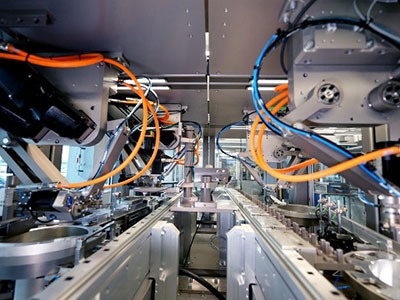
Industrial motor production lines increasingly rely on automation to manage tighter tolerances, rising quality expectations, and growing product variability.
Early automation investments often focus on consistency, data traceability, and defect prevention rather than speed alone. This approach positions automation as a long-term reliability strategy rather than a short-term capacity response. Stabilizing processes before increasing throughput reduces downstream risk and supports sustainable line performance.
What to Understand Before Automating Any Station
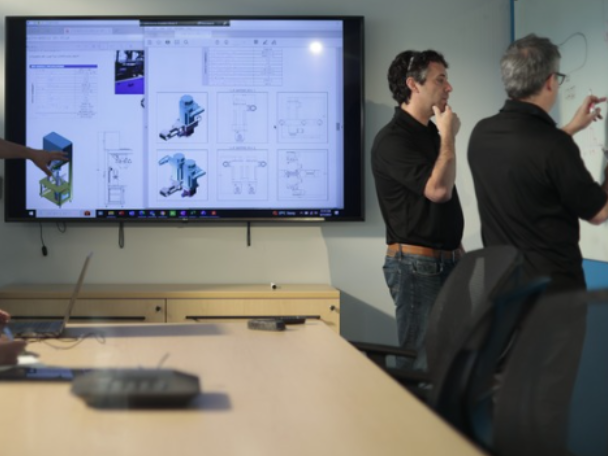
Before automating a station, teams need a clear understanding of how the existing manufacturing process behaves under real operating conditions. Pre-automation work helps to reveal process variability, design constraints, and informal operator workarounds that rarely appear in documentation.
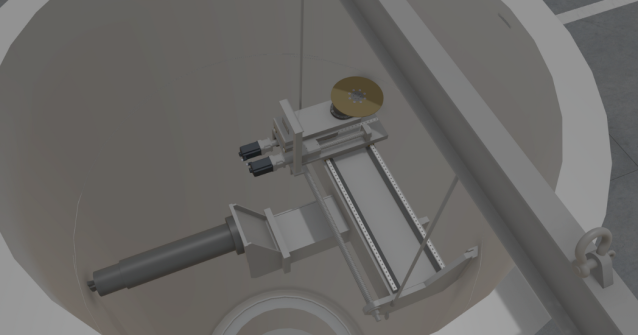
Early line validation and simulation help uncover alignment risks, magnetic handling challenges, and tolerance sensitivity before equipment design begins. Addressing these issues early reduces late-stage changes that increase cost and schedule risk.
Process Stability Before Automation
Industrial electric motor lines benefit most from automation when the underlying process is repeatable.
Key areas to evaluate include:
- Rotor and stator handling behavior, particularly around magnetic attraction.
- Assembly datum strategies and tolerance sensitivity.
- Surface cleanliness and contamination risk.
- Manual inspection steps that may vary by operator.
These factors influence which stations deliver the highest return from production line automation
Prioritize High Impact Automation Opportunities
What to automate first depends on risk exposure, repeatability, and quality impact.
High value automation targets often include precision assembly steps where alignment affects motor performance, handling of magnetic or contamination sensitive components, inline quality checks that rely on manual inspection, and end of line testing that provides feedback too late to prevent scrap.
Industrial manufacturers often achieve greater returns by automating quality critical steps before focusing on high-speed assembly. This approach aligns automation priorities with reliability and yield rather than throughput alone.
Core Components of Advanced Motor Production Systems
Smart Robotics and Precision Assembly
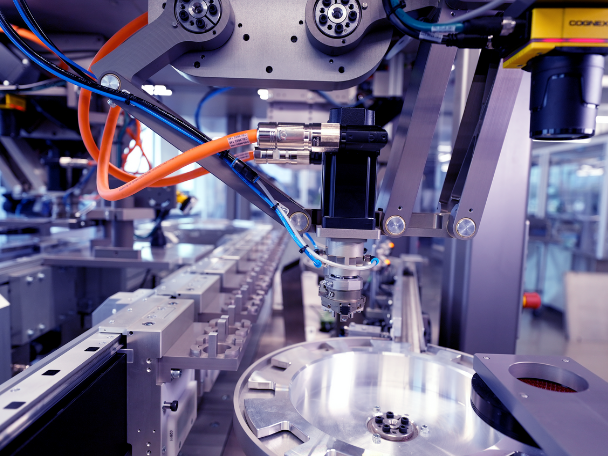
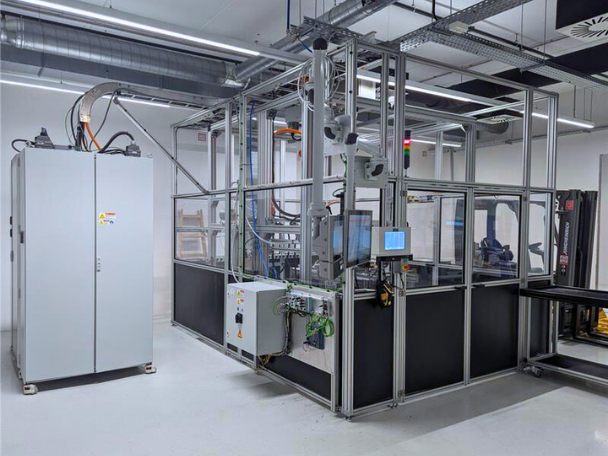
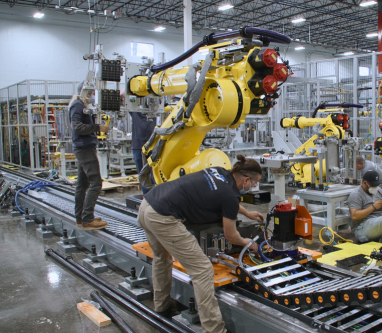
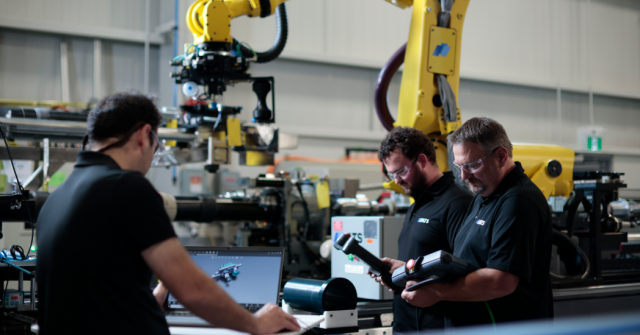
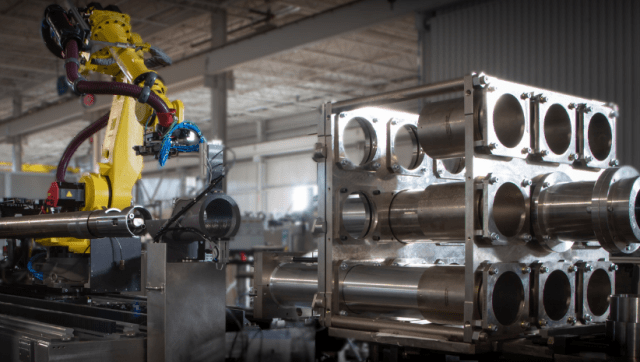
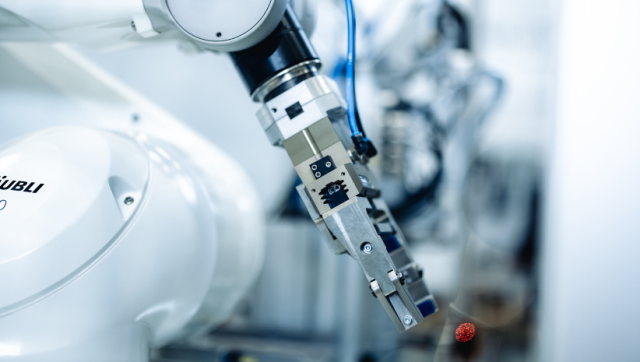
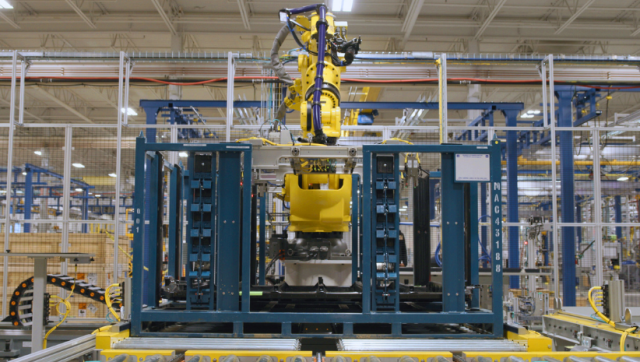
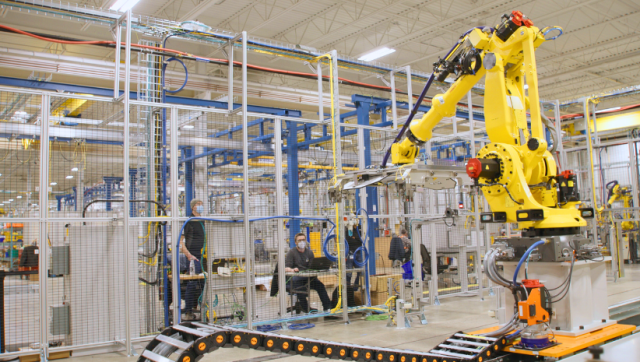
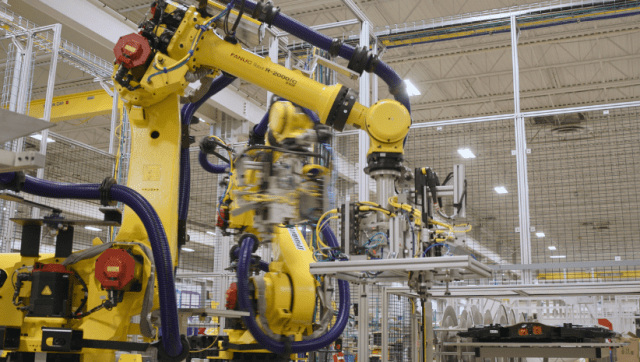
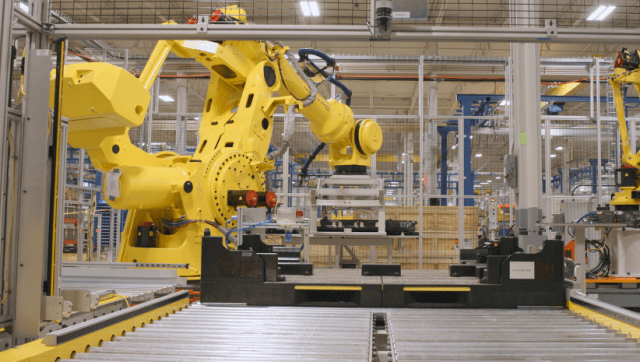
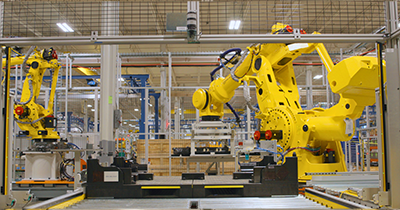
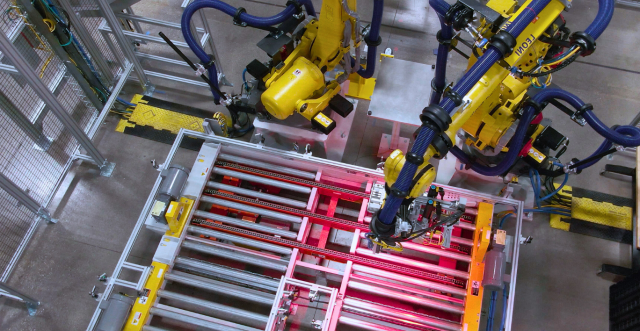
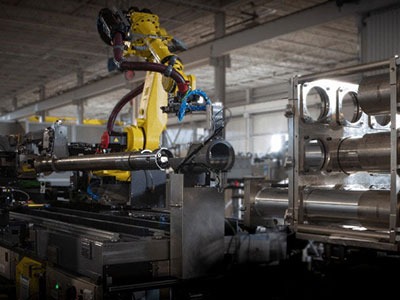
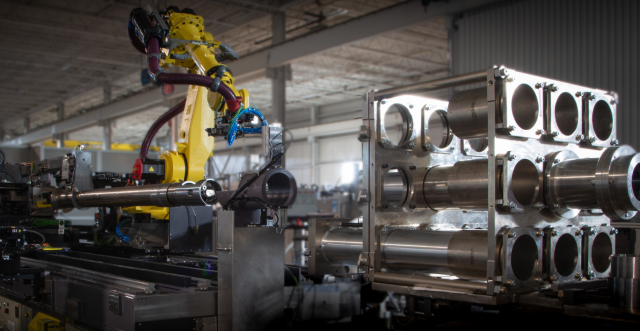
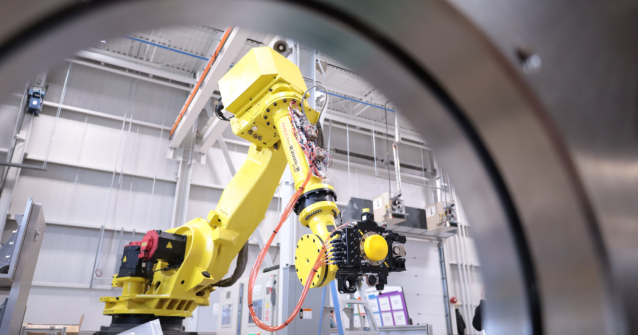
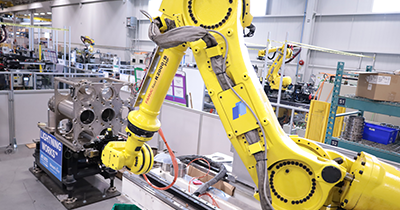
Robotic systems stabilize electric motor assembly by delivering consistent positioning and controlled force during critical operations such as rotor stator assembly. In industrial environments, robots are selected for repeatability and process control rather than speed, which reduces variation and rework caused by misalignment.
Automated Quality Control and Testing
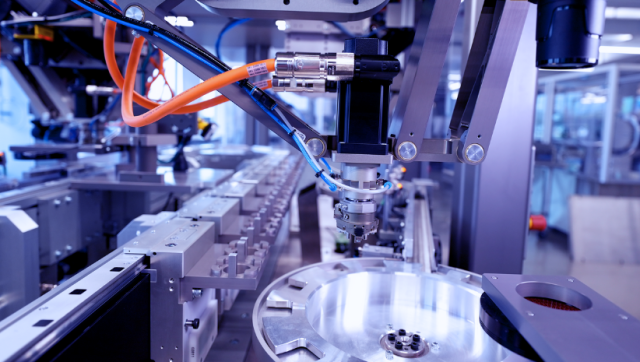
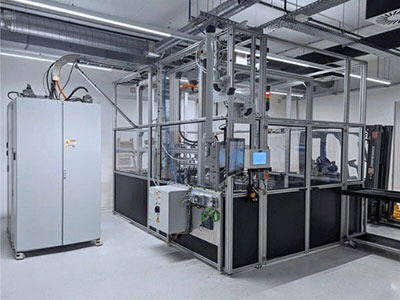
In-line inspection and testing reduce reliance on end of line checks. Automated quality stations identify defects earlier in the process, improve yield, and support traceability requirements common in industrial applications.
Digital Integration and Smart Manufacturing
Digital Twins for Process Verification
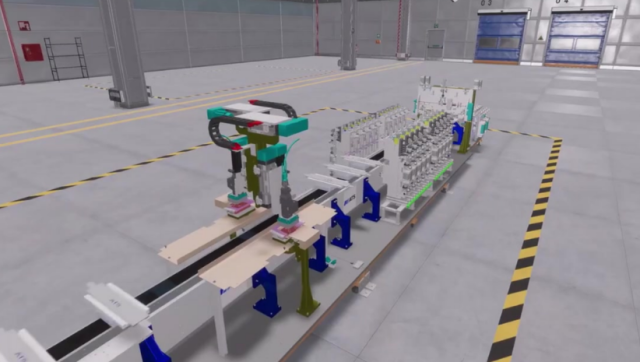
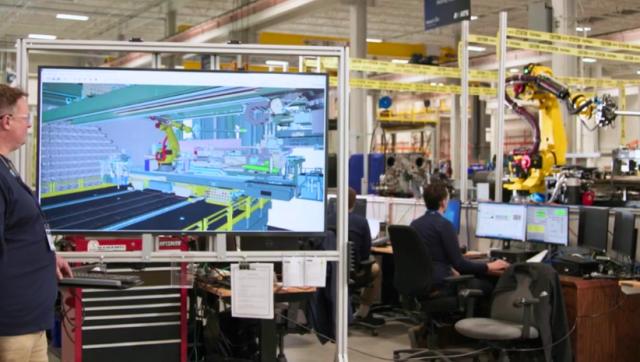
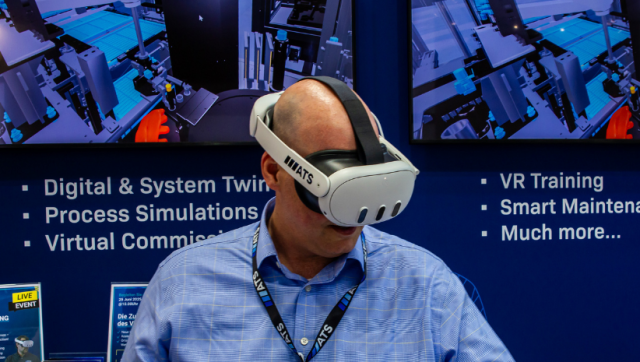
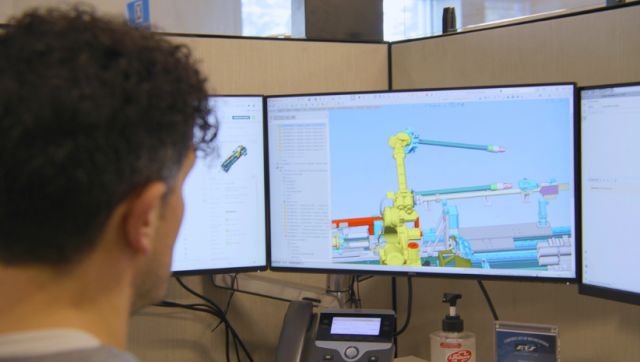
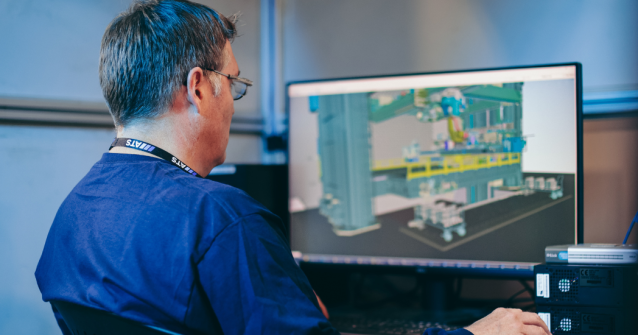
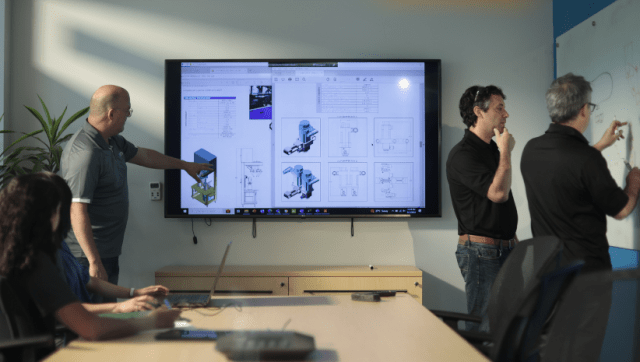
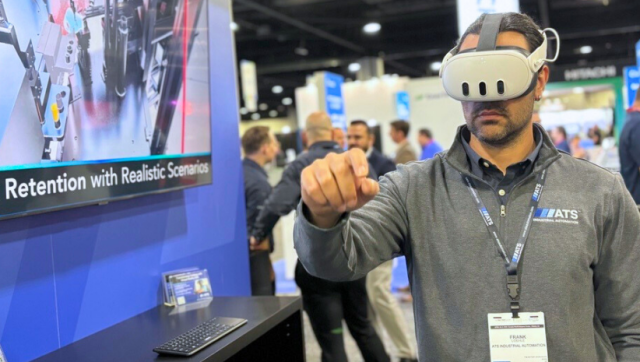
Digital twins allow manufacturers to validate station behavior before physical builds. By simulating automated stations, engineering teams resolve alignment, handling, and sequencing risks early. This approach supports both new line launches and targeted upgrades to existing lines.
Real Time Monitoring and Data Integration
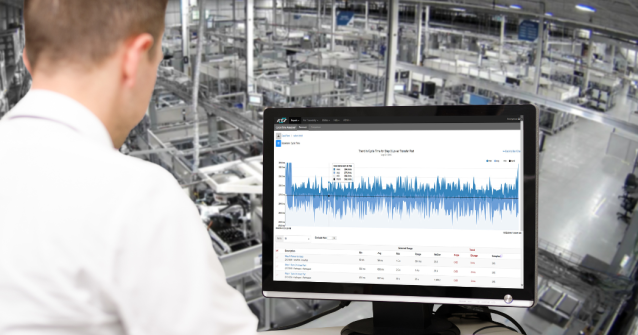
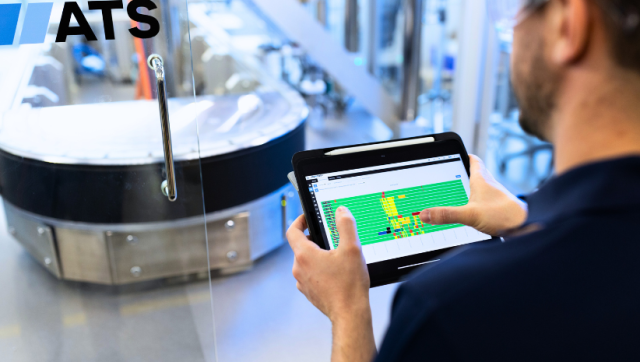
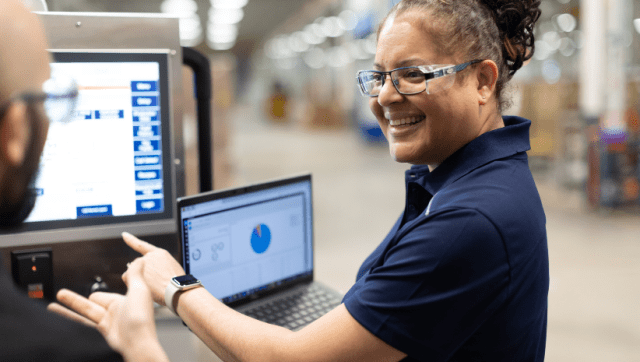
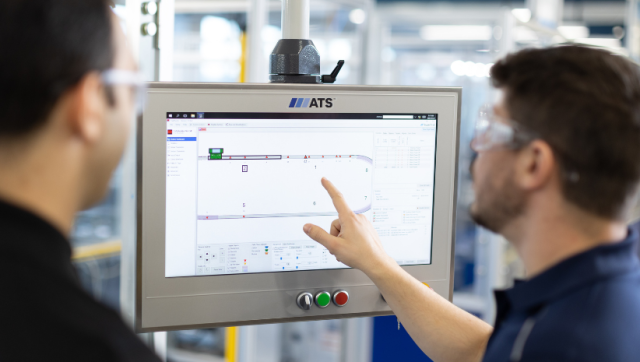
Real-time production data supports preventive maintenance and process tuning. Visibility into torque trends, alignment drift, and thermal behavior helps maintain reliability across long production runs, which matters more in industrial manufacturing than optimizing short takt times.
Support for New and Established Lines
New production lines benefit from modular automation platforms that adapt as motor designs evolve. Established lines often require targeted automation that integrates with existing equipment.
Common upgrade paths include:
- Adding automated inspection to manual stations.
- Introducing robotic handling where ergonomics or repeatability limit performance.
- Integrating digital tools to improve data visibility without full line replacement.
This staged approach reduces disruption while extending line life.
Reliability Engineering as an Automation Priority
Reliability engineering guides automation decisions toward reducing downtime, scrap, and rework. In electric motor manufacturing, this often means prioritizing surface preparation, contamination control, and controlled assembly environments.
Automation supports reliability by enforcing consistent process conditions and reducing variation that leads to premature motor failure. Treating reliability as an automation priority strengthens long-term production performance.
Sustainable Manufacturing Practices in Industrial Motor Production
Energy Efficiency Optimization
Stable automated processes reduce rework, scrap, and unnecessary motion. Over long production lifecycles, consistent processes consume less energy and support efficiency goals.
Waste Reduction and Material Recovery
Early defect detection minimizes material waste. Automated inspection and testing allow manufacturers to correct issues before full motor assembly, reducing scrap rates across electric motor parts production.
FAQ
What is production line automation in electric motor manufacturing?
Production line automation refers to using automated systems to stabilize and control manufacturing processes for electric motors, focusing on consistency, quality, and reliability rather than speed alone.
What are the best areas to automate first in an industrial motor manufacturing process?
High‑risk, quality critical steps such as precision assembly, material handling of magnetic components, and inline testing often deliver the strongest returns.
How long does it take to automate an electric motor production line?
Timelines vary based on scope. Many manufacturers start with targeted automation projects that integrate into existing lines rather than full line replacements.
What level of maintenance does an automated motor production line require?
Automated systems require structured preventive maintenance. Digital monitoring tools help teams maintain reliability by identifying wear and drift before failures occur.
Start With One Bottleneck and Build Outward
Every electric motor manufacturing line contains at least one constraint that limits quality, uptime, or output. Attempting to automate too many areas at once increases integration risk and dilutes focus.
A more effective approach begins by identifying a single bottleneck where variation creates downstream issues. Common examples include rotor stator alignment, handling of magnetic components, surface preparation before bonding, or manual inspection steps dependent on operator judgment. These points amplify small process issues into scrap, rework, or downtime later in the line.
Targeted automation to address one constraint reduces risk, generates clean performance data, and establishes a stable foundation for surrounding stations. New lines gain early stability before scaling. Existing lines improve reliability without full rebuilds.
Industrial automation performs best when implemented as a sequence of deliberate steps. Stabilize one process. Add visibility. Then expand with confidence while preserving flexibility for product variation.
If you are planning automation for an electric motor manufacturing line or improving reliability on an existing system, an early pre-automation discussion helps clarify where to start and how to prioritize for long term performance.
Every automation project is unique. Allow us to listen to your challenges and share how automation can launch your project on time.

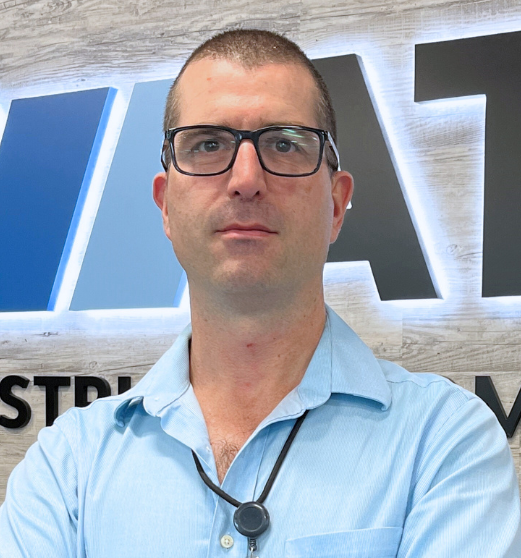
Robert Dunn
Manager, Applications Engineering
ATS Industrial Automation
With extensive experience supporting automation projects worldwide, Robert helps manufacturers develop efficient, scalable production lines. He works closely with manufacturers to refine technical designs, improve operational performance, and support successful project execution from concept through deployment.