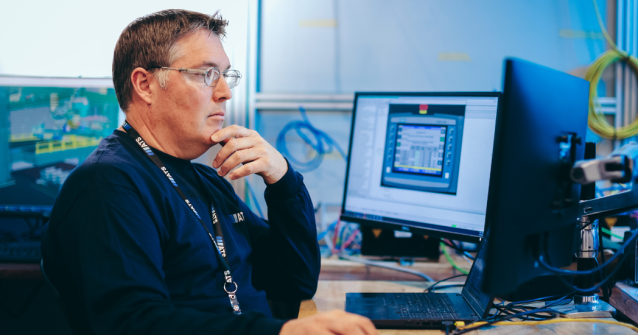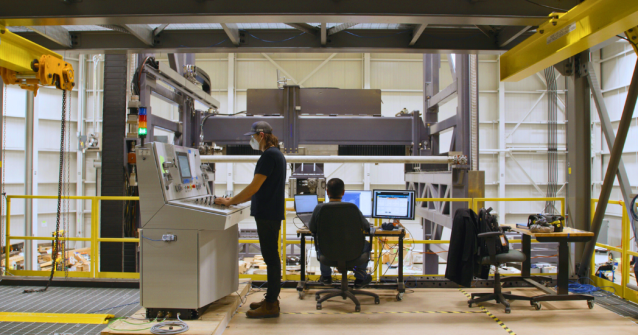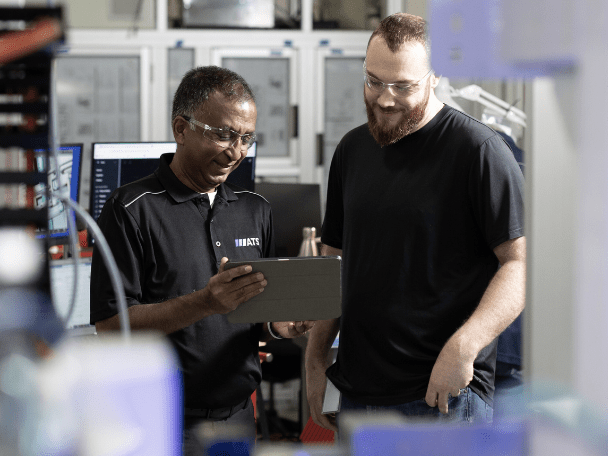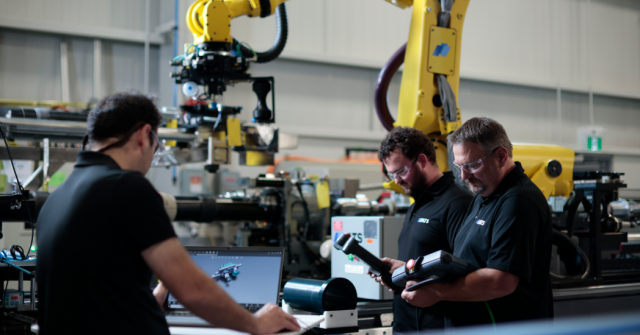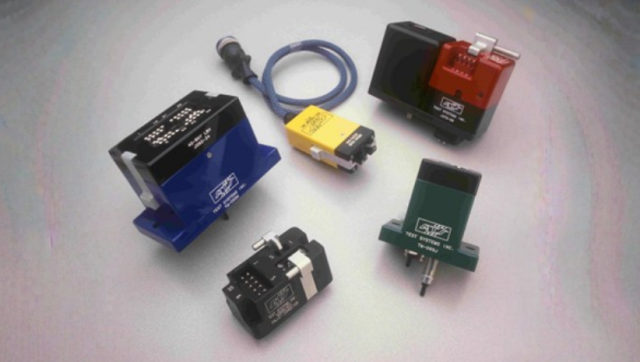


Industrial product manufacturers face sustained pressure from workforce turnover, retirements, and rising system or machine complexity. The impact becomes visible when onboarding stretches longer than planned; quality varies across shifts, or critical work knowledge remains with a small group of experienced employees.
Immersive training and digital work instructions help to reduce the learning curve for complex industrial product applications like sensors assembly, electric motor assembly, and testing tasks. These approaches support skill development and higher quality outputs, while limiting disruption to active production lines.
Product Example: Shifting Dynamics in Industrial Electric Motor Manufacturing
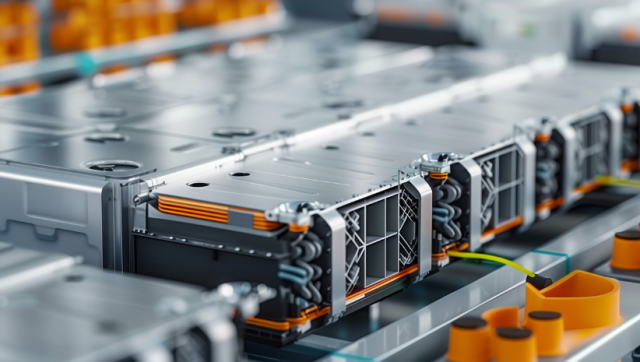
Electric motor manufacturing continues to change as product variants grow, and performance requirements tighten. Stator winding, rotor assembly, magnet insertion, and end-of-line testing demand precision and repeatability.
However, while demands grow, the skilled labor pool continues to shrink, leaving manufacturers at risk. Automation roadmaps help to connect workforce planning with technology investment through a structured plan for adoption and change management.
What is the Skills Gap and Why Identifying the Gap Become Critical
The skills gap describes the difference between work skills available today and the skills required to run modern manufacturing systems. In industrial electric motor manufacturing, the gap often appears in three areas:
- Understanding automated assembly and test systems
- Troubleshooting integrated mechanical, electrical, and controls platforms
- Executing standardized work in high-mix production
A skills gap analysis identifies which roles and tasks drive the highest quality risk, the highest downtime risk, and the longest onboarding cycle.
The Inefficiencies of Traditional Training
Traditional training often relies on classroom sessions, shadowing, and paper-based instructions. The approach slows onboarding, pulls experienced employees away from production, and complicates skill management when processes change, or new variants enter production. Traditional training also struggles to scale across shifts and sites, which increases variation in execution and outcomes. Additionally, employers are experiencing higher turnover rates and growing numbers of skilled staff retiring and leaving the workforce.
Using Immersive Training to Close Skill Gaps
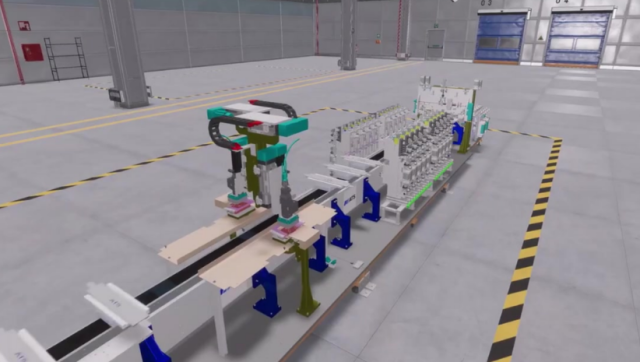
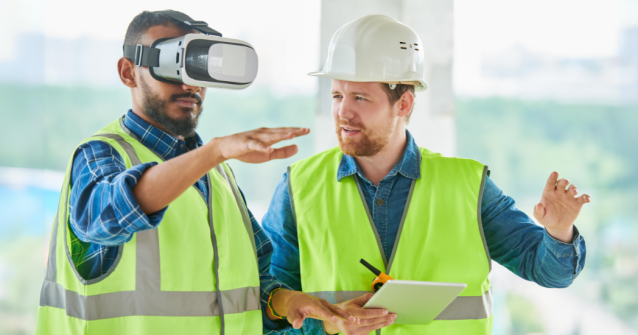
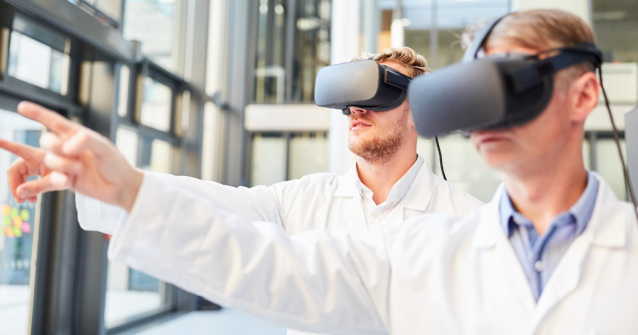
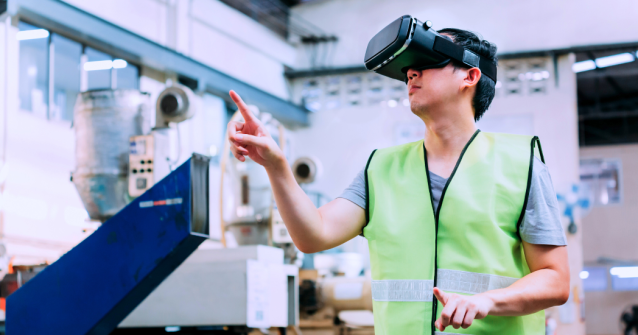
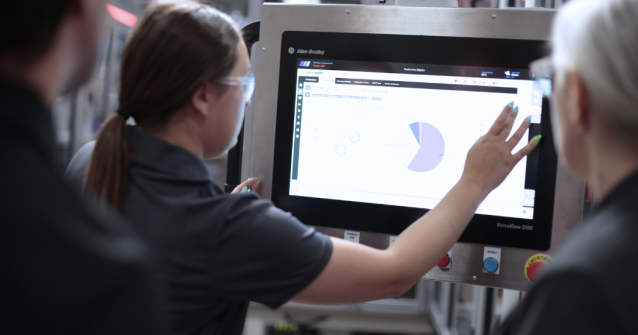
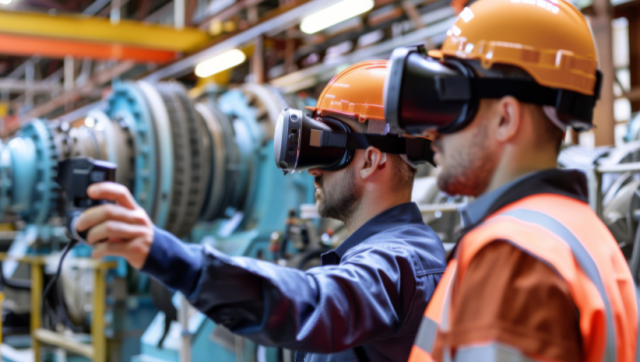
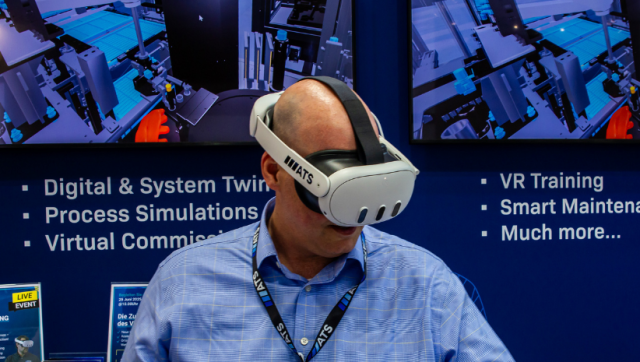
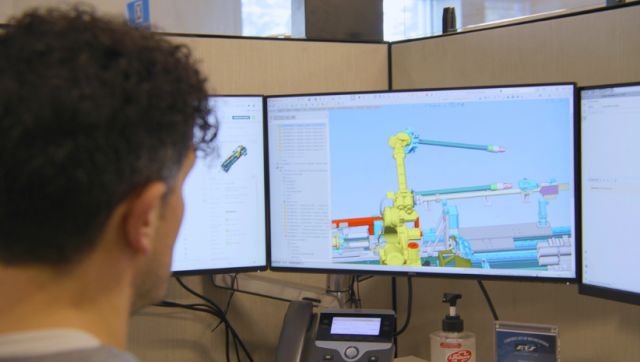
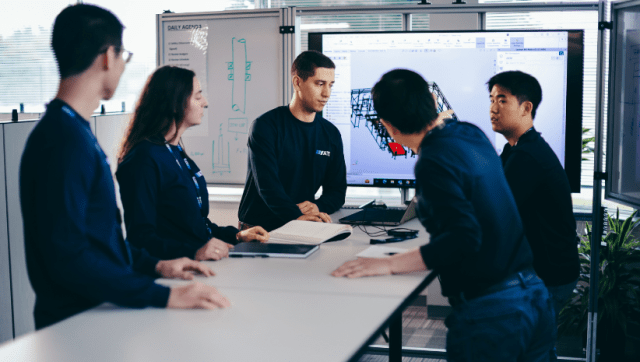
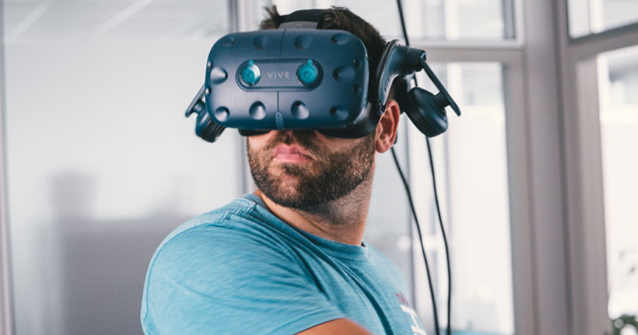
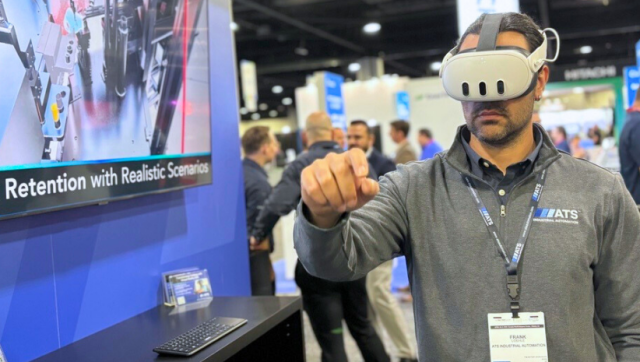
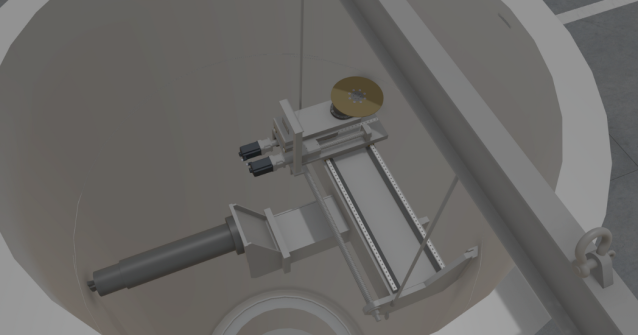
UReality digital training supports upskilling and reskilling by letting employees practice tasks in a realistic, controlled environment without disrupting production. UReality is available as a three-dimensional desktop version or a fully immersive VR experience. For industrial manufacturing, digital training supports:
- Safe practice for complex or hazardous operations
- Faster onboarding for assembly and testing roles
- Consistent training across sites and shifts
- Flexibility to train at times convenient for the employer and employee
Standardizing Work Instructions with TaskNav
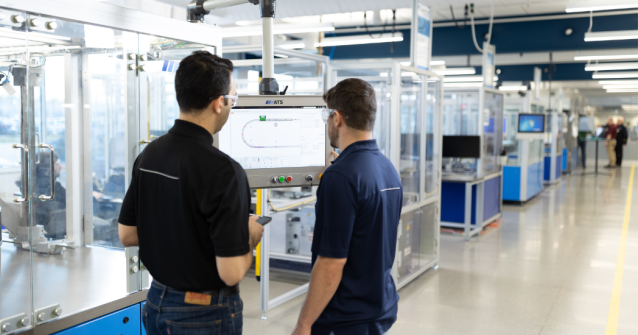
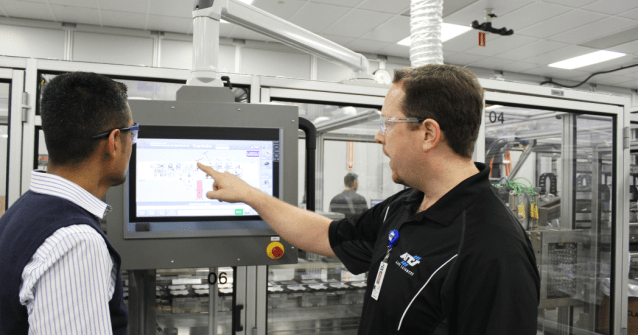
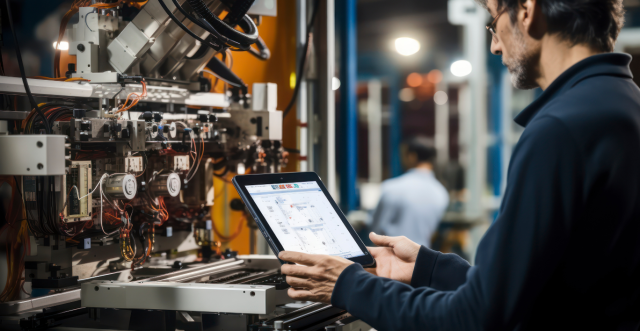
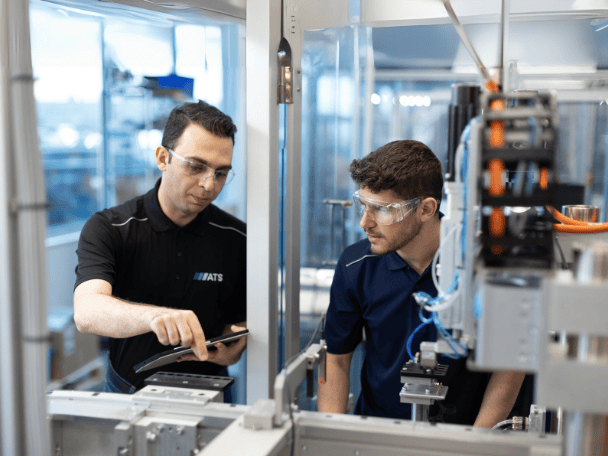
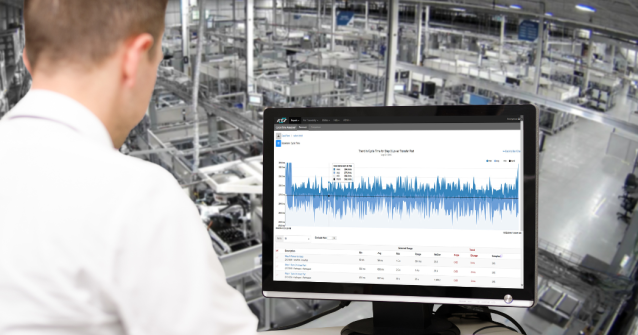
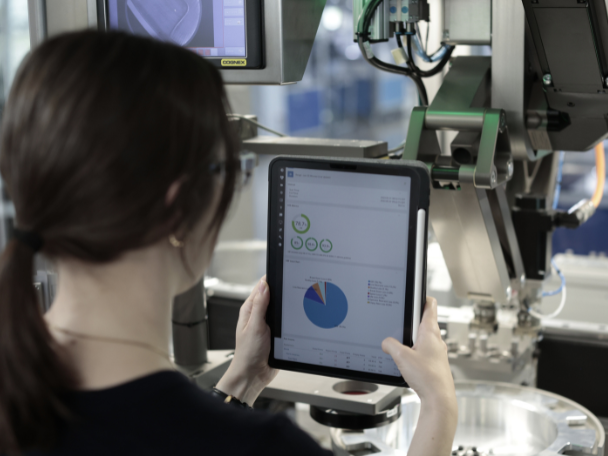
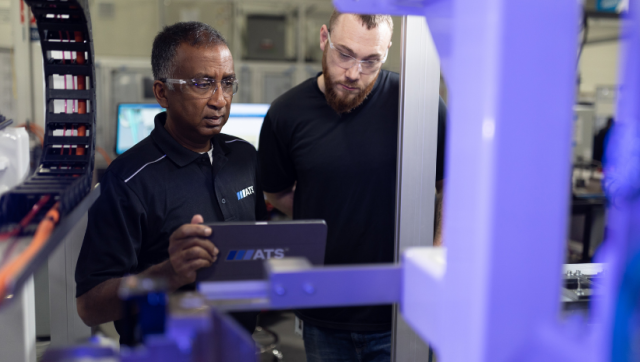
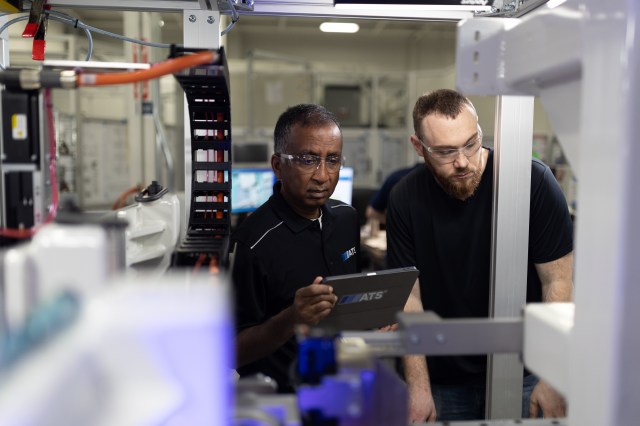
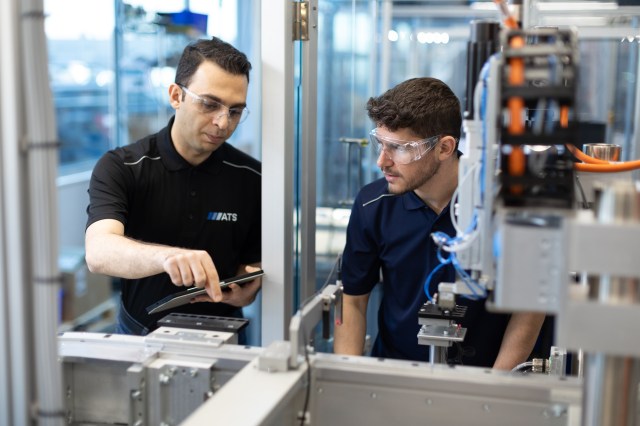
Digital work instructions translate training or troubleshooting into consistent execution right where and when it matters the most – on the floor where the task is taking place. TaskNav provides interactive digital work instructions, video coaching, real-time data capture, and remote expert support, with traceability features such as electronic signatures and time stamps. For industrial manufacturing, digital work instructions support:
- Standardized assembly and inspection steps
- Faster ramp-up for new and reassigned employees
- Fewer errors during product changeovers
- Shorter downtimes for maintenance tasks
Automation is Changing how Employees Work
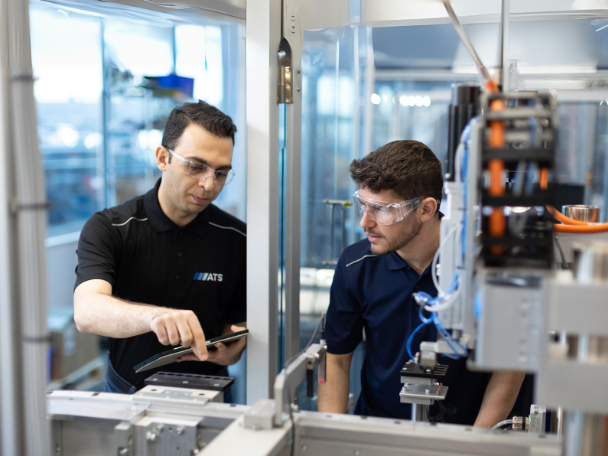
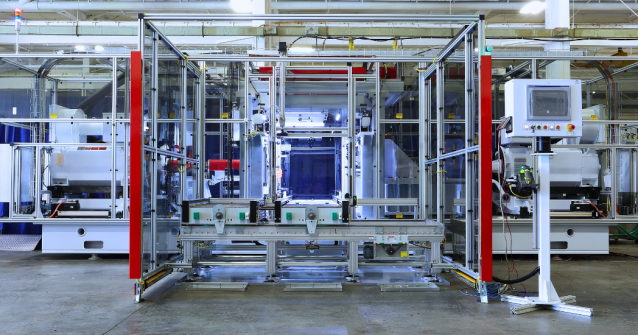
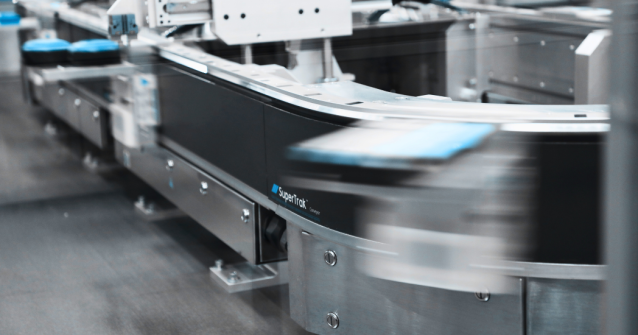
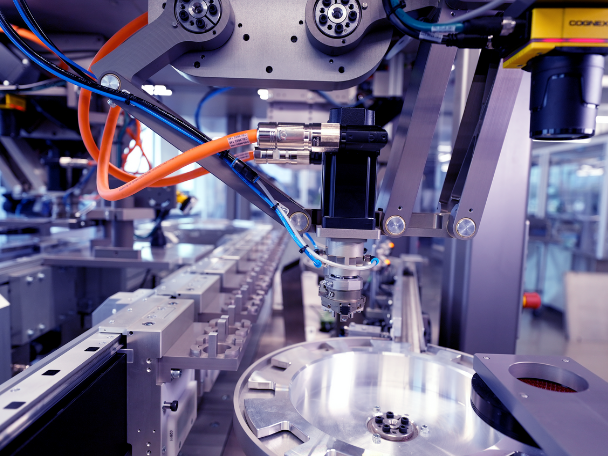
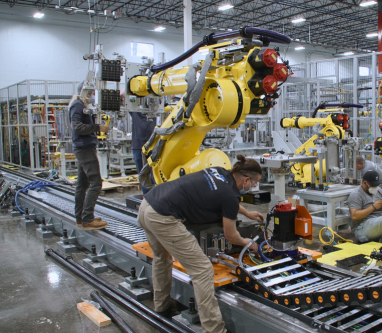
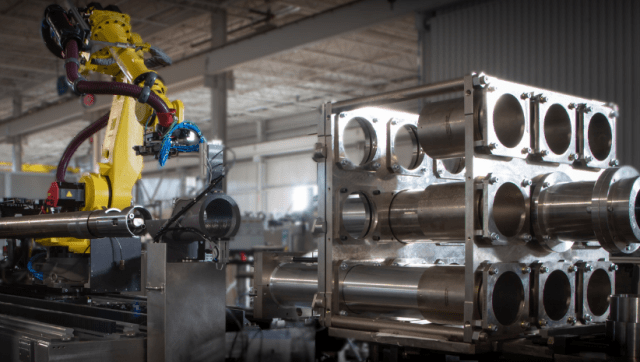
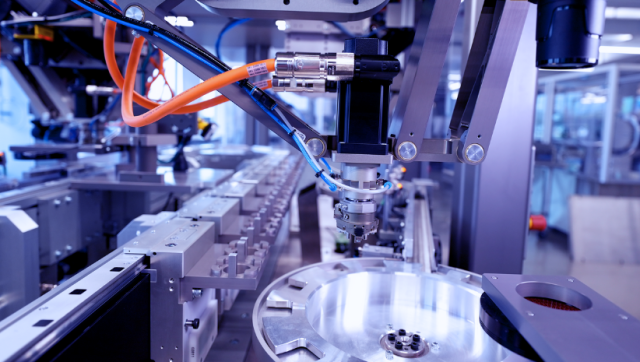
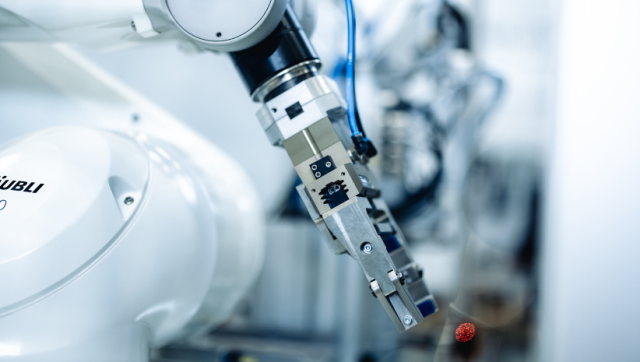
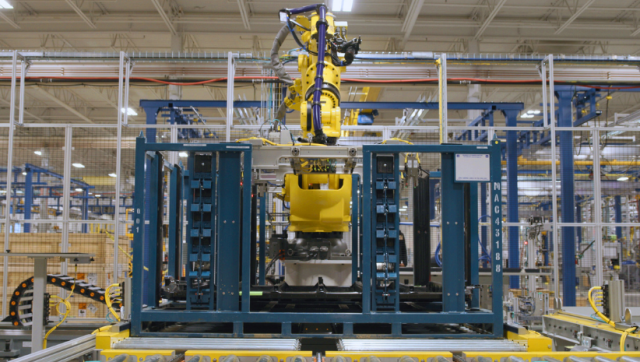
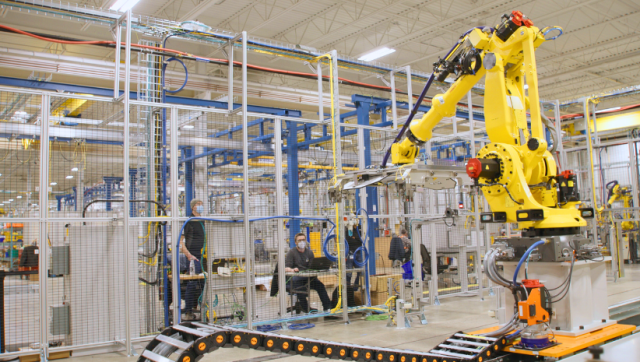
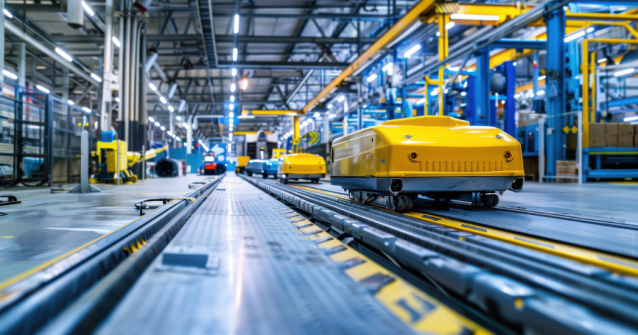
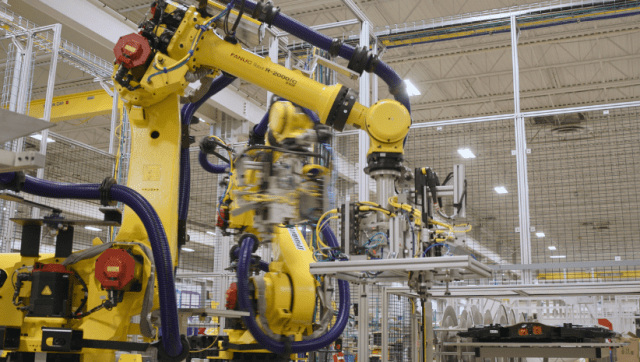
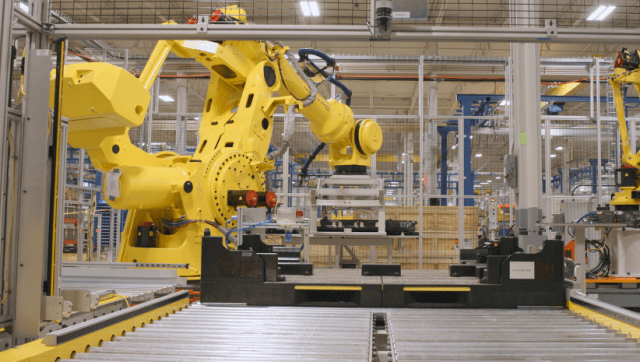
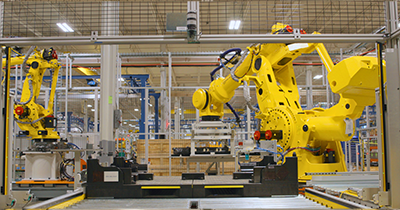
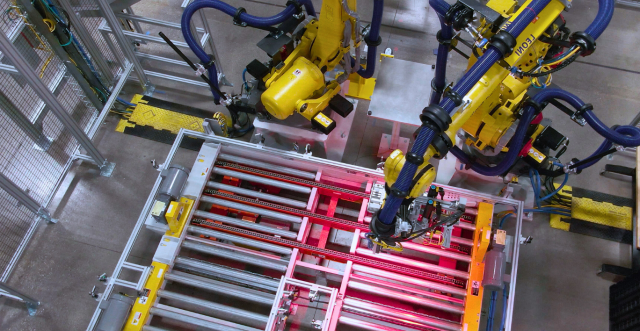
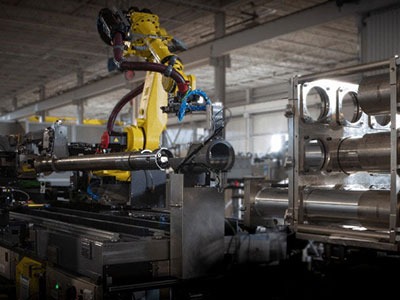
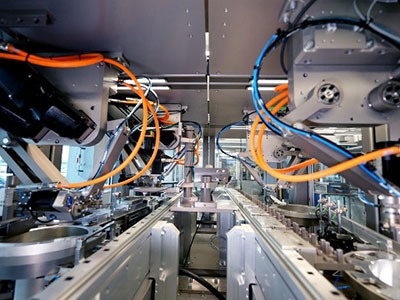
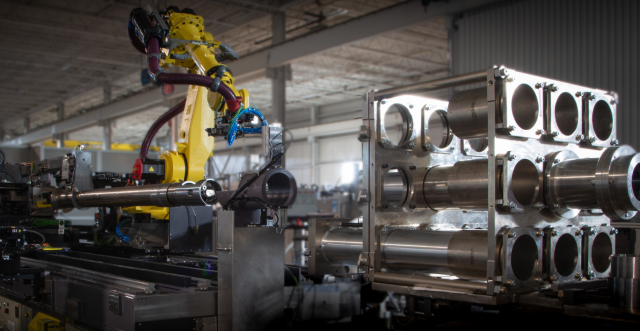
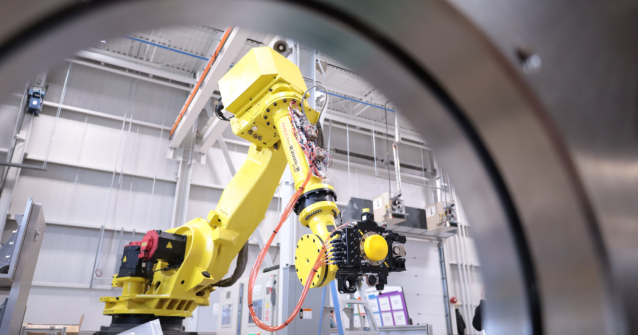
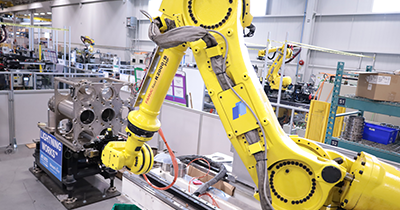
Manufacturers are increasingly investing in automation to improve quality, efficiency, and consistency. Assembly automation tools such as robots, vision systems, component feeding, and material handling help increase throughput while reducing manual variability.
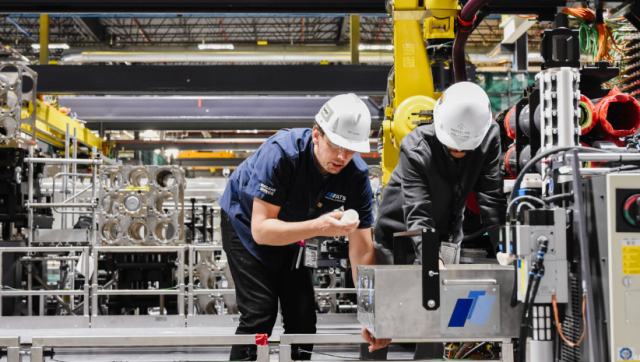
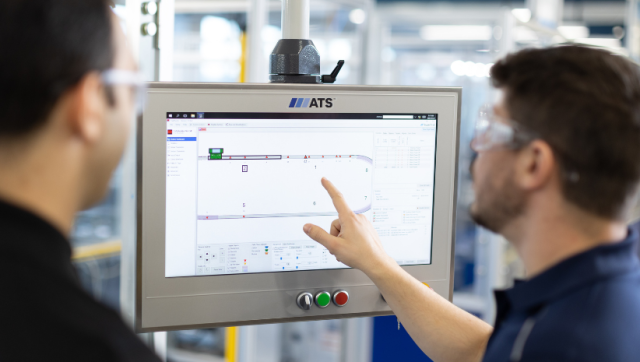
While automation delivers operational benefits, it also introduces new complexity. Operators and technicians must monitor automated systems, troubleshoot integrated mechanical, electrical, and controls platforms, and perform preventative maintenance. As automation adoption grows, so does the need for effective training and standardized work instructions to build and maintain these critical skills.
Empowering your Workforce for Long-Term Success
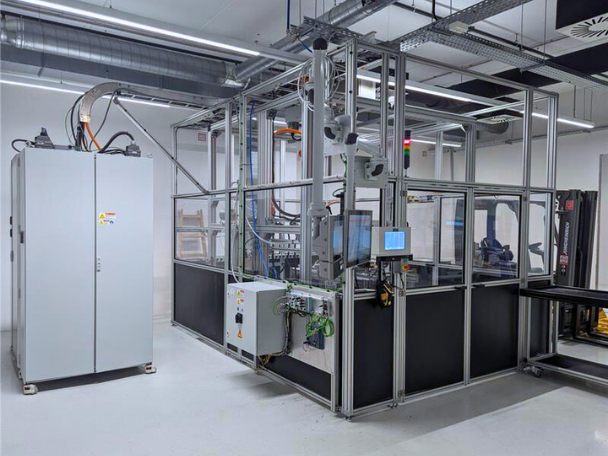
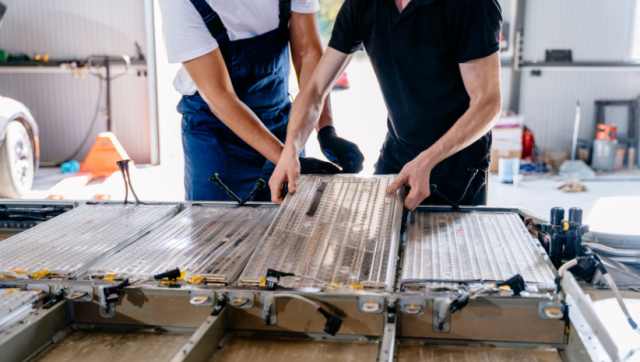
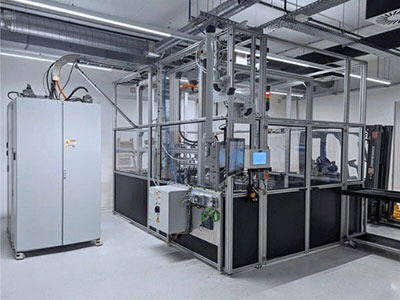
In electric motor assembly and testing, automation handles repetitive and precision tasks while trained employees manage system performance, recover faults, and support continuous improvement. In electric motor applications, common challenges include alignment, thermal management, quality control, integration with other components, and material handling risks tied to magnetic parts and contamination.
When immersive training and digital work instructions support frontline roles, teams gain confidence working with robotics, vision inspection, and automated test stations.
A future-ready workforce depends on continuous upskilling and reskilling, paired with a smart manufacturing strategy that connects people, processes, and automation. A automation roadmap coupled with skill management help define priorities, sequencing, and adoption planning across operations.
FAQs
How does digital training support employee training in electric motor manufacturing?
Digital training lets employees practice assembly, testing, and maintenance tasks in a simulated environment, reducing risk and shortening onboarding time.
How do digital work instructions help manage work skills?
Digital work instructions provide standardized guidance at the point of use, helping employees execute tasks consistently across experience levels.
Does automation reduce the need for skilled workers?
Automation shifts skill requirements toward system oversight, troubleshooting, and preventive maintenance, while reducing manual variability. Output and quality depend less on individual technique and more on how well teams manage and apply skills across roles and shifts.
Effective skill management combines:
- Immersive training for complex tasks
- Digital guidance for daily execution
- Automation that reduces unnecessary manual variation
Why does traditional training struggle in modern manufacturing?
Traditional training depends on equipment availability and experienced trainers, which limits consistency and speed across shifts and sites.
Aligning Training, Skill Management, and Smart Manufacturing
Closing the skills gap in industrial manufacturing requires alignment between skills gap analysis, employee training, and automation strategy. Immersive training with UReality helps accelerate upskilling and reskilling. Digital work instructions with TaskNav reinforce work skills at the workstation with controlled procedures and traceability.
Strategic automation improves quality, throughput, and consistency, but it also introduces new levels of operational complexity. Success depends not only on the technology itself, but on a workforce equipped to operate, maintain, troubleshoot, and continuously improve increasingly sophisticated production systems.
Struggling with your training? Talk to an expert to find the training solution that is right for you.
Every project is unique. Allow us to listen to your challenges and share how automation can launch your project on time.

Tobias Batteau
Director Digital Product Management
ATS Industrial Automation
Tobias helps manufacturers strengthen operations through digital innovation, connected worker technologies, and service-driven strategies. He works with organizations to improve productivity, support frontline teams, and leverage digital solutions to drive efficiency, profitability, and sustainable growth.