

For motor manufacturers serving industrial applications, product quality depends less on peak output and more on consistency, durability, and repeatable manufacturing processes.
Unlike automotive programs, industrial motor production often involves wider product variation, fluctuating volumes, and tighter cost controls. These conditions increase the risk when testing coverage, assembly precision, and automation decisions do not align. Improving electric motor quality requires focused decisions across end of line testing, manufacturing process design, and automation strategies that scale without locking lines into rigid configurations.
Why Electric Motor Quality Breaks Down
Quality issues in industrial motor manufacturing typically originate in three areas: testing gaps, assembly variation, and delayed automation.
Many motor manufacturers continue to rely on limited end-of-line testing. Basic electrical checks confirm continuity but fail to identify imbalance, vibration risk, or thermal behavior under load. Motors released without validation aligned to real operating conditions face higher warranty and recall exposure.
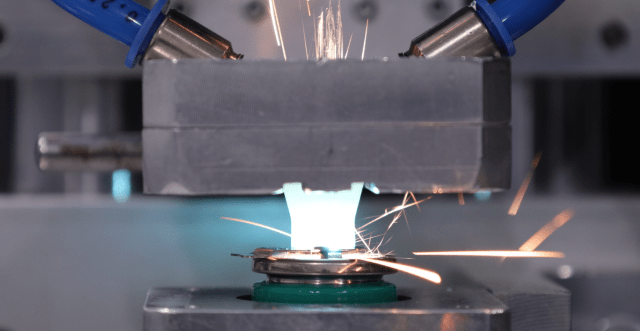
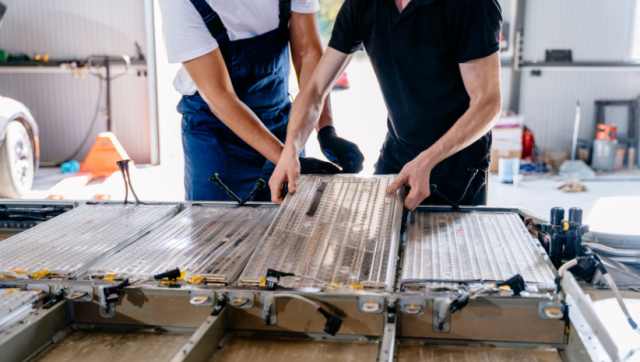
Assembly variation increases as product mixes expand. Multiple rotor sizes, stator designs, and winding configurations running on shared lines demand precise alignment and controlled material handling.
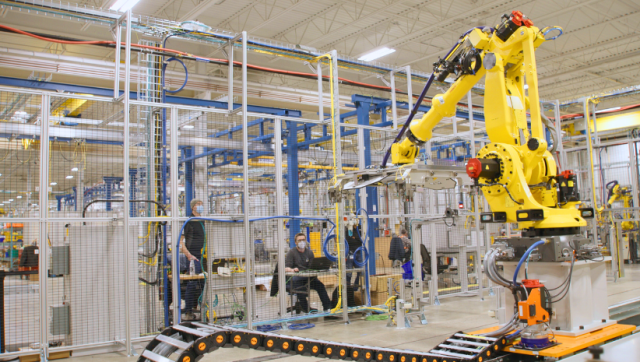
Automation delays also contribute to the challenge. Many motor manufacturers postpone automation to preserve flexibility, relying on manual processes longer than intended. As volumes rise or labor conditions change, variation increases and product quality drifts.
End Of Line Testing as a Quality Driver
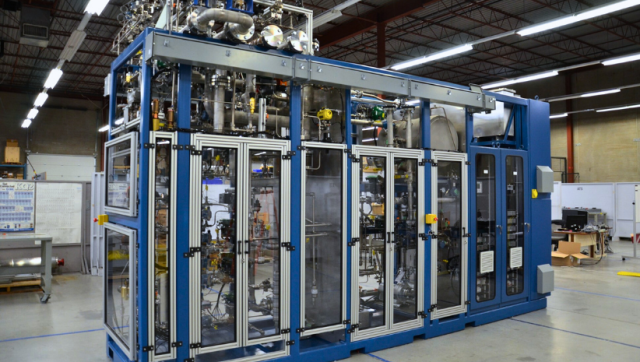
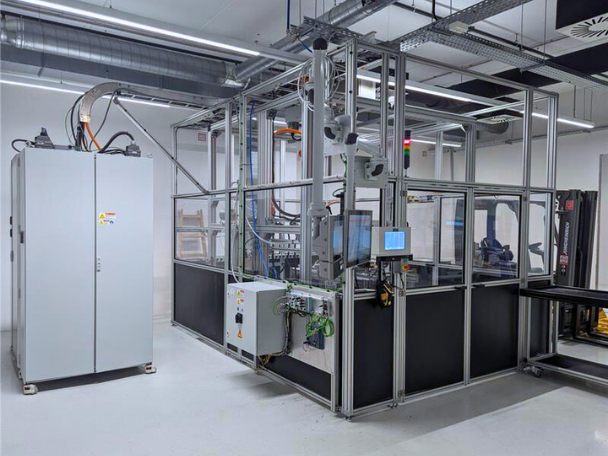
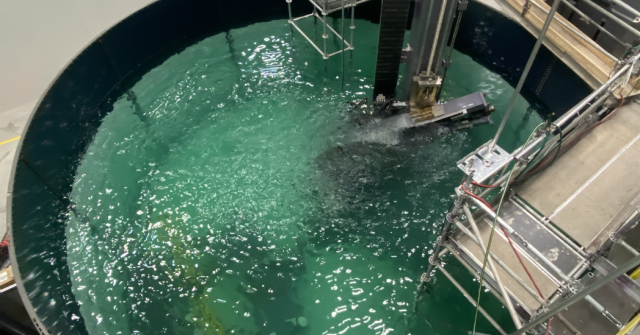
End-of-line (EOL) testing improves electric motor product quality when it functions as part of the manufacturing process rather than a final checkpoint.
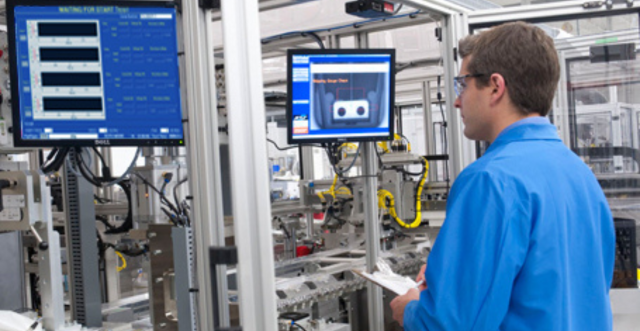
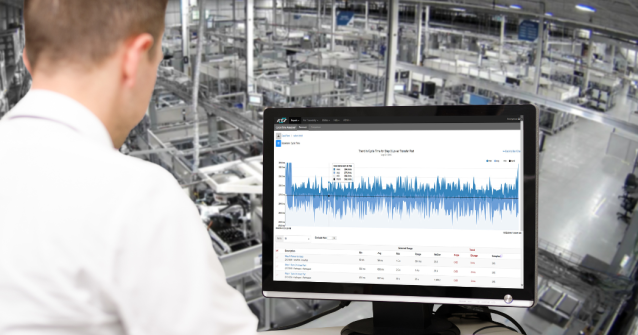
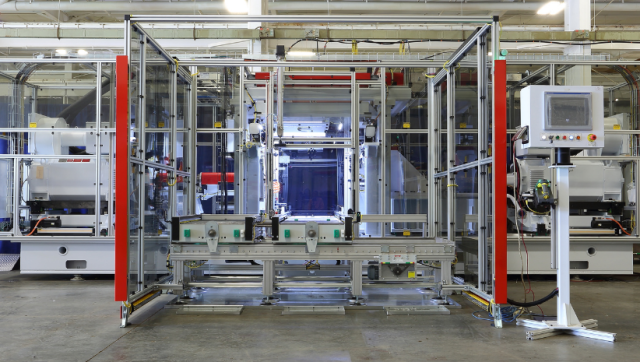
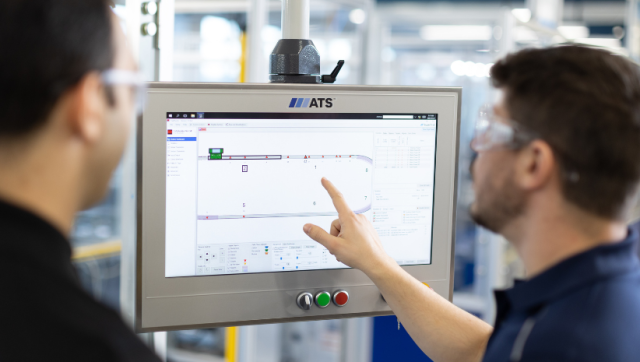
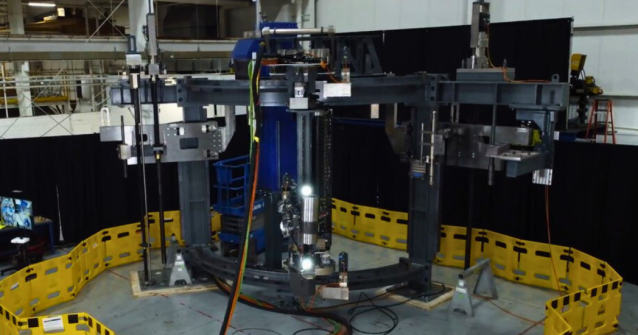
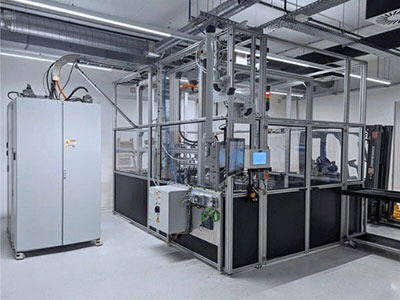
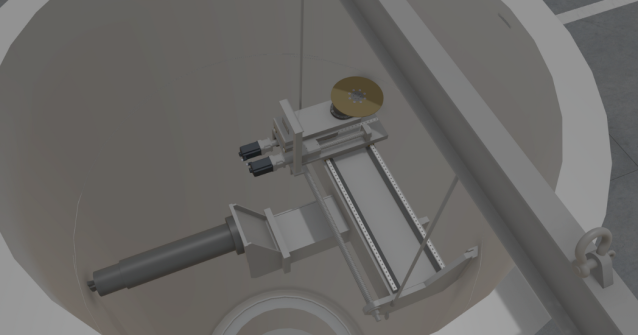
Effective EOL testing strategies for industrial motors often include electrical performance testing to validate winding integrity and insulation behavior, mechanical checks to detect imbalance, noise, and vibration, thermal or load based testing that reflects industrial duty cycles, and data capture that supports traceability and root cause analysis.
When testing feedback flows upstream into assembly and process control, defect rates decline and process stability improves.
For industrial applications, longevity matters more than short-term performance. Testing needs to reflect real operating loads, environmental exposure, and expected service intervals.
Using Modular Automation Platforms for Smaller Applications
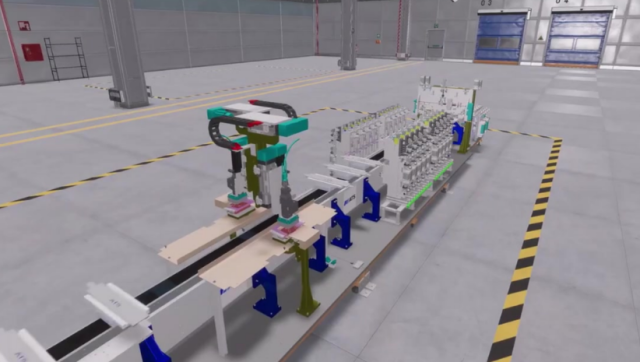
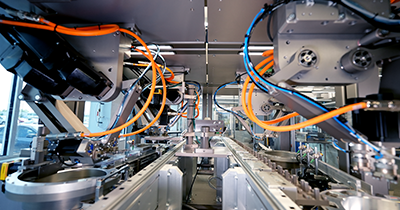
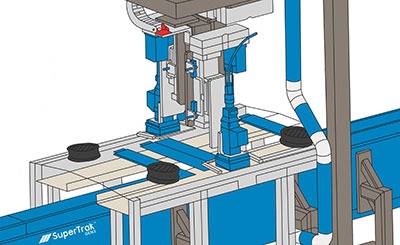
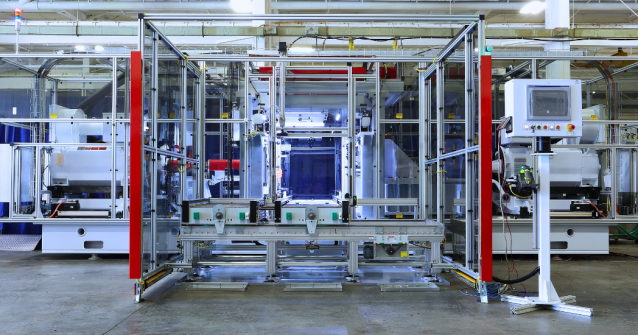
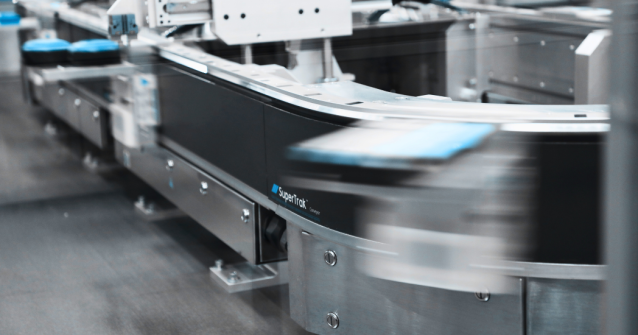
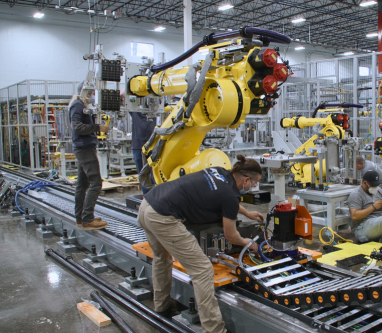
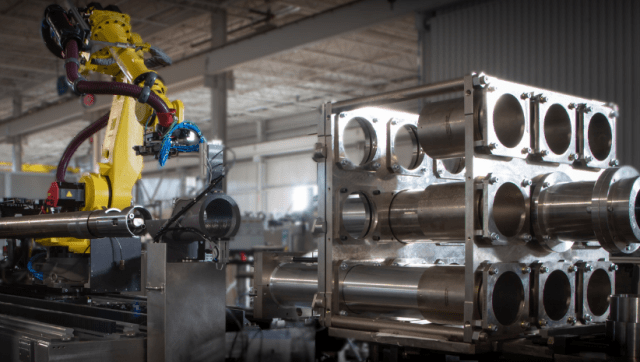
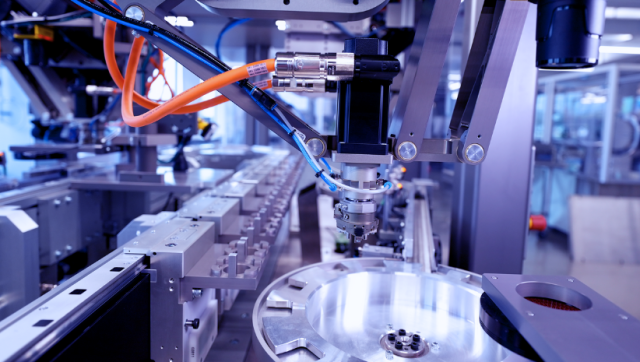
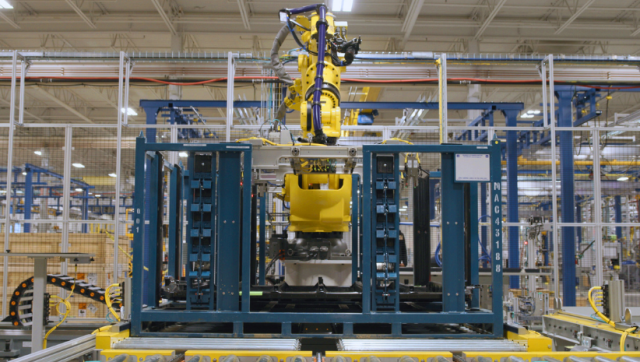
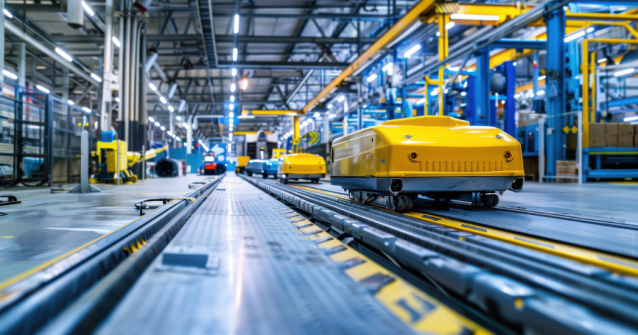
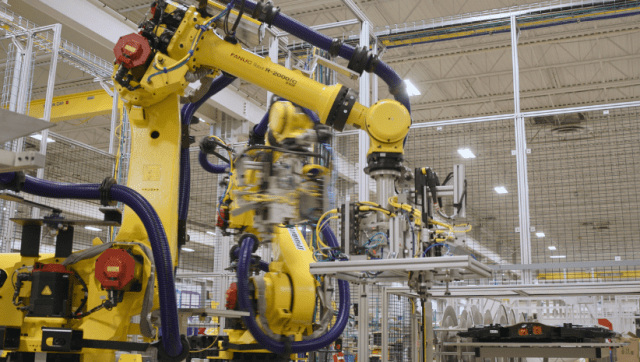
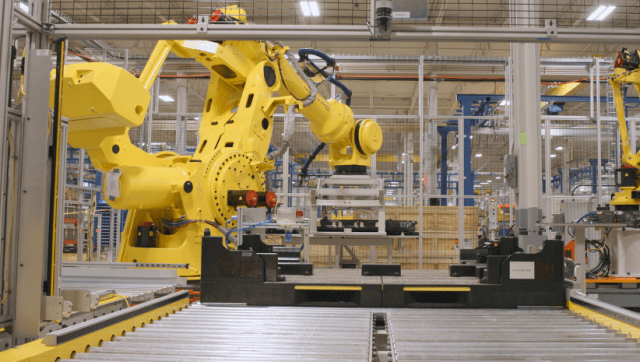
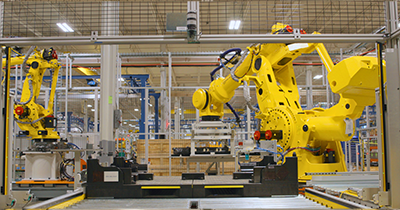
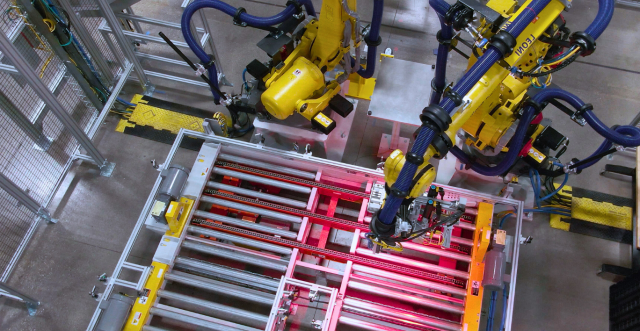
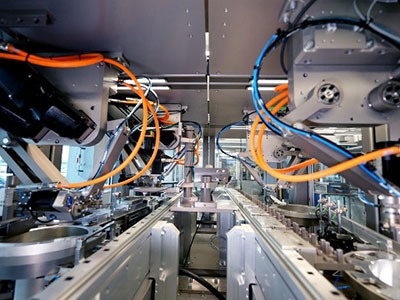
Electric motor manufacturing often benefits from modular automation rather than dedicated high‑volume lines. Modular platforms such as SuperTrak CONVEYANCE™ and Symphoni™ technology support flexible layouts, controlled motion, and scalable throughput while maintaining consistent material handling.
Modular systems support quality improvement by:
- Enabling multiple product variants on shared infrastructure.
- Allowing incremental automation investment aligned to demand.
- Reducing handling variation through precise part transfer and positioning.
For smaller industrial motors, modular platforms support repeatability without locking manufacturers into fixed production models.
Pre-Automation as a Quality Strategy
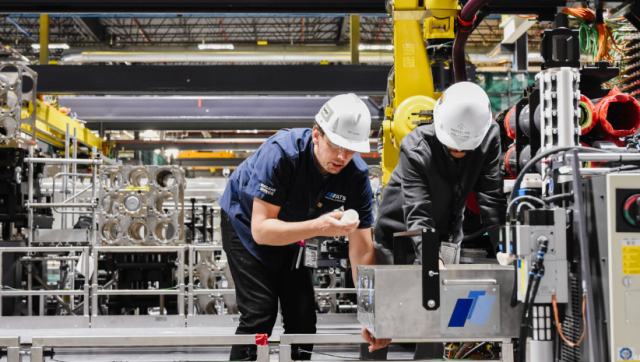
Pre-automation focuses on stabilizing processes before full automation deployment. This step often delivers immediate quality improvements while reducing future integration risk.
Key pre-automation actions include:
- Standardized workstations and tooling.
- In-process checks that catch errors before final assembly.
- Improved material presentation to protect precision features.
Establishing process discipline early supports smoother automation transitions and more reliable outcomes.
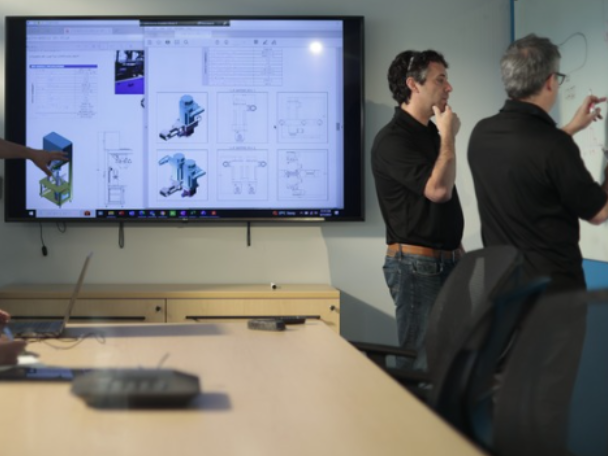
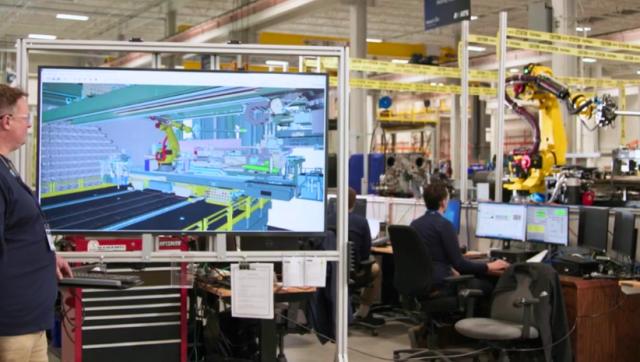
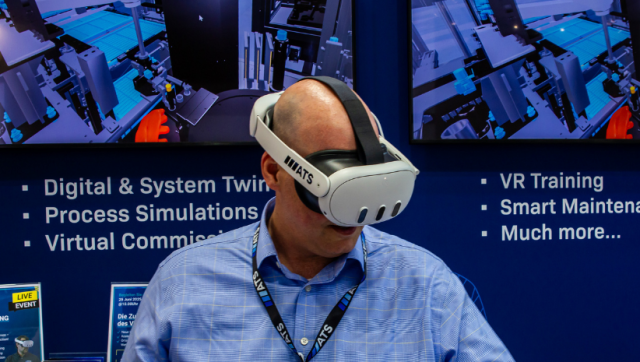
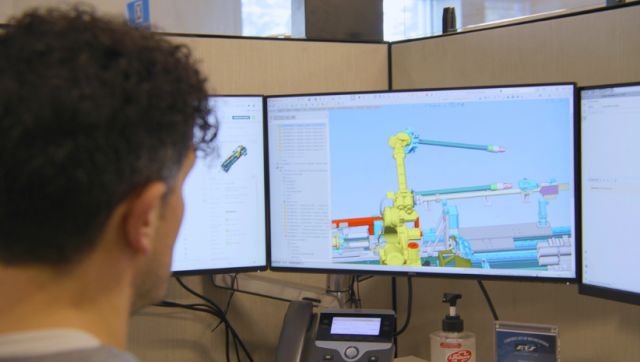
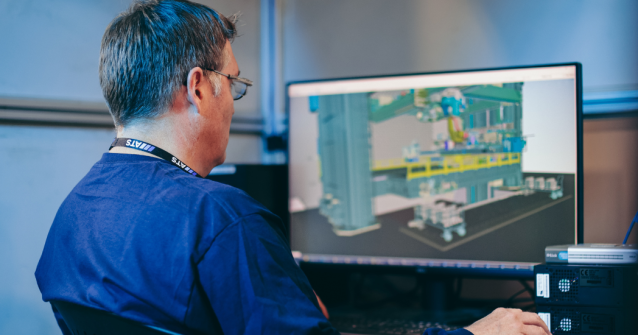
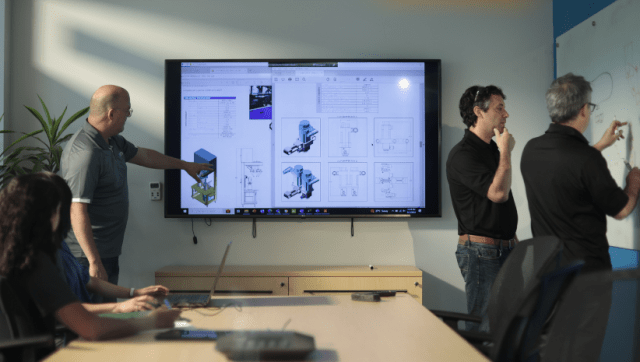
Pre-automation also improves the accuracy of digital modeling. Stable processes generate more reliable simulations when evaluating automation layouts, cycle times, and testing strategies.
Connecting Assembly, Testing, and System Integration
Electric motor manufacturing quality improves when assembly, testing, and automation decisions operate as a single system.
Integrated assembly and testing reduce handoffs, limit variation, and support earlier defect detection.
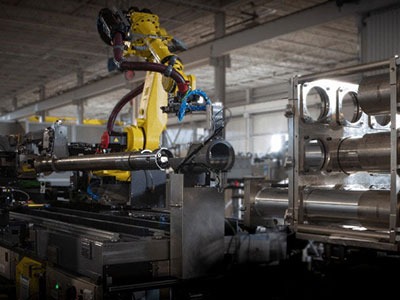
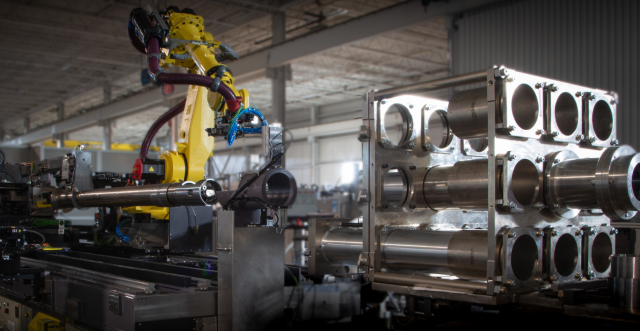
Precision alignment during rotor and stator integration also affects long-term performance. Small alignment errors introduced during assembly often surface later as noise, vibration, or efficiency loss.
FAQ
Does Automation Always Improve Motor Quality?
Automation improves consistency when processes are stable. Pre-automation often delivers quality gains before full automation investment.
Why Use Modular Platforms in Industrial Motor Manufacturing?
Modular platforms support flexibility, smaller batch sizes, and future expansion while improving material handling consistency.
How Do Digitalization Tools Support Quality Improvement?
Digital tools like process simulation help evaluate process changes, testing strategies, and automation layouts before physical implementation, reducing risk and rework.
A Practical Path Forward for Industrial Electric Motor Quality
Improving industrial electric motor product quality requires disciplined decisions across testing, manufacturing execution, and scalable automation. When end of line testing reflects real operating conditions and manufacturing systems support flexibility, manufacturers protect reliability without overspending on automation.
Focusing first on process stability through pre-automation, modular platforms, and integrated testing creates a foundation for long service life and consistent performance. This approach supports both new and established production lines while preserving adaptability as product demands evolve.
For manufacturers evaluating how testing strategies or automation choices affect product quality, reviewing current manufacturing processes provides a practical starting point grounded in real operating conditions.
Every automation project is unique. Allow us to listen to your challenges and share how automation can launch your project on time.

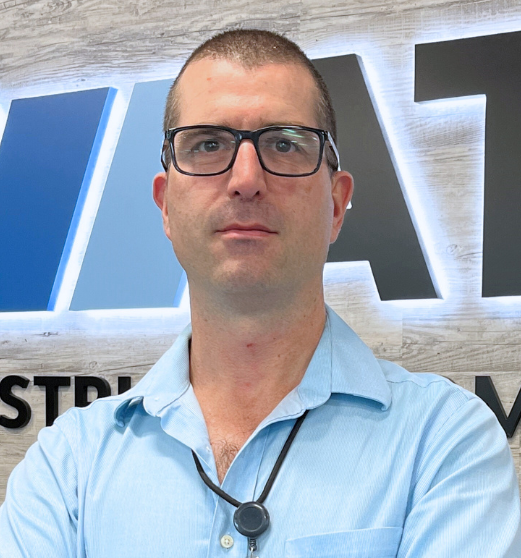
Peter Adeyemi
Sales Account Manager
ATS Industrial Automation
Peter has helped companies across numerous industries to automate and optimize their testing and validation processes. Peter works with customers to configure testing systems to build and scale production and drive operational efficiency.