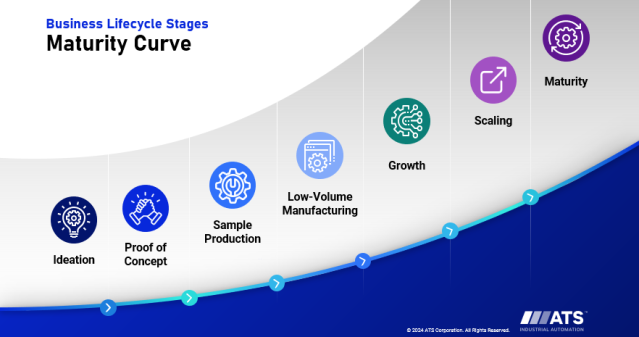


Drone manufacturing programs often move from early prototype builds into volume production under intense pressure. Teams push new airframes, payloads, batteries, electronics, and functionality into the build plan while earlier variants still work toward consistent performance. At the same time, manufacturing teams need to increase output, meet delivery commitments, and maintain quality compliance, even as product designs continue to evolve.
This transition from prototype to production creates tension across engineering, manufacturing, and supply chain functions. Early technical success does not always translate into repeatable, high-volume builds. As drone programs scale, progress often stalls because challenges compound, designs keep changing, processes haven’t stabilized, and automation is introduced only after key decisions are set.
Managing Design Change Without Losing Manufacturing Stability
Drone platforms evolve quickly, often faster than manufacturing systems reach steady operation. New sensors, propulsion systems, battery formats, materials, and payload options regularly enter production while earlier configurations still mature. These design updates often target improvements in range, payload capacity, endurance, or cost.
Manufacturing teams then need to absorb the downstream impact of each change across tooling, workflows, and test coverage.
This level of variation places strain on early production environments.
- High product mix can reduce manufacturing line repeatability.
- Engineering changes can disrupt cycle time, throughput, and work balance.
- Process development become challenging when manufacturing engagement starts after designs have been locked-down.
Under these conditions, overall equipment effectiveness declines. In drone production, variation often appears in areas such as:
- Frame geometry
- Battery pack configuration
- Wiring harness routing
- Payload integration
When processes are not designed with variability in mind, changeovers extend, scrap increases, and unplanned downtime rises. Late requirement definition and gaps in validation add to defect rates and throughput loss.
Additive manufacturing supports rapid iteration for airframes and structural components, especially during early development. Without parallel definition of assembly and inspection requirements, flexibility at the design stage does not translate into stability on the production floor. Manufacturing teams still need clear process boundaries, acceptance criteria, and inspection methods to maintain control as volume increases.
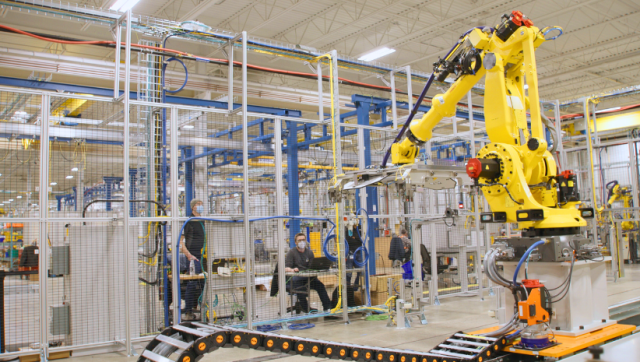
Delivery pressure adds another constraint. Many programs commit to aggressive schedules to secure funding or contracts, relying on manual assembly during early builds. Manual processes support flexibility during change, yet they limit achievable cycle time and consistency. Automation improves throughput and repeatability, but early automation decisions also lock in assumptions. When requirements shift after equipment design is finalized, risk increases further.
Missed delivery dates often trace back to incomplete process definition, late testing, and validation activities that begin after scale-up is underway. Programs that scale successfully treat variation as a design condition, not an exception. Early investment in flexible platforms, modular tooling, and clearly defined acceptance criteria allows manufacturing to absorb change without repeated line resets as designs continue to evolve.
Manufacturing Of Goods and Parts in a Fragmented Supply Chain
Drone manufacturing depends on a diverse supply base. Composites, printed structures, electronics, motors, and batteries often originate from different suppliers and regions. To reduce dependency on long lead-time suppliers, some manufacturers use in-house 3D printing for structural components.
Faster internal part production increases the need for disciplined incoming inspection, process validation, and traceability across product variants. Without these controls, variation introduced upstream carries directly into assembly and test
Quality Compliance at 100%
Drones operate in regulated environments, including aerospace, infrastructure inspection, and logistics. As production ramps, quality risk concentrates around several areas.
Key risks include:
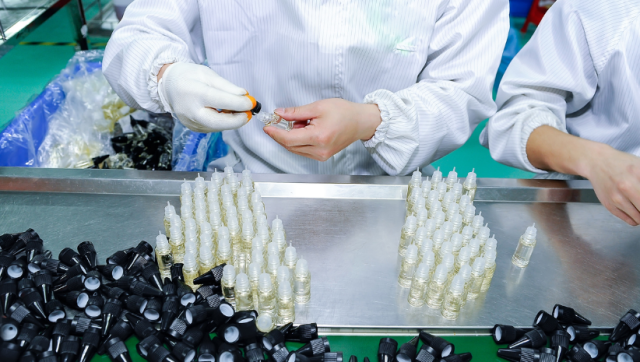
- Inconsistent manual assembly steps
- Incomplete test coverage
- Poor traceability across variants
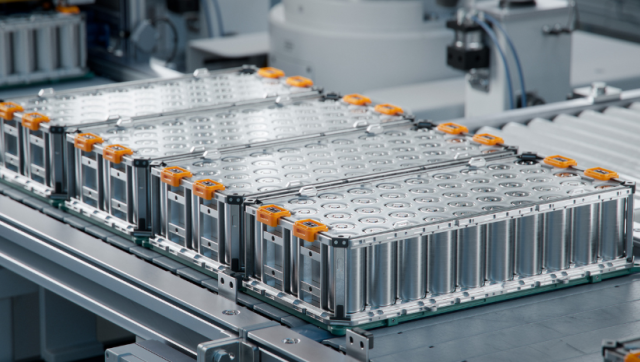
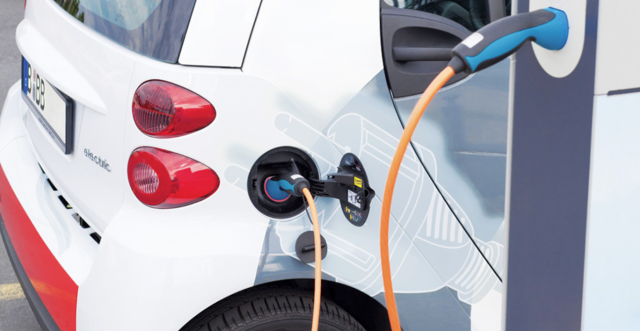
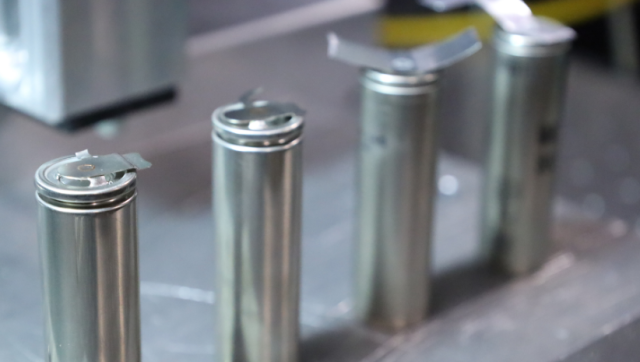
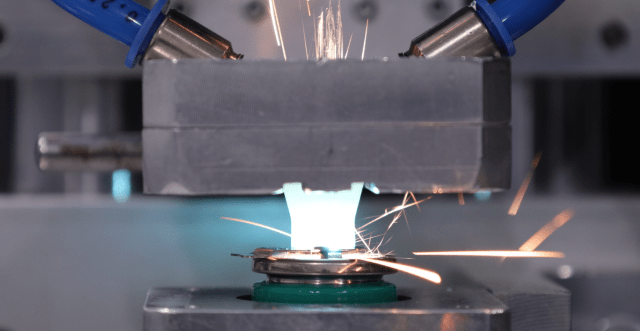
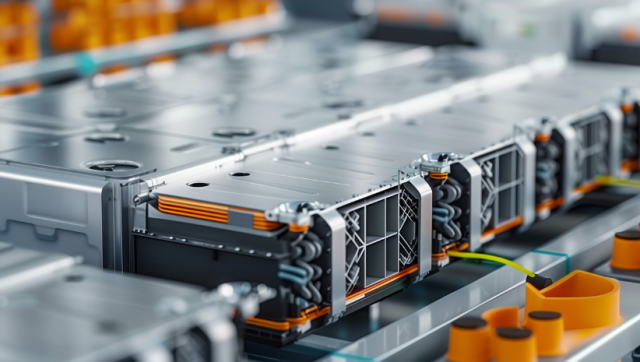
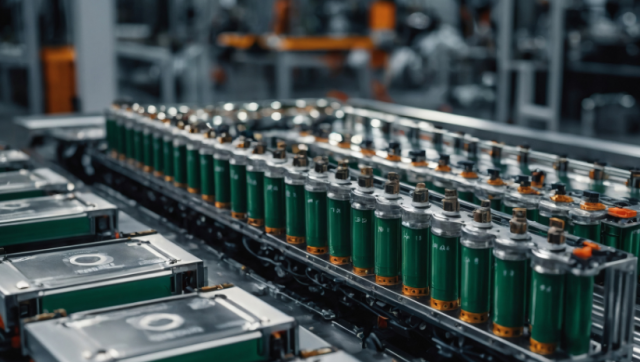
Acceptance criteria and test strategies need early definition so quality issues surface during development rather than during ramp-up. Similar constraints appear in electric vehicle battery programs, where high-risk steps are often validated through proof of principle (POP) work before committing capital to full automation. The same approach reduces risk in drone programs, particularly for battery assembly, electrical integration, and sealing processes.
Practical Solutions for Scaling Drone Manufacturing
Pre-Automation and Process Development
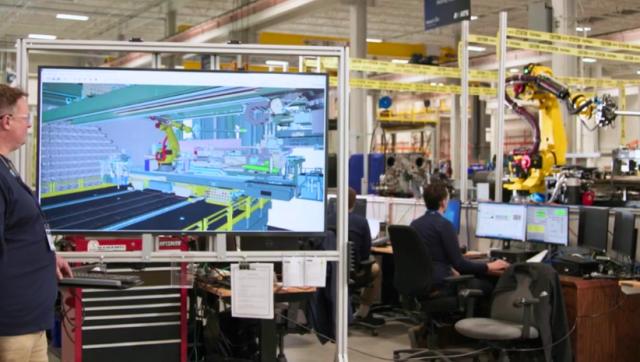
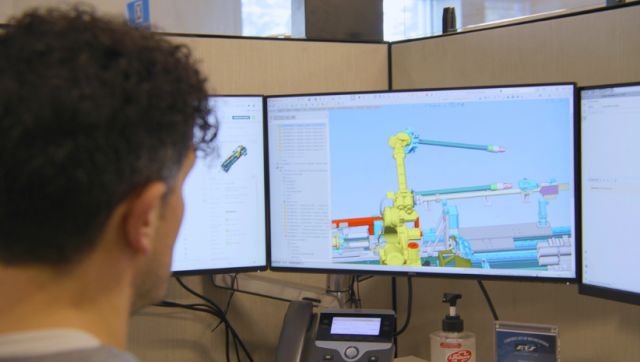
Pre-automation studies help define cycle time targets, process risks, and automation boundaries before equipment design begins. Strong inputs improve RFQ quality and reduce rework. Proof of principle testing validates critical processes early, supporting better capital decisions.
Training and Documentation
As product variants increase, processes change more frequently, and experienced operators no longer cover every configuration. When knowledge remains undocumented, execution varies across operators and shifts, and knowledge stays with individuals rather than the line, increasing inconsistency during scale-up. Standardized work instructions, controlled revisions, and early training anchor each variant to shared expectations, protecting quality and cycle time as volume grows.
Manual to Automated Transitions
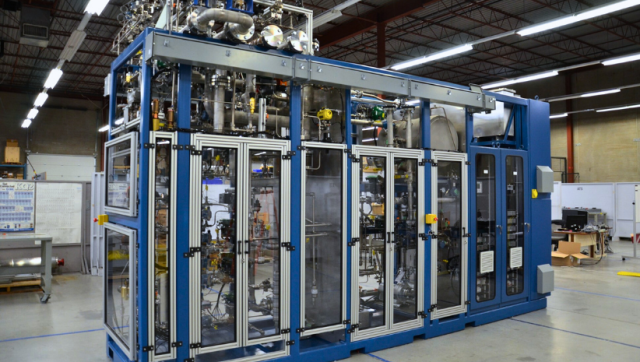
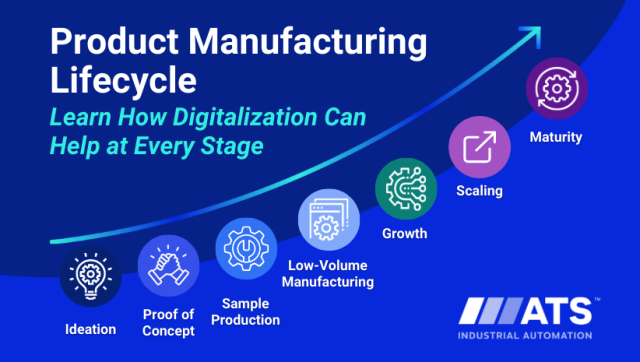
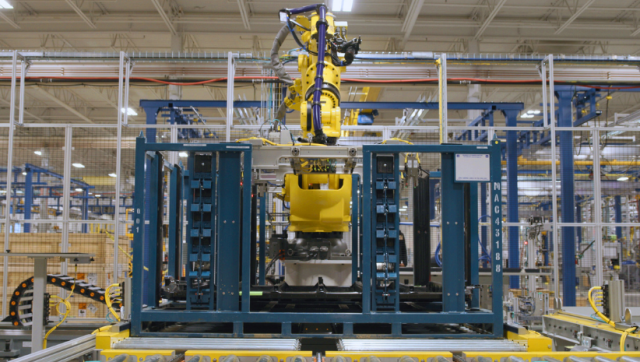
A defined roadmap from manual assembly to automation reduces disruption. Many battery programs stabilize processes using semi-automated stations before moving into full automation. This staged approach supports learning without locking in assumptions too early.
Test and Validation Across the Line
In drone production, testing and validation need distribution across the line rather than concentration at final inspection. Defects in wiring, battery packs, sensors, propulsion assemblies, or sealing surfaces often remain hidden until late build stages, where rework and scrap costs rise quickly.
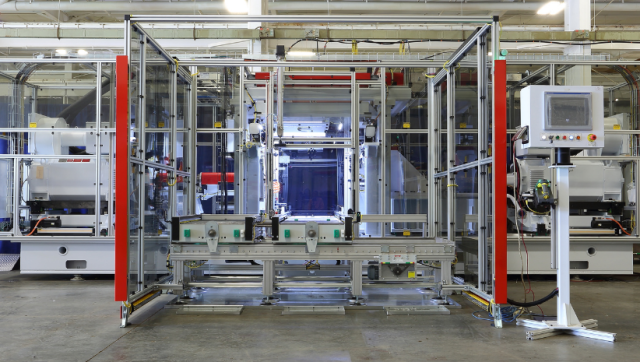
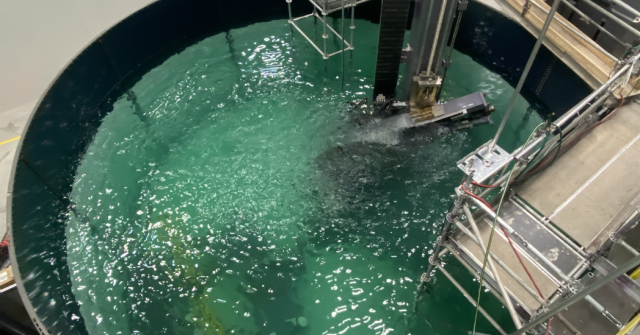
In-line testing verifies critical steps as they occur. Examples include electrical continuity checks, payload and sensor calibration, propulsion and control electronics functional tests, and leak testing to support ingress protection ratings (i.e., IPX rating) for products exposed to rain, dust, salt, or washdown.
End-of-line testing then serves as the final gate for traceability and functional performance before shipment. This approach reduces field failures, warranty exposure, and recall risk, especially as the number of product variants increase.
Modular Equipment Platforms
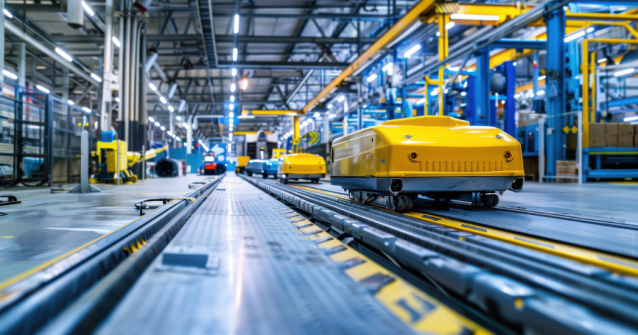
Modular equipment platforms and lifecycle planning support capacity expansion, new product variants, and modernization without full line replacement. The same lifecycle questions used five years ago in electric vehicle battery scale-up can now help drone manufacturing teams evaluate readiness and long-term support needs.
FAQs on Drone Manufacturing Scale-Up
How do you scale drone manufacturing while dealing with frequent product design changes?
Flexible processes, modular automation, and defined acceptance criteria can absorb change without forcing a full line reset.
When should automation be introduced?
Automation follows process stability. Pre-automation work and proof of principle testing strengthen processes and reduce risk during transitions from manual operations.
How do you protect quality across multiple drone variants?
Early requirements definition, standardized work, and robust test strategies maintain quality as the number of product variants increase.
What role does additive manufacturing play?
Additive manufacturing supports rapid builds for airframes and tooling, while assembly and inspection still need disciplined process design and clear acceptance criteria.
How do you meet customer demand while scaling?
Production capacity improves when process development, training, and validation occur before volume commitments are made.
Building a Production-Ready Drone Manufacturing Roadmap
A production-ready roadmap begins with defined process, acceptance criteria and test operations for each build stage, along with a plan to manage engineering changes without disrupting throughput. Proof of principle work helps validate the highest-risk steps early. A staged automation plan then supports stable cycle time gains while maintaining quality and traceability as the number of product variants increase.
Every project is unique. Allow us to listen to your challenges and share how pre-automation can launch your project on time.

Ryan Tavares
Director, Pre-Automation Services
ATS Industrial Automation
For over 20 years, Ryan has helped top-tier manufacturers and industry innovators transform their operations through automation and process optimization. Ryan empowers manufacturing businesses to enhance efficiency, improve product quality, and scale production to drive sustainable growth and maximize returns.