

Automated manufacturing systems have transformed production by improving efficiency, reducing errors, and increasing output. However, their long-term success depends on more than advanced technology. Long-term performance benefits from proactive maintenance, operator training, and periodic system tuning over the life of the equipment.
One of the most promising avenues for ROI optimization is the strategic application of scalable preventive maintenance. The American Society of Mechanical Engineers found that the average ROI for preventive maintenance projects is 250%. This underscores the critical role of service strategies in sustaining peak performance and profitability.
Why Maintenance and Support Are Non-Negotiable
Proper maintenance directly impacts efficiency, uptime, and return on investment. Neglecting it can lead to:
- Unplanned downtime that disrupts production schedules.
- Costly emergency repairs and expedited parts sourcing.
- Reduced productivity and missed delivery targets.
Automated manufacturing systems are designed to deliver precision and speed, but without a strategic maintenance plan, these benefits quickly erode.
Proactive Maintenance: The Foundation of Reliability
Proper maintenance and support play a pivotal role in maximizing the ROI of manufacturing systems. These systems are designed to enhance efficiency, reduce errors, and increase production capacity.
A robust maintenance strategy ensures these systems operate at peak performance and deliver the expected returns. Regular upkeep and preventive measures help optimize overall productivity.
Routine Maintenance
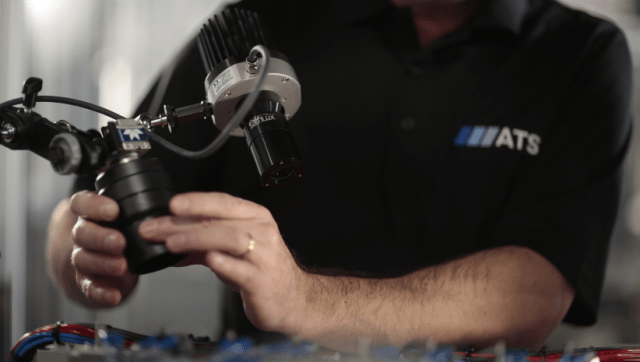
Regular inspections and preventive actions enable manufacturers to identify issues before they escalate. This minimizes unexpected breakdowns and keeps production running smoothly.
Preventive Maintenance
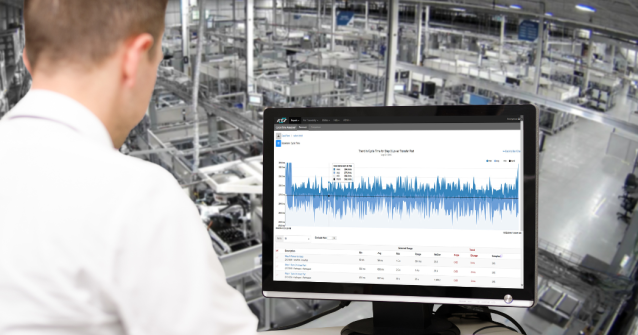
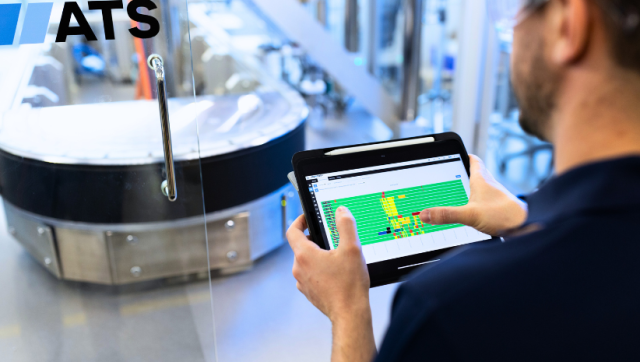
This proactive approach leverages sensors and analytics to monitor equipment health in real time. Benefits include:
- Reduced breakdowns through early detection.
- Extended equipment lifespan by addressing wear proactively.
- Significant cost savings compared to last-minute repairs.
By integrating preventive maintenance technologies, manufacturers can transform upkeep from a reactive expense into a strategic investment.
How Smart Service Strategies Drive ROI
Maintenance and support aren’t just operational extras—they are strategic levers that maximize ROI. Automated manufacturing systems represent significant capital investments, and their ability to deliver efficiency gains depends on consistent performance. A well-structured service strategy reduces downtime, extends equipment lifespans, and optimizes productivity.
Preventive maintenance particularly transforms a crucial process from a reactive cost center into a profit driver. Real-time data and analytics help manufacturers anticipate failures before they occur, reducing emergency repair costs, safeguarding throughput, and keeping schedules on track. This approach aligns with lean principles, minimizing waste and maximizing asset utilization.
Continuous Support for Long-Term Success
Ongoing support, from software updates to inventory management, ensures that all automated manufacturing systems remain future-ready and fully optimized.
Software & Hardware Updates
Regular updates help maintain compatibility, security, and performance. Software patches address vulnerabilities and introduce new functionalities, while hardware upgrades enhance speed, precision, and integration capabilities. These updates prevent obsolescence and ensure compliance with emerging regulations.
Access to Technical Expertise
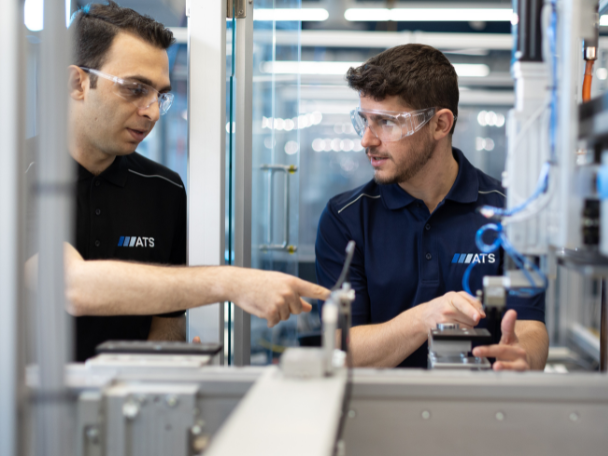
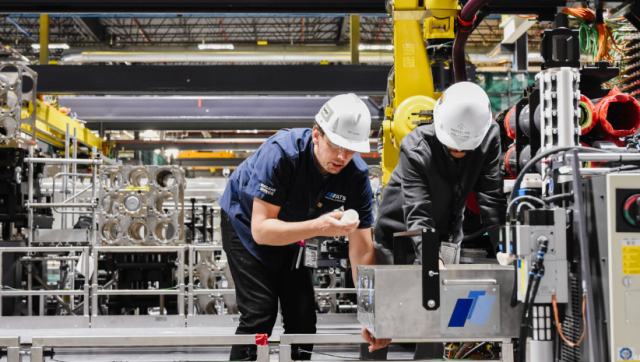
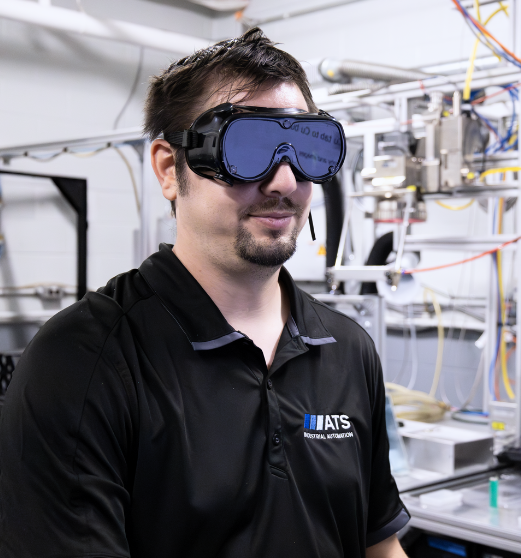
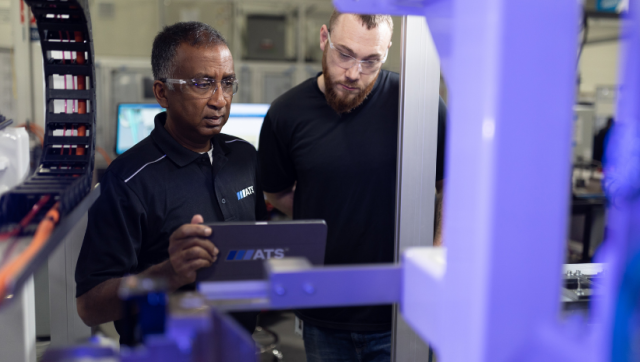
Even the most advanced automation systems require expert oversight. Original equipment manufacturer (OEM) technicians, like the experts at ATS, provide specialized knowledge for troubleshooting, optimizing workflows, and implementing upgrades. This expertise reduces risk during complex interventions and keeps systems operating efficiently.
Knowledge Transfer and UReality
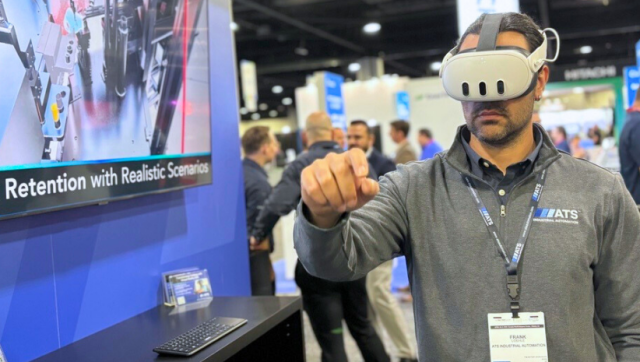
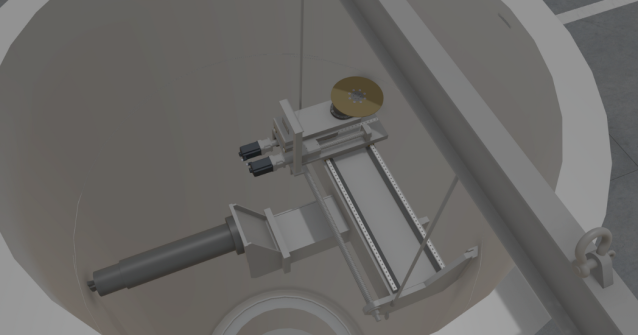
Training is another cornerstone of sustainable automation. Operators and maintenance teams must understand system functionality, troubleshooting protocols, and best practices. UReality elevates training through immersive digital training, reducing downtime during onboarding.
By combining traditional documentation with UReality’s digital training tools, manufacturers can foster a culture of continuous improvement and adaptability.
Spare Parts and Repairs: Minimizing Downtime
Unplanned downtime can derail production targets and erode profitability. A robust spare parts and repair strategy mitigates these risks through proactive approaches and timely interventions that support operational continuity.
Optimal Inventory Management
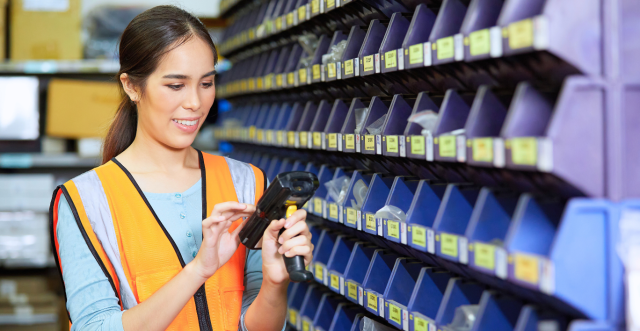
Effective parts inventory is critical in sustaining the performance of a manufacturing facility, ensuring components are readily available. This helps minimize downtime caused by equipment failures.
For example, timely access to spare parts prevents production delays, enabling facilities to meet targets and fulfill customer orders. Cost savings result from reducing expedited shipping and emergency purchases, while avoiding stocking issues and strengthening supply chain resiliency.
Outsourcing Repair Services
Working with an experienced automation partner that is OEM-certified for repairs offers significant advantages:
- Specialized expertise: These experts possess in-depth knowledge of the equipment they installed, ensuring accurate diagnostics and effective solutions.
- Performance assurance: Repairs restore machinery to original specifications, extending lifespans.
- Service agreements and warranties: These contracts provide cost predictability and peace of mind for manufacturers.
As technologies evolve, an automation partner’s comprehensive support ensures systems remain aligned with industry standards and ready for future upgrades. By outsourcing repairs, manufacturers can streamline maintenance processes and expect optimal outcomes.
Certified Components
Genuine OEM parts drive compliance and reliability. Authentic components maintain equipment integrity, adhere to industry standards, and prevent compatibility issues common with aftermarket alternatives.
The synergy between effective inventory management and OEM-certified repairs from an automation partner creates a robust system that safeguards operational performance and fosters sustained productivity.
Access to State-of-the-Art Technology
Manufacturing systems must evolve to keep up with changing market demands and technological advancements. Collaborating with an automation partner gives manufacturers access to solutions that enhance system performance. Manufacturers benefit from the latest advancements in automation, software, hardware, and retooling through modernized capabilities—helping them further reduce costs and stay competitive.
Integrated Support
Automation partners can also provide comprehensive support during and after upgrades, including training programs for operators and maintenance teams and post-upgrade assistance like swift repairs and technical guidance.
This holistic approach maximizes ROI and ensures a smooth transition to an advanced, future-ready system.
Lifecycle Extension Strategies: Maximizing Sustainability
Extending the lifespan of automated manufacturing systems is not only a smart financial decision—it’s also environmentally responsible. By implementing targeted strategies, manufacturers can reduce capital expenditures, minimize waste, and maintain operational excellence.
Proactive Maintenance: Preventive Care for Longevity
A robust maintenance schedule is the foundation of lifecycle extension. It involves identifying wear and tear, preventive measures, and timely repairs. These efforts minimize potential breakdowns and reduce the frequency of costly replacements.
Beyond financial benefits, proactive maintenance supports sustainability by conserving resources and reducing the environmental impact associated with manufacturing new equipment.
Targeted Upgrades: Modernization Without Full Replacement
Manufacturers can choose to implement gradual upgrades and retrofits to modernize specific components or subsystems, rather than replacing entire systems. Benefits include:
- Integrating the latest technologies for improved efficiency and adaptability.
- Reduced environmental footprint, allowing manufacturers to stay competitive while preserving existing infrastructure.
This strategy aligns with lean principles and promotes resource conservation, ensuring that automation investments deliver long-term value while minimizing environmental impact.
Adaptive Reuse: Repurposing for Agility and Cost Efficiency
Repurposing or relocating an automated manufacturing system offers a sustainable alternative to purchasing new equipment. Advantages include:
- Lower capital investment by leveraging existing assets.
- Enhanced business agility, enabling quick responses to market shifts or production changes.
Adaptive reuse minimizes disruption, supports a circular approach to manufacturing, and extends the life of equipment.
Service: The Key to Sustained Success
Proactive maintenance and continuous support are not optional—they’re essential for maximizing ROI and ensuring long-term competitiveness. At ATS, flexible options, from full system overhauls and comprehensive support to retrofits of existing equipment, give manufacturers options based on their unique operational needs and long-term goals.
Leaders that invest in these strategies and work with a trusted automation partner will not only safeguard their investments; they’ll better position themselves for future growth.
Ready to optimize your manufacturing systems? Contact us today.
Every project is unique. Allow us to listen to your challenges and share how automation can launch your project on time.

Mike Stovin
Director, Service and Enterprise Programs
ATS Industrial Automation
For more than 15 years, Mike has helped manufacturers minimize downtime and extend equipment life through advanced automation services. By combining preventive maintenance strategies with tailored service plans, Mike enables production teams to improve operational efficiency and protect critical assets.