

Quality control in consumer electronics manufacturing is integral to success, yet it remains one of the most persistent challenges. As products become smaller, more complex, and more feature dense, electronics manufacturing processes must be able to deliver consistent quality at scale. Even minor defects in PCB assembly or soldering, can lead to product failures, warranty claims, and recalls costing OEM’s time, money and reputation.
Improving production quality control requires coordination across assembly, inspection, and data management. Precision assembly platforms, advanced vision systems, and manufacturing intelligence software play a central role in closing quality gaps across the manufacturing process.
The Quality Control Challenge in Precision Electronics Manufacturing
Consumer electronics manufacturers manage tight tolerances, fragile components, and rising throughput demands across their processes. Whether operating at lower speeds or scaling for volume, production quality control remains critical.
Quality risks often appear early in PCB manufacturing assembly and compound downstream posing high risks for OEMs.
Typical challenges include:
- Misaligned or damaged components during high-speed assembly.
- Solder joint defects caused by inconsistent thermal profiles.
- Vision system limitations at higher line speeds.
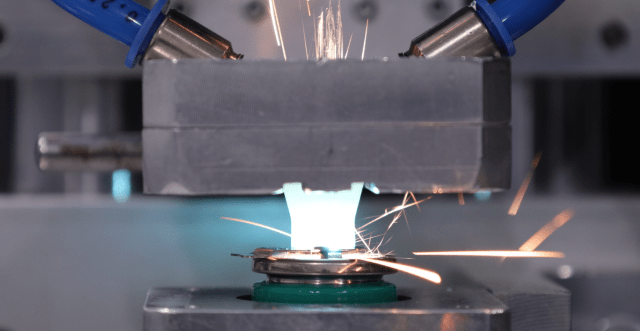
- Laser processing variability during cutting, marking, or welding.
- Limited visibility into in-process quality trends.
The Role of Proof-of-Principle Testing in Electronics Manufacturing
Proof-of-principle (POP) testing reduces risk in precision electronics manufacturing projects. By validating high-risk assembly and manufacturing processes early, contract manufacturers and OEM’s gain confidence before full system deployment.
Proof of principle testing supports:
- Verification of process feasibility and repeatability.
- Optimization of tooling, vision, and soldering parameters.
- Identification of required in-process quality checks.
- Reduction of material waste during commissioning.
- Shorter timelines during final system integration.
POP testing also informs quality strategy development by confirming where inspection and testing deliver the most value in the electronics manufacturing process.
Low-Speed Precision Assembly in Electronics Manufacturing
At lower speeds, repeatability drives quality outcomes. Even without aggressive throughput targets, electronics manufacturing processes must maintain consistency to prevent defects from entering downstream assembly. Small variations in placement, force, alignment, or soldering conditions increase the risk of latent failures.
In low-speed electronic assembly, quality risks often include:
- Inconsistent component placement on PCBs
- Damage to sensitive electronic components during handling
- Variability in solder joint formation
- Missed defects due to limited in-process inspection.
Addressing these risks requires precise manufacturing equipment, stable PCB handling, and integrated quality control from the start of the process.
Quality Control in Precision Electronics Assembly
Quality control in electronics manufacturing is essential when tolerances are tight and volumes are high. Effective quality strategies combine in-process inspection with end-of-line validation to protect product integrity.
Many electronics manufacturers struggle with disconnected quality data across production stages, limiting root cause analysis and corrective action. Without integrated quality control, defects move downstream where rework becomes expensive or impossible.
In-Process Inspection and Testing
In-process inspection identifies defects before they propagate, reducing scrap and rework. In PCB assembly and electronics manufacturing, in-process testing often includes:
- Vision systems for component presence, alignment, polarity, and surface defects.
- Vision alignment verification before soldering operations.
- Force and distance monitoring for press-fit or joining processes.
- Laser weld monitoring to verify consistency and penetration.
- Electrical testing for continuity and functional verification.
- Leak or pressure testing for sealed electronic assemblies.
These checks improve production quality control by verifying each manufacturing step before proceeding.
End-of-Line Testing in Electronics Manufacturing
End-of-line testing provides a final quality safeguard. For consumer electronics, this stage confirms functional performance, electrical integrity, and regulatory compliance before products leave manufacturing.
End-of-line testing reduces field failures and supports traceability across the electronics manufacturing process.
Managing Multi-Part Electronic Assemblies and Tolerance Stack-Up
As consumer electronic assembly lines incorporate more components, quality control grows more complex. One of the most common challenges is tolerance stack-up, where small variations across multiple components combine into misalignment or functional issues.
Laser, vision, and soldering processes add complexity to electronics manufacturing.
Laser systems require stable part presentation and precise energy control. Inconsistent fixturing or motion control leads to incomplete welds, thermal damage, or cosmetic defects.
High-speed production requires vision systems that inspect accurately without slowing throughput. Poor synchronization between vision systems and manufacturing equipment increases the risk of false rejects or missed defects. Vision automation must integrate tightly with material handling and control systems.
Soldering quality depends on consistent thermal management and repeatable PCB handling. Manual transfers or uncontrolled conveyors introduce variability that impacts solder joint reliability and long-term product performance.
To manage tolerance stack-up in electronic assembly, manufacturers need to:
- Define and control tolerances for each component and operation.
- Use in-process inspection to detect drift early.
- Design manufacturing equipment that adapts to part variation.
- Apply flexible fixturing strategies.
- Validate assembly sequences before full production.
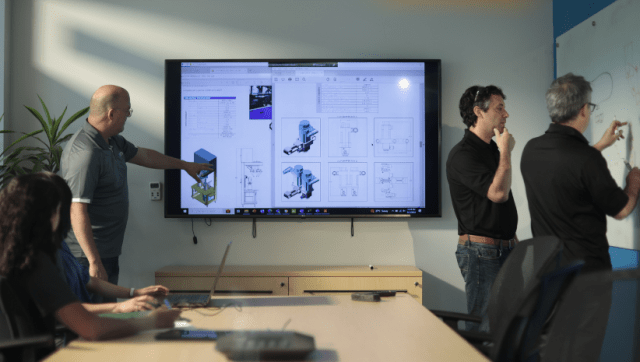
Automation partners support these efforts through design-for-manufacturing guidance, simulation tools, and proof of principle testing to confirm feasibility before system build.
High-Speed Precision Assembly for Consumer Electronics
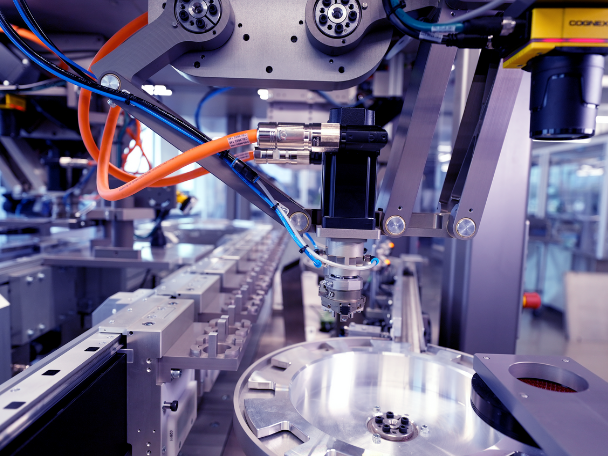
As production speeds increase, quality risk rises. High-speed electronics manufacturing requires tight synchronization across motion control, vision inspection, soldering, and testing. Small tolerance drift leads to scrap, rework, and downstream failures.
In high-volume consumer electronics production, even a scrap rate of 0.5 percent results in material loss, downtime, and missed delivery targets. The impact increases as component density and process complexity grow.
High-speed precision assembly demands:
- Stable, repeatable PCB handling at speed.
- Accurate component placement under dynamic conditions.
- In-line inspection that keeps pace with production.
- Immediate feedback to prevent defect propagation.
High-Speed, High-Precision Manufacturing Technologies
Scaling precision electronics manufacturing requires manufacturing technology that supports accuracy, speed, and quality control simultaneously.
High speed precision assembly solutions such:
SuperTrak CONVEYANCE™
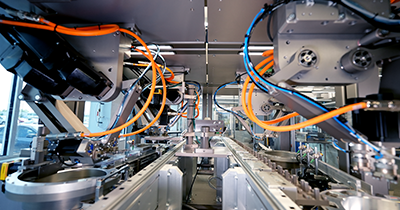
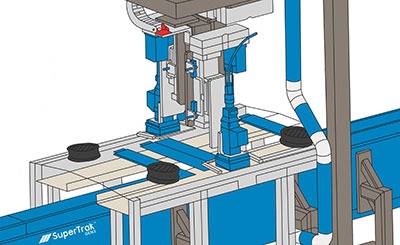
SuperTrak CONVEYANCE™ provides independent shuttle control for precise handling and component transfer. By removing traditional indexing conveyors, SuperTrak reduces mechanical variation and limits tolerance stack-up during electronic assembly. Independent motion control improves stability for vision inspection, soldering, and testing.
Symphoni™ Technology
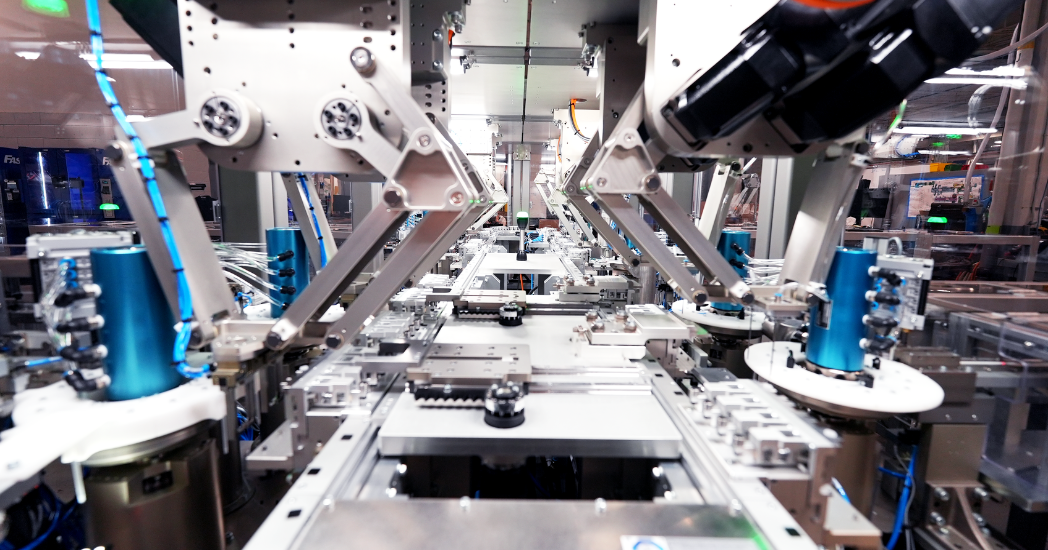
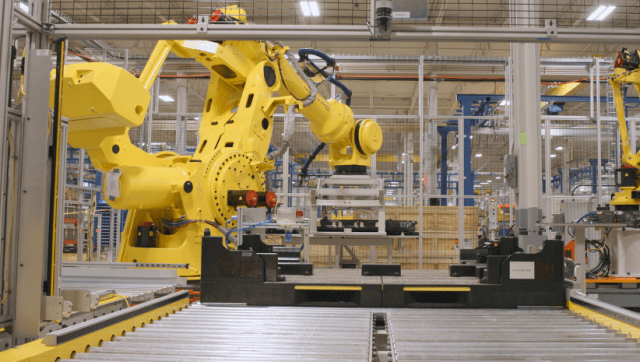
Symphoni™, a patented ATS technology, is a modular, cam-driven assembly platform designed for high-speed, repeatable motion. Its synchronized station architecture supports precise component placement and inspection across complex electronics manufacturing processes. Symphoni™ adapts to evolving product designs across consumer electronics programs.
Illuminate™ Manufacturing Intelligence for Quality Management
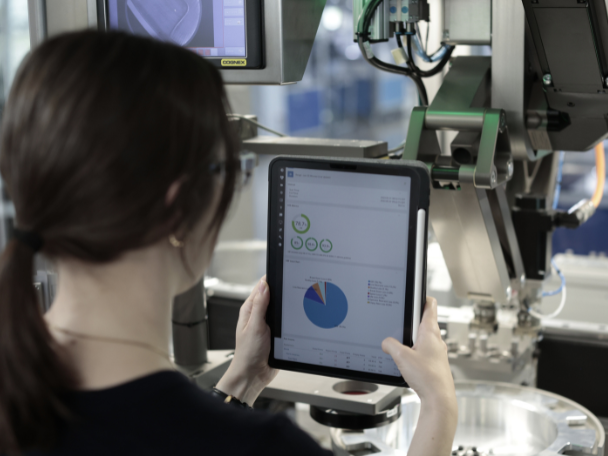
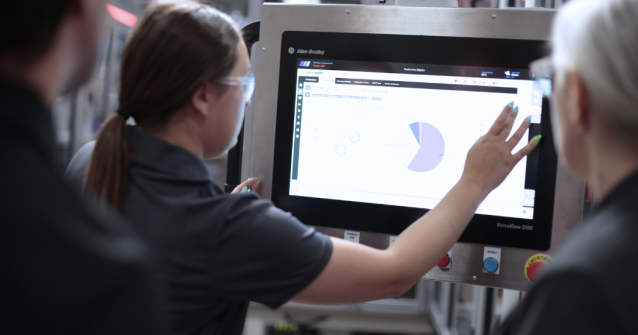
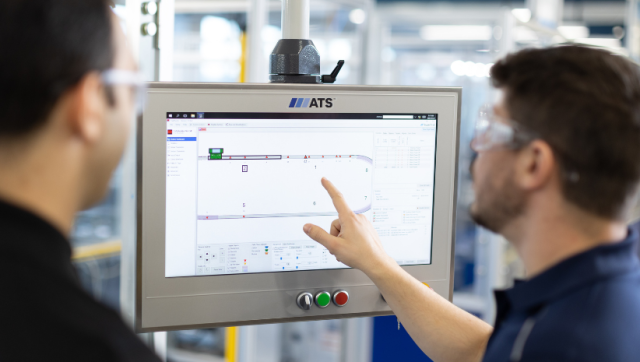
Illuminate™ Manufacturing Intelligence provides real-time visibility into production quality metrics. In electronics manufacturing, where small deviations lead to high scrap volumes, Illuminate helps teams identify process drift, analyze root causes, and support preventive quality actions. By connecting equipment data with quality outcomes, Illuminate strengthens production quality control across the manufacturing process.

Together, SuperTrak CONVEYANCE, Symphoni, and Illuminate form a connected manufacturing ecosystem that supports high-speed electronics manufacturing while maintaining quality control.
FAQs
What are common defects in PCB assembly?
Common defects include solder bridges, cold solder joints, missing components, misalignment, and electrical continuity failures. These issues often result from process variability rather than isolated equipment faults.
What are best practices for in process inspection of electronic components?
Best practices include in-line vision inspection, electrical testing after critical steps, controlled part handling, and immediate feedback loops to prevent defects from moving downstream.
How do you implement automated inspection systems in electronics manufacturing?
Automated inspection must integrate with manufacturing equipment, material handling, and controls. Early design integration, stable part presentation, and synchronized vision systems are essential.
What software solutions support quality management in electronics production?
Manufacturing intelligence software like IlluminateTM connects inspection data, production metrics, and traceability. These platforms help teams identify quality trends, support root cause analysis, and improve production quality control across the electronics manufacturing process.
Scaling Consumer Electronics Manufacturing Without Compromising Quality
Quality control defines success in consumer electronics manufacturing. As electronics manufacturing processes increase in speed and complexity, production quality control must operate as an integrated part of manufacturing rather than a downstream checkpoint. Precision assembly, in-process inspection, and connected quality data reduce variability at the source and protect product performance.
Aligning high-speed precision assembly with controlled PCB handling, synchronized vision inspection, and real-time manufacturing intelligence improves quality without sacrificing throughput. Technologies such as SuperTrak CONVEYANCE, Symphoni, and Illuminate support repeatable motion, stable inspection conditions, and data-driven quality management across electronics manufacturing environments. This approach reduces scrap, limits rework, and builds confidence in every unit produced.
When teams face recurring PCB assembly defects, rising scrap rates, or limited visibility into process drift, a system-level quality strategy becomes essential. Working with an automation solutions partner supports early validation of high-risk processes, effective in-process testing, and manufacturing equipment designed for long-term quality. A disciplined quality control strategy protects margins, strengthens customer trust, and supports scalable growth in consumer electronics manufacturing.
Every consumer electronics manufacturing project is unique. Allow us to listen to your challenges and share how automation can launch your project on time.

Marie Kühnast
Key Account Manager Europe
ATS Industrial Automation
With extensive experience supporting complex engineering and automotive projects, Marie helps organizations translate customer needs into clear, cost-aligned technical concepts. Her work focuses on building strong customer partnerships, managing global enquiries, and aligning commercial objectives with coordinated technical execution.