- Industries
- Capabilities
- Technologies
- Service
- Resources


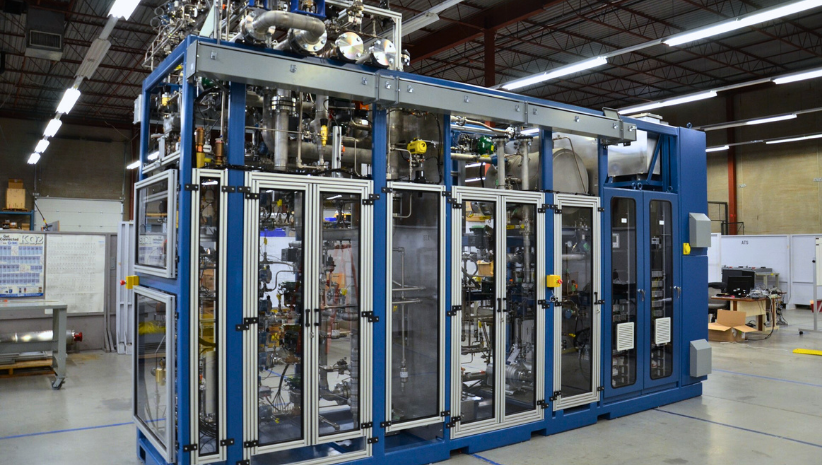
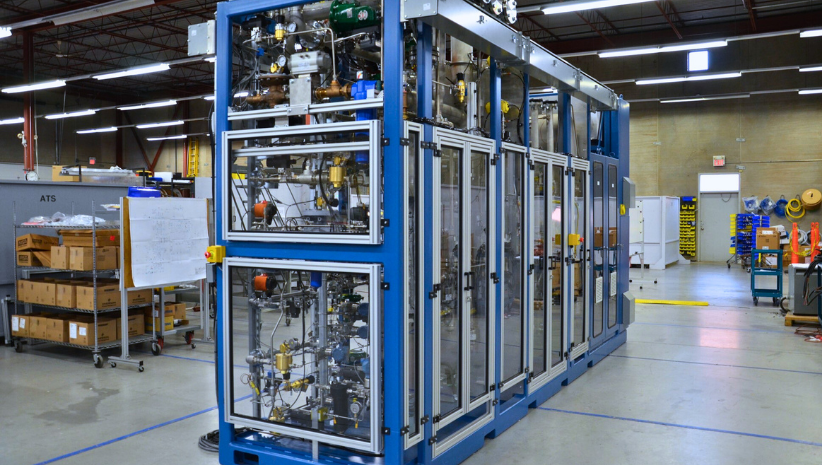
Clean energy manufacturers face increasing pressure to scale production while maintaining quality, traceability, and reliability. ATS provides automated assembly and test solutions for battery energy storage systems (BESS), fuel cells, electrolyzers, power conversion equipment, and other clean energy technologies. With deep experience in high-volume manufacturing, we help clean energy companies move from development and pilot production to full-scale deployment through integrated automation, testing, and production solutions.
100+
Battery Production Lines.
10,000
GWh of Energy Storage are Required by 2040, According to the IEA.
45+
Years of Automation Experience.
Challenges in Clean Energy Manufacturing
Clean energy manufacturers need to balance product development, manufacturing readiness, quality, safety, and production growth while technologies and product designs continue to evolve.

Manufacturing Concerns Often Surface Late
Product development teams often focus on technology and product performance before defining how the product will be manufactured at scale. Early design for manufacturing, proof-of-principle studies, process assessments, and validation planning help identify manufacturing risks before equipment design begins.

Products & Manufacturing Requirements Continue to Evolve
Clean energy technologies continue to change as products move through development. Changes to designs affect material handling, assembly, joining, testing, automation, and production layouts. Manufacturing strategies need to account for approved changes and future production requirements.

Testing Requirements Vary Throughout Production
Manufacturers need to determine how and where to test products throughout manufacturing. In-process and end-of-line testing help identify quality concerns earlier while validating product performance.

Safety Requirements Affect Manufacturing Decisions
Batteries, hydrogen systems, and high-voltage components introduce application-specific safety considerations. Manufacturing teams need to account for electrical hazards, leaks, thermal management, equipment safeguards, and material handling as production processes are developed.

Scaling Introduces New Production Risks
Processes developed for prototypes, samples, or pilot production often require further validation before moving to higher volumes. Scaling increases demands on automation, material flow, testing, quality control, equipment reliability, and traceability.
Clean Energy Manufacturing Support
ATS supports assembly and testing across clean energy applications including battery energy storage, hydrogen, fuel cell, and power conversion applications.
Grid Energy Storage
Grid-sized battery energy storage systems (BESS) are critical for a green future. However, scaling battery manufacturing from kilowatt hours to gigawatt hours poses a unique and daunting challenge. Companies with advanced technologies need a knowledgeable and trusted partner with the experience to quickly move from design through pilot to full production. We provide customers with integrated automation assembly and test solutions for stationary batteries.

Fuel Cell & Electrolyzer
Reliable and efficient hydrogen energy technologies are essential for a cleaner energy future. As demand for fuel cell technologies increases, manufacturers must boost production while maintaining performance and quality. We automate the assembly and testing of fuel cells and electrolyzers, enhancing efficiency and optimizing component assembly.
Green Tech Products
Green technology manufacturers are scaling production of fuel cells, electrolyzers, hydrogen systems, and carbon capture technologies to support a lower-carbon energy future. ATS offers assembly and testing solutions for a range of clean tech products including membrane electrodes, hydrogen tank valves, balance-of-plant sensors and control modules. Our range of capabilities includes precise stack assembly, leak and pressure testing, electrical conditioning, and traceability systems helping to meet the requirements relating to the quality, safety, and reliability of pressurized and performance-critical energy products.

Clean Energy Component Assembly
Battery Manufacturing
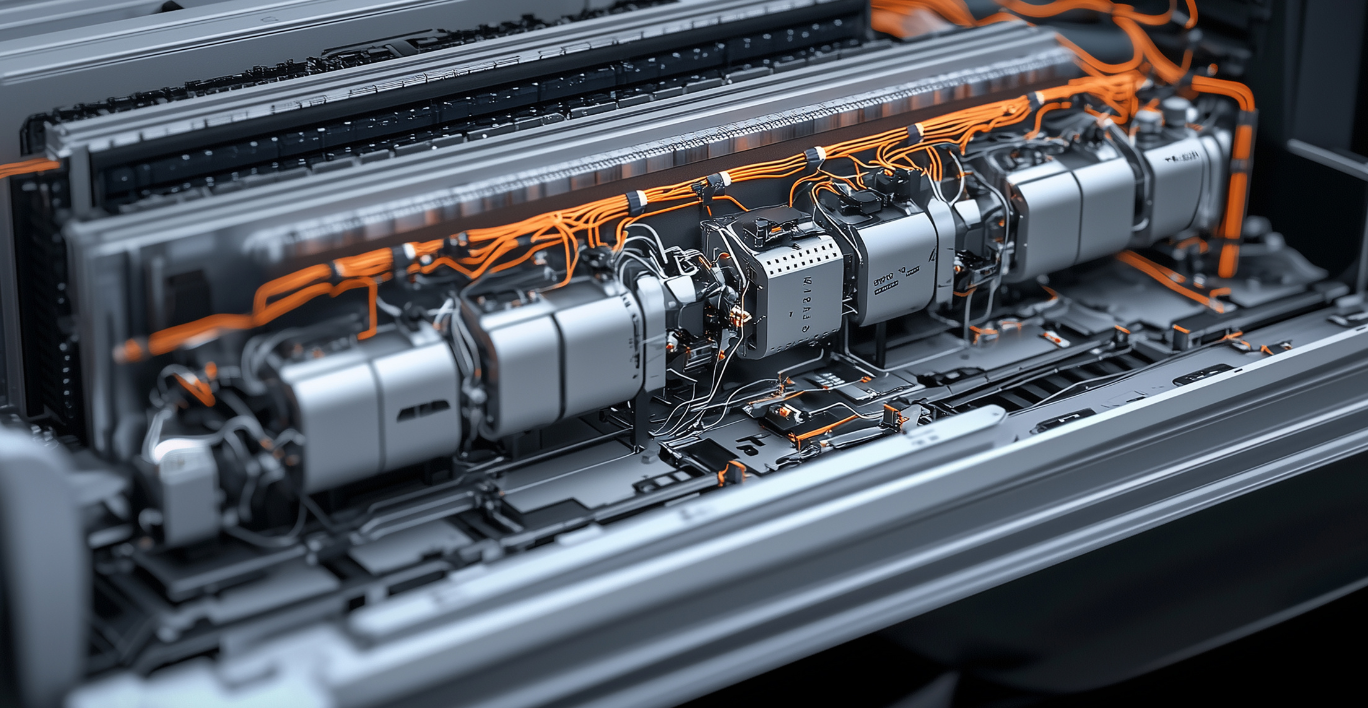
Battery pack and module manufacturing supports the rapid growth of grid-scale BESS, commercial, and residential energy storage systems. ATS provides assembly automation and test solutions for battery modules, racks, storage units, thermal management assemblies, and power conversion systems. Drawing on extensive battery manufacturing experience, we help manufacturers improve quality, traceability, and throughput with scalable assembly platforms, integrated testing, and production layouts designed for larger products and growing energy storage demand.

Inverter & Power Conversion
Power conversion systems are a vital part of renewable energy infrastructure as they convert and manage energy in connection with solar, wind, and energy storage applications. ATS offers automation and testing solutions for assembling inverters and power conversion modules, focusing precise component assembly, high-voltage testing, contact-resistance verification, vision inspection, and current-cycle conditioning so that manufacturers can ensure consistent performance in high-current, high-voltage applications.
Why Clean Energy Manufacturers Choose ATS
ATS Industrial Automation combines automotive manufacturing expertise, automation, testing, and digital engineering to help clean energy manufacturers move from product development to production-ready manufacturing with greater confidence.

Address Manufacturing Risk Earlier
Design-for-manufacturability reviews, proof-of-principle studies, simulation and process validation help manufacturers evaluate difficult processes before production equipment is finalized. Early input gives teams more time to address assembly, testing, material flow, safety, and production requirements.

Connect Assembly & Testing
ATS brings assembly and testing into the same manufacturing strategy. In-process testing identifies concerns closer to their source, while end-of-line testing validates completed assemblies against product requirements.
Prepare for Changes in Volume & Product Design
Modular manufacturing strategies give clean energy manufacturers a foundation for moving from pilot production toward greater volumes while accounting for product changes. Early manufacturing planning connects product design, process requirements, equipment capacity, and future production goals.

Validate Systems Before the Physical Build
Digital engineering, simulation, digital twins, and virtual commissioning give manufacturing teams an opportunity to evaluate processes and production systems earlier.
Scale with an Experienced Automotive Automation Partner
ATS has delivered more than 110 battery assembly and test lines and supports clean energy applications spanning BESS, fuel cells, electrolyzers, hydrogen components, and power conversion equipment.
Planning Your Next Clean Energy Manufacturing Program?
Whether you’re developing a new clean energy product, moving beyond pilot production, introducing automated testing, or preparing for greater production volumes, early manufacturing planning helps identify process, quality, testing, safety, and integration requirements before equipment design is finalized.
Connect with ATS Industrial Automation to discuss your clean energy assembly and testing needs.
Discuss Your Clean Energy Manufacturing Program

