- Industries
- Solutions
- Service
- Resources



Battery energy storage systems (BESS) are essential for grid stability, renewable power integration, and energy security. As demand rises, manufacturers must scale production while maintaining quality, reliability, and safety.
ATS Industrial Automation supports BESS manufacturers from product development to repeatable production. With experience on over 110 battery assembly and test lines, ATS helps evaluate production processes, testing needs, automation strategies, and quality controls before scaling production.
Manufacturing Challenges Facing BESS Companies
BESS manufacturers must balance product development, manufacturing readiness, quality standards, and production growth simultaneously.

Scaling from Development to Production
Battery energy storage programs often start with prototypes or pilot production. As volumes grow, manufacturers require updated automation, testing, material handling, quality systems, and process controls often with tight timelines and quick turnarounds.

Product Changes During Equipment Development
Battery chemistries, pack configurations, rack designs, and container architectures evolve during product development. Manufacturing systems must remain flexible to accommodate approved changes without affecting future production.

Quality Concerns Become More Expensive Later in Production
Defects found after module integration into racks or containers require more time, labor, and materials to correct than those identified earlier in the assembly process.

Thermal Management & Safety Requirements
Grid battery systems depend on cooling, monitoring, fire suppression, and thermal management throughout their lifecycle. Consistent assembly and validation ensure long-term performance and reliability.

Testing & Validation Strategy
Manufacturers must decide when and where to test cells, modules, racks, electrical systems, and installations. A clear validation strategy sets out quality requirements before scaling production.
From Battery Concept to Grid-Scale Production
ATS supports battery manufacturers at every stage of BESS manufacturing, helping teams prepare products, processes, and systems for growth.
Pre-Automation
Evaluate Manufacturing Readiness Before Equipment Design
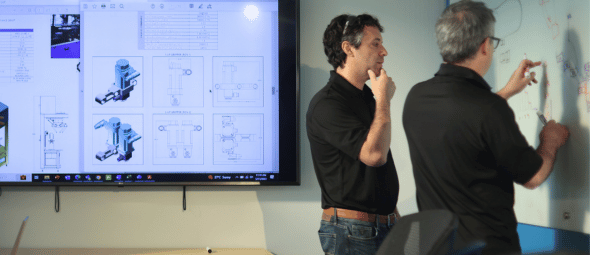
Manufacturing issues often arise during automation development or production launch. Design for manufacturability reviews, proof-of-principle activities, process assessments, and validation planning help teams assess technical risks before major equipment investments.
Module Assembly
Build Quality into Every Battery System
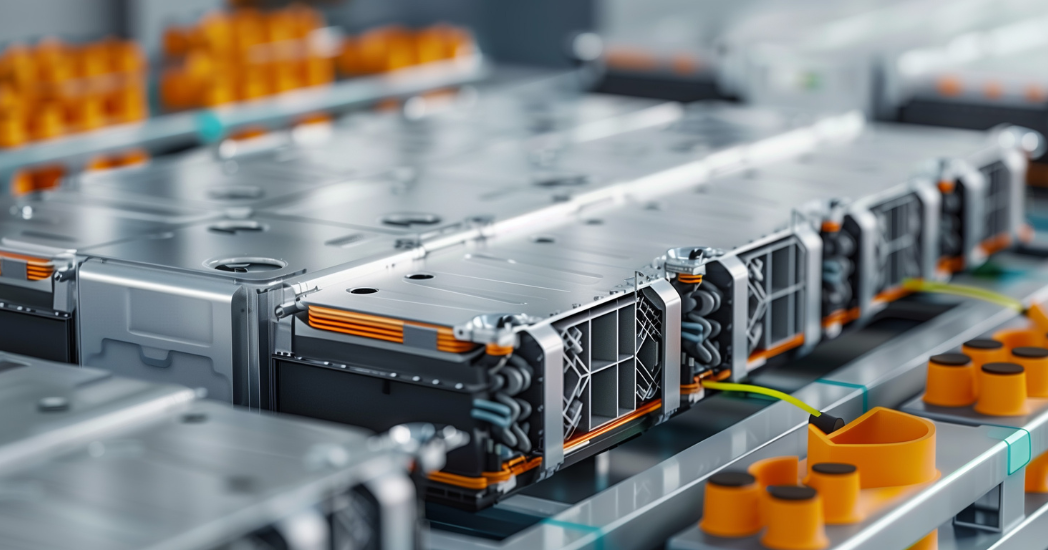
Module assembly involves cell validation, sorting, handling, joining, welding, cooling integration, and inspection. Early quality checks identify issues before components advance to higher-value assembly stages.
Rack & Container Assembly
Integrate Battery Modules into Complete Systems
Battery racks integrate modules, power distribution, thermal systems, monitoring devices, and control hardware. Assembly strategies must ensure product consistency while accommodating various battery architectures and deployment needs.

Cooling & HVAC Installation
Support Long-Term System Performance
Cooling infrastructure is critical to battery reliability. Installation and validation focus on coolant systems, thermal interfaces, airflow management, leak prevention, and operational monitoring.

Shipping Container Integration
Prepare Systems for Deployment
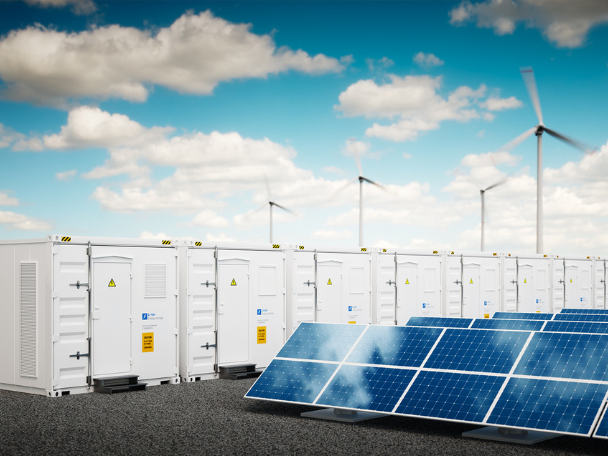
Containerized energy storage systems integrate batteries, cooling, electrical infrastructure, controls, communications, and safety systems. Consistent integration streamlines transportation, commissioning, and field deployment.

Final System Integration
Verify Complete System Operation
Final integration connects electrical, monitoring, communication, and safety systems into a complete energy storage platform. Testing and validation confirm system readiness for deployment.
Technology to Support BESS Assembly
BESS manufacturing requires coordinated assembly, testing, inspection, data management, and automation. ATS Industrial Automation helps manufacturers integrate these elements into a scalable production environment.
Laser Welding
Improve Electrical Connection Quality
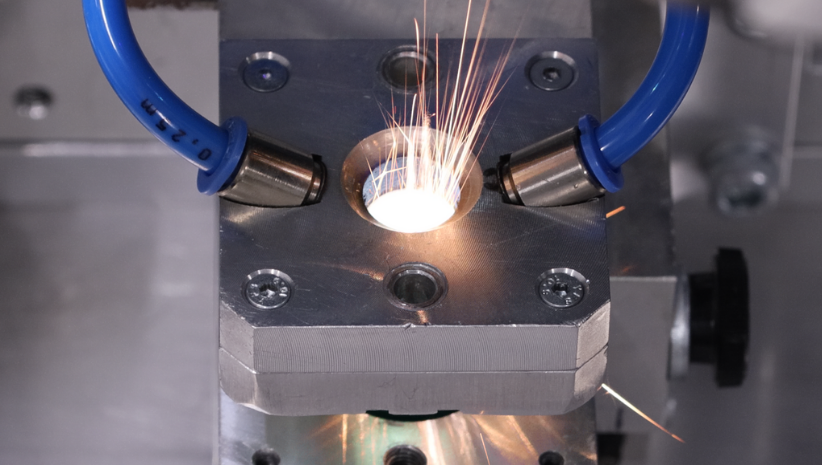
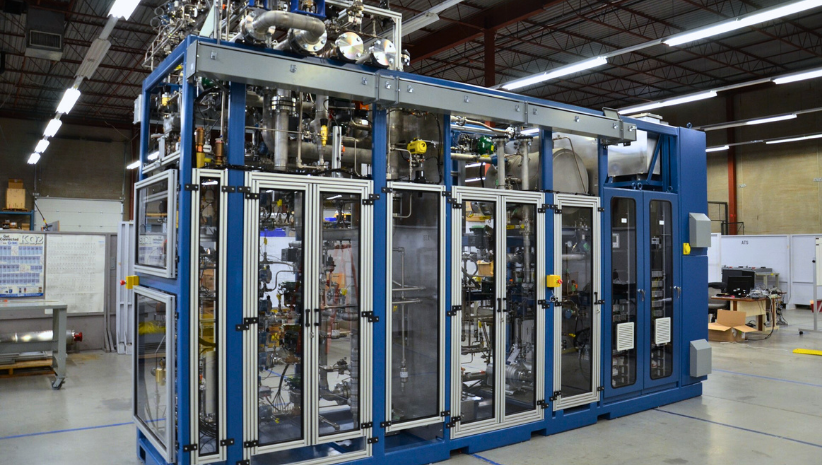
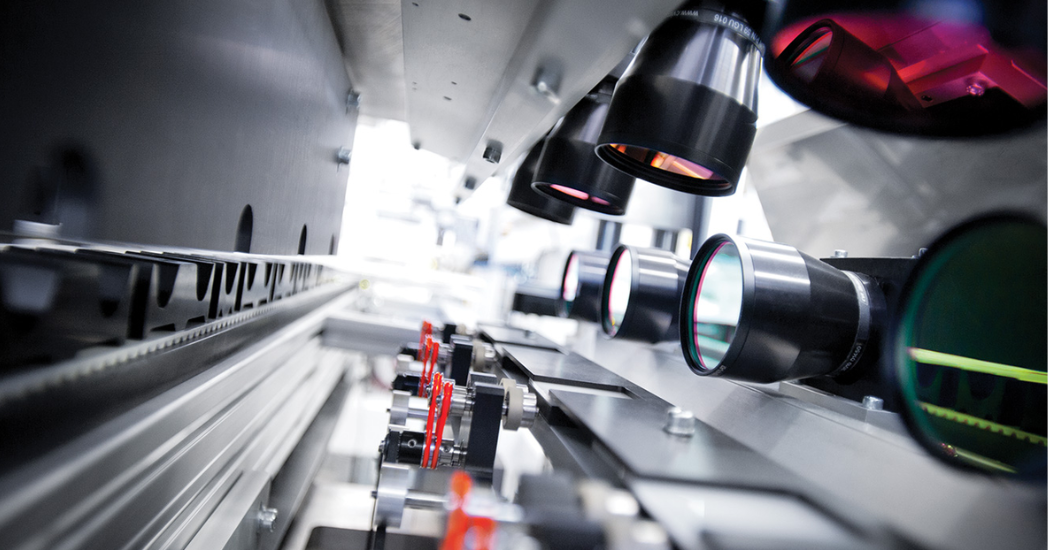
Laser welding supports battery interconnects, busbars, module structures, and enclosures. Process development, monitoring, and inspection establish repeatable joining processes before scaling production.
Robotic Material Handling
Support Consistent Production Operations
Battery modules, racks, and containerized systems often include large or heavy components. Robotic handling supports presentation, placement, transportation, and assembly throughout production.

Precision Dispensing
Support Thermal Management and System Reliability
Dispensing systems apply thermal interface materials, sealants, adhesives, and gaskets throughout battery manufacturing. Process monitoring and validation help maintain consistency as production scales.

Digitalization
Evaluate Production Systems Before Installation
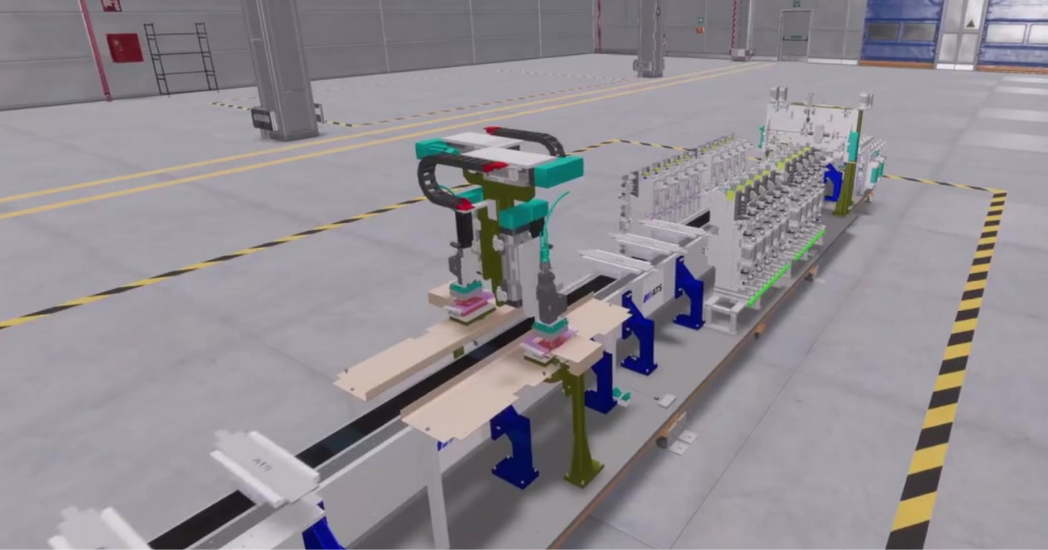
Digital engineering enables simulation, virtual commissioning, production planning, digital twins, operator training, and manufacturing intelligence. These tools allow teams to assess production systems before installing equipment.
Why BESS Manufacturers Work With ATS
ATS Industrial Automation integrates assembly technology, inspection, testing, and production data to help BESS manufacturers identify process variation, reduce scrap and rework, and maintain traceability throughout production.

Prepare for Production Growth
Early manufacturing planning enables teams to assess readiness before expanding production.
Reduce Scrap, Rework & Quality Concerns
Testing, inspection, traceability, and process validation identify manufacturing issues before they impact downstream operations.
Support Evolving Battery Technologies
Flexible manufacturing approaches enable adaptation to changing product requirements and future battery generations.

Connect Manufacturing & Quality Data
Integrated testing, traceability, and production systems provide visibility into manufacturing performance and product quality.

Support Programs from Development Through Production
ATS supports manufacturers through proof-of-principle activities, pilot production, production scaling, and mature operations.
Battery Manufacturing Programs & Customer Success Stories
Discover how battery manufacturers address production readiness, implementation timelines, quality requirements, and manufacturing growth challenges.

Accelerating Production Readiness for a Growing Battery Manufacturer
A battery manufacturer needed to meet aggressive production timelines while developing manufacturing capabilities. Manufacturing planning, automation expertise, and coordinated execution supported program objectives and production goals.

What It Takes to Scale Grid Battery Manufacturing
What does it take to scale grid battery manufacturing from lab to gigafactory? Whether you are a start-up or an established company, bringing a new BESS to market and scaling production is a journey, and companies need to achieve key milestones along the way.

Grid Battery Lifecycle eBook
Examine the technical and operational decisions that impact battery manufacturing readiness, quality systems, testing strategies, automation planning, and production expansion.
Build Your Grid Battery Manufacturing Strategy
Whether you’re developing new battery technology, expanding pilot production, or preparing for higher volumes, we can help you evaluate manufacturing readiness, testing needs, production processes, and automation opportunities.

