- Industries
- Solutions
- Service
- Resources



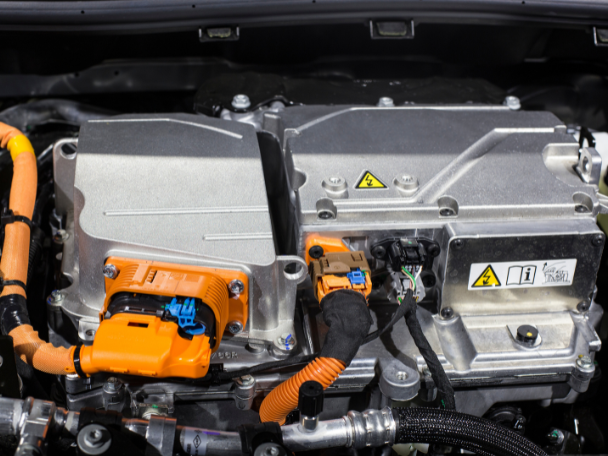
Electric motors, or eMotors, are crucial components in electric vehicles (EVs). They convert electrical energy into mechanical energy to power the vehicle. Unlike traditional combustion engines, eMotors offer higher efficiency, zero emissions, and reduced maintenance requirements. They are integral to the EV powertrain, working in conjunction with other components to ensure smooth vehicle operation.
Choosing ATS Industrial Automation for the assembly and testing of eMotors can enhance precision and consistency in eMotor assembly, reduce the risk of defects, and improve overall performance. Comprehensive testing capabilities ensure each eMotor meets stringent quality standards, providing customers with confidence in the durability and reliability of their products. Our longtime expertise in automation and digitalization also helps manufacturers optimize production, reduce costs, and accelerate time to market.
30
Years of Automotive Component Assembly Experience.
110+
Battery Production Lines.
3000+
Assembly Systems Delivered.
Manufacturing Challenges Facing Electric Motor Companies
Electric motor manufacturers building must balance multiple motor variants, manufacturing readiness, quality standards, and production growth simultaneously.

Precision &
Alignment
It’s challenging to ensure eMotor components such as rotors, stators, and bearings are aligned for optimal performance and longevity.

Thermal
Management
Teams must manage heat generated during operation to prevent overheating and ensure the eMotor’s reliability and efficiency.

Quality
Control
Manufacturers need rigorous measures to detect and address defects early in the assembly process, maintain high standards, and reduce rework.

Integration with Powertrain
Teams must carefully coordinate and test parts to ensure a smooth connection with other powertrain components, such as the inverter and battery pack.
Material
Handling
It’s complicated to transport and assemble rotors and other sensitive components due to their magnetic properties and the risk of contamination.
Our Approach for eMotor Assembly
ATS uses the latest automated technologies to ensure precision and consistency in assembly. This reduces the risk of defects and enhances each eMotor’s overall quality.
Pre-Automation
Manufacturability reviews, proof of principle studies, process simulation, technical risk assessment, and validation planning help electric motor manufacturing teams evaluate assembly methods while design decisions remain flexible.
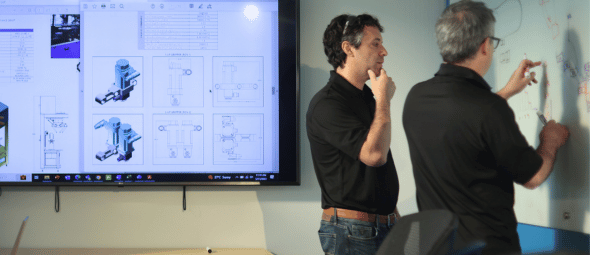
Inductive Heating
We leverage inductive heating to open the housing for stator assembly.
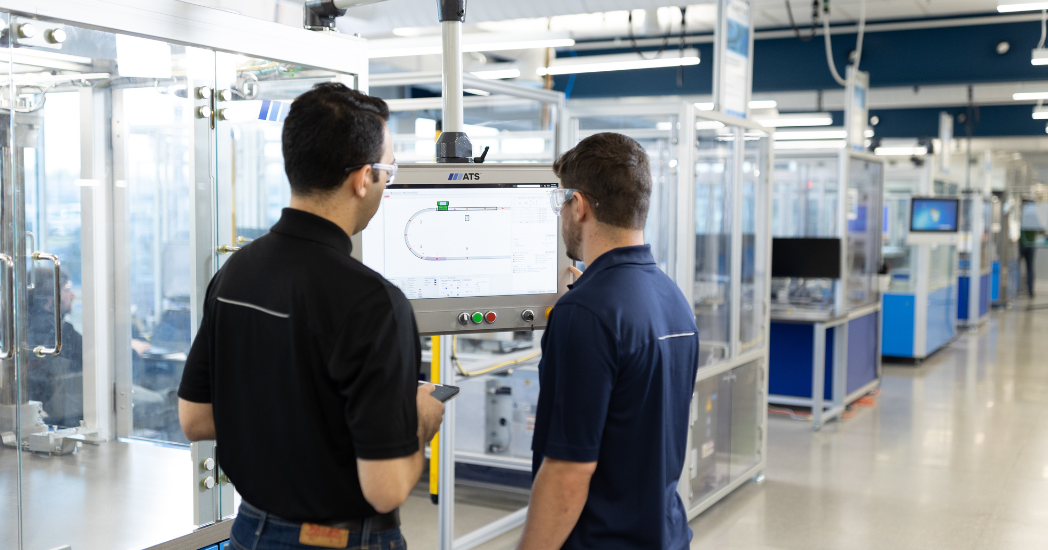
Clean Environment
We automate our magnet and inductive rotor assembly lines in a clean room environment to prevent contaminants from impacting equipment or product performance.

Testing & Validation
Manufacturers must ensure electric motors meet electrical, mechanical, and quality requirements before final integration.
Electrical validation, weld verification, communication checks, isolation testing, internal resistance measurement, and HiPot testing provide evidence that electric motors meet manufacturer requirements.
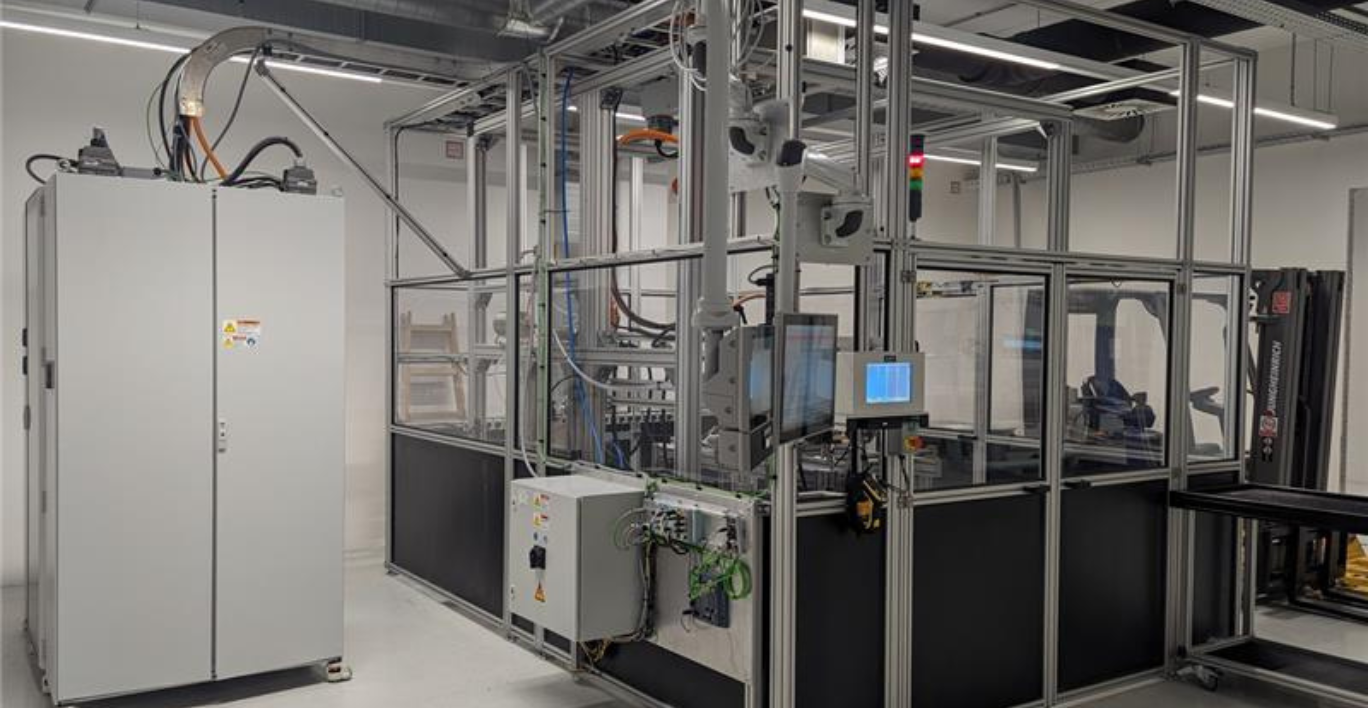
Technology That Supports Electric Motor Assembly
ATS integrates process technologies, testing, inspection, and production data to help manufacturers manage variation and maintain traceability.
Digital Engineering
Evaluate the System Before Physical Commissioning
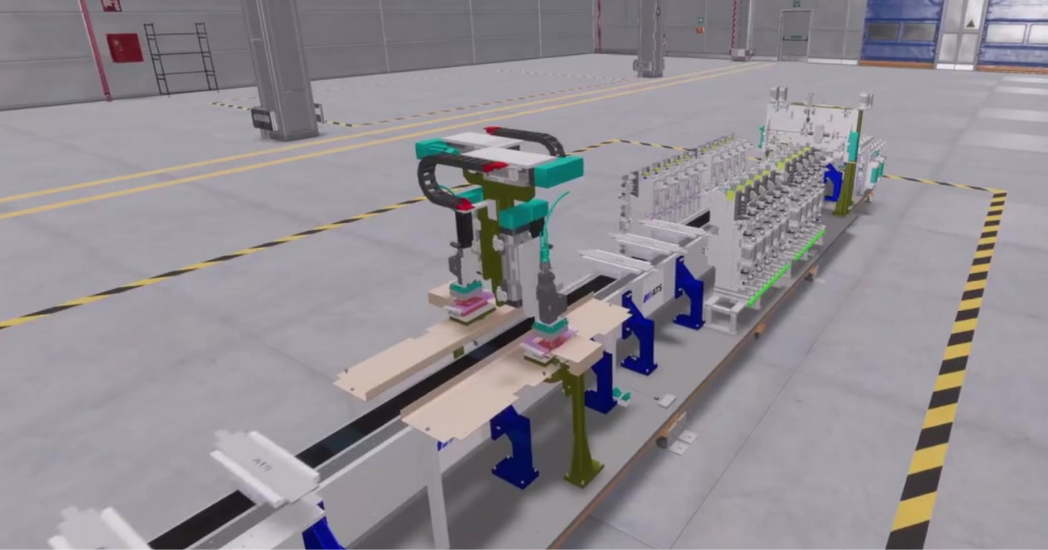
We use digital twins to simulate and validate the assembly process before actual production to identify and resolve potential problems early.


Vision Systems
Inspect, position and improve part quality
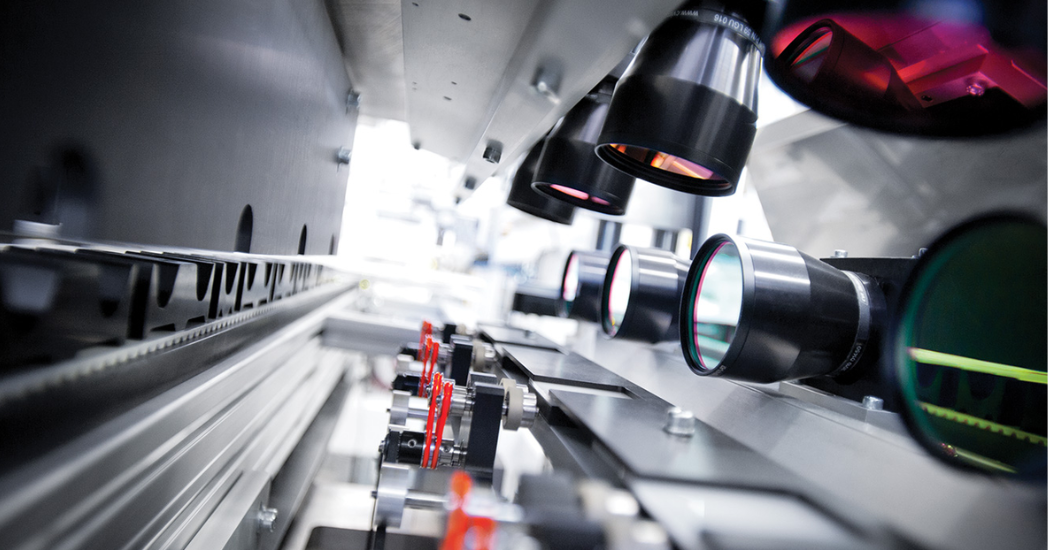
Vision systems can help verify part identity, orientation, placement, component presence, alignment, dispense coverage, and assembly step completion.
Comprehensive Testing Capabilities
Integrate Validation Throughout Assembly
Our rigorous testing protocols verify the performance, durability, and reliability of each eMotor. This includes thermal management, vibration analysis, and electrical performance testing.

Process Monitoring
Connect Production Data with Product Quality
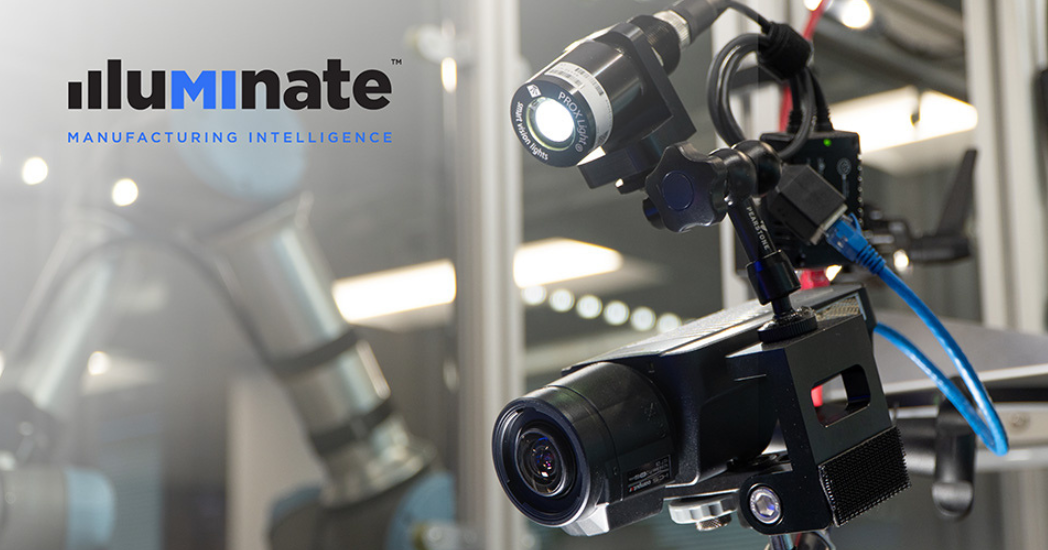
Manufacturers require visibility into genealogy records, process conditions, testing results, inspection data, and equipment performance.
Manufacturing intelligence systems connect these data sources throughout production.
eMotor Applications
Electric motor manufacturing varies by industry, but many manufacturers face similar challenges related to part handling traceability, quality, testing, and manufacturability.

Electric Vehicles (EVs)
eMotors are essential components in cars, trucks, buses, and motorcycles, providing the necessary propulsion to drive these vehicles.
Hybrid Vehicles
eMotors work alongside internal combustion engines in hybrid electric vehicles (HEVs) to improve fuel efficiency and reduce emissions.
Industrial Machinery
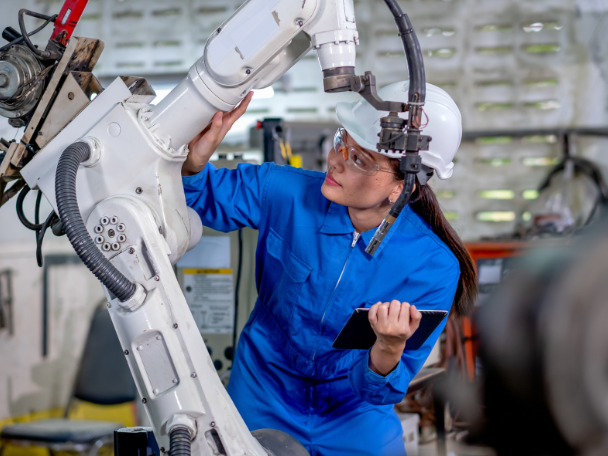
Manufacturers can use eMotors in various applications, including robotics, conveyor systems, and automated manufacturing equipment.
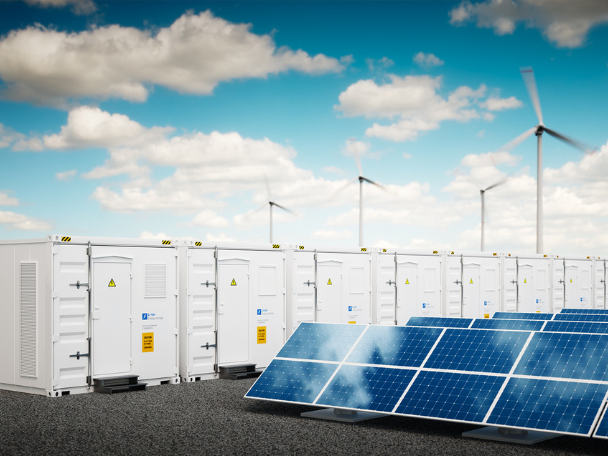
Renewable Energy Applications
eMotors play a crucial role in renewables, such as wind turbines and solar power systems, by converting electrical power into mechanical energy.
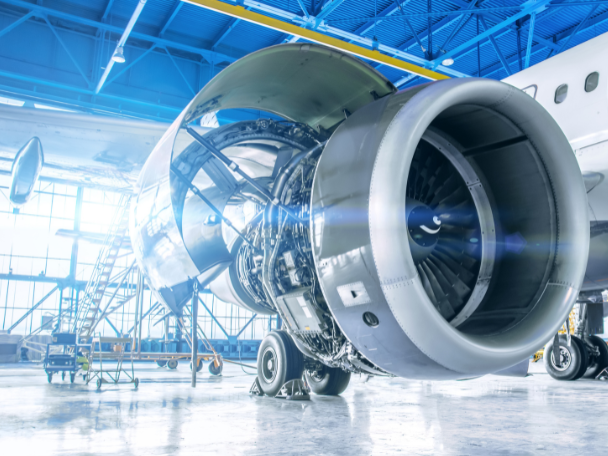
Marine & Aerospace
eMotors are increasingly being used in vessels and aircraft for propulsion and auxiliary power, reducing carbon emissions and improving efficiency.

Home Appliances
A wide range of household equipment such as washing machines, refrigerators, and air conditioners contain eMotors, providing efficient and reliable operation.
Why Automotive Manufacturers Work with ATS
ATS Industrial Automation combines automotive manufacturing experience, process development, automation, testing, and digital engineering to help manufacturers launch and scale electric motor assembly programs with greater confidence.

Optimized Square Footage
A modular approach supports multiple eMotor configurations, empowering manufacturers to adjust to changing business needs and do more with less space.

Efficient Assembly
Manufacturing leaders can benefit from digital tools such as simulations to streamline production workflows before the physical build.

Fast Cycle Time
Operations can easily scale from low cycle to high-volume production using automation.

Meet Market Demand
End-to-end assembly and testing solutions help manufacturers shorten lead times and better serve customers.
“The team at ATS Industrial Automation are experts and truly know what they are doing. They were instrumental in helping us ramp up our eMotor assembly line.”
Large European OEM
eMotor Manufacturing Resources for Automotive Manufacturers
The resources below address common challenges in electric motor development and production.

Overcoming Challenges in the Powertrain Marriage Process
Discover how to optimize the marriage process of eMotor components, including temperature management, material handling, and quality control.
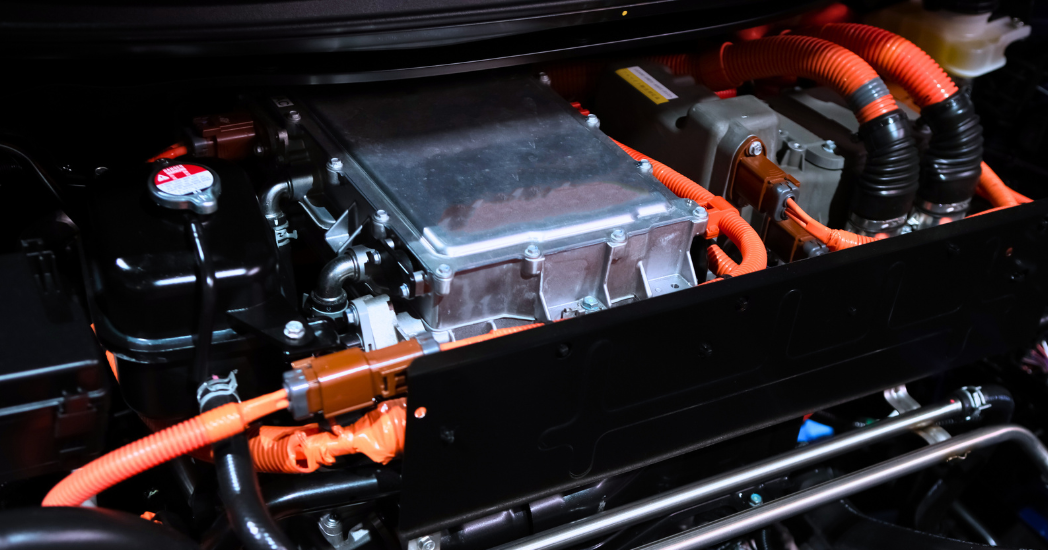
How Automation Transformed an eMotor Automotive Assembly Line
Learn how automation helped a manufacturer enhance an eMotor assembly line, achieve a 100-second cycle time, and leverage global collaboration.
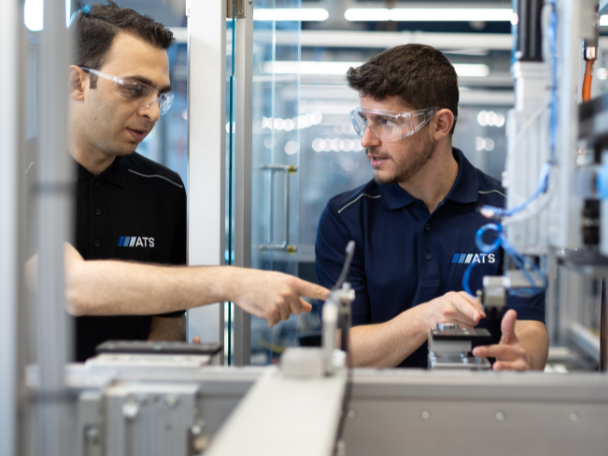
Solving Magnetization & Alignment Challenges in Rotor & Inverter Assembly
Learn to overcome magnetization and alignment challenges in inverter and eRotor assembly with automation, vision systems, and design for manufacturability.
Planning Your Next Electric Motor Manufacturing Program?
Whether you are developing a new process, scaling production or improving an existing line, start by sharing your manufacturing requirements.
Connect with ATS Industrial Automation to discuss your electric motor assembly and testing needs.

