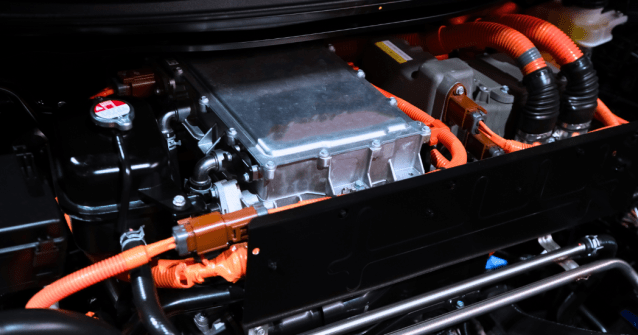


As electric vehicle (EV) platforms move toward higher voltages and more compact architectures, powertrain integration becomes more complex. Inverter and eRotor assemblies introduce unique challenges related to magnetization, thermal sensitivity, and handling. Even the slightest misalignment or contamination during assembly can compromise overall safety, performance, and manufacturability, leading to delayed schedules, unforeseen costs and, most importantly, consumer trust.
While manufacturers face various technical hurdles in EV powertrain assembly, an experienced automation partner can help teams navigate them using engineering precision, flexible automation solutions, and a collaborative design approach.
Understanding the Challenges of Magnetized Component Assembly
Magnetized parts present ongoing difficulties in EV powertrain manufacturing. The eRotors tend to attract debris, shift during handling, and cling to fixtures or nearby components. Another complicated issue is determining the correct magnetization vector—its direction and intensity—without prior knowledge. These challenges become especially problematic in high-throughput environments where consistency is critical.
Press-fit operations are highly sensitive to part tolerances. Even minor misalignments in rotor-stator marriage or inverter integration can result in excessive force or part damage.
Meanwhile, the adhesives used in rotor assembly require precise thermal control. Overheating can degrade bonding strength, while underheating prevents proper curing, both of which can lead to downstream failures.
Magnetized rotors also attract ferrous particles and tooling, increasing the risk of contamination and misalignment during handling. Integrating grid-forming resources adds another layer of complexity, requiring uniform specifications and dynamic stability management.
These challenges are compounded by the need for scalable, repeatable high-throughput processes, especially as manufacturers push for faster production cycles and tighter quality control.
Engineering Solutions for eRotor and Inverter Assembly
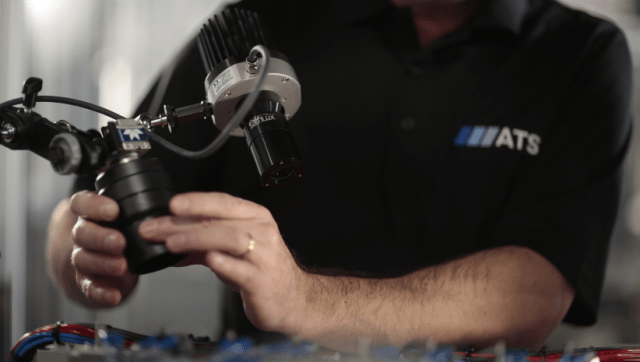
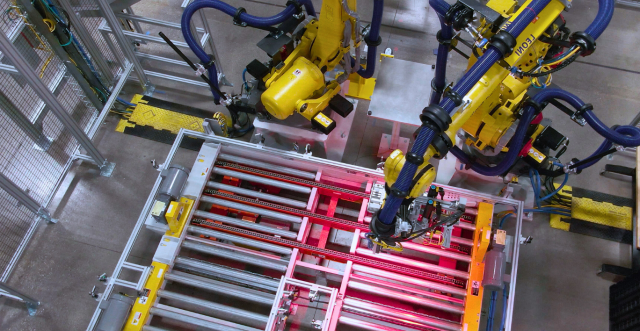
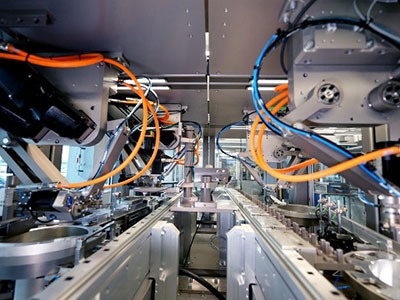
A trusted automation partner helps manufacturers identify and mitigate risks early in production. For rotor assembly, strategies vary depending on magnet type. In some cases, it may make sense to magnetize the eRotor as late as possible in the assembly process, which can help to reduce the rotor’s exposure to contaminants and simplify handling. In applications where the eRotor has permanent magnets, it requires special handling from the start. Strong magnetic fields can pose an environmental hazard to operators and nearby equipment, so machine builders must integrate robust safety measures. Advanced fixturing and vision-guided verification also play a critical role in ensuring accurate part placement and orientation throughout the process.
Temperature control is another critical factor. The adhesives used in rotor bonding have narrow thermal tolerances. Methods like inductive heating or oven curing help ensure consistent thermal management across production lines.
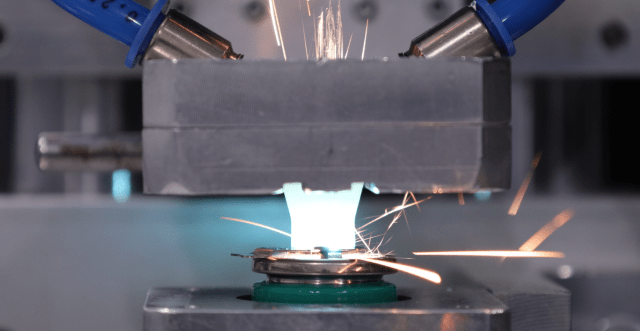
For inverter assembly, precision clamping is essential to join copper plates and chips ahead of laser welding. Inconsistent height or poor repeatability can lead to weak welds and air gaps, degrading electrical performance. Often, an automation partner will collaborate with manufacturers during the design phase to recommend changes that improve clamping consistency—such as modifying flange angles or adjusting part geometries.
Surface preparation is also key. Plasma cleaning improves solder adhesion and thermal conductivity, which are both essential for the long-term reliability in high-voltage systems.
Handling, Fixturing, and Process Control
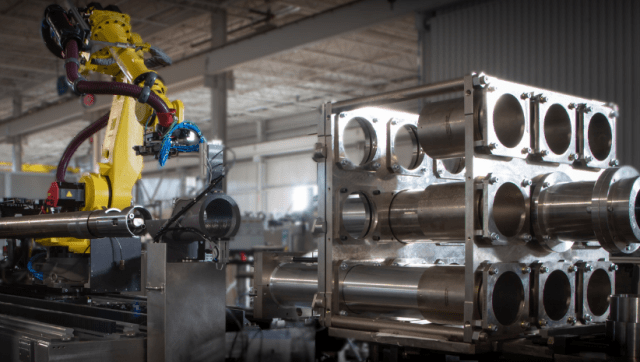
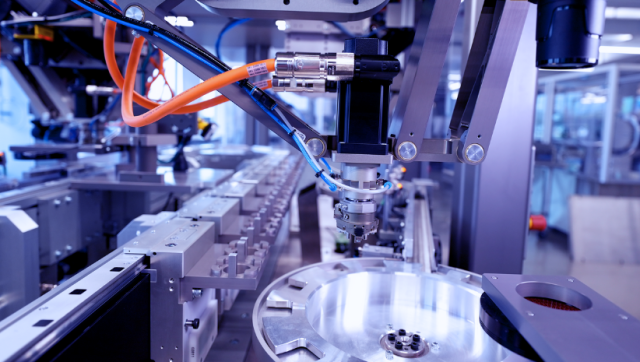
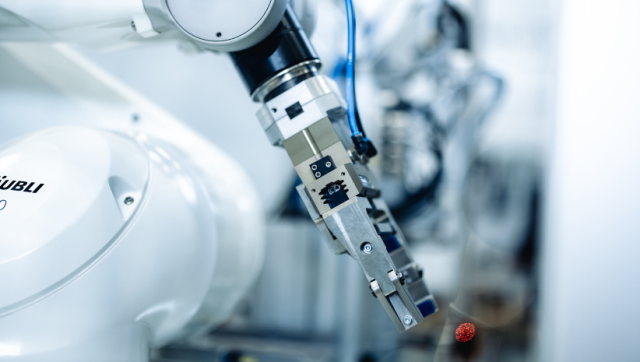
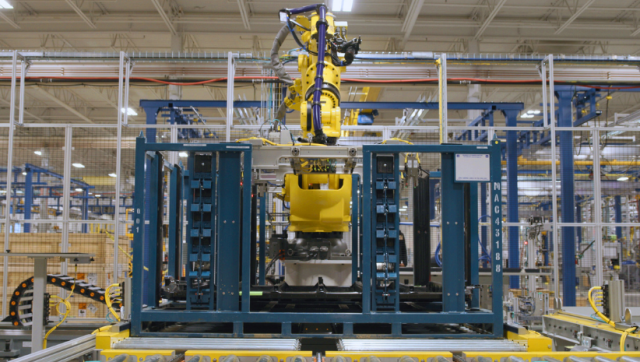
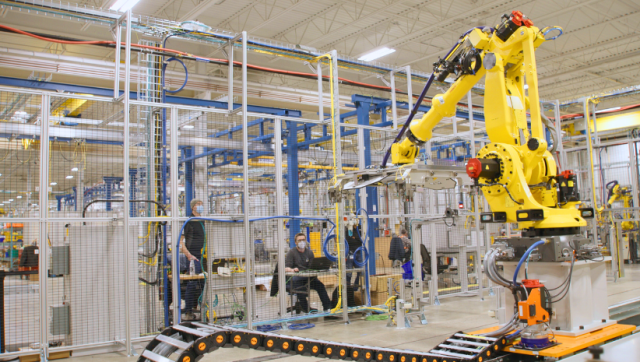
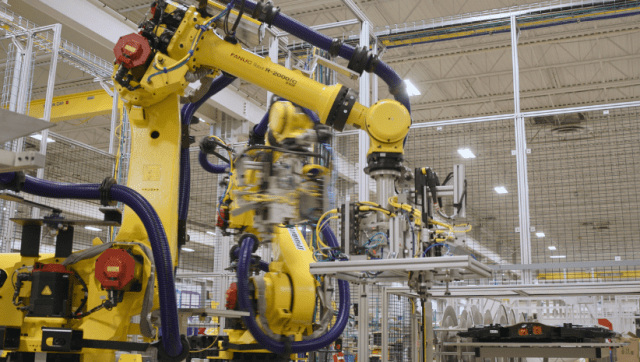
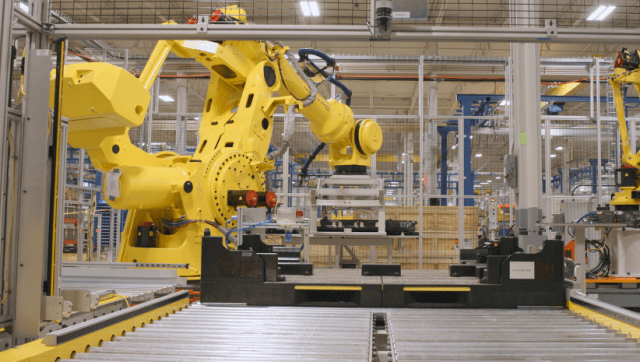
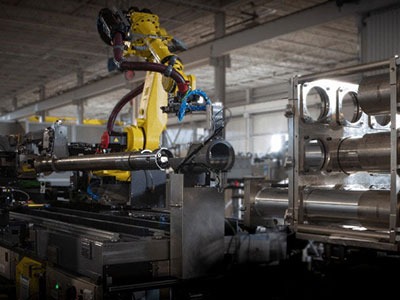
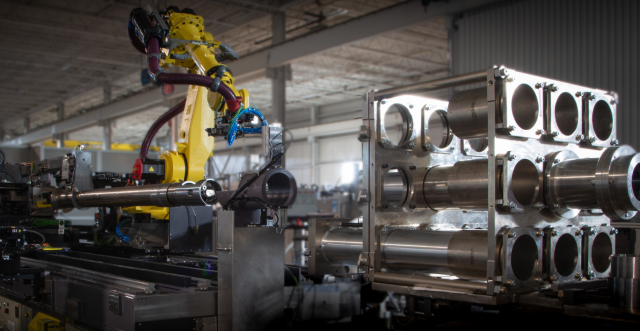
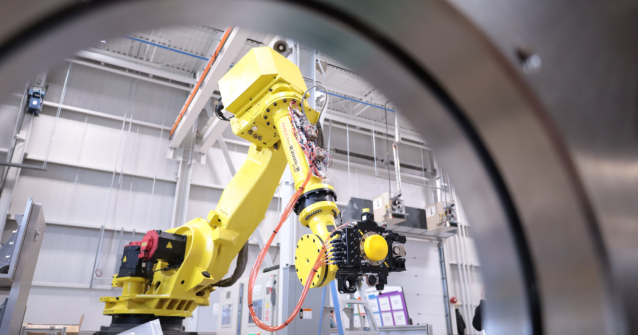
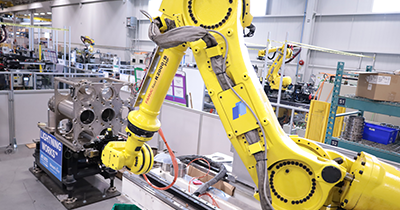
Because magnetized components easily attract unwanted particles or other objects, robotic handling becomes more complicated. To successfully support transport, the handlers need to work with stable, non-reactive fixtures and precise cable management to ensure safety and consistency. Vision systems can verify component placement before flipping or welding them, reducing the risk of dropped or misaligned parts and electromagnetic interference.
Leak testing is another critical step, particularly for liquid-cooled inverters. Automation partners can simulate coolant pressure using air at the same pound per square inch (PSI) as the vehicle’s cooling system. This ensures system integrity without introducing fluid contamination during testing.
Rotor-stator marriage is a delicate process. Misalignment during insertion can cause physical damage, core saturation, and degraded motor performance. By evaluating glue applications, heating and cooling strategies, and balancing processes, automation partners can help manufacturers ensure reliable integration. Advanced vision systems can also support these efforts, verifying magnet placement and glue coverage before final insertion to prevent errors in production.
Designing for Precision: How ATS Supports Manufacturability
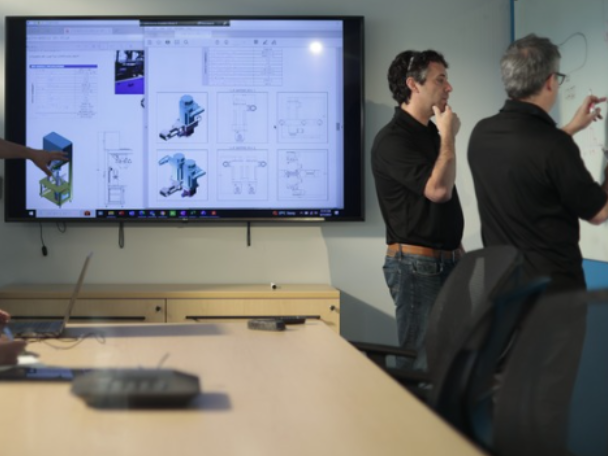
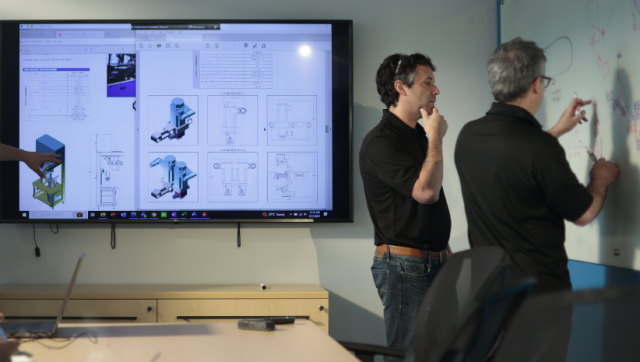
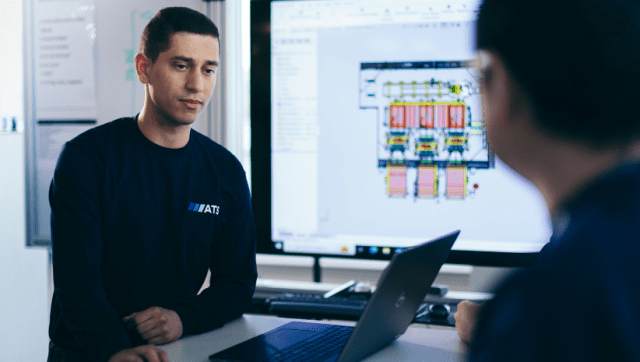
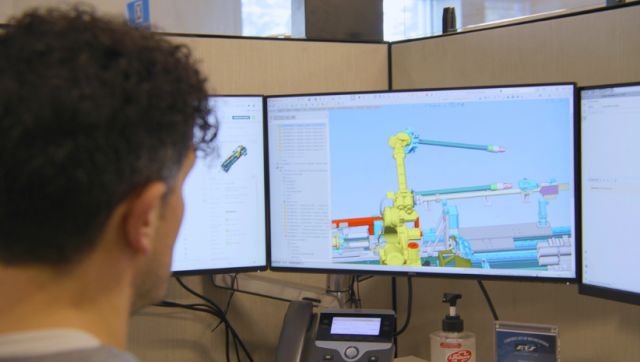
Instead of treating automation as the final step, ATS Industrial Automation engages early in the product development cycle to support design for manufacturability (DFM). This early-stage approach includes recommending changes to part geometries, part datum strategies, and cable routing that simplify automation and reduce long-term costs. A DFM mindset also helps manufacturers accelerate production while maintaining quality.
Built-In Testing and Risk Reduction for Complex Assembly
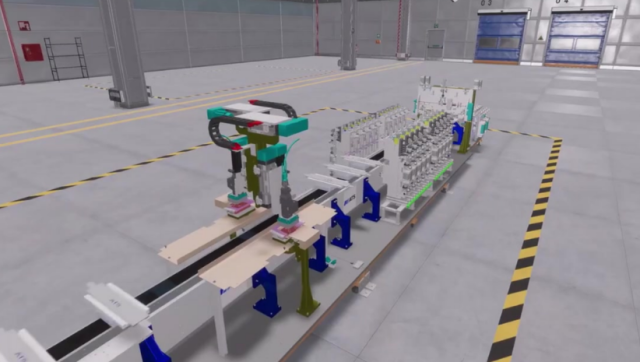
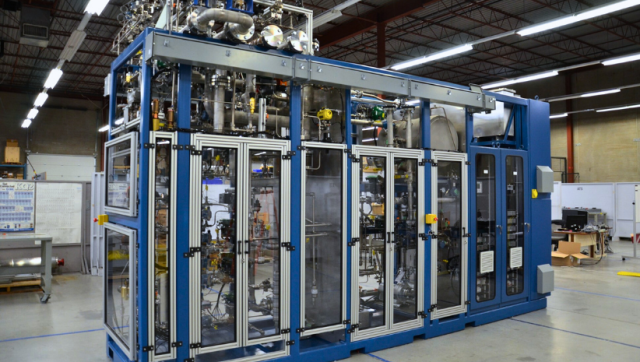
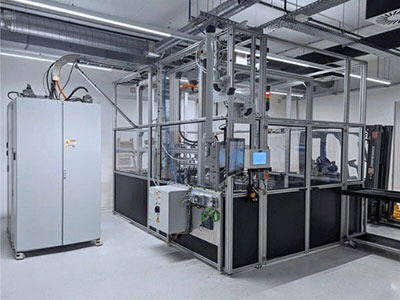
ATS integrates technologies including plasma cleaning, vision guidance, and leak testing into sealed workstations and cleanroom environments. These measures help manage surface impurities and ensure soldering integrity—both of which are critical for high-voltage applications.
Functional testing is also built into the process. ATS supports flashing, voltage checks, and communication tests, along with proactive proof of principle studies to minimize risks in complex processes like laser welding and surface mount technology.
Driving Scalability with Engineering Precision
Magnetization and alignment issues in EV powertrain assembly are not just technical hurdles—they’re barriers to high-performance production. These challenges demand more than off-the-shelf automation solutions. They require a partner with deep technical expertise, flexible automation platforms, and a collaborative engineering mindset.
ATS Industrial Automation brings these capabilities together to help manufacturers build confidence in their powertrain assembly processes. As eMobility continues to evolve, precision in automation is the key to unlocking a smooth production process and reliable products.
By working with a trusted partner to address these complex challenges through a DFM approach, manufacturers can better prepare to scale and sustain their operations.
Every automation project is unique. Allow us to listen to your challenges and share how automation can launch your project on time.

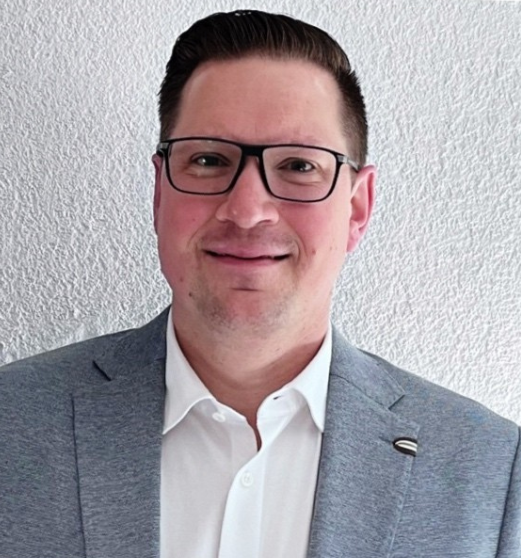
Cameron Bruce
Director of Engineering
ATS Industrial Automation
Cameron works with customers to design and optimize automation systems to build and scale production and drive operational efficiency. Cameron has helped companies across numerous industries to automate and optimize production for over 18 years.