- Industries
- Solutions
- Service
- Resources




Aerospace battery assembly requires balancing energy density, weight, safety, reliability, and long-term performance in demanding environments. Additional protection features, monitoring systems, fault-mitigation strategies, and verification requirements increase manufacturing complexity.
As a result, aerospace batteries require more extensive testing, greater production visibility, enhanced documentation, and stricter process controls than commercial batteries. ATS Industrial Automation helps aerospace manufacturers assess assembly methods, testing needs, quality strategies, and manufacturing risks before major equipment investments.
With experience from over 110 battery assembly and testing lines, ATS helps manufacturers develop battery assembly processes that ensure consistent quality, repeatable production, and adaptability to changing requirements.
Challenges in Aerospace Battery Manufacturing
Aerospace battery programs require balancing performance, safety, reliability, traceability, and manufacturability while meeting strict aerospace manufacturing requirements.

Safety Requirements Increase Manufacturing Complexity
Aerospace battery systems often require thermal protection, containment, monitoring, and fault mitigation. These features require additional assembly steps, inspections, testing, and quality controls.

Battery Technologies Continue to Evolve
Battery chemistries, packaging, and power requirements are evolving as manufacturers seek better performance, lower weight, and longer operating life. Manufacturing systems must be flexible to accommodate design changes while maintaining process control and quality.

Weight Constraints & Packaging Complexity
Aircraft often have limited space, meaning aerospace battery systems need to operate in limited spaces where the overall aircraft’s structural, thermal, electronic, and safety requirements compete for space.

Qualification & Documentation Requirements
Aerospace battery programs often involve extensive testing, documentation, traceability, and safety verification activities throughout development and production.

Long-Term Reliability Expectations
Aerospace batteries face vibration, temperature changes, transportation stresses, charging cycles, and demanding service. Manufacturers must ensure consistent performance throughout the battery’s operating life.
Aerospace Battery Assembly & Validation
ATS Industrial Automation supports aerospace battery manufacturers from cell qualification to final testing.
Pre-Automation
Address Safety and Manufacturing Risks Before Equipment Design
Manufacturing issues often only emerge during equipment development instead of product development.
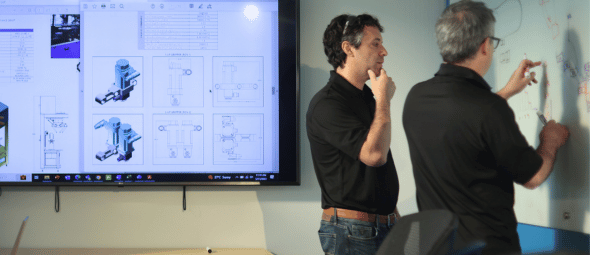
Proof-of-principle studies, manufacturability reviews, process simulations, validation planning, and manufacturing assessments help teams evaluate risks before major equipment investments.
Proof-of-principle studies, manufacturability reviews, process simulations, validation planning, and manufacturing assessments help teams evaluate risks before major equipment investments.
Cell Matching & Sorting
Establish Quality from the First Production Step
Cell-to-cell variation can affect electrical performance, balancing, charging, and overall battery reliability.
Automated testing, matching, sorting, and data systems classify cells to meet manufacturing requirements before assembly.
Battery Module Assembly
Integrate Protection Features with Confidence
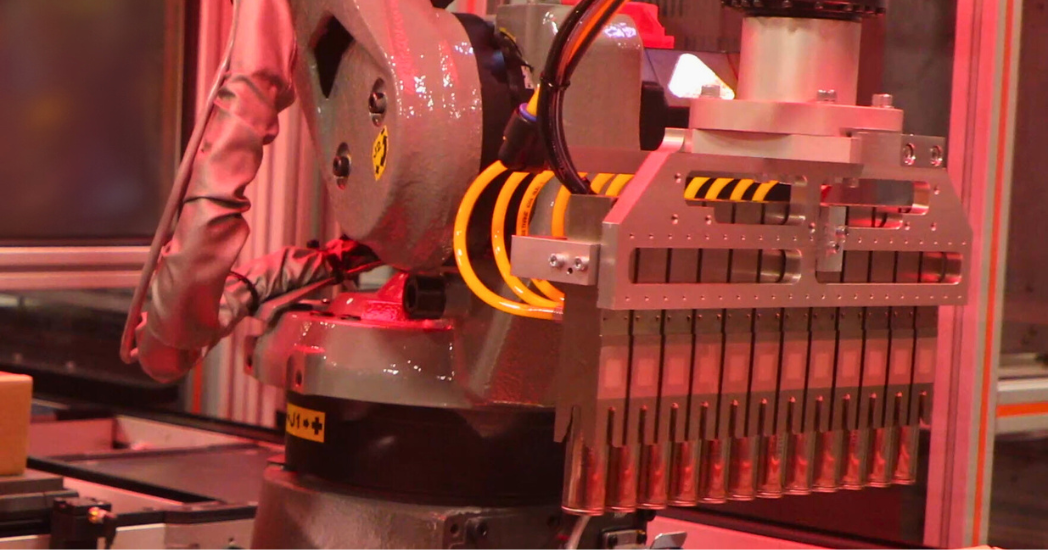
Aerospace battery systems often include thermal barriers, insulation, monitoring devices, containment, and other protective elements.
Aerospace battery systems often include thermal barriers, insulation, monitoring devices, containment, and other protective elements.

Interconnect Welding
Control Critical Electrical Connections
Aerospace battery systems require multiple electrical connections designed for reliability and fault tolerance.
Laser welding, process monitoring, machine vision, inspection, and traceability tools help maintain consistent connection quality and provide production visibility.

Battery Electronics Integration
Verify Communication and Protection Systems
Battery management systems often include sensors, communication interfaces, monitoring, protection systems, connectors, and control electronics.
Inspection, connector verification, functional testing, and electrical validation confirm correct integration before the battery advances to later manufacturing steps.

Pack Assembly & Sealing
Protect the Battery Throughout Its Service Life
Battery enclosures play a key role in environmental protection and overall reliability.
Controlled dispensing, fastening verification, inspection, leak testing, and process monitoring validate enclosure quality before final testing.
Battery Calibration & Functional Testing
Verify Performance Before Deployment
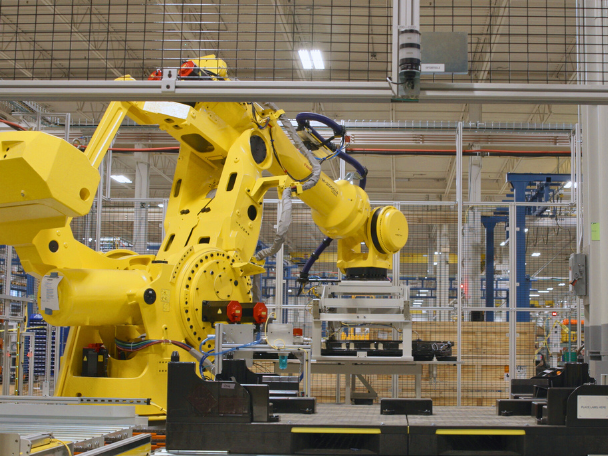
Manufacturers need confidence in communication systems, charging, battery management, protection features, and electrical performance before qualification and deployment into aerospace environments.
Calibration stations, communication testing, electrical validation, battery management verification, and automated reporting document manufacturing performance throughout production.
Environmental & Safety Testing
Evaluate Performance Under Demanding Conditions
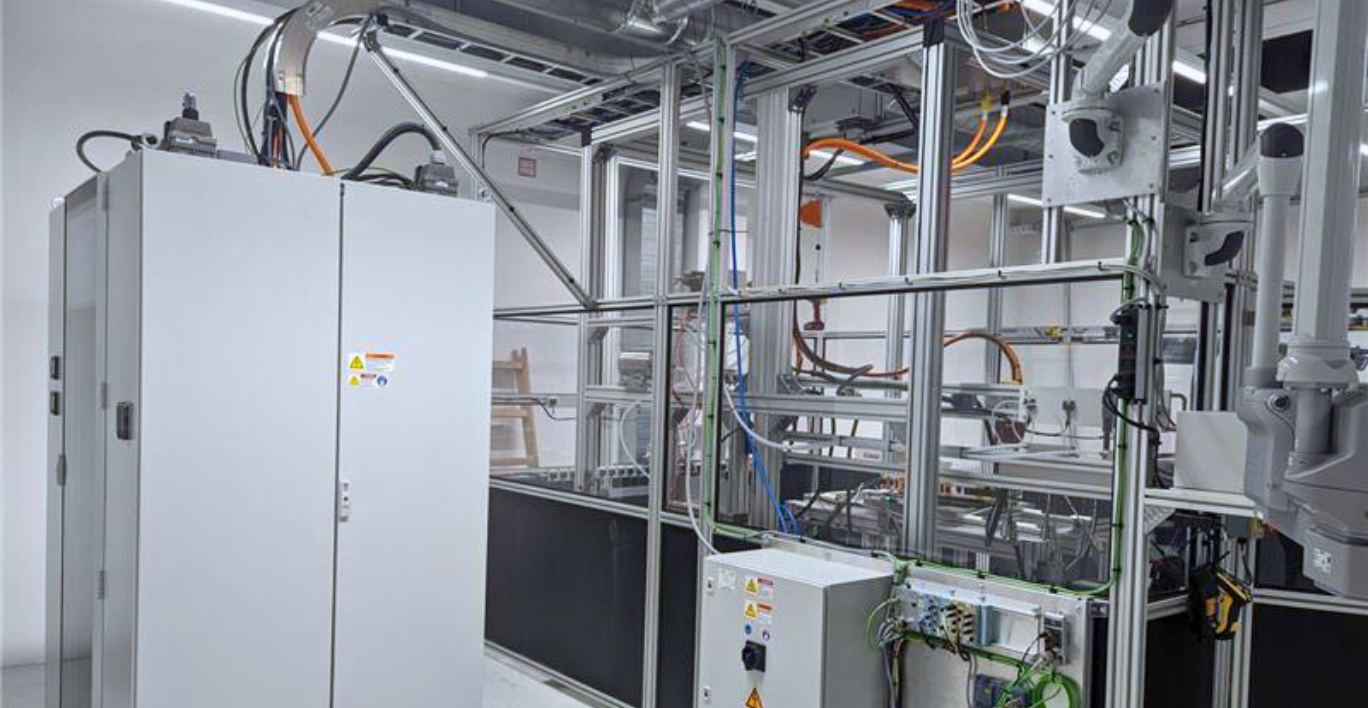
Aerospace batteries experience extreme vibration, temperature changes, transportation stresses, charging cycles, and demanding environments throughout their lifecycle.
Environmental testing, thermal evaluation, communication verification, electrical assessments, leak testing, reliability testing, and safety validation help manufacturers understand product performance before deployment.

Technology to Support Aerospace Battery Assembly & Validation
Aerospace battery manufacturing requires a coordinated approach to assembly, testing, inspection, electronics integration, and documentation. ATS connects these technologies to support quality, consistency, and long-term reliability.
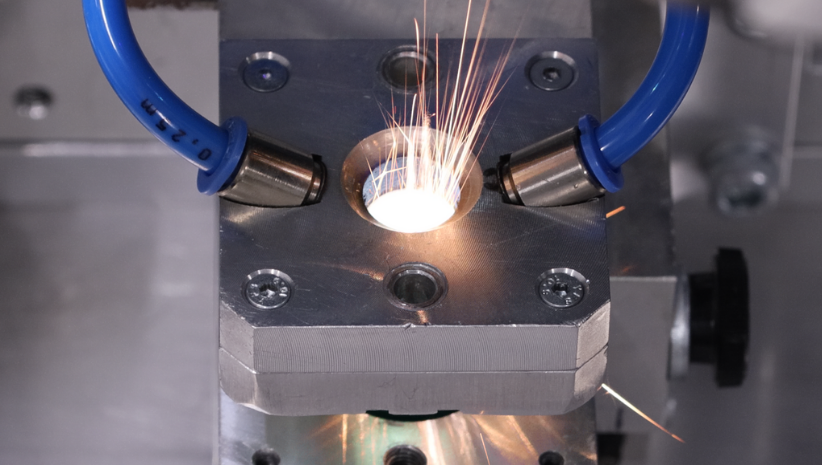
Laser Welding
Create Reliable Electrical Connections
Battery interconnects are critical to aerospace battery performance and reliability.
Laser welding supports battery tabs, busbars, electrical interconnects, and structural components. Process monitoring, inspection, and controlled material presentation establish repeatable joining and improve weld quality visibility.
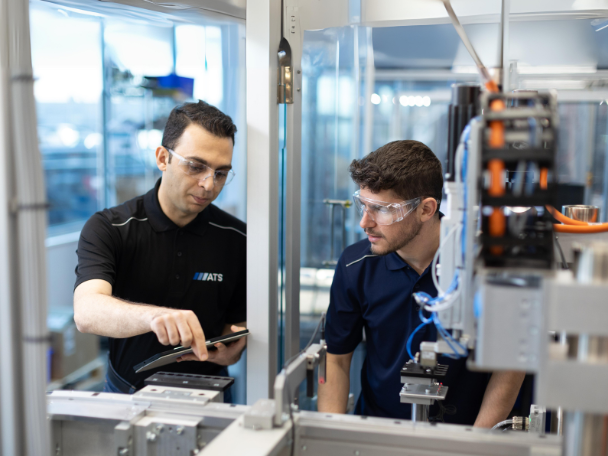
Battery Electronics Integration
Verify Communication and Protection Functions
Battery management systems often include communication interfaces, monitoring, connectors, sensors, and protection systems that require verification throughout assembly.
Inspection, testing, and error-proofing confirm electronics integration before batteries advance through production.
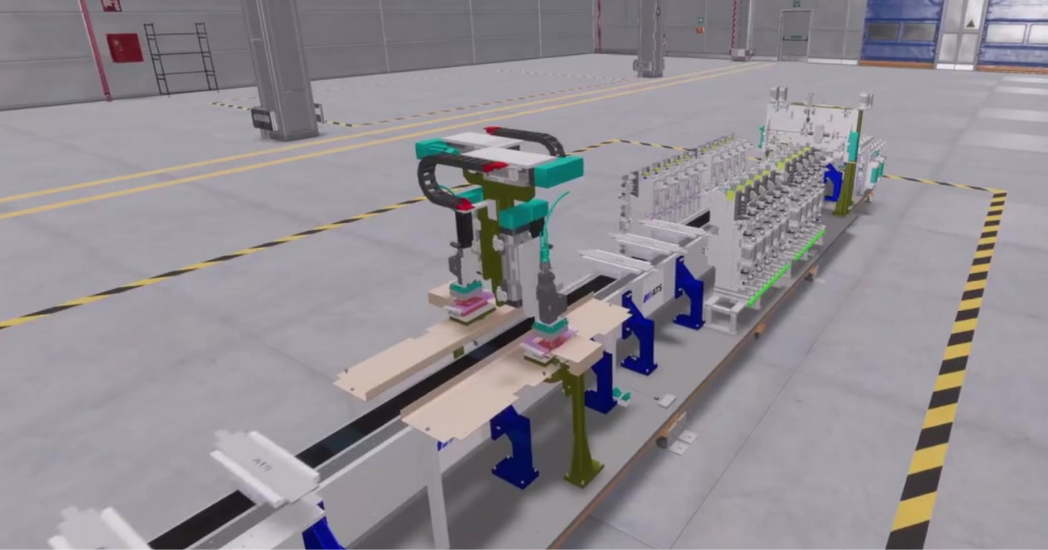
Digital Solutions
Validate Systems Before Physical Commissioning
Digital solutions enable process simulation, digital twins, virtual commissioning, production planning, and operator training. Aerospace manufactures can use virtual models to analyze equipment interactions, controls, logistics, and cycle time before physical implementation.
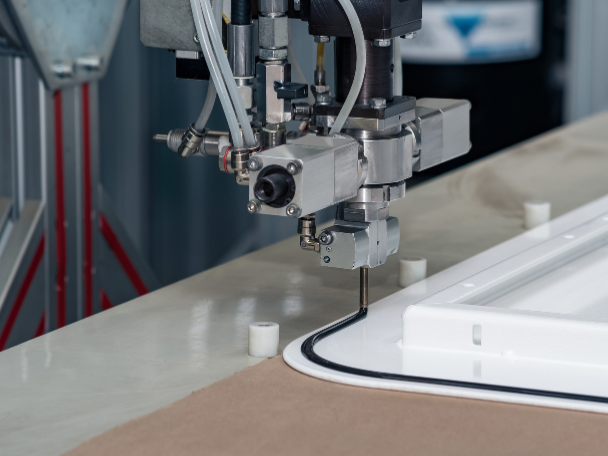
Adhesive Dispensing
Control Thermal and Protective Materials
Aerospace battery systems often use thermal interface materials, adhesives, sealants, insulation, and protective compounds.
Controlled dispensing improves material consistency and supports assembly quality and long-term reliability. Inspection systems verify material placement before additional components limit access.
Testing & Validation
Build Quality Verification Throughout Manufacturing
Aerospace battery programs require quality verification at multiple production stages, not just during final acceptance testing.
Testing strategies may include cell qualification, electrical validation, battery management verification, communication testing, leak testing, calibration, environmental testing, and final acceptance testing.
Testing data supports process visibility, documentation, and traceability throughout manufacturing.

Robotic Assembly
Improve Consistency Across Critical Processes
Robotic systems enable repeatable handling, placement, fastening, dispensing, inspection, and assembly throughout aerospace battery production.
Consistent process execution helps maintain quality while adapting to changing product requirements and production goals.

Why Aerospace Battery Manufacturers Work with ATS
ATS Industrial Automation combines battery manufacturing, automation, and testing expertise to help aerospace manufacturers prepare products and processes for qualification, production, and future growth.

Reduce Program Risk Earlier
Manufacturability reviews, proof of principle studies, validation planning, and process assessments help manufacturers evaluate assembly methods, testing strategies, and production assumptions before major equipment investments are made.

Build Quality Throughout Manufacturing
Inspection, testing, process controls, and traceability help identify concerns throughout production, reducing dependence on final verification activities, improving visibility into product quality.
Support Qualification & Verification Objectives
Qualification programs often require extensive documentation, testing records, traceability, and process verification. Connected manufacturing strategies help manufacturers establish the production evidence needed to support qualification efforts.

Connect Product Data with Manufacturing Data
Assembly records, inspection results, testing outcomes, and process parameters create a more complete understanding of both product quality and manufacturing performance throughout the battery lifecycle.
Battery Manufacturing Resources for Aerospace Programs
Aerospace battery manufacturers must balance safety, reliability, manufacturability, testing, and documentation as battery technologies evolve.

Evaluating High-Risk Manufacturing Processes Before Equipment Design
Reduce Development Risk Earlier
Aerospace battery programs involve evolving architectures, new chemistries, demanding verification, and specialized safety requirements.
Proof-of-principle (POP) studies help manufacturers evaluate joining methods, testing strategies, thermal management, assembly workflows, material interfaces, and production assumptions before major equipment investments.
Early process data provides greater visibility into manufacturing constraints and development priorities.
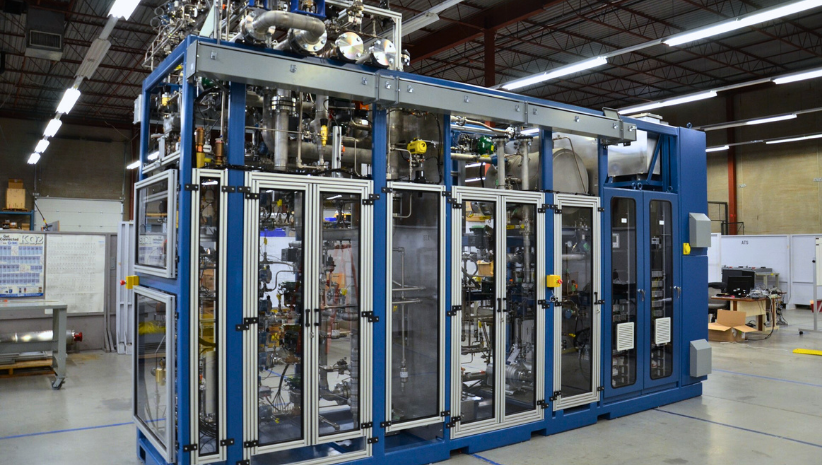
Developing a Testing Strategy for Aerospace Battery Manufacturing
Build Verification Throughout Production
Aerospace battery testing extends beyond final product acceptance. Manufacturers need to evaluate incoming cells, modules, communication systems, electronics integration, electrical performance, environmental durability, and final validation throughout production.
A structured testing strategy improves product quality, enhances manufacturing visibility, and supports qualification objectives.

Connecting Assembly, Testing, & Manufacturing Data
Improve Visibility Across the Production Process
Battery quality depends on more than individual operations. Assembly methods, testing, inspection results, and production data help you understand product performance and control processes.
Connected manufacturing data helps engineering and quality teams investigate concerns, support qualification, and improve production knowledge throughout the battery lifecycle.
Plan Your Aerospace Battery Manufacturing Strategy
Whether you’re developing a new aerospace battery, evaluating qualification requirements, or preparing for future production growth, early manufacturing input clarifies assembly methods, testing strategies, validation needs, documentation, and production risks.
Discuss your battery design, manufacturing goals, and program requirements with ATS Industrial Automation to identify practical next steps for a scalable aerospace battery assembly strategy.
