- Industries
- Solutions
- Service
- Resources




Humanoid robot battery assembly poses unique manufacturing challenges. Battery systems must fit within compact spaces while supporting mobility, balance, operational needs, and service objectives. As manufacturers scale from prototypes to higher volumes, assembly processes require increased consistency, traceability, and production readiness.
ATS Industrial Automation partners with robotics manufacturers to develop battery assembly processes aligned with battery design, cell format, quality standards, and production goals.
With experience from over 110 battery assembly and testing lines, ATS helps manufacturers assess cell handling, joining, thermal management, electronics integration, testing, and material flow before these factors impact production equipment or launch schedules.
Address Humanoid Robot Battery Manufacturing Risks Before Production
Humanoid battery programs often involve evolving products, compact architectures, new manufacturing requirements, and ambitious production targets. Early development decisions significantly impact future quality, scalability, and manufacturing flexibility.

Evolving Battery & Robot Designs
Robotics platforms are often evolving as product teams refine mechanical systems, electronics, operating requirements, and service strategies. Battery dimensions, cell formats, thermal systems, mounting features, connectors, and enclosure designs frequently change alongside product development.
Changes made after equipment design begins can often impact tooling, schedules, budgets, and manufacturing processes.

Limited Space & Weight Requirements
Humanoid robot batteries must fit within limited spaces without compromising movement, balance, serviceability, or structural integrity.
These constraints affect cell arrangement, module architecture, thermal management, electrical routing, and enclosure design during assembly.

Cell Handling & Presentation
Cells require identification, inspection, validation, sorting, and controlled handling before assembly begins.
Manufacturers require strategies for unpacking, repitching, buffering, tray management, and presenting cells to automated assembly without compromising quality.

Detecting Quality Concerns Earlier
The cost of quality issues increases as more material, labor, and assembly processes are added.
Identifying cell, weld, connection, or dispensing issues before final pack assembly simplifies containment and corrective actions.

Precision Joining in Compact Assemblies
Closely spaced electrical connections limit working space for joining operations.
Consistent positioning, controlled heat input, inspection, and verification ensure reliable electrical connections in compact battery designs.

Scaling Prototype Processes
Early humanoid battery programs often rely on manual assembly methods. As production volumes grow, manufacturers must determine which processes remain manual and which require automation, validation, or standardization.
Connected Humanoid Robot Battery Assembly from Incoming Cells to Final Testing
Humanoid robot battery assembly requires coordinated decisions on material flow, validation, joining, testing, traceability, and automation.
ATS supports manufacturers throughout the battery assembly process, helping teams assess manufacturing risks and prepare for future production growth.
Pre-Automation
Validate Product Design and Manufacturing Requirements
Humanoid robots, battery systems, and manufacturing strategies often evolve simultaneously.
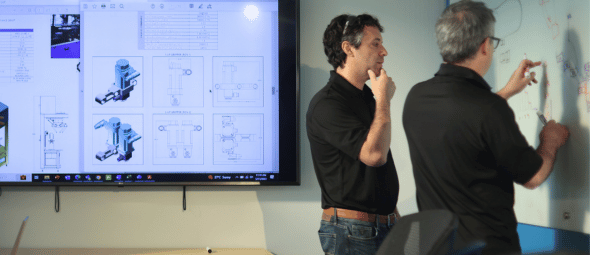
Design-for-manufacturability reviews, proof-of-principle studies, simulation, risk assessment, and validation planning help manufacturers identify key challenges before equipment design begins.
Learn how pre-automation activities help manufacturers evaluate manufacturability and process risks before major equipment decisions.
Cell Receiving & Traceability
Control Cell Identity and Condition from the Start
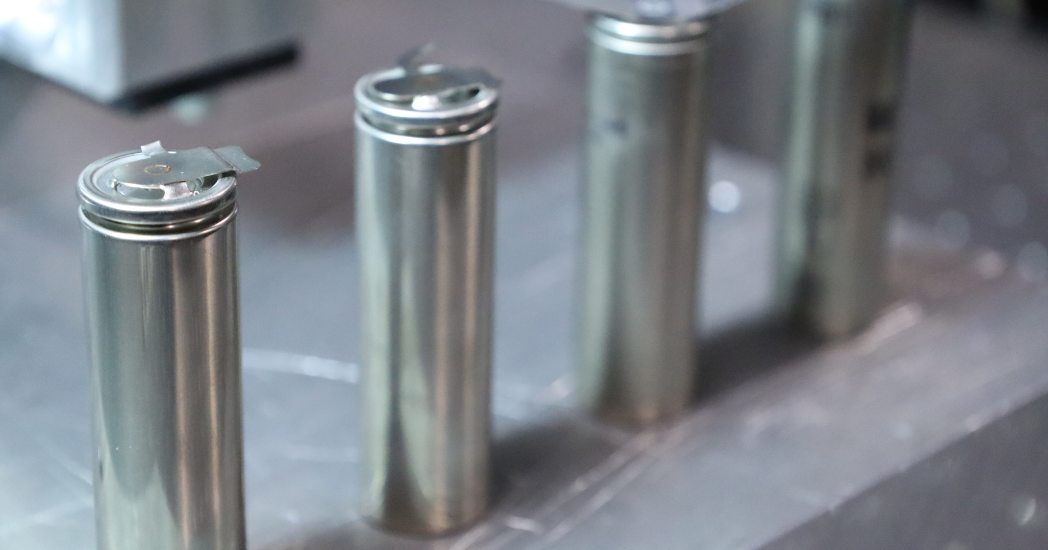
Incoming cells require identification, inspection, controlled handling, and production data management before assembly.
Barcode, RFID, machine vision, and automated material handling systems maintain traceability and support efficient production flow.
Cell Testing & Matching
Evaluate Cell Quality Before Assembly
Electrical performance and dimensional variation affect downstream battery performance.
Automated testing and inspection enable manufacturers to evaluate incoming cells and support sorting and matching strategies aligned with battery design.
Battery Module Assembly
Build Compact Battery Modules with Greater Consistency
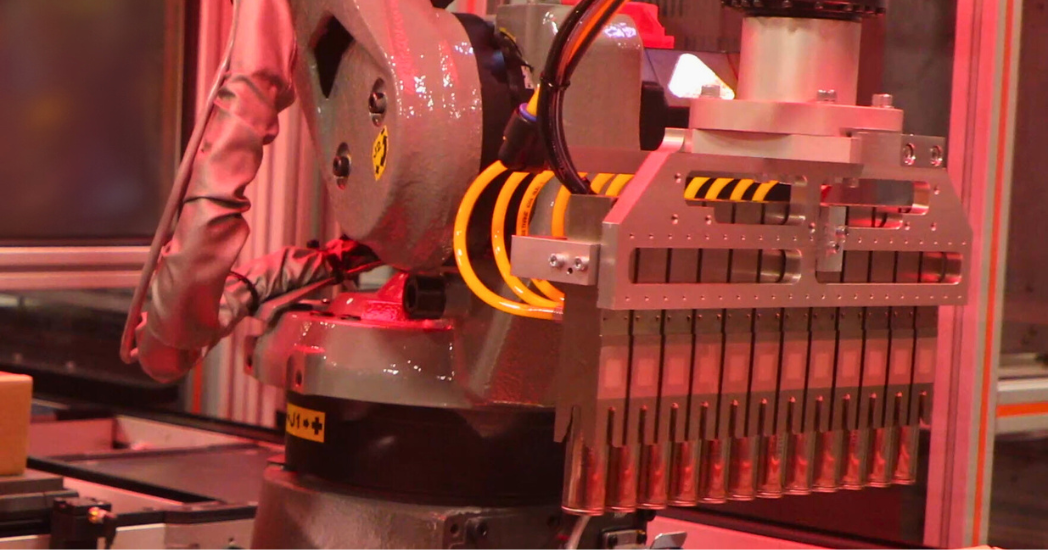
Battery module assembly integrates cells, structural components, electrical interfaces, thermal materials, and compression systems within a controlled space.
Automated handling, inspection, fastening, adhesive application, and configurable tooling help manufacturers maintain consistency as designs evolve.
Interconnect & Busbar Welding
Create Repeatable Electrical Connections in Limited Space
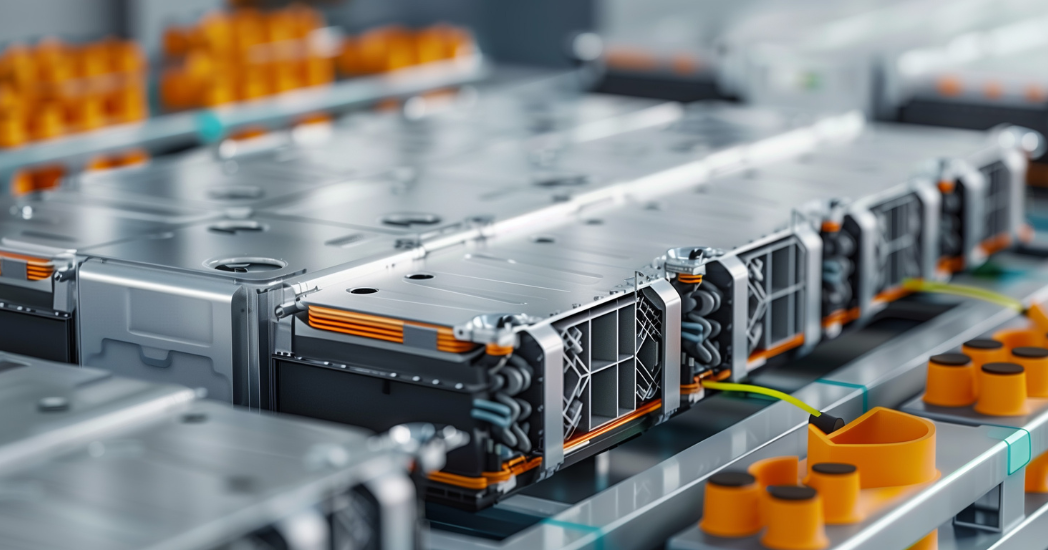
Electrical interconnects link individual cells and modules throughout the battery architecture.
Laser welding, precision fixturing, inspection, and process monitoring help manufacturers establish joining processes for compact battery designs.

Thermal Management Integration
Support Battery Reliability Through Controlled Assembly
Thermal interface materials, cooling components, insulation systems, and temperature monitoring contribute to battery performance.
Automated dispensing, inspection, process monitoring, and leak testing help manufacturers maintain assembly consistency and support thermal system quality.
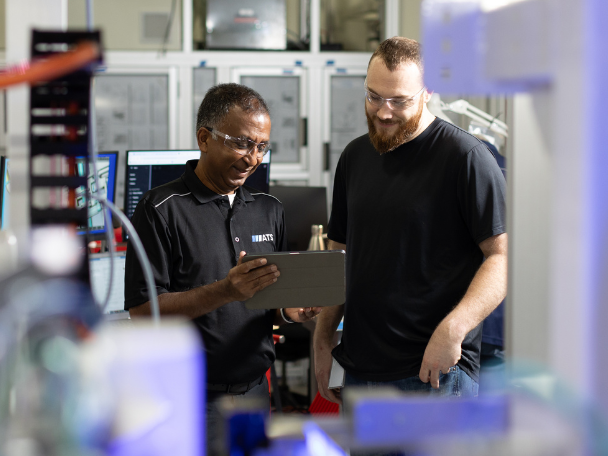
Battery Management System Integration
Integrate Electronics, Sensors, and Communications
Battery management systems coordinate operation, monitoring, communication, and protection functions.
Assembly and testing processes verify component placement, wiring, communication pathways, and electrical functionality before final pack integration.
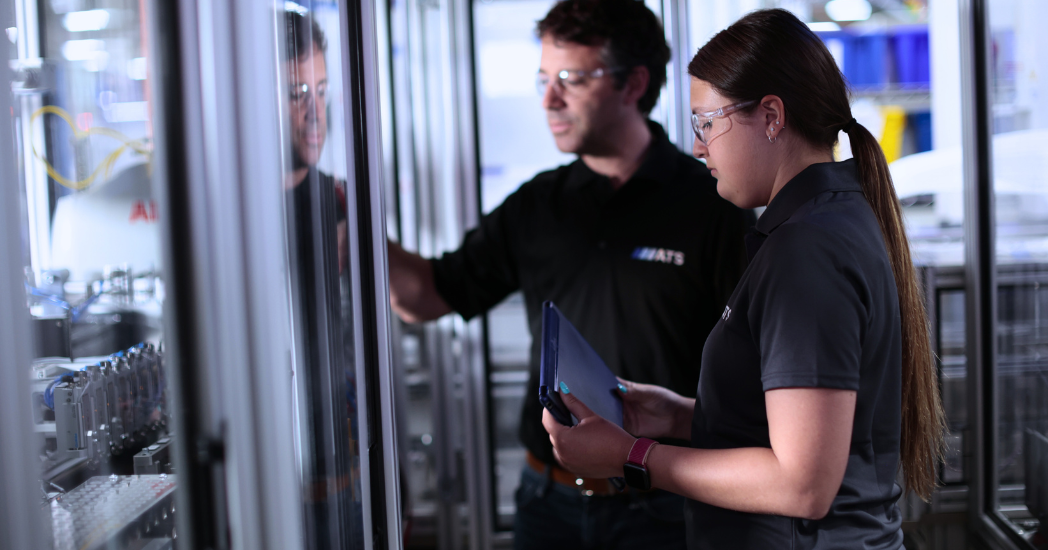
Pack Enclosure Assembly
Protect the Battery Without Compromising Access or Quality
Battery enclosures secure internal components and provide interfaces for robot integration and serviceability.
Configurable tooling, controlled fastening, dispensing, inspection, and leak testing support repeatable assembly as battery designs mature.
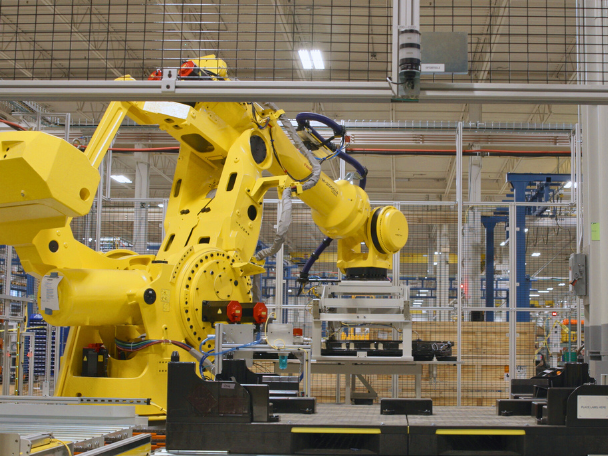
End-of-Line Functional Testing
Verify Battery Performance Before Robot Integration
Functional testing confirms that the completed battery meets product design requirements.Testing strategies may include communication verification, open-circuit voltage, isolation testing, current validation, internal resistance measurement, leak testing, charge and discharge testing, and HiPot testing.

Technology That Supports Humanoid Robot Battery Assembly
Humanoid robot battery manufacturing requires more than assembly equipment. As products evolve and production volumes grow, manufacturers need integrated systems for identification, material handling, joining, inspection, testing, and traceability.
Testing & Validation
Build Quality into the Production Process
Testing supports product development, incoming cell validation, process verification, module assembly, and finished battery packs. Early detection of quality concerns reduces scrap, simplifies root-cause analysis, and improves manufacturing efficiency.
ATS works with battery manufacturers to define testing approaches, product interfaces, software requirements, data collection needs, and production strategies that align with both product development and manufacturing goals.
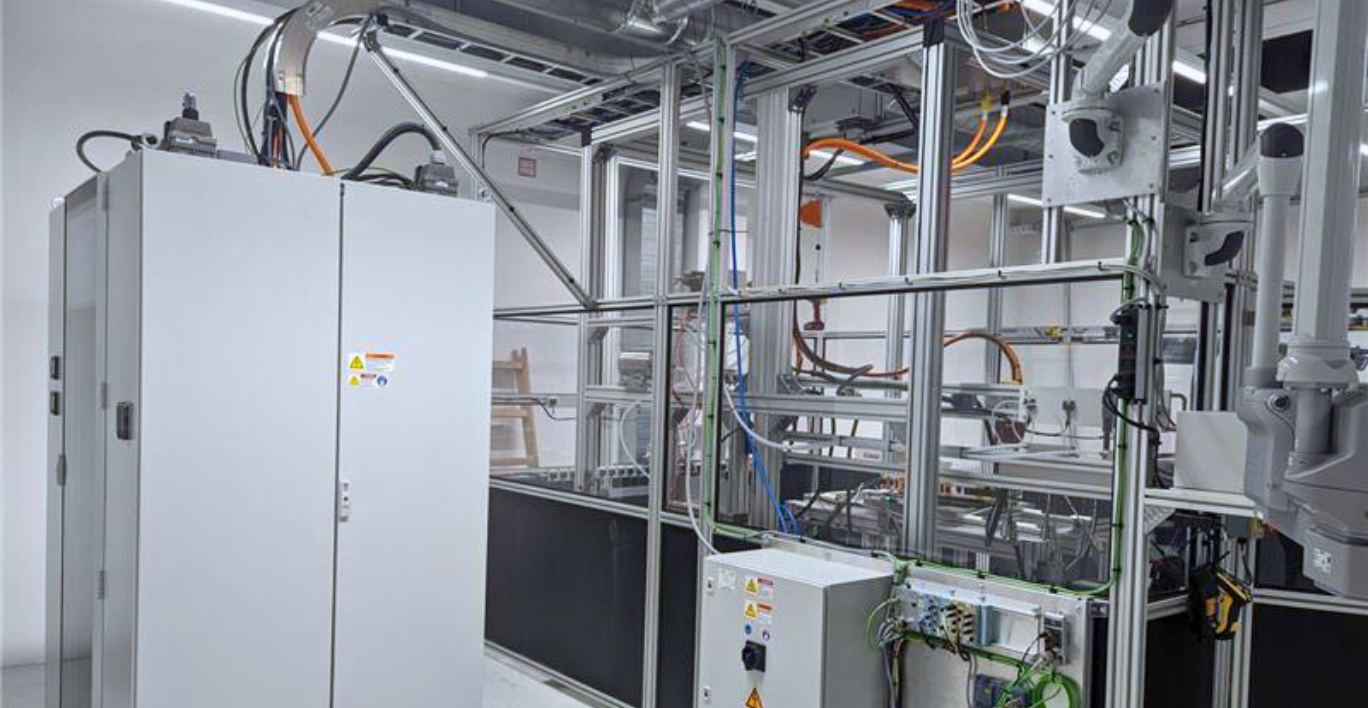
Digital Solutions
Validate Systems Before Physical Commissioning
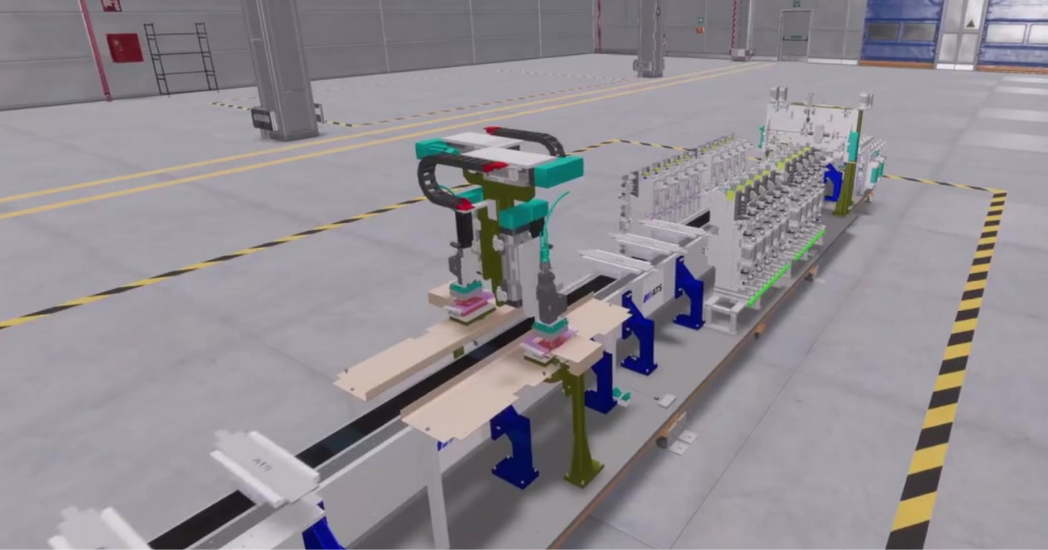
Digital solutions enable process simulation, digital twins, virtual commissioning, production planning, and operator training. Humanoid robot manufactures can use virtual models to analyze equipment interactions, controls, logistics, and cycle time before physical implementation.
Barcode & RFID Scanning
Maintain Traceability Throughout Battery Assembly
Battery traceability starts with incoming cells and continues through module assembly, pack integration, testing, and final release. Barcode and RFID systems connect cells, modules, components, and finished batteries to a unified production record.
For programs with evolving designs and multiple variants, digital identification maintains configuration control and supports recipe management throughout production.

Robotic Assembly
Support Precision and Repeatability
Robotic systems support cell presentation, component placement, adhesive application, handling, loading, and battery pack integration. Repeatable motion and configurable tooling help manufacturers maintain consistency during ongoing product revisions.
As humanoid robot manufacturers move from prototypes to higher volumes, assembly workflows, material movement, testing requirements, and automation strategies become closely linked. Flexible robotic systems help teams adapt as battery designs and manufacturing needs mature.

Vision Systems
Monitor Critical Processes and Inspect Every Assembly
Vision systems verify cell identity, orientation, dimensions, placement, connector engagement, busbar alignment, weld quality, dispense coverage, and final assembly completeness.
Inspection results create quality checkpoints throughout production, helping manufacturers identify concerns before additional components and processes increase costs. Connected vision data also supports traceability and process improvement.
For compact humanoid battery designs, early planning of inspection requirements is important because enclosed assemblies and restricted access can limit inspection opportunities later in manufacturing.

Laser Welding
Control High-Value Electrical Joining Processes
Laser welding joins battery tabs, busbars, interconnects, module structures, and enclosure components throughout assembly.
Reliable joining requires stable material presentation, accurate positioning, controlled gap management, and process verification. Process development, monitoring, inspection, and precision motion help manufacturers establish welding processes for compact battery designs before production volumes increase.

Adhesive Dispensing
Support Structural Integrity and Thermal Performance
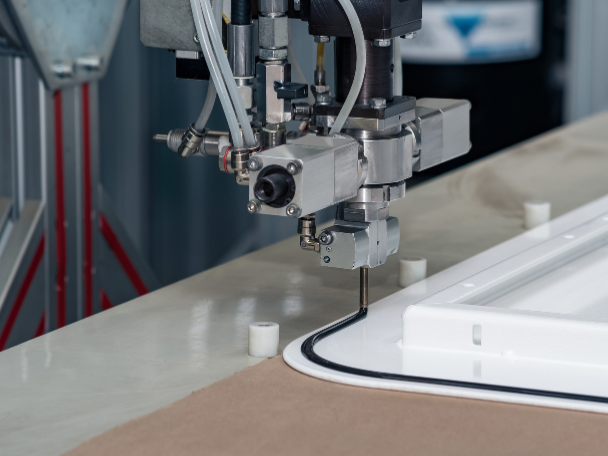
Humanoid battery assemblies often require adhesives, sealants, thermal interface materials, gasketing, and potting compounds. Consistent material placement supports assembly quality and battery performance.
ATS integrates dispensing equipment, robotics, inspection systems, and process monitoring to help manufacturers evaluate material behavior, assembly access, cycle times, and quality requirements before final equipment decisions.
Why Humanoid Robotics Manufacturers Work with ATS
ATS combines battery manufacturing experience, process development, testing, and automation expertise to support humanoid battery programs from prototype to production readiness.

Evaluate Manufacturing Requirements Earlier
Collaborating with product and manufacturing teams early in development helps identify assembly, testing, handling, thermal management, and quality considerations while changes are easier to implement.
Reduce Scale-Up Risk
Proof-of-principle studies, simulation, validation planning, and prototype processes help manufacturers gather production data before major equipment investments.

Detect Quality Concerns Earlier
Inspection, testing, validation, and traceability identify concerns before batteries reach more complex assembly stages.
Support Product Evolution & Production Growth
Flexible tooling, modular systems, and configurable automation help manufacturers adapt as battery designs and production needs evolve.
Connect Assembly, Testing & Traceability
Integrated data, inspection, testing, and manufacturing systems provide greater visibility into battery quality during production.
Battery Manufacturing Resources for Humanoid Robotics Teams
Humanoid battery development requires manufacturers to evaluate manufacturability, testing strategies, cell selection, thermal management, and production scalability as the product evolves. The following resources address common manufacturing challenges during battery development and production planning.

Mitigating Battery Assembly Risk During Product Development
Validate Critical Manufacturing Processes Earlier
Humanoid battery programs often feature compact designs, evolving requirements, and tight production timelines that limit late-stage process changes. Proof-of-principle studies help manufacturers evaluate joining processes, thermal interfaces, cell handling methods, testing approaches, and assembly workflows before equipment design begins.
Early process data helps teams determine which operations are ready for automation and which require further product or process development.

Exploring Cylindrical Battery Assembly and Testing
Evaluate Manufacturing Considerations for Cylindrical Cell Designs
Many humanoid battery programs use cylindrical cell architectures for high energy density and flexible packaging. Manufacturing teams must still address cell variation, handling, spacing, welding, testing, and thermal management during assembly.
Understanding these considerations early helps manufacturers make informed decisions about automation, material flow, and quality control.
Battery Assembly Testing Systems
Develop a Testing Strategy from Incoming Cells Through Final Packs
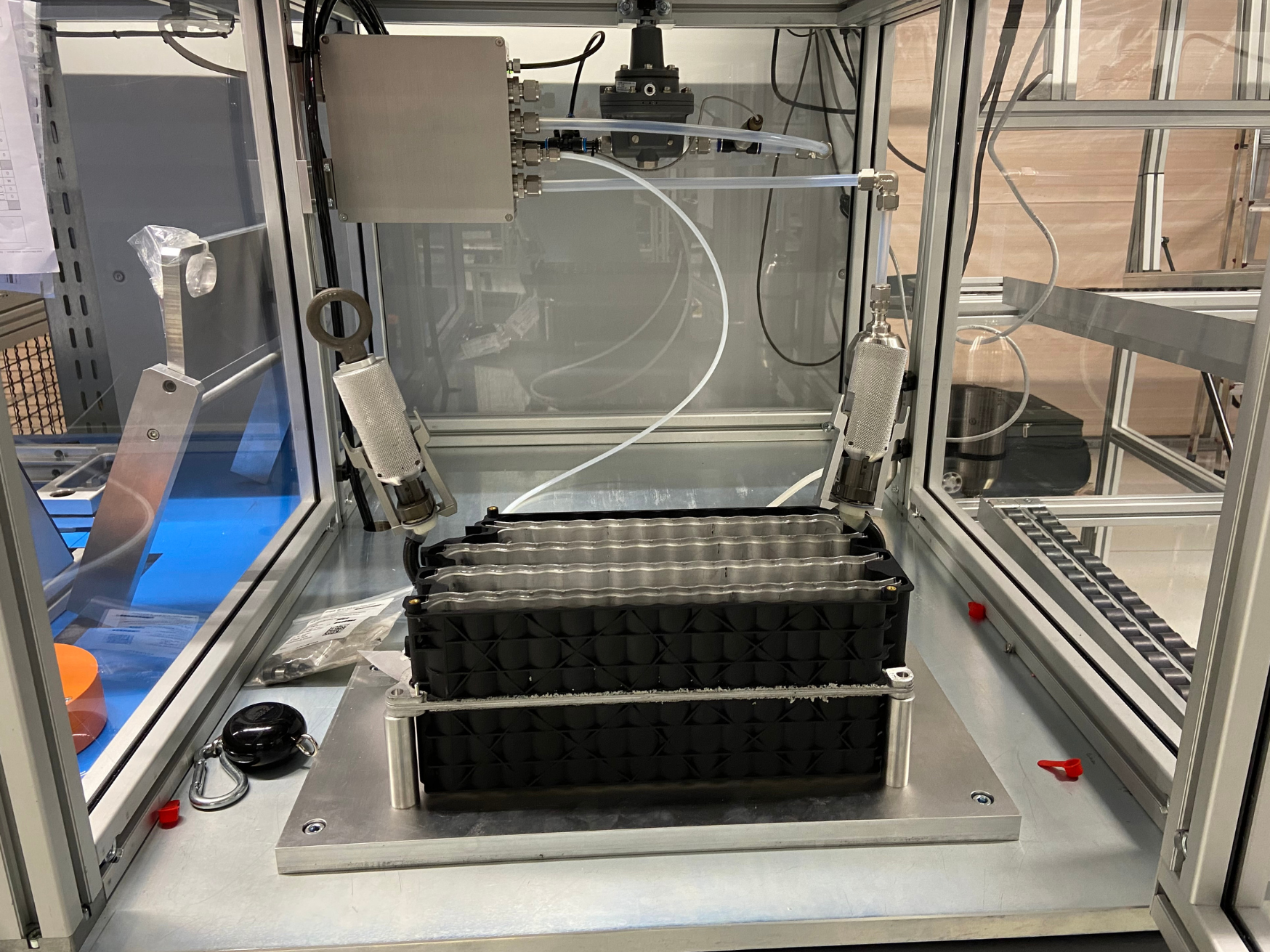
Battery testing begins with incoming cells and continues through module assembly, pack assembly, and end-of-line validation. Testing requirements may include electrical validation, communication testing, leak testing, isolation testing, and final functional verification.
For humanoid battery programs, early testing discussions help define product interfaces, quality requirements, production data needs, and traceability objectives before finalizing manufacturing systems.
Plan Your Humanoid Robot Battery Manufacturing Strategy
Discuss your product requirements, manufacturing goals, and battery architecture with ATS Industrial Automation to identify practical next steps for a scalable humanoid robot battery assembly strategy.
