

Asset productivity is a universal priority for manufacturers. According to a 2023 McKinsey survey, 99% of respondents had undertaken a maintenance transformation in the past five years, and 84% were already adopting preventive maintenance approaches for critical assets.
Yet despite these efforts, challenges persist—62% of companies report above-inflation increases in maintenance costs, even with modern tracking systems in place. Labor shortages intensify the issue: 73% struggle to recruit maintenance technicians, and only 55% have formal systems for knowledge sharing, increasing the risk of losing critical expertise when staff retire or move on.
These realities underscore a pressing need for a holistic strategy—one that combines risk-based planning, preventive technologies, and collaboration with an automation partner to optimize asset performance, control costs, and ensure long-term resilience.
Strategic Asset Management for Cost Control
Effective asset management begins with informed investment decisions. Manufacturers can enhance their approach by working with an experienced automation partner to implement a systematic, data-driven process that prioritizes resources based on risk and business objectives.
Risk-Based Investment Methods
- Conduct comprehensive risk assessments to evaluate asset criticality and failure impact.
- Prioritize investments for high-risk, high-impact assets to minimize operational disruptions.
This approach ensures resources are allocated where they deliver the greatest value, aligning asset management with organizational goals.
Data-Driven Approaches
- Leverage analytics to guide decisions and predict asset performance trends.
- Align investments with risk mitigation strategies and long-term business objectives.
By combining risk analysis with data insights, manufacturers can make smarter, more targeted asset management decisions.
Optimizing Capital Expenditure
A robust asset management strategy helps manufacturers optimize investments in new capital equipment, preventing reactive decisions and ensuring investments address real needs. This involves:
- Comprehensive planning: Assess the current asset portfolio to identify redundancies, gaps, and areas for improvement.
- Lifecycle management: Extend equipment life through proactive maintenance, upgrades, or retrofits, reducing the frequency of costly replacements.
- Preventive upkeep: Implement data-driven maintenance programs to minimize downtime and repair costs.
- Risk management: Address potential risks such as technological obsolescence, regulatory compliance, and supply chain disruptions to guard against unforeseen challenges.
By integrating these practices, manufacturers can allocate resources efficiently, maximize ROI, and maintain competitiveness no matter how the market shifts.
Collaboration for Smarter Investment Planning
Partnering with an automation partner enhance investment effectiveness by ensuring asset management decisions are based on accurate technical knowledge. These experts can provide insights on maintenance best practices, upgrade options, and parts availability. Meanwhile, comprehensive service agreements give manufacturers a roadmap for cost predictability, compliance, and access to certified components.
Lifecycle Cost Analysis
Adopting a lifecycle cost analysis perspective is essential for making informed asset management decisions. This approach goes beyond upfront costs and considers the total cost of ownership over an asset’s lifespan, including maintenance expenses for routine and preventive care, energy consumption and operational efficiency, and disposal and environmental impact at end-of-life.
By evaluating these factors, manufacturers can determine the most cost-effective timing for upgrades or replacements, ensuring each investment aligns with short-term financial goals and long-term sustainability objectives.
Leveraging Technology for Proactive Maintenance
Preventive maintenance is a cornerstone of total plant performance, enabling manufacturers to anticipate issues before they escalate and cause major production disruptions.
Condition Monitoring
Sensors, Internet of Things (IOT) devices, and real-time data provide visibility into asset health, allowing for quick interventions that save valuable time and resources.
Preventive Analytics
These metrics detect early warning signs of equipment failure, providing real-time insights that help reduce downtime and extend asset lifespan through timely maintenance.
Impact on Cost Control
Proactive maintenance minimizes emergency repairs and unplanned outages, optimizing asset management investments and improving overall plant efficiency.
Risk Management: Safeguarding Plant Performance
A structured risk management process helps manufacturers identify and mitigate potential threats to asset reliability and production continuity. A comprehensive risk assessment forms the foundation for this work. Which equipment has the highest impact on production? What operational, financial, and safety risks arise from downtime?
This assessment helps manufacturers understand all risks and develop targeted mitigation strategies—including contingency planning with recovery roadmaps and backup systems and integrating environmental, health, and safety (EHS) considerations.
Technology-Driven Risk Management
Manufacturers can also leverage advanced tools to sustain production and maintain plant goals, including:
- Industrial Internet of Things (IIoT) sensors and analytics for early anomaly detection.
- Machine learning algorithms to predict failure patterns and optimize maintenance schedules.
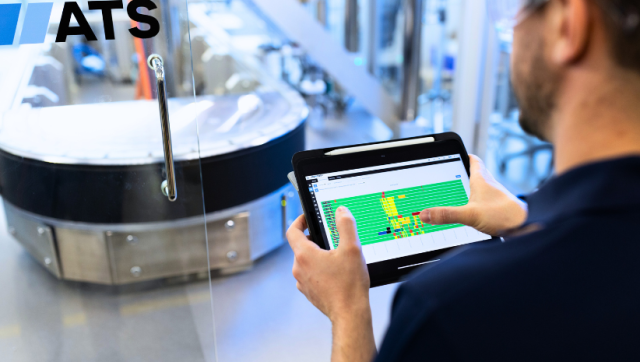
- Digital platforms like Illuminate™ Manufacturing Intelligence for actionable insights and risk visibility across the plant.
By working with an automation partner to embed risk management into asset strategies, manufacturers can transform uncertainty into a controlled, measurable process that enhances operational resilience, , improves decision-making through detailed insights, and reduces downtime.
Improving Asset Performance
Enhancing asset performance is more than risk management. It also requires a combination of technology, process optimization, and workforce development, including:
- Continuous improvement: Analyze operational data to identify inefficiencies and refine workflows.
- Employee training: Equip personnel with technical skills for effective system utilization and troubleshooting.
- Industry 4.0 integration: Adopt IoT, AI, and connectivity solutions for smarter, more agile operations.
These technologies enable data-first decisions, remote monitoring, and rapid response to issues. By embracing these strategies, manufacturers can maximize the value of their assets and maintain peak operational efficiency.
Integrating Environmental, Health, and Safety (EHS) into Asset Management
EHS considerations are also integral to responsible asset management. Key practices include:
- Risk assessment: Identify potential environmental impacts, health hazards, and safety risks associated with each asset.
- Preventive measures: Implement maintenance strategies to prevent leaks, emissions, and hazards.
- Employee instruction: Provide comprehensive training on safety protocols, emergency response, and equipment handling.
- Regulatory compliance: Align asset management plans with EHS standards to ensure compliance and demonstrate corporate responsibility.
Integrating EHS not only protects employees and the environment, it also strengthens operational resilience and long-term competitiveness.
Building a Future-Ready Plant
Respondents to the 2023 McKinsey survey rated their readiness for digital asset productivity at 7.6 out of 10, signaling strong momentum toward modernization. But achieving total plant performance requires a holistic asset management strategy combining risk-based planning and preventive technologies.
By working with an experienced automation partner on total plant performance, manufacturers can better address risks and future-proof operations—reducing costs, improving reliability, and positioning themselves for long-term success.
Ready to optimize your plant performance? Contact us today.
Every project is unique. Allow us to listen to your challenges and share how automation can launch your project on time.

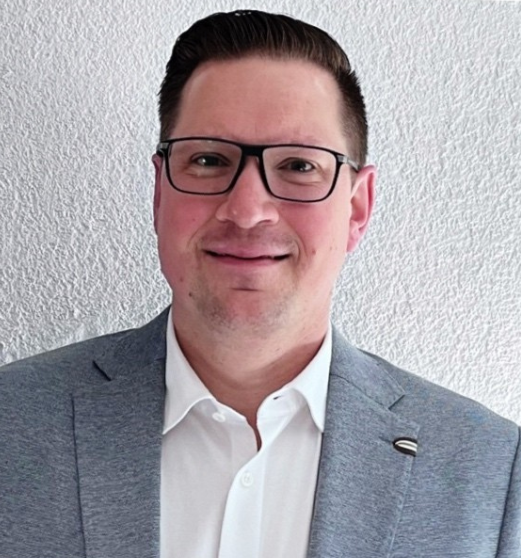
Mike Stovin
Director, Service and Enterprise Programs
ATS Industrial Automation
For more than 15 years, Mike has helped manufacturers minimize downtime and extend equipment life through advanced automation services. By combining preventive maintenance strategies with tailored service plans, Mike enables production teams to improve operational efficiency and protect critical assets.