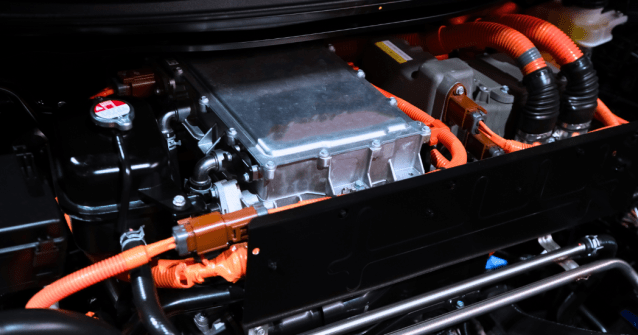


In powertrain assembly, surface cleaning is not a finishing touch, it’s a foundational process that determines whether components will perform reliably under thermal, electrical, and mechanical stress. Contaminants such as machining oils, dust, burrs, and oxidation can compromise solder joints, interfere with heat dissipation, and degrade electrical conductivity.
As electric vehicle (EV) powertrain systems evolve toward more complex designs, the margin for error shrinks—leading to an even greater need for integrated cleaning systems and automated inspection solutions.
Challenges in Powertrain Surface Preparation
Manufacturers face several challenges when preparing surfaces for bonding, soldering, or coating. Residual contamination from machining, shipping, or handling can interfere with solder adhesion and thermal transfer. Burrs or surface irregularities can cause misalignment, fluid disruption, and premature wear. Safety and environmental concerns around solvent use and waste can also complicate process design, and different cleaning methods across complex surfaces or materials can create additional rework or inconsistencies.
Ultimately, these issues can greatly impact process quality and performance, where high-voltage components must maintain electrical integrity across thousands of thermal cycles.
Cleaning Technologies: Matching Method to Material
To avoid costly redesigns, production holdups, and part failures, manufacturers must choose the right cleaning method based on component geometry or material, contamination risks, and downstream requirements. Each technology offers distinct advantages and limitations.
Solvent-Based Cleaning
Solvent cleaning dissolves oils, greases, and organic residues. It’s effective but requires careful handling due to volatility and environmental regulations. Vapor degreasing and immersion cleaning are common for metal parts. To mitigate health risks and solvent losses, manufacturers must manage this approach with enclosed systems and ventilation.
Aqueous Cleaning
Water-based systems use surfactants, corrosion inhibitors, and emulsifiers to remove ionic and particulate contaminants. This option is suitable for precision parts and environmentally regulated facilities. However, aqueous cleaning requires costly water treatment systems, as well as time to properly dry components.
Mechanical Cleaning and Deburring
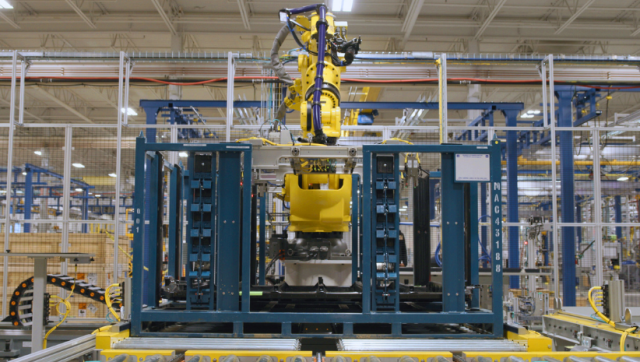
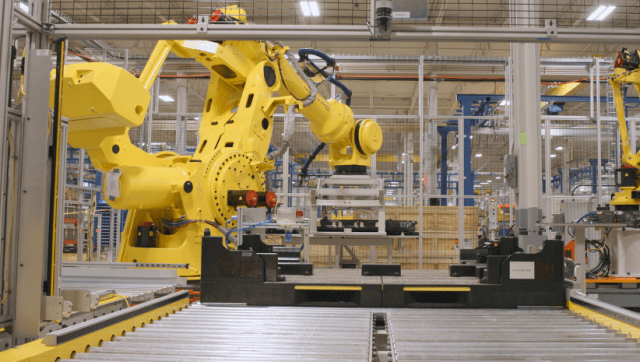
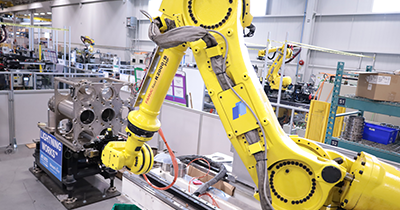
Abrasive blasting, brushing, and ultrasonic cleaning can help remove tightly adhered particles and burrs. Mechanical cleaning is ideal for components like camshafts, crankshafts, and transmission cases. Automated deburring with ceramic fiber brushes or abrasive blasting can ensure consistent surface quality and reduce manual rework.
Sandblasting and Ion Cleaning
This approached is commonly used in electronics and inverter components to remove oxides and improve surface adhesion. Sandblasting reduces surface impurities and improves bonding strength, while ion cleaning reduces static charge and removes fine particles without placing stress on mechanical functions.
Plasma Cleaning
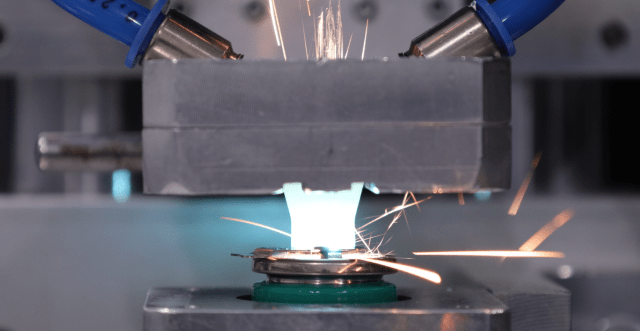
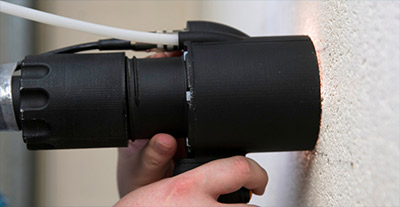
This dry process is ideal for sensitive electronics, like inverters or other powertrain components. It removes microscopic contaminants and increases surface energy, improving solder adhesion and bonding without introducing moisture or chemicals. An experienced automation partner will often integrate plasma cleaning into inverter assembly lines to prepare copper pads for soldering. Other benefits of this approach include reducing the risk of cold joints and delamination, increasing consistent electrical and thermal conductivity, and supporting high-voltage integrity during testing.
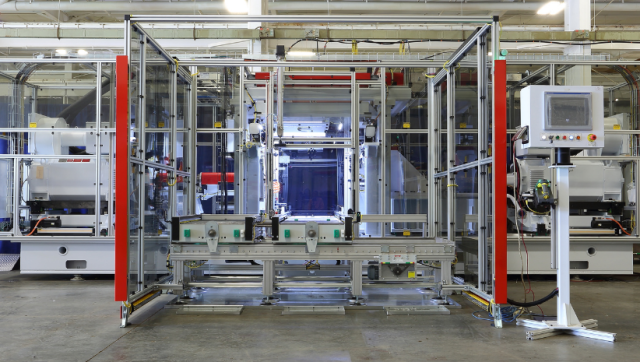
No matter the method used, teams must perform cleaning operations in sealed workstations or cleanroom environments to minimize particulate contamination and ensure repeatability.
Design and Process Integration Considerations
Designing for cleanability reduces rework, improves yield, and supports long-term reliability—and it is most effective when it is integrated early in the production process. When planning for surface cleaning processes, manufacturers must consider:
- Material selections and finishes to reduce contamination risks.
- Component geometry to ensure all critical surfaces can be cleaned properly.
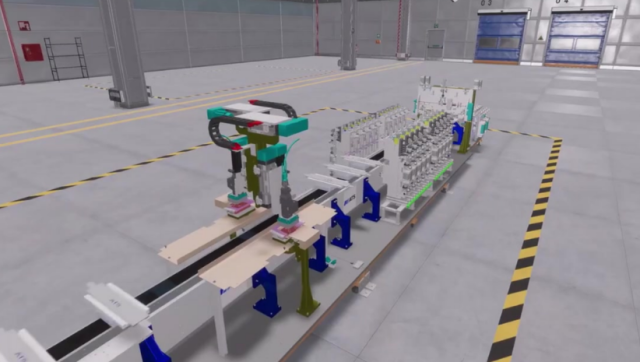
- Automation compatibility for high-throughput environments that need consistent quality.
- Waste minimization strategies, such as recycling blast media or switching to aqueous systems.
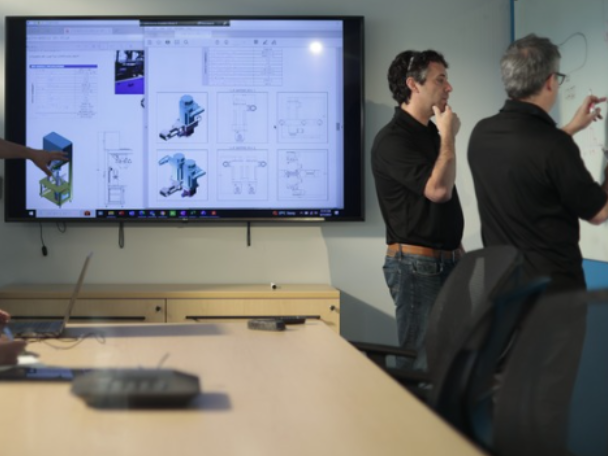
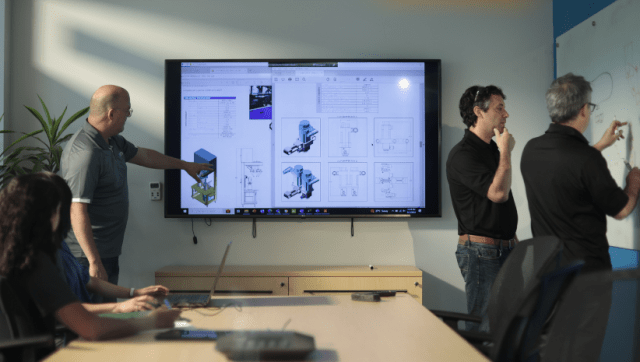
A trusted automation partner can help manufacturers navigate these decisions through pre-automation services . By viewing the assembly process through a design for manufacturability (DFM) lens, manufacturers can harness the most appropriate cleaning methods based on their materials, production goals, and specific industry requirements.
Consequences of Inadequate Cleaning
Failure to properly plan for clean surfaces can result in cold solder joints and delamination in the assembly process or reduced thermal conductivity, which may lead to overheating or faulty parts. Electrical instability, especially in high-voltage applications, is also a key risk. Ultimately, contamination-related recalls, warranty claims, and field failures may weaken consumer trust.
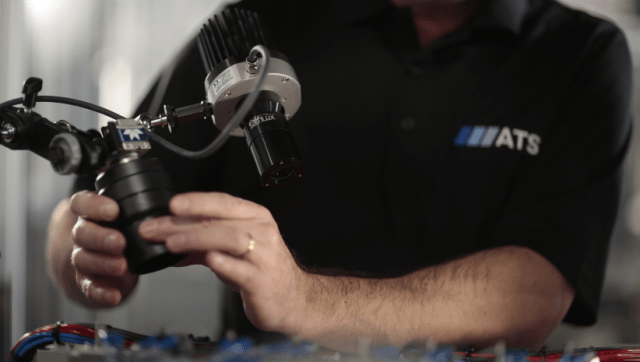
Automated inspection systems can help alleviate these challenges by providing a clear view of each part in assembly. High-resolution cameras and optics, for example, deliver detailed measurements, ensuring high accuracy before powertrain components move downstream.
FAQ: Surface Cleaning in Powertrain Assembly
Q1: Why is surface cleaning necessary in powertrain assembly?
Contaminants like dust, oils, and oxidation prevent solder from bonding correctly to copper pads. This compromises electrical and thermal performance and increases the risk of field failures.
Q2: What is plasma cleaning and why is it preferred?
Plasma cleaning is a dry, eco-friendly method that removes microscopic contaminants and increases surface energy, improving solder and bonding strength.
Q3: What happens if components are not properly cleaned?
Unclean surfaces can result in cold solder joints, poor heat transfer, and electrical instability. While these issues may not be visible during assembly, they can cause failures under load.
Q4: How does surface cleanliness affect powertrain performance?
Impurities interfere with bonding, conductivity, and heat dissipation. This affects motor control, voltage regulation, and overall system reliability, all of which are critical to performance.
Q5: Are all cleaning operations performed in controlled environments?
Cleanrooms and sealed workstations with high-efficiency particulate air (HEPA) filtration are often used when necessary to protect workers, minimize particulate contamination, and ensure consistent quality. However, not all processes require this level of infrastructure.
Clean Surfaces Enable Reliable Systems
Surface cleaning is not a standalone process. It’s a critical enabler of performance, reliability, and safety in powertrain assembly. Whether removing burrs from machined components or preparing copper pads for soldering, the choice and execution of cleaning methods directly affect product outcomes.
ATS Industrial Automation supports manufacturers with integrated surface cleaning solutions such as plasma cleaning, proactive DFM collaboration, and automated inspection systems. As the EV industry becomes more complex, surface cleaning must remain a key factor in achieving scalable, high-quality powertrain production.
Every automation project is unique. Allow us to listen to your challenges and share how automation can launch your project on time.

Cameron Bruce
Director of Engineering
ATS Industrial Automation
Cameron works with customers to design and optimize automation systems to build and scale production and drive operational efficiency. Cameron has helped companies across numerous industries to automate and optimize production for over 18 years.