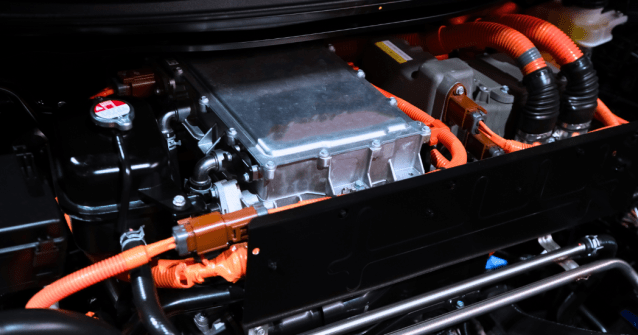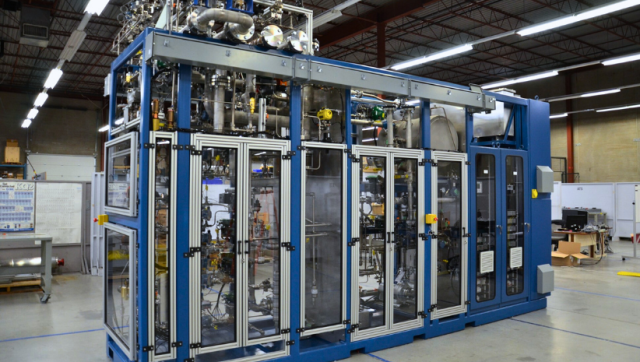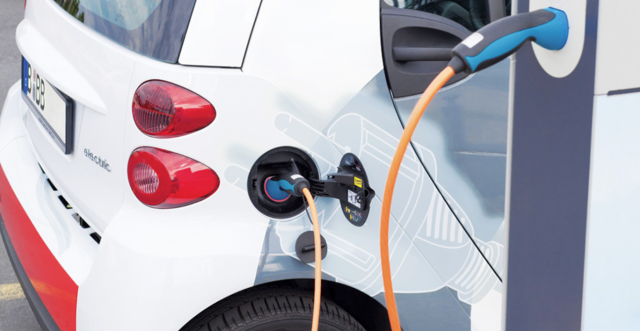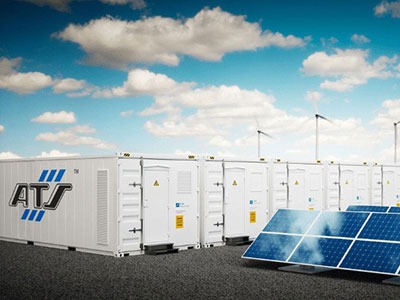


Hydrogen is gaining momentum across transportation and energy industries. Fuel cells power long-range electric vehicles (EVs). Electrolyzers support grid balancing and industrial decarbonization. Stationary fuel cells provide backup power for critical infrastructure.
According to the International Energy Agency, low-emission hydrogen production could reach 38 million metric tons by 2030, with 27 million metric tons coming from electrolysis. This is a dramatic scale-up from today’s levels, driven by government funding, small modular reactors (SMRs), and aggressive net-zero targets.
Despite these projections indicating that the industry is growing, many fuel cell and electrolyzer manufacturers still rely on manual assembly processes—introducing quality risks, limiting throughput, and slowing commercialization.
Hidden Bottlenecks in Manual Assembly for Fuel Cells and Electrolyzers
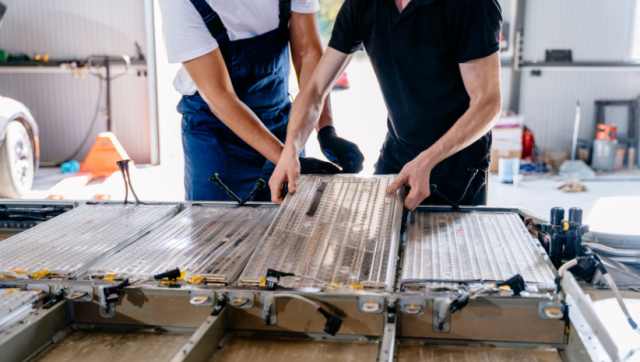
Hand-built methods may appear more familiar or cost-effective when it comes to assembly processes, but they introduce variability and limit scalability, especially as production volumes increase. Common challenges for fuel cell and electrolyzer manufacturing companies include:
- Inconsistent stacking of bipolar plates and membranes
- Lack of in-process quality checks
- Poor tensioning and press control
- Using outdated or low-grade materials
A manually assembled stack might seem visually consistent, but subtle misalignments often aren’t detected until final testing. Without automated inspection and standardized assembly procedures, manufacturers risk producing units that fail to meet quality benchmarks—leading to costly rework, scrap, and reduced product reliability.
How Automation Expertise Helps Solve Challenges in Fuel Cell and Electrolyzer Assembly
Eliminating Inconsistencies in Plate and Membrane Stacking
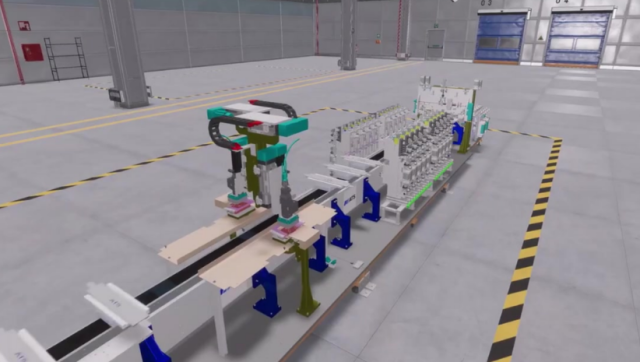
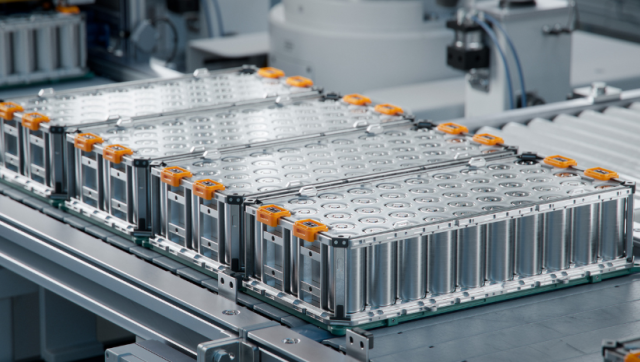
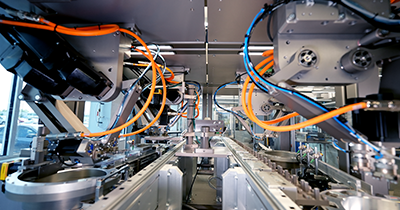
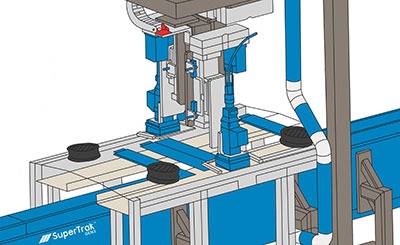
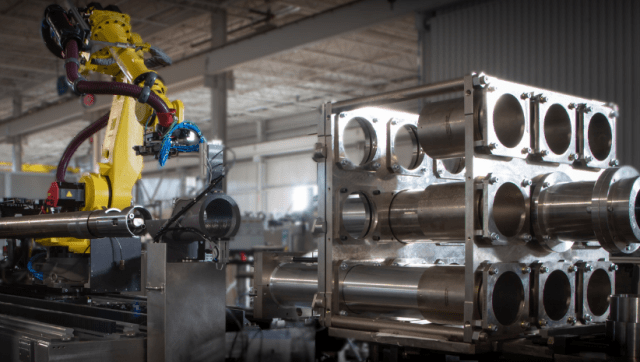
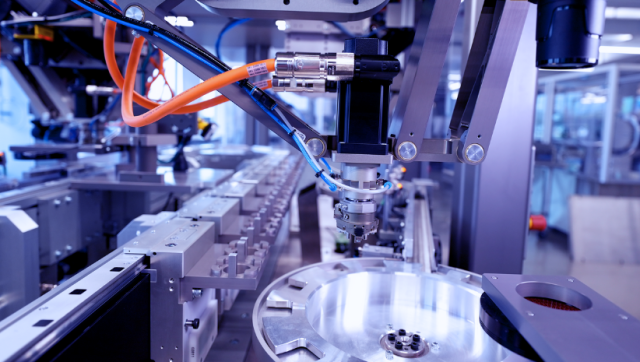
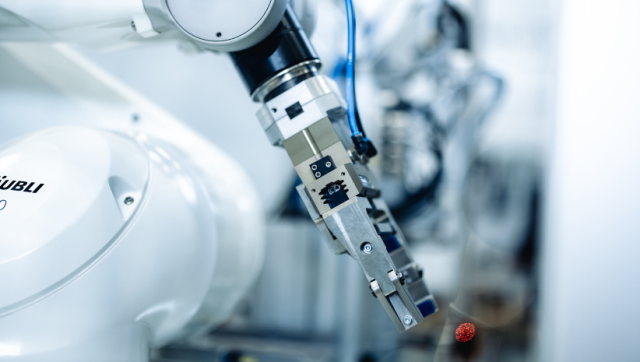
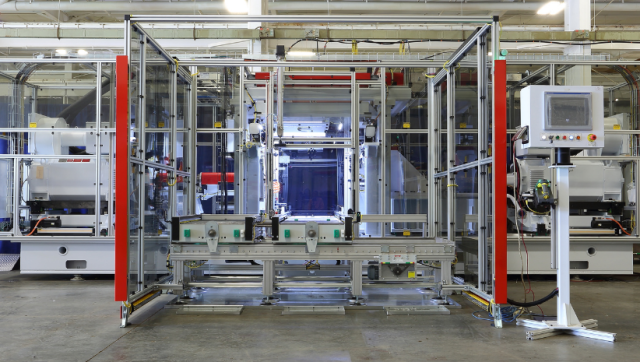
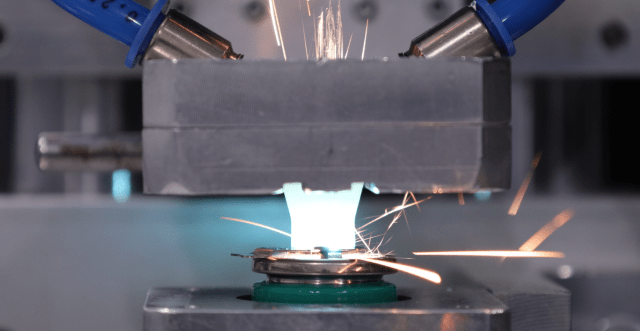
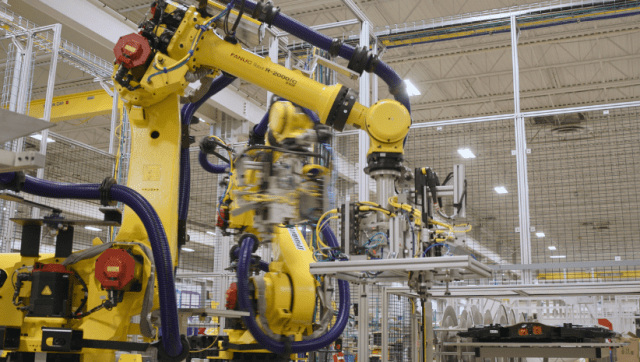
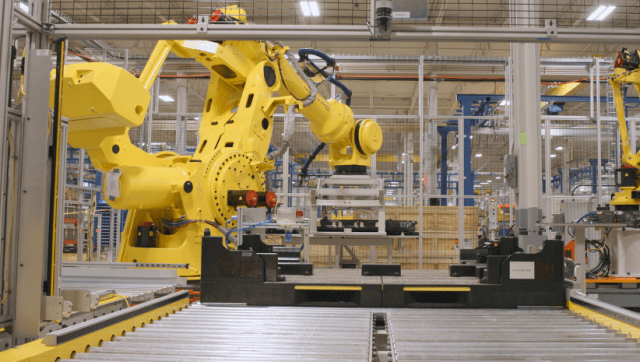
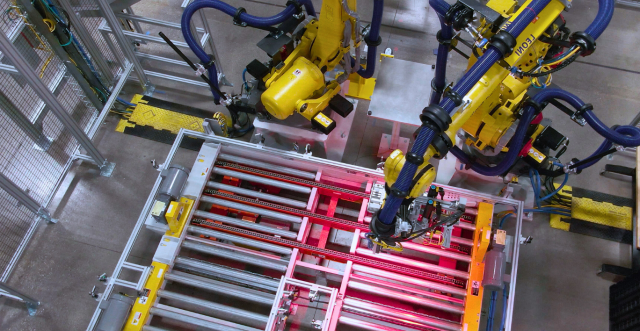
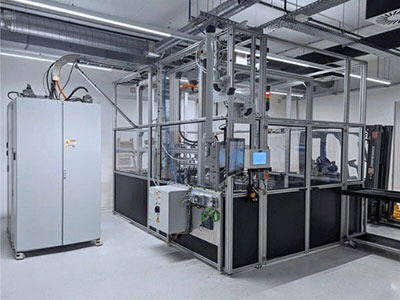
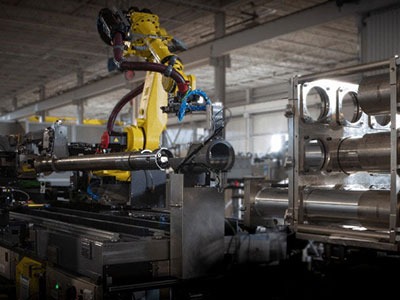
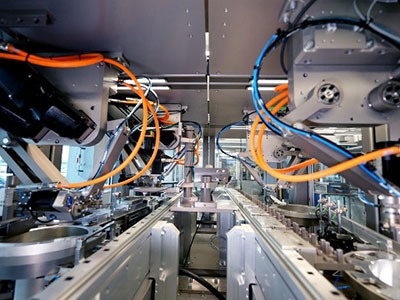
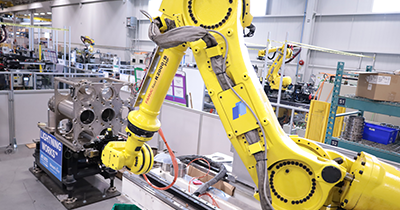
Manually stacking these components often leads to misalignment and unreliable performance. This compromises the efficiency and durability of fuel cells and electrolyzers. Automated stacking systems apply consistent force and alignment to every unit, while precision robotics ensure repeatable placement of delicate parts. In-process vision systems verify alignment and uncover defects before final assembly, resulting in consistent products, reduced rework, and higher yield rates.
Introducing In-Process Quality Control
In manual assembly, quality issues often go unnoticed until final testing. By then, it’s too late to fix without scrapping the unit. Automation introduces real-time quality control through integrated vision inspection, detecting surface defects, contamination, or damage to membranes and plates. Gauging systems measure dimensions and tolerances, while leak testing and press force monitoring are built into the assembly process. These capabilities reduce waste and improve traceability.
Upgrading Materials and Instrumentation for Long-Term Reliability
Many early-stage hydrogen manufacturers use low-cost materials or outdated equipment. This can impact the line’s throughput and the overall performance of the final part. With support from an experienced automation partner, modern equivalents—like stainless-steel tubing, updated flow meters, and pressure transducers—can replace legacy components. Corrosion-resistant materials ensure safe handling of deionized water and hydrogen, while systems designed with serviceability and longevity in mind extend equipment lifespans.
Providing Custom Tooling for Leak-Free Testing
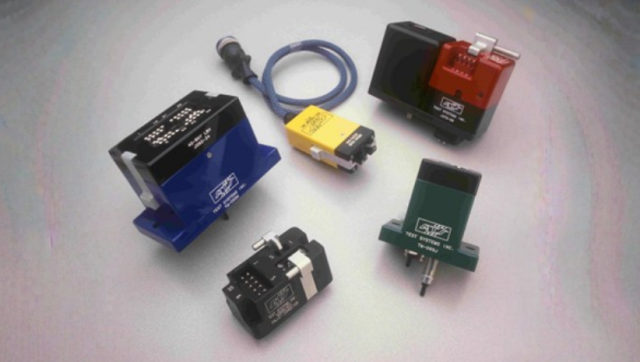
Fuel cell and electrolyzer designs vary widely, and off-the-shelf connectors often fail to provide secure, repeatable connections for testing. Engineering teams can design custom match plates and quick-connect interfaces for each product. Spring-loaded pogo pins ensure reliable electrical contact, and robust sealing systems prevent hydrogen leaks. These innovations lead to faster setup, safer operations, and more accurate test data.
Embedding Safety into Every Step
Manual systems often lack proper safety circuits, especially in early-stage or lab-built equipment. Automation embeds safety into every step, from emergency stop (E-stop) systems to safety-rated circuits that shut down gas flow or power if a fault occurs. Safe wiring and enclosures in hazardous environments ensure compliance with industrial safety standards while protecting operators and equipment.
Designing for Scalability and Repeatability
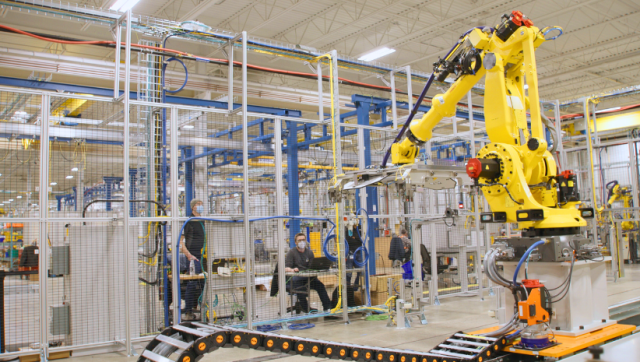
While manual processes may work for prototypes, they cannot be scaled. As demand grows, manufacturers need systems that can grow with their needs. Automated modular designs can be replicated across multiple lines or facilities. Scalable control systems support remote monitoring and preventive maintenance. With global support from a trusted partner, manufacturers can achieve faster time to market and maintain consistent quality across sites.
Leveraging Cross-Industry Expertise
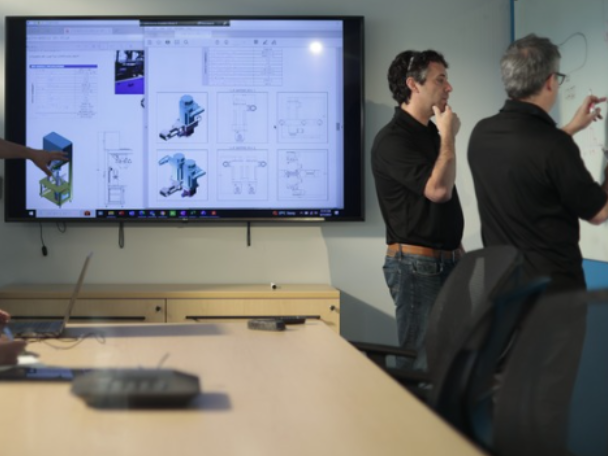
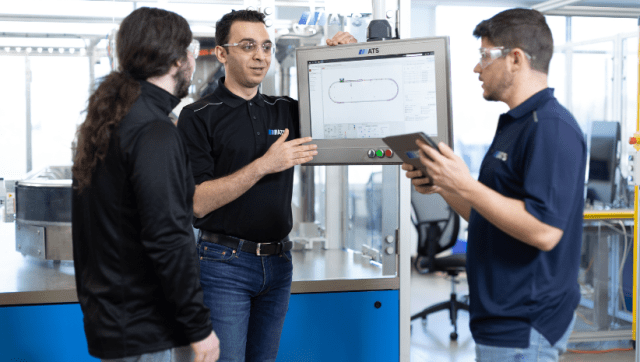
Many hydrogen manufacturers are new to assembly and lack experience in designing for automation. Engineering know-how bridges this gap by applying best practices from adjacent industries like pharmaceuticals, EV batteries, and food processing. Automation teams consult on design for manufacturability (DFM) and help define success at each step. Early-stage customers benefit from proof of principle builds and pilot lines, which reduce risk.
Why the Right Automation Partner Matters
As the demand for alternative energy heightens, hydrogen tech manufacturers need specialized solutions. That’s why it’s critical to work with an automation partner who understands the technical and safety requirements of these systems. While manual assembly is still a major hurdle for manufacturers that want to grow, those that invest early in automation will be better positioned to meet this expanding global need.
With longtime experience in the energy industry, ATS offers pre-automation services that define quality standards, as well as global support and engineering know-how to help manufacturers scale with confidence.
Every project is unique. Allow us to listen to your challenges and share how automation can launch your project on time.

Jules Lam, M.Eng
Group Lead, Software Engineering
ATS Industrial Automation
Jules is a Test and Measurement expert with 22+ years of experience in Software Engineering. He develops testing solutions across various industries typically around challenges arising from data acquisition, signal processing, bus communications, time synchronization, and system control.