

Automotive eMotor Case Study Highlights

Challenge
- An eMotor manufacturer needed to optimize its production line and quickly integrate advanced technologies to meet customer production targets.
- The complex eMotor assembly process required precise alignment and handling due to the components’ strong magnetic forces.
- The manufacturer had to contend with fluctuating specifications and design changes.
- The project had stringent line requirements, with a target cycle time of 100 seconds.

Solution
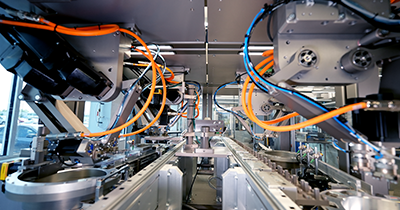
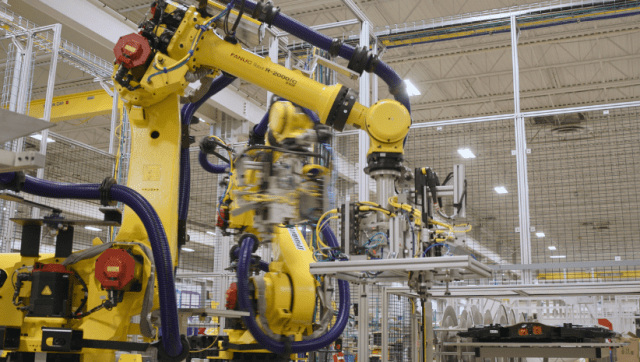
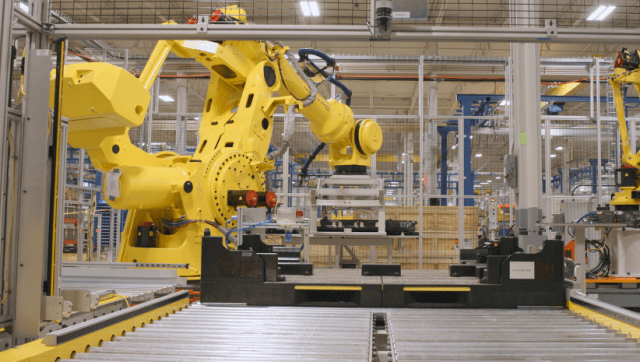
- Integrated advanced automation to streamline the eMotor assembly process, including robotic systems and specialized gripping technologies.
- Addressed evolving specifications and designs with a flexible automation system.
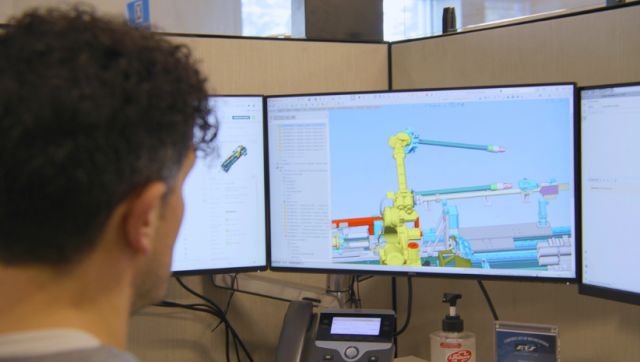
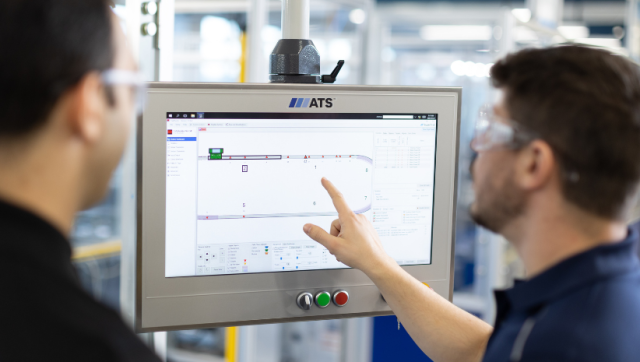
- Employed digital twins to simulate assembly workflows.

Results
- Enhanced the efficiency and performance of the assembly process through sophisticated automation and precise handling platforms.
- Delivered an automated system capable of achieving the 100-second cycle time.
- Proved the automation approach for future systems that will operate in multiple locations at even better efficiency.
Company
Automotive Manufacturer
Industry
Automotive
Region
Europe
Customer
A global leader in drivetrain and propulsion systems that specializes in advanced technologies and solutions for vehicle manufacturers. Its expertise spans across sectors, including light vehicles, commercial vehicles, and off-highway equipment.
Challenge
Overcoming Production Line Challenges for eMotor Assembly
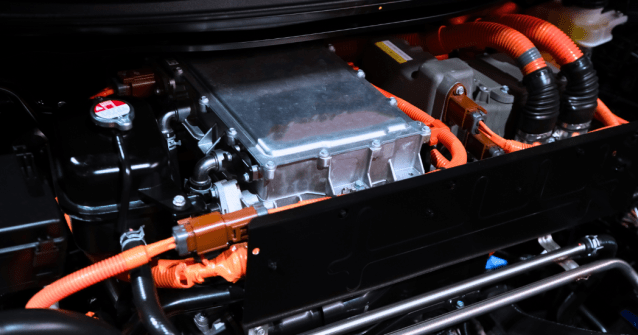
The eMotor manufacturer faced a major challenge in optimizing its production line for eMotor assembly. The primary issue stemmed from the need to integrate various technologies to enhance performance and efficiency while driving sustainability. The complex eMotor assembly process, which involves the joining of the stator and rotor, required precise alignment and handling due to each part’s strong magnetic forces. The manufacturer had to contend with changing specifications and design iterations, necessitating a high degree of flexibility in the automation process. Manufacturing leaders also had rigorous line requirement metrics. They needed a partner that could quickly adapt to changes and meet the line’s target cycle of 100 seconds.
Solution
An Innovative Solution for the eMotor Manufacturer’s Production Line
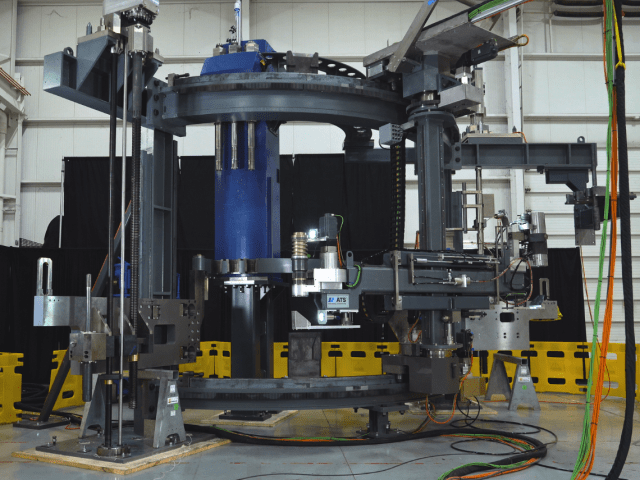
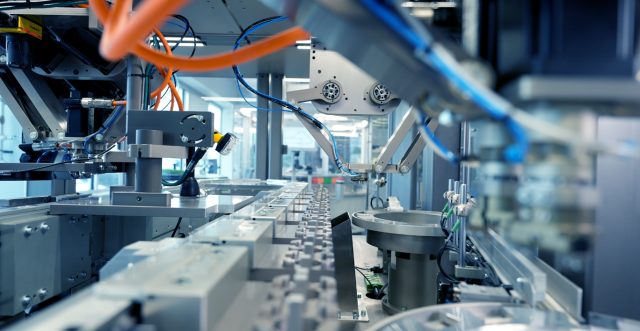
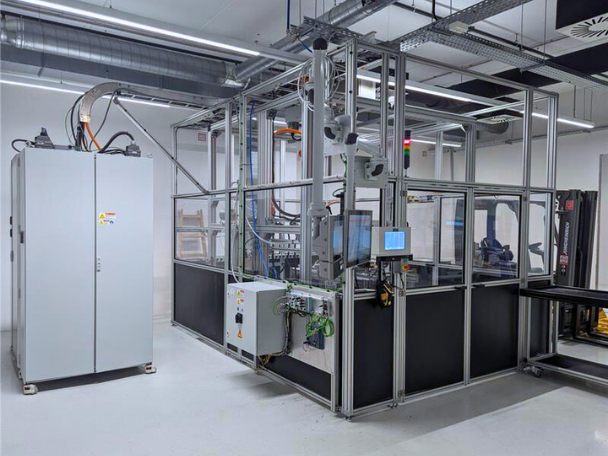
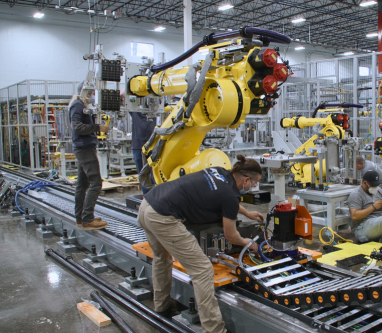
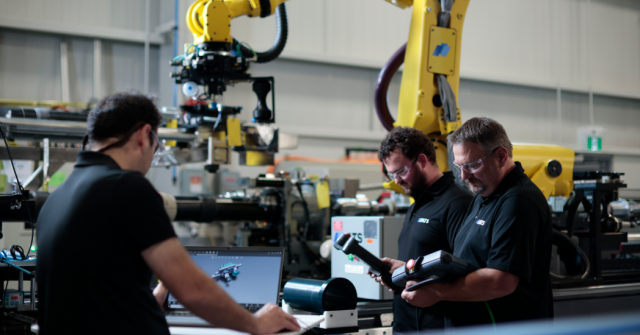
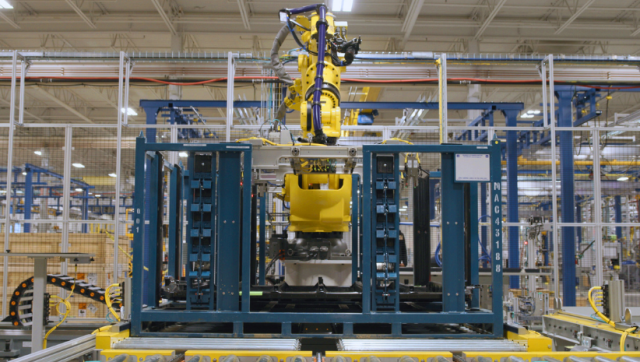
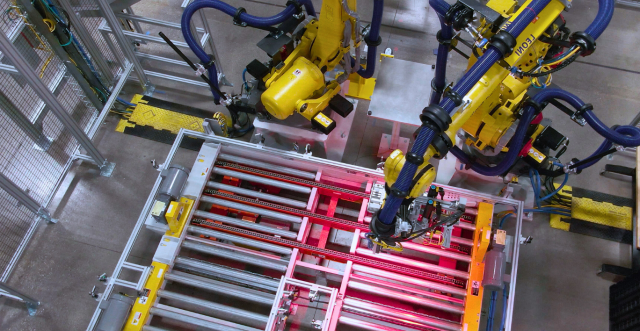
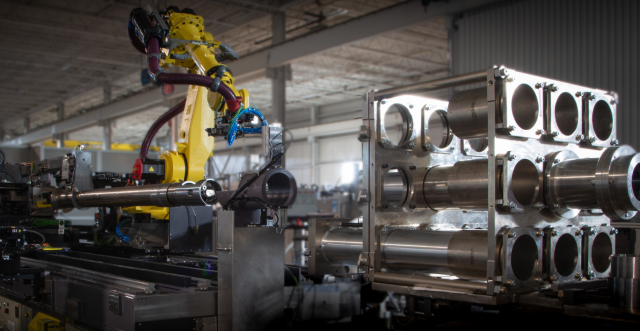
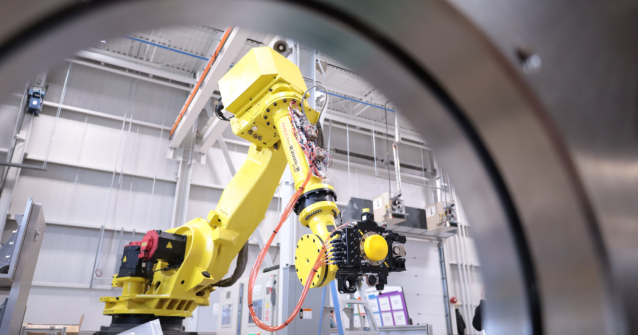
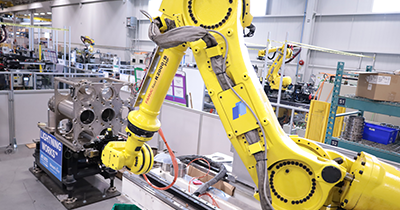
To address these obstacles, ATS Industrial Automation experts developed and integrated advanced automation technologies to streamline the eMotor assembly process. Key components of the solution included accurate alignment and handling of the stator and rotor components through robotic systems and grippers.
While developing this comprehensive system, the team encountered several challenges. One included managing the customer’s fluctuating specifications and design changes. This required ATS automation experts to remain flexible while designing and building the solution. Additionally, the complexity of the assembly process, particularly in integrating the stator and rotor, posed significant challenges due to the components’ strong magnetic forces. It was crucial to ensure these parts could be carefully aligned and handled to prevent any misalignment or costly damage.
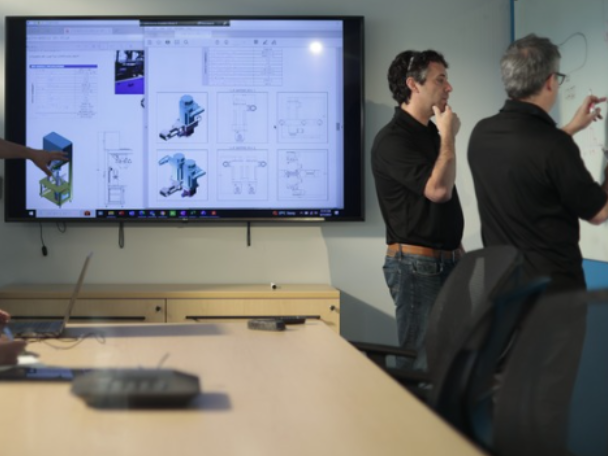
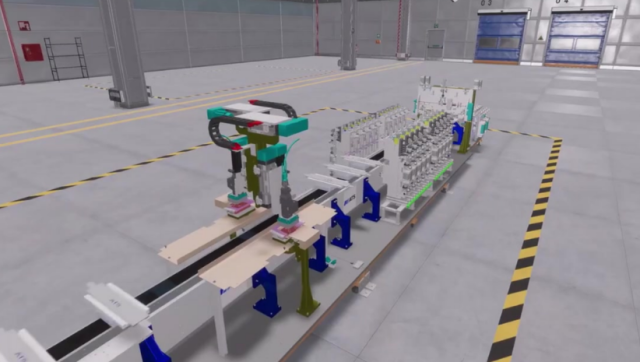
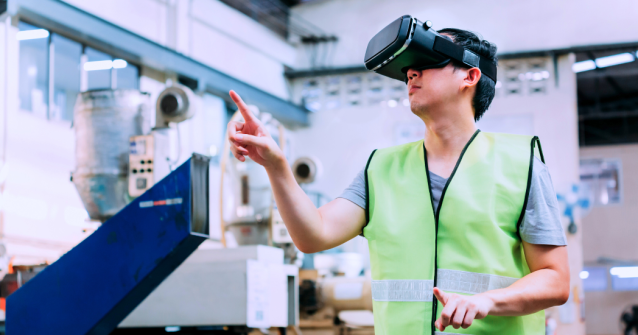
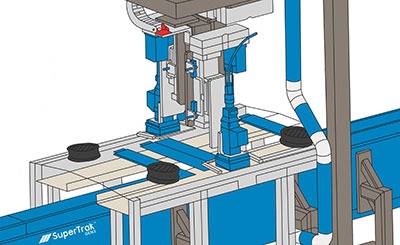
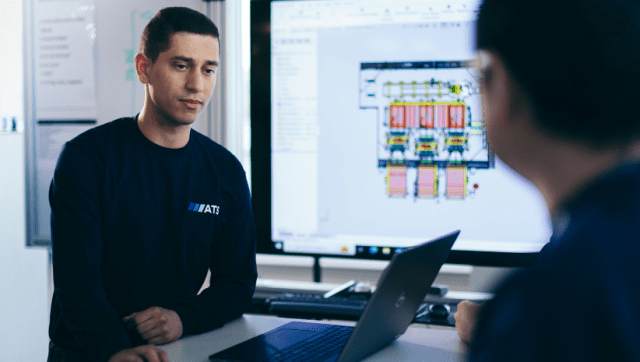
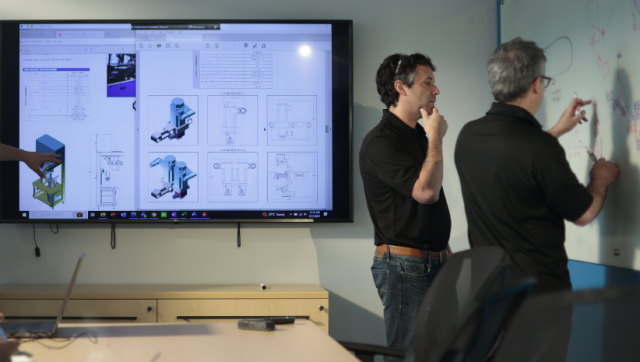
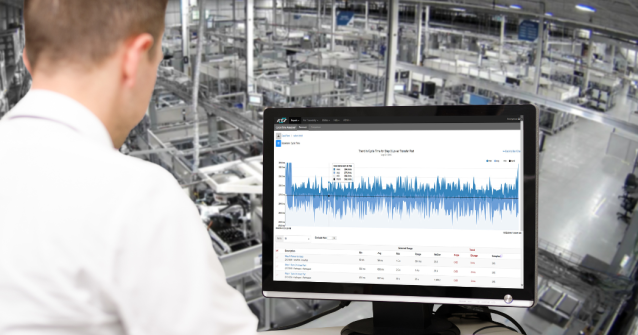
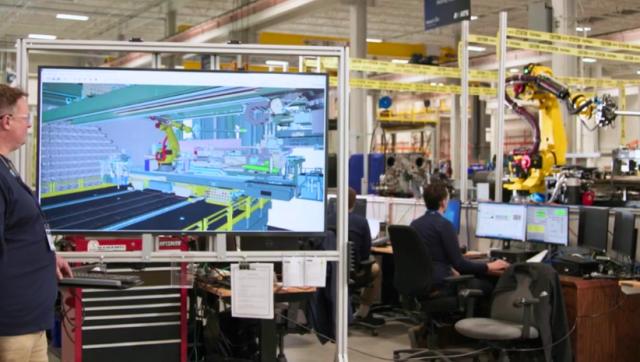
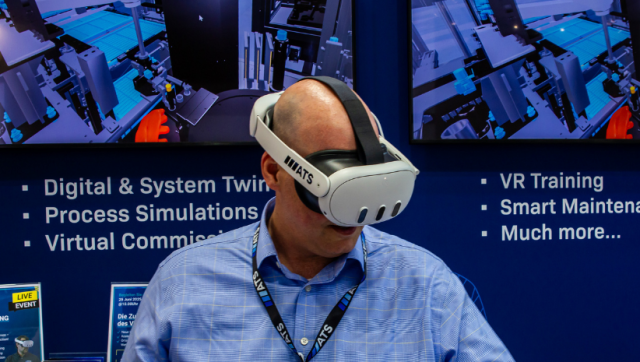
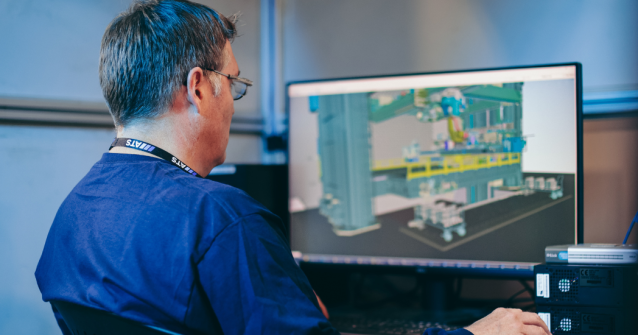
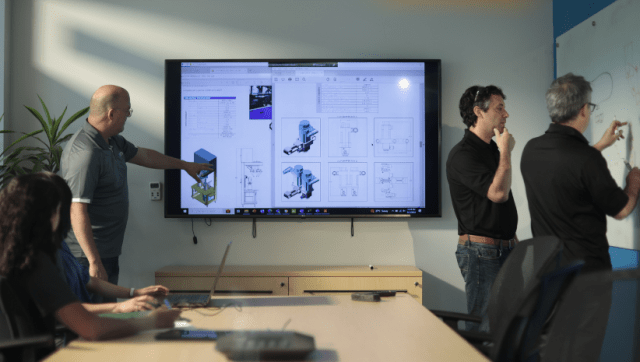
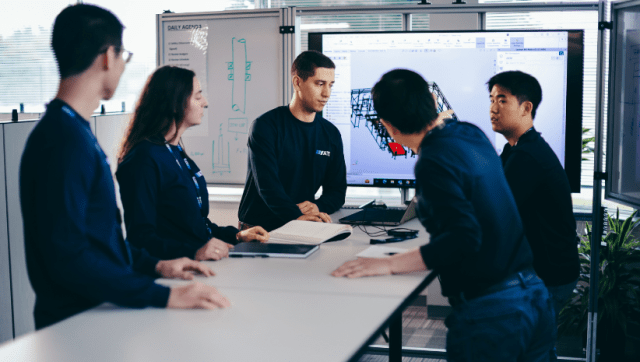
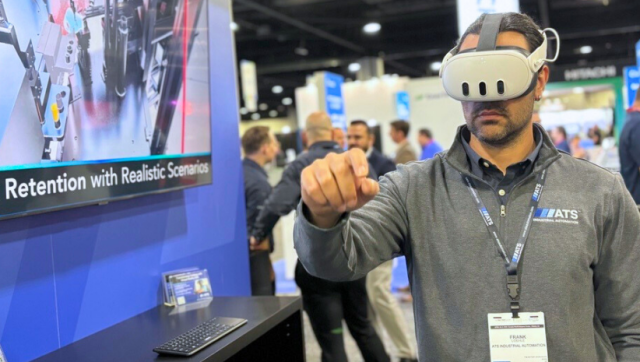
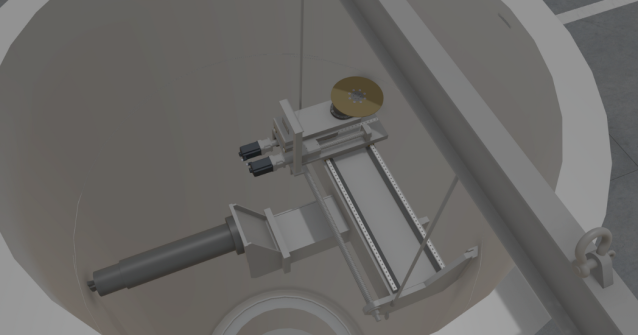
Digitalization tools also played an important role in this project. ATS experts used a digital twin to simulate the critical, fully-automated stations within the assembly process, allowing for the identification and resolution of potential issues before the physical build. Digital simulation also tested various scenarios, identifying design challenges for resolution by the engineering team.
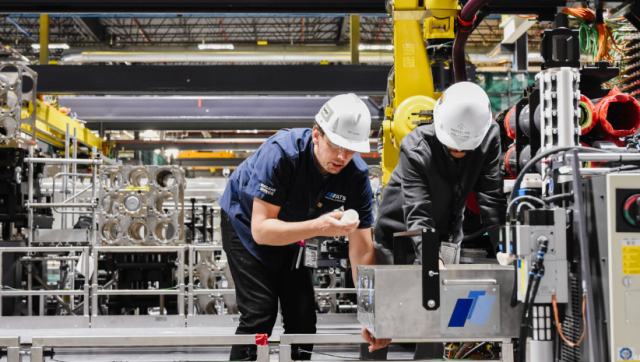
ATS leveraged its multiple locations to build the solution for the customer. The team in Germany managed the project, and the line was built and commissioned in Slovakia. Meanwhile, the U.S. team handled the leak testing station.
Results
Key Achievements of the eMotor Assembly and Testing Line
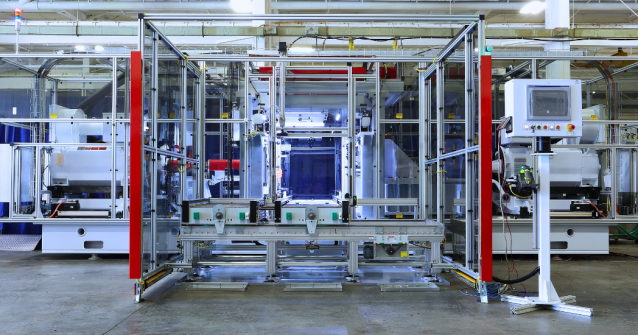
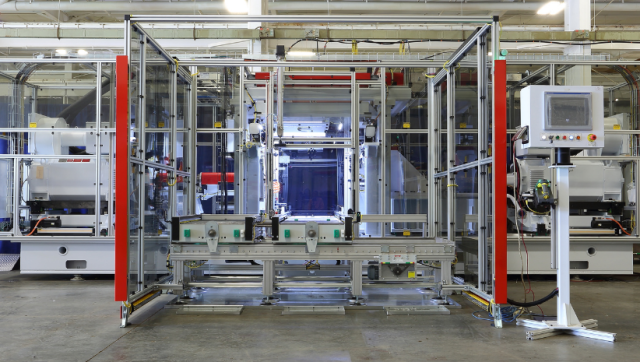
The implementation of the assembly and testing line yielded impressive outcomes for the eMotor manufacturer. The advanced automation and precise handling platforms significantly elevated the performance of the eMotor assembly process by integrating robotic systems and specialized gripping mechanisms.
The flexible automation system also successfully adapted to the customer’s changing specifications while enabling them to meet line requirement metrics, including the target cycle time of 100 seconds.
The collaborative effort across geographic locations also played a crucial role in the project’s success, enabling ATS to complete the project efficiently and effectively by leveraging the expertise and resources at each location. Digital twin technology further facilitated these efforts, allowing engineers across sites to simulate the full assembly process and identify and resolve potential issues before physical implementation.
Every eMotor manufacturing project is unique. Allow us to listen to your challenges and share how automation can launch your project on time.