

In today’s complex manufacturing environment, capital investments demand much more than gut instinct. ATS Industrial Automation helps manufacturers build structured, data-driven business cases that clarify when, where, and how to automate to achieve scaled production needs. Our process combines financial modeling, operational insight, and strategic alignment—so you can make confident, high-impact investment decisions.
At its core, a business case answers the question: “Is this investment worth it?” It does this by modeling key financial metrics like return on investment (ROI), net present value (NPV), and total cost of ownership (TCO) while factoring in strategic fit, risk, and long-term value. Whether you’re deciding between manual and automated production, evaluating multiple equipment concepts, or navigating where to invest first, a strong business case brings clarity to complex manufacturing investment decisions.
But building one isn’t easy. Many manufacturers struggle to gather the right inputs, model future-state scenarios, or align cross-functional teams. That’s where ATS comes in. Our approach combines deep automation expertise with proven financial modeling to help you build a business case that’s not only technically sound, but strategically actionable.
Business Case Development Helps
Clarify investment decisions by defining the right questions early and aligning strategic goals before financial modeling begins.
Enable cross-functional alignment by involving subject matter experts and independent reviewers to challenge assumptions and strengthen the financial model.
Improve input accuracy by helping teams collect reliable data on costs, labor, throughput, and maintenance.
Prioritize capital spending by comparing multiple automation scenarios and identifying the highest-return opportunities.
Avoid costly missteps by identifying which assumptions are high-risk and validating them through sensitivity analysis.
Every automation project is unique. Allow us to listen to your challenges and share how automation can launch your project on time.
Why Choose ATS for Business Case Development?
Partner with a team that brings clarity and confidence to your investment decisions.
At ATS, we don’t just build automation—we help manufacturers build the case for it. Our business case development process is deeply integrated into our pre-automation services, combining technical expertise, financial modeling, and strategic insight to help manufacturers make smarter, faster investment decisions.
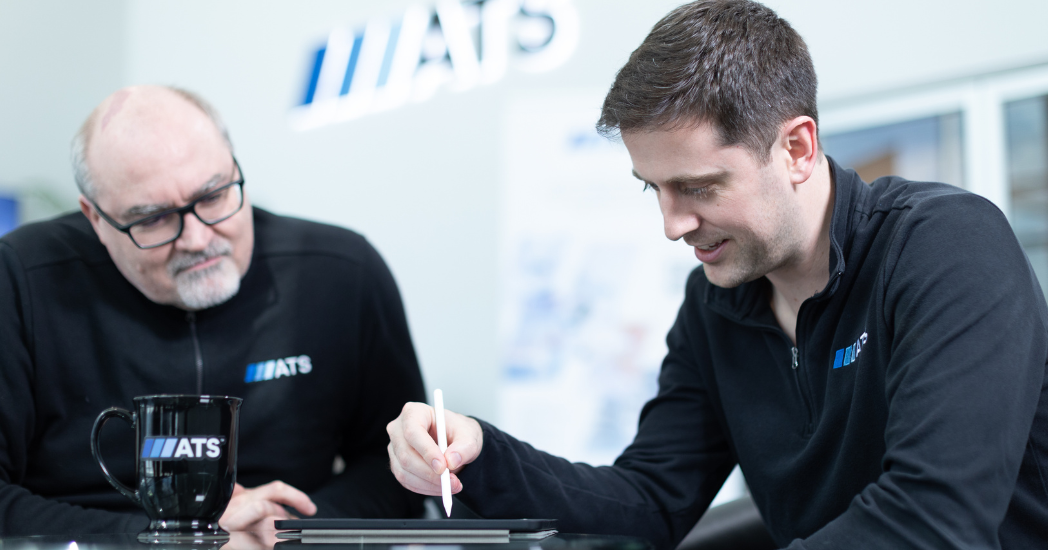
Process Understanding
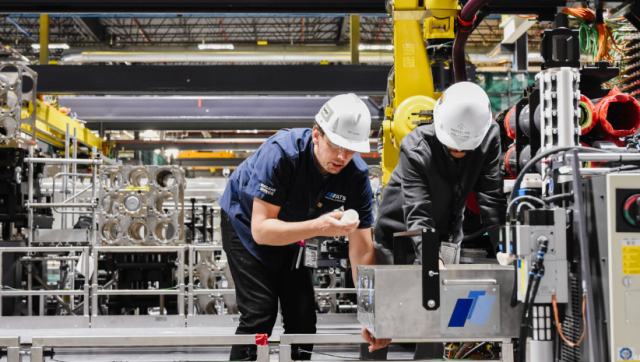
We start by mapping the manufacturer’s current operations—how parts are made, tested, and reworked—to identify automation opportunities and constraints.
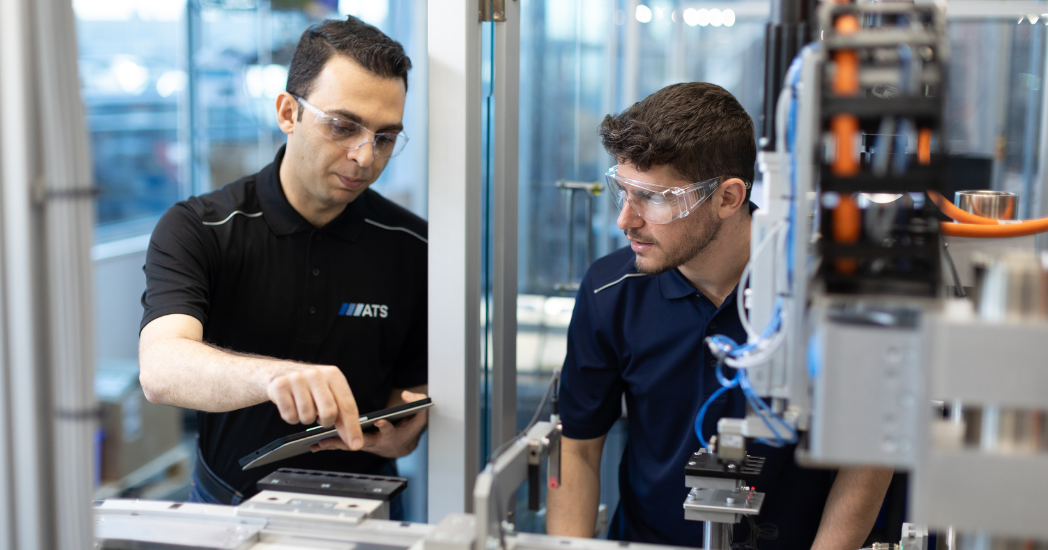
Risk Assessments
We evaluate which steps are most challenging to automate and where failure modes could impact performance or costs.
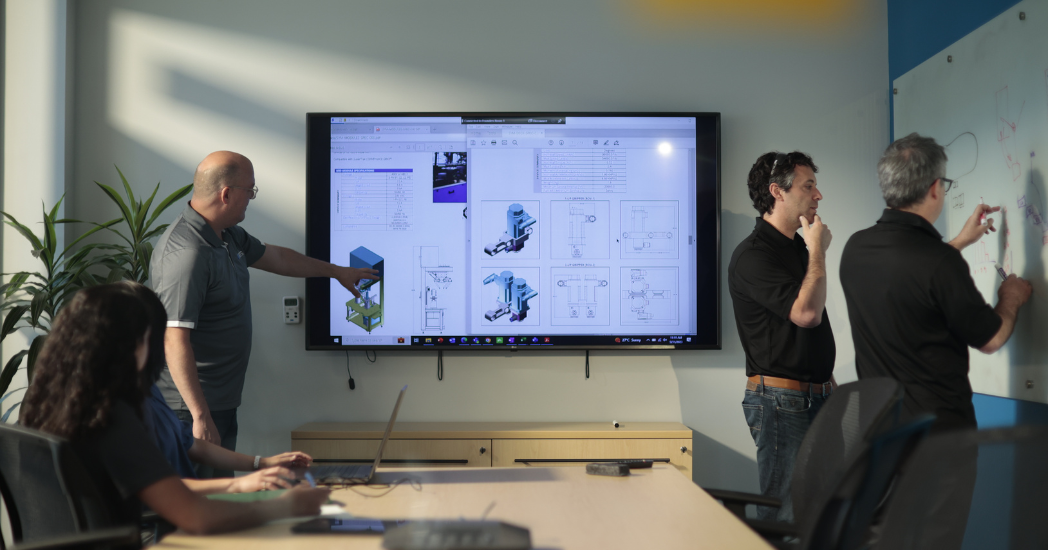
Concept Development & Down-Selection
We generate and compare multiple automation concepts, selecting the most viable options based on stakeholder needs and feasibility.
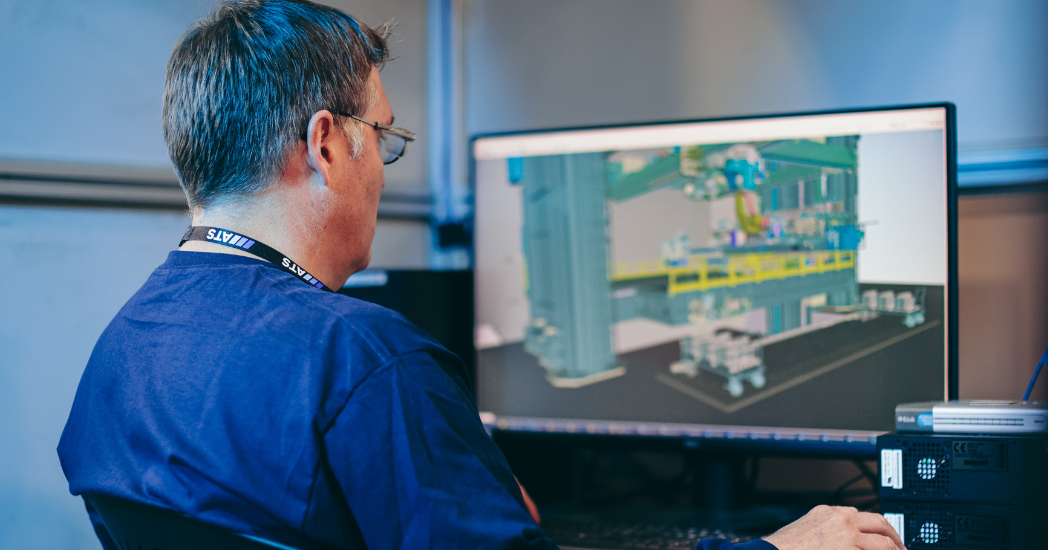
Simulation & Cost Modeling
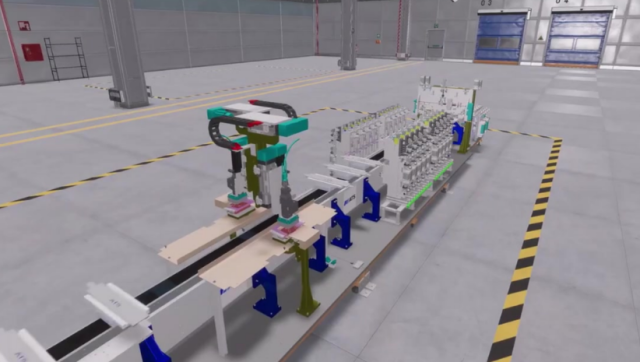
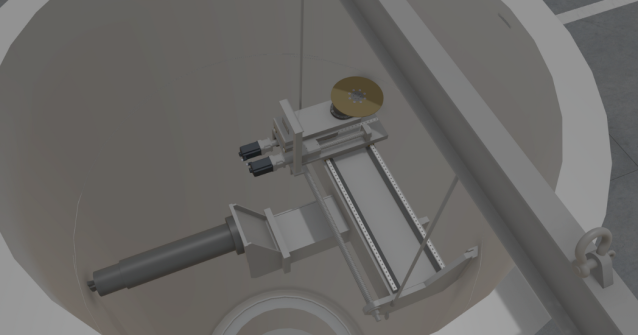
We simulate performance and estimate acquisition, installation, and lifecycle costs to inform TCO analysis.
Benefits of Business Case Development

Strategic Alignment from Day One
We define the right questions before modeling begins, ensuring the business case is relevant and aligned with the manufacturer’s goals.

Data-Driven Analysis
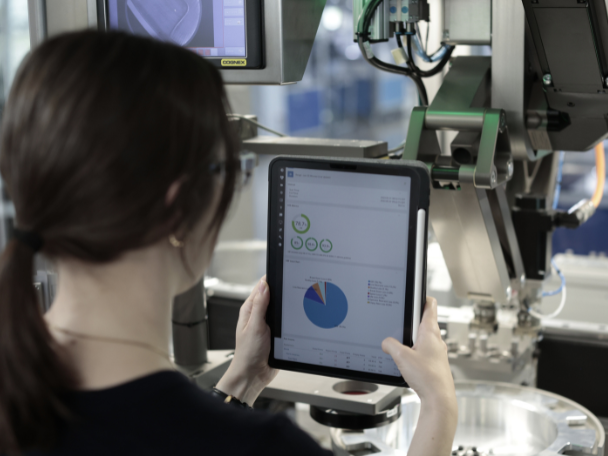
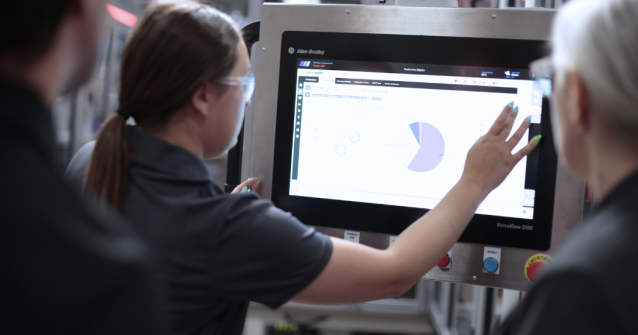
ATS automation experts partner with the manufacturer’s stakeholders to build models that reflect real-world conditions.

Global Perspective, Local Insight
With an international footprint, ATS can model scenarios across regions—factoring in labor rates, logistics, and serviceability that online research can’t easily capture.

Accelerated Decision-Making
Our frameworks, reusable tools, and pre-automation workflows streamline the process, reducing time to insight and increasing confidence in decision-making.

Independent, Actionable Recommendations
We don’t just present data. Our business cases often include prioritization advice, helping leaders decide what to strategically invest in first.

Lifecycle Planning & Asset Management
We model the full lifecycle—including maintenance, downtime, spare parts, and obsolescence—so you can plan for the long term.

Flexible Use Cases
Whether you’re justifying investments, evaluating automation roadmaps, or seeking investor funding, our business cases are tailored to your audience and objectives.
Where Business Cases Make a Difference
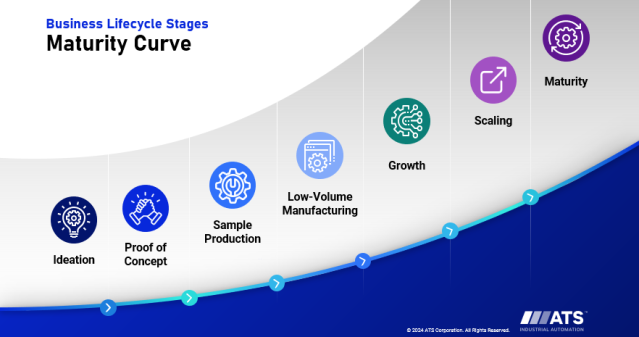
Business case development isn’t one-size-fits-all. It helps answer a range of strategic questions, from determining whether automation makes sense to how best to scale production. ATS helps customers apply business case thinking across high-impact scenarios.