

If you’ve worked in the nuclear sector long enough, you’ve seen a few so-called “renaissances.” Some came and went with little more than strategy documents and conference excitement. But this time feels different.
Electrification, net-zero commitments, and—more recently—the explosive growth of AI data centres—are reshaping electricity demand across the world. According to a forecast from the Independent Electricity System Operator (IESO), electricity needs could rise by 75% by 2050 in Ontario alone. And nuclear is front and center in meeting that challenge.
At the same time, we’re heading into one of the busiest periods of nuclear construction the province of Ontario has ever seen. The Darlington refurbishment project is wrapping up, Bruce Power’s massive MCR program continues, planning is underway for the Pickering refurbishment project, and the first grid-connected Small Modular Reactor (SMR) in the G7 is being built at Darlington. Add to that early planning for Bruce C and Wesleyville—representing up to 17.8 GW of new capacity.
With this current momentum, the question becomes, how do we scale nuclear construction without overwhelming the workforce and the supply chain?
Past challenges in the nuclear industry largely stemmed from poor project planning and fragmented governance, leading to massive delays and cost overruns, compounded by rigid regulatory processes and supply chain gaps that stalled efficient growth. These issues created a cycle of uncertainty and high capital risk, discouraging investment and slowing modernization efforts.
Modern strategies—such as design simplification, digital integration, modular construction, and robust supply chain partnerships—directly address these historical inefficiencies. For example, SMR and automation-driven refurbishment programs, such as Bruce Power’s MCR project, aim to replicate success factors from other industries to shorten timelines and reduce first-of-a-kind (FOAK) risk.
Building on these modern strategies, a critical step is embracing modularization, which streamlines construction by enabling parallel work streams, reducing on-site complexity, and significantly shortening project timelines.
What Modular Construction Means in Nuclear Projects
Modular construction is not new. Other industries—from high-rise buildings to aerospace—adopted it decades ago. The nuclear industry has also successfully used it before in projects like:
- China’s Qinshan CANDU units used modular techniques to hit unprecedented schedule milestones at the time.
- The AP1000 was designed around modularization, with entire building sections and major equipment delivered as factory-built assemblies.
So Why is Modularization Important? Here are Some of the Biggest Benefits:
1. More Work Done in the Factory
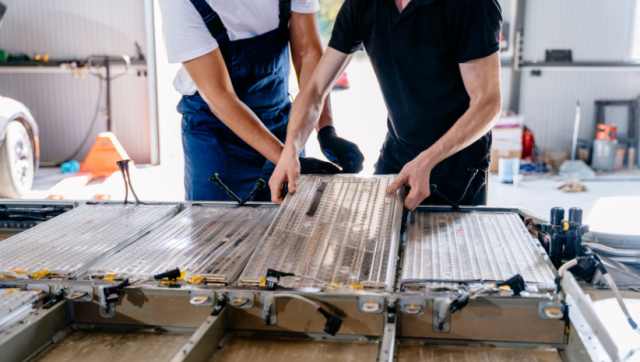
Factory environments offer better quality control, fewer weather issues, and reduced workforce bottlenecks than what is typically found at construction sites.
2. Large “Open-Top” Installs
Big modules can be lowered directly into the plant using heavy-lift cranes, reducing on-site congestion.
3. Earlier Design Maturity
Modular construction forces major design decisions earlier, which helps reduce costly rework changes later.
4. Ability to Learn and Iterate
You can build mock-ups, test assemblies, and quickly refine designs with pre-automation tools long before they ever reach the plant.
5. Reduced Schedule Risk
When civil work is delayed, manufacturing doesn’t have to stop. Modules can continue being built off-site.
For SMRs, modularization is even more essential. If SMRs are going to compete with options like liquefied natural gas (LNG) combined with carbon capture technologies, they must be:
- Highly repeatable
- Easy to assemble
- Designed for lifecycle cost efficiency
Without modularization, SMRs simply won’t hit the cost or schedule targets they’re designed for.
Where Automation Fits In for Modular Construction in Nuclear
Let’s get one thing out of the way, automation isn’t a magic wand.
Not every process needs robots, and not every module will have the volume to justify it.
But the thinking behind automation — the discipline, the planning, the precision—absolutely matters.
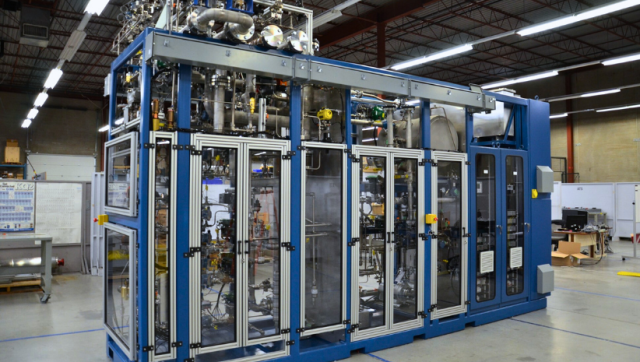
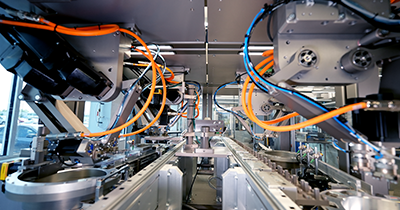
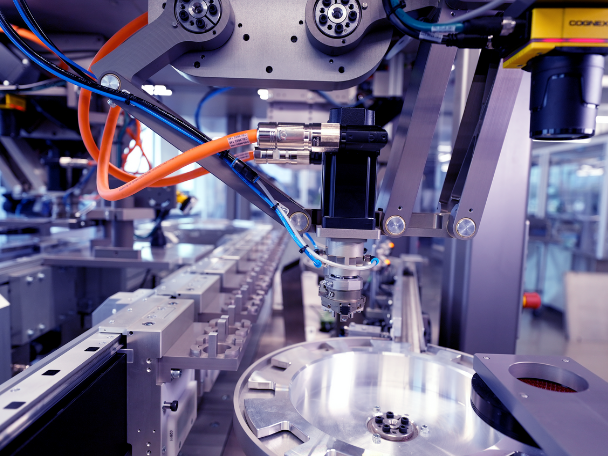
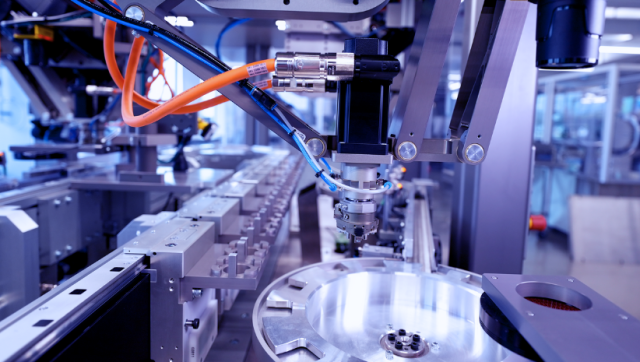
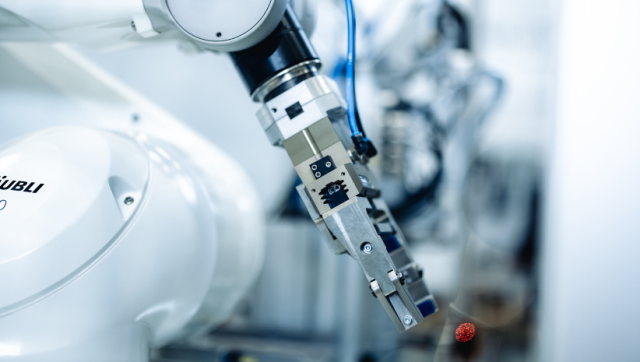
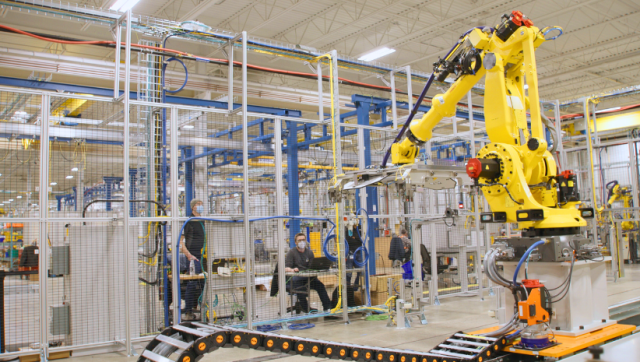
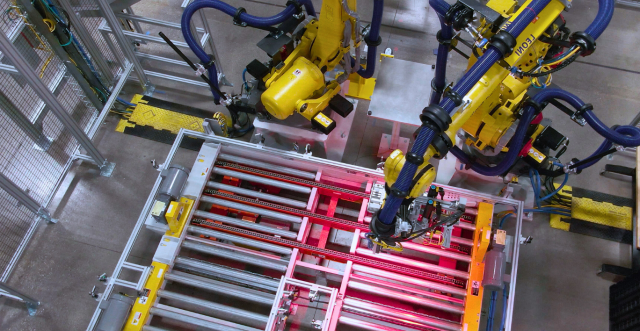
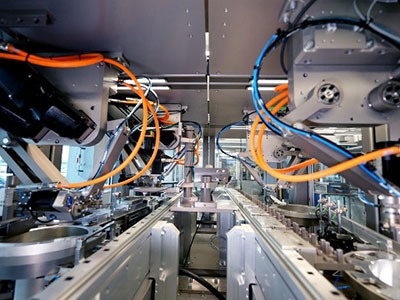
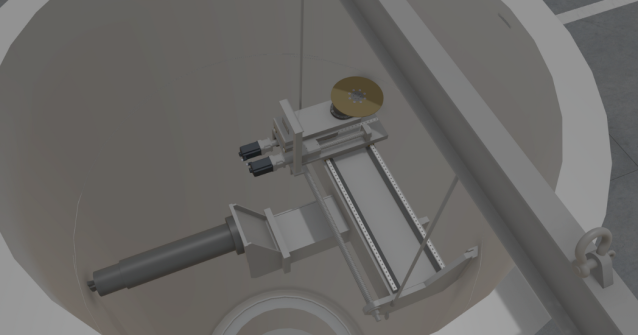
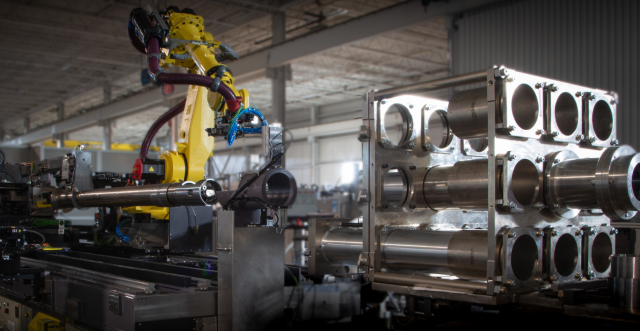
Modularization unlocks new efficiencies by shifting more work off-site and enabling parallel construction streams. But to fully realize these benefits, automation must be woven into the modular build process. Automation isn’t just about robots—it’s about applying disciplined, repeatable processes that maximize the advantages of factory-built modules. When automation and modularization work together, manufacturers can achieve higher quality, tighter tolerances, and faster assembly, all while reducing on-site risks and bottlenecks.
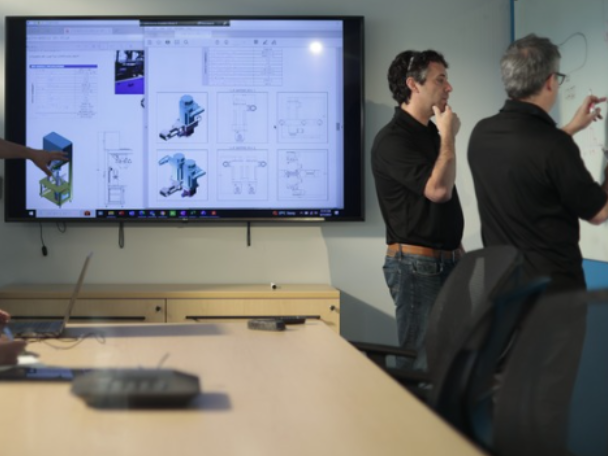
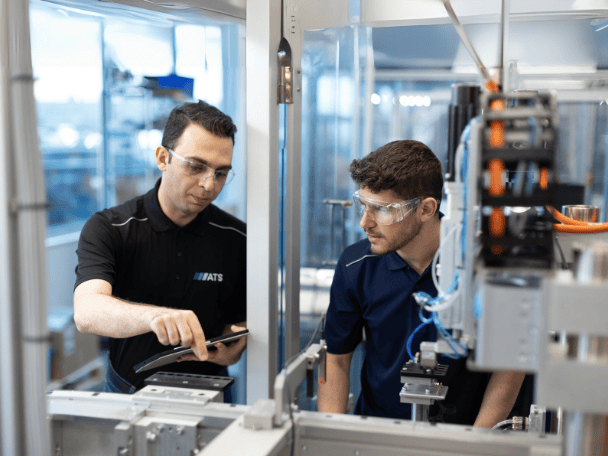
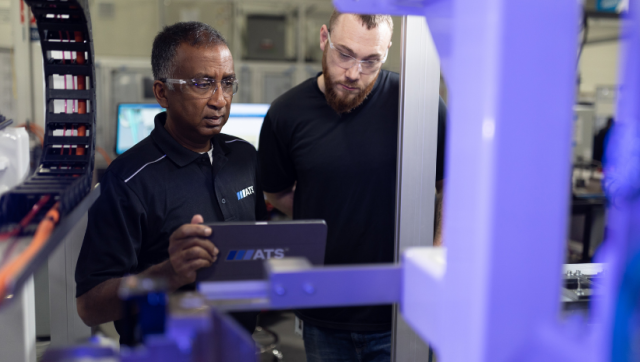
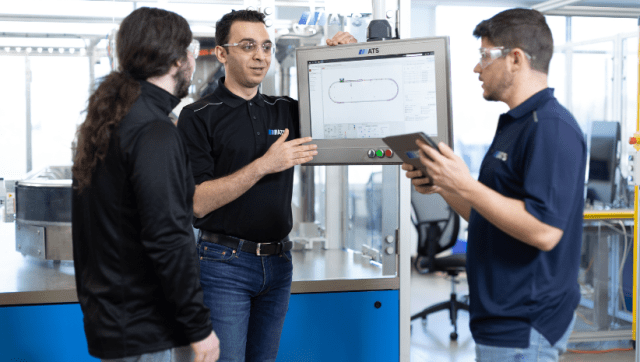
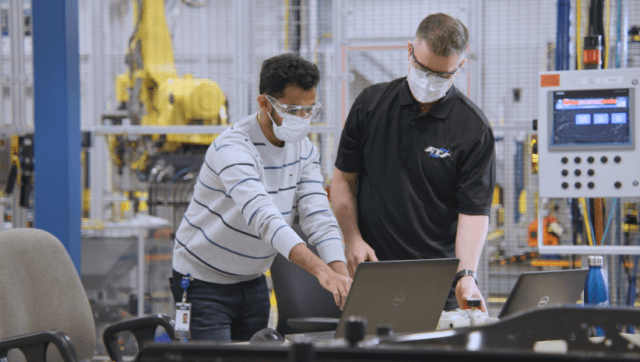
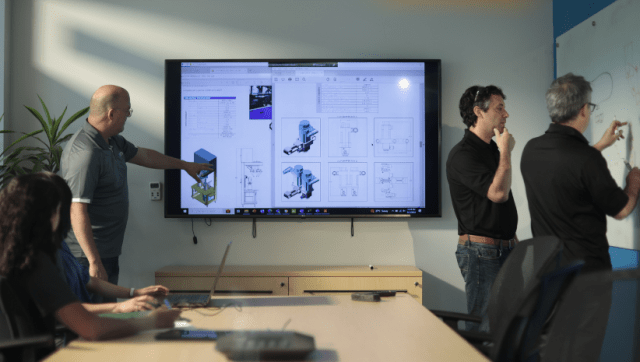
Before a manufacturer automates anything, they collaborate with an automation partner who walks them through strategic pre-automation steps such as:
- Defining requirements
- DFMA (Design for Manufacturing and Assembly) reviews
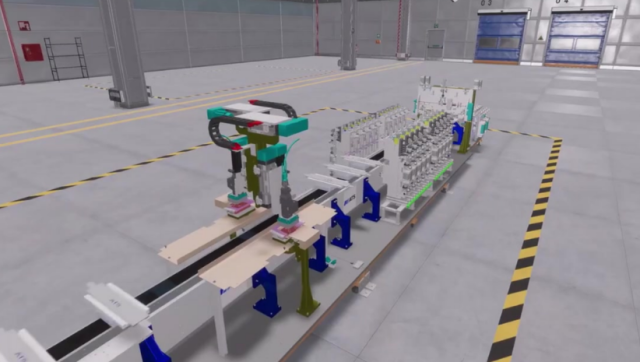
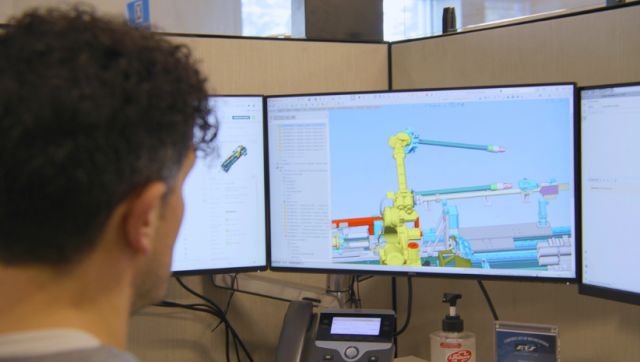
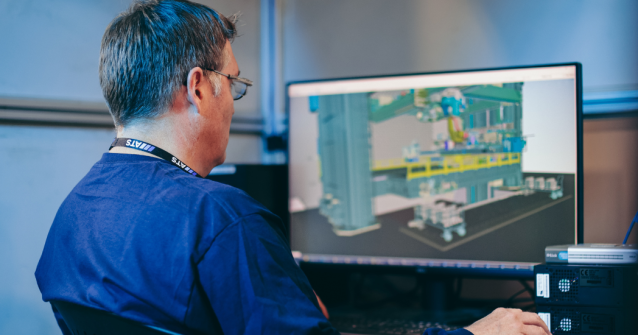
- Process simulations
- Proof-of-principle tests
- Tolerance stack-ups
- Prototype builds
- Validation plans
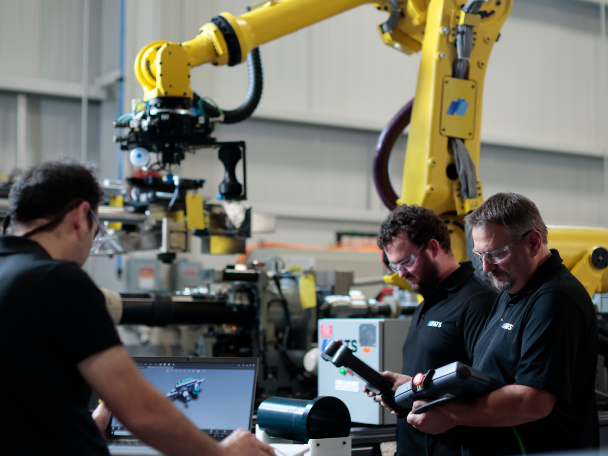
These steps drastically improve manufacturability—whether or not automated tooling is ever involved.
Why Automation Discipline Matters for Nuclear Projects
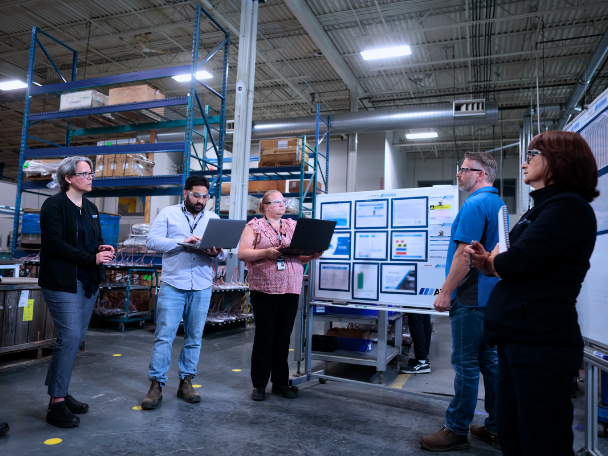
In nuclear, even minor design tweaks can have major regulatory implications. That means you need to design assemblies that:
- Use fewer parts
- Are easy to orient and access
- Avoid unnecessary fasteners
- Allow clean access for inspection and testing
- Tolerance stack-ups
- Fit within precise tolerances
- Can be reliably reproduced across a fleet
Automation thinking is what helps teams anticipate potential issues early and avoid expensive changes later.
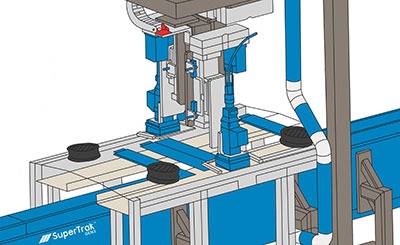
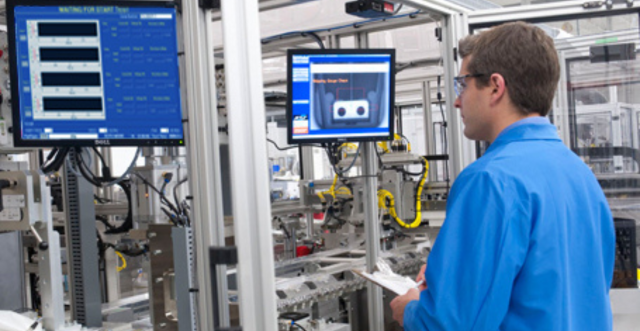
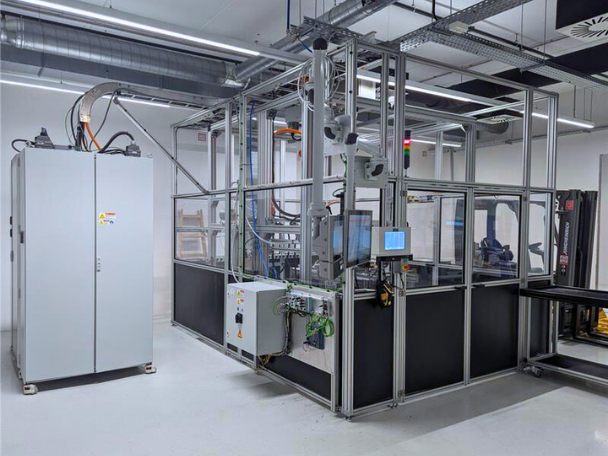
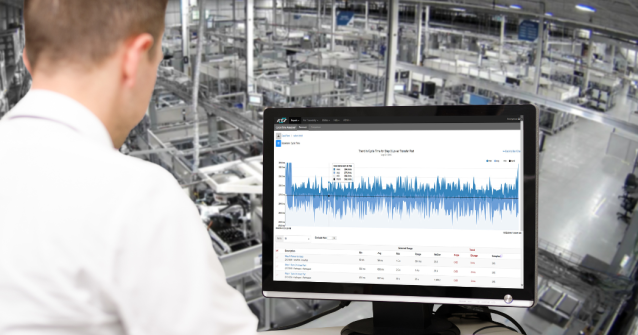
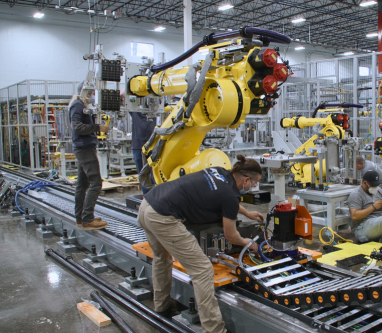
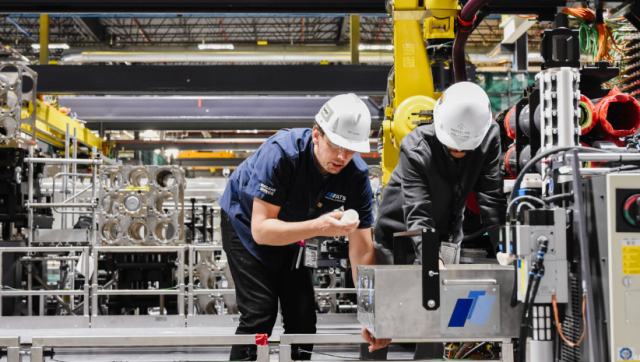
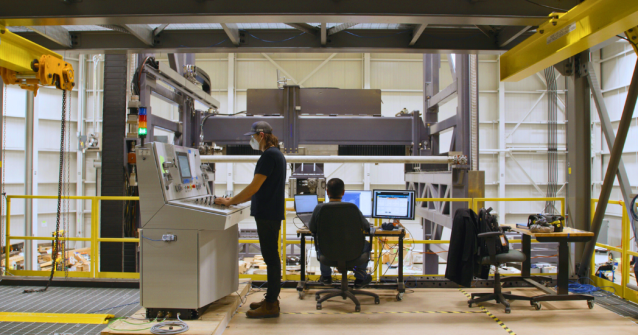
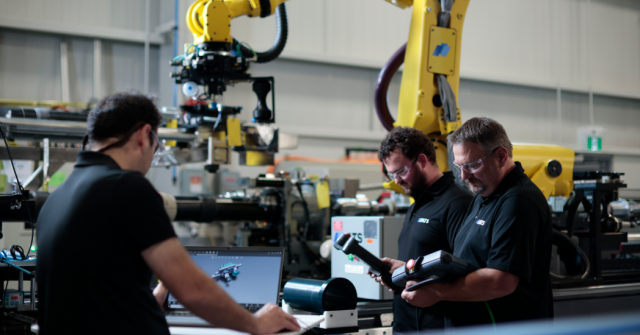
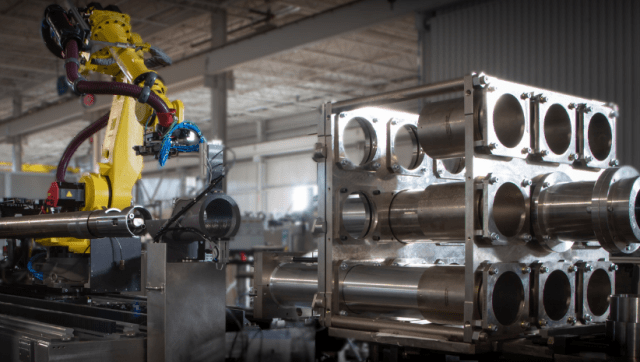
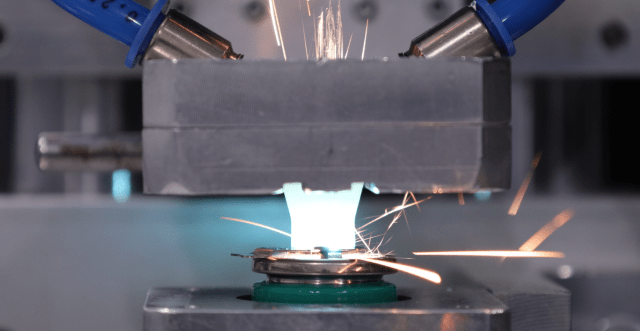
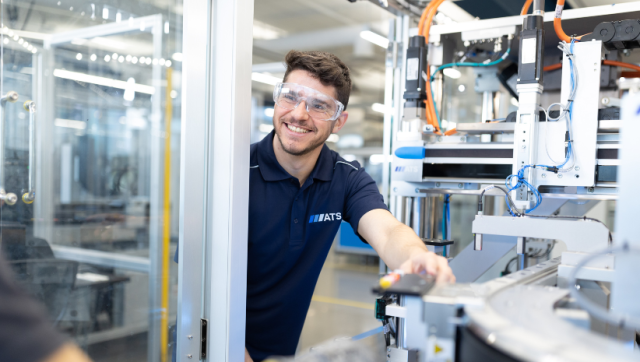
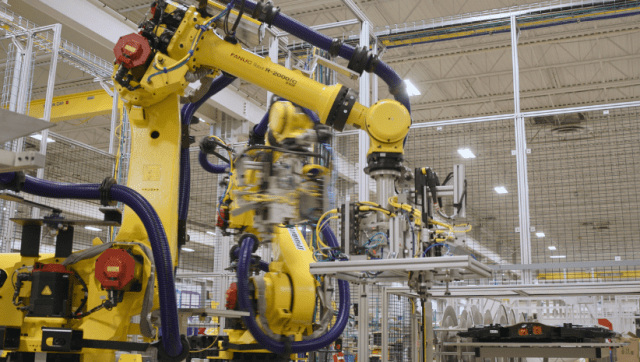
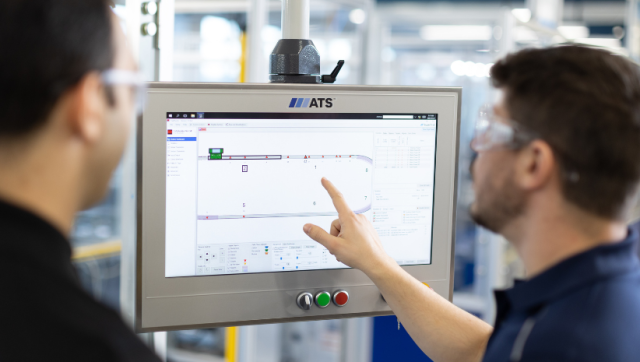
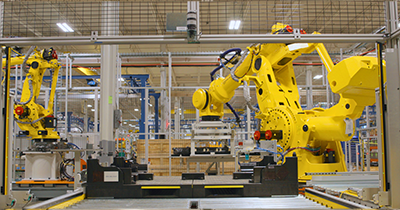
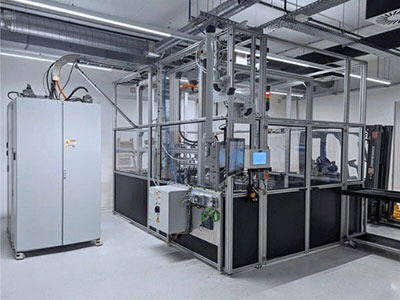
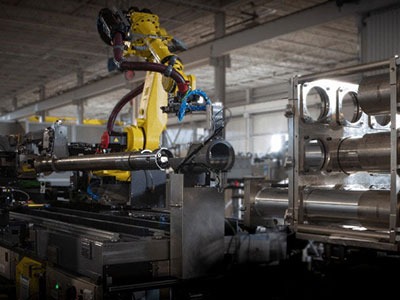
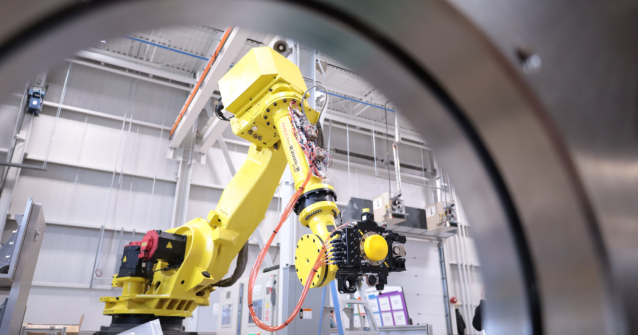
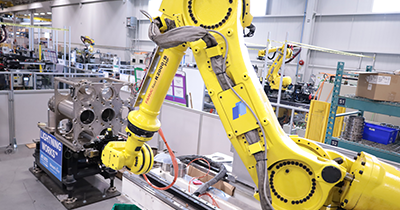
In a modular nuclear project, automation supports everything from precision welding and robotic assembly of module components to automated inspection and testing. By integrating automation into the factory environment, teams can simulate and validate processes before modules ever reach the site, ensuring that each unit meets exacting standards and regulatory requirements. This synergy between modularization and automation is what allows nuclear projects to scale up efficiently, even as demand surges.
Key Advice for Today’s Nuclear Industry
With demand for clean, reliable power rising faster than ever, today’s nuclear providers face both unprecedented opportunity and pressure to deliver. The strategies outlined above—modularization, automation, and early collaboration—aren’t just theoretical best practices; they’re essential tools for meeting the scale and speed required in this new era.
More talent is arriving from automotive, aerospace, heavy industry, and advanced manufacturing sectors. That’s a good thing. These people bring new perspectives—and they expect better tools and better processes. All elements which are key to our current nuclear renaissance.
Whether you’re a reactor vendor, an equipment supplier, or a construction partner, the following actions can help you—and the industry—rise to the challenge:
1. Involve Manufacturers Early
Bring fabricators into the design process. Early DFMA reviews save months of rework.
2. Don’t Reject Automation Too Quickly
Even if volumes are low, tooling, fixtures, and process planning can make huge differences.
3. Standardize Everything You Can
Shared parts, shared fasteners, shared interfaces — these things multiply efficiency across a fleet.
4. Think About the Entire Plant Lifecycle
The tooling you design for a new build can also help with operations, maintenance, and eventually decommissioning.
5. Use Digital Tools Beyond Just the Plant Design
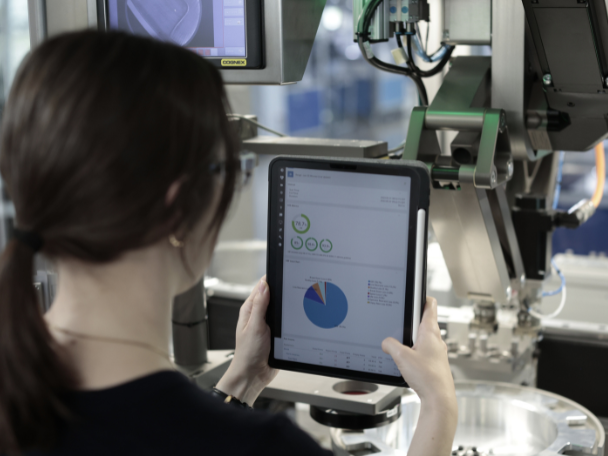
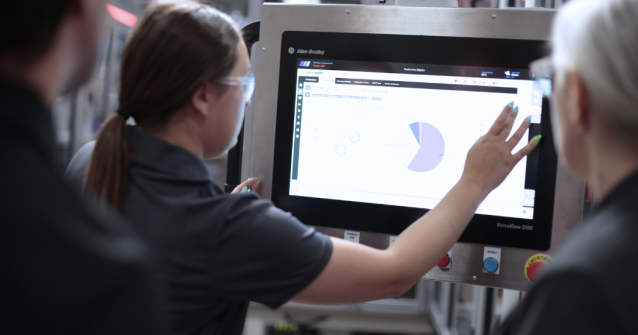
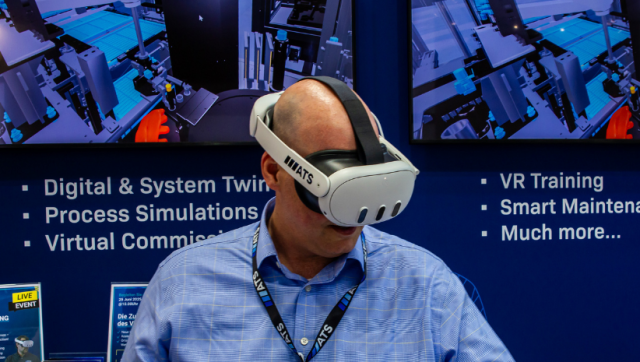
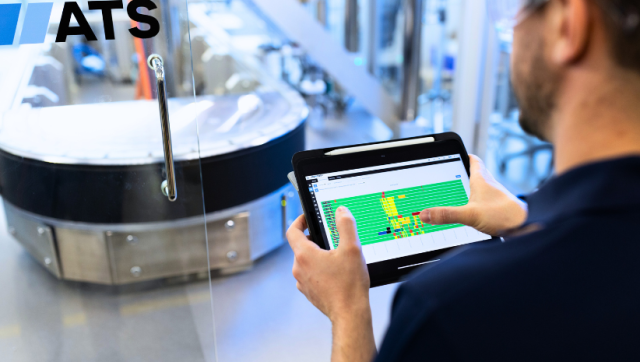
Digital twins and virtual factory simulations can identify problems long before construction begins.
Final Thoughts on Modular Construction in Nuclear
The nuclear industry is entering a moment unlike anything we’ve seen in decades. The need is massive, the timelines are long, and the number of projects is growing fast. To succeed, we need to build smarter.
Modular construction, paired with strong tooling and selective automation, is one of the clearest pathways to delivering nuclear projects faster, safer, and at a scale that matches what the future requires.
If the industry gets this right, we won’t just build more reactors—we’ll build them better.
Speak to a nuclear expert to learn how automated solutions can enhance the design and build of your SMR project.

Majid Afana
Global Director, Nuclear Business Development & Sales
ATS Industrial Automation
Bringing over 12 years of experience in the nuclear industry, with a strong foundation in mechanical engineering, business development, and operations. Majid helps customers execute growth strategies and develop tailored automation solutions across the nuclear lifecycle, driving innovation and long-term value.