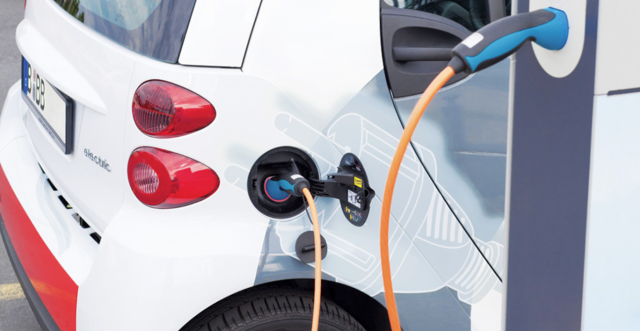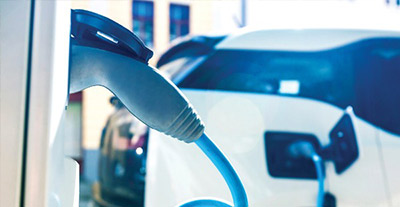


Language is a living reflection of culture. When technologies evolve, so do the words that describe them. The shift from gas-powered vehicles to electric mobility isn’t just transforming how we move, it’s changing how we speak—and what we think about this change. Idioms rooted in combustion culture are being reimagined to reflect the realities of electric vehicles (EVs), from battery levels to torque and charging stations.
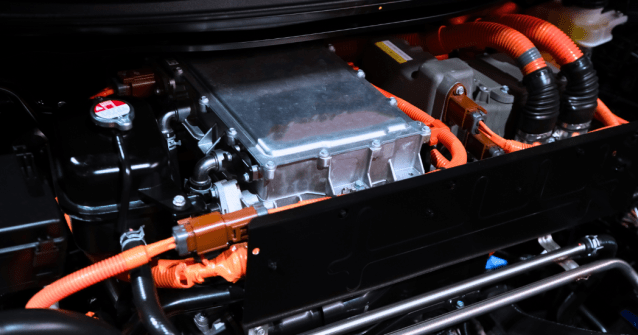
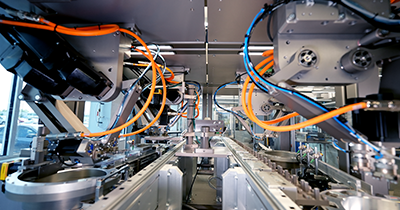
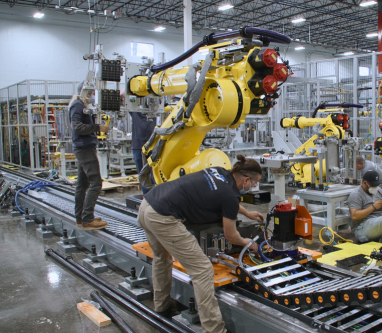
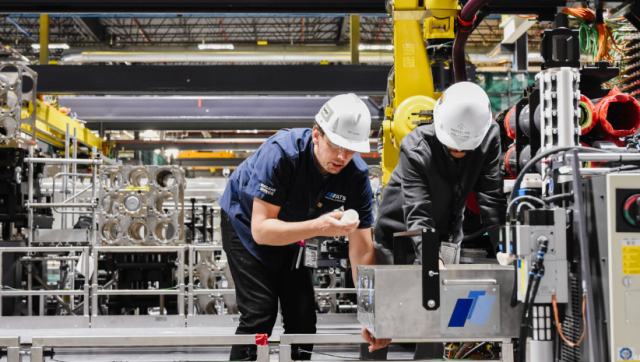
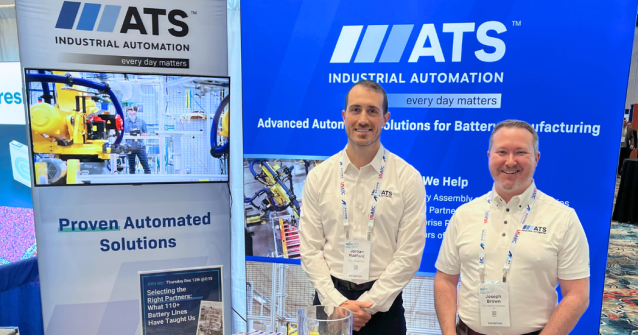
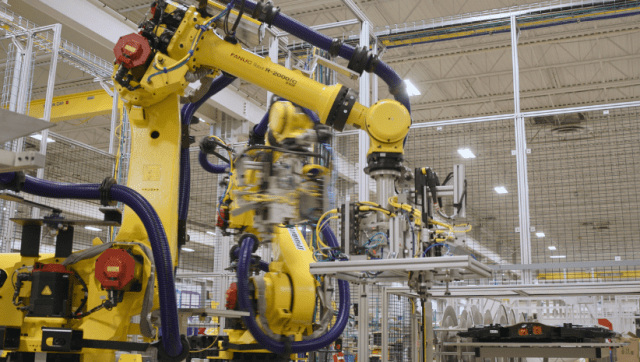
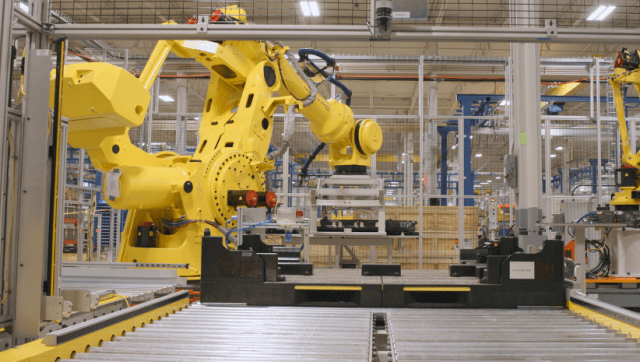
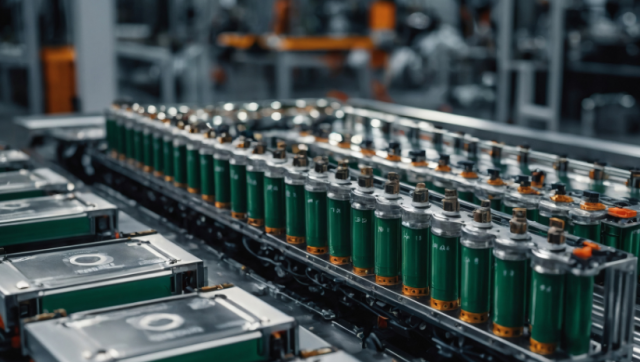
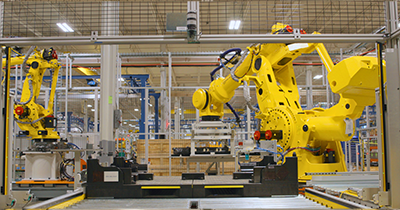
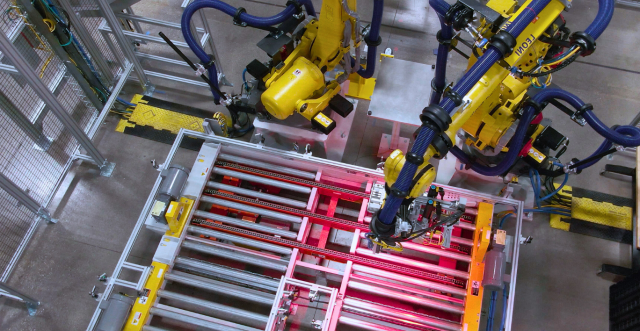
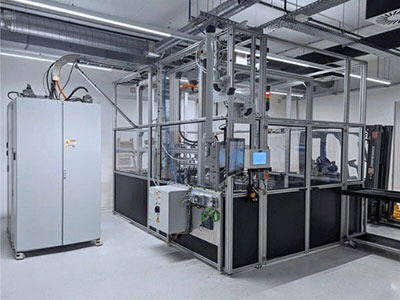
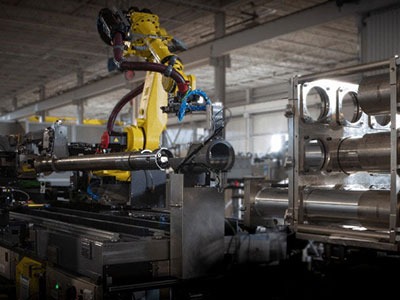
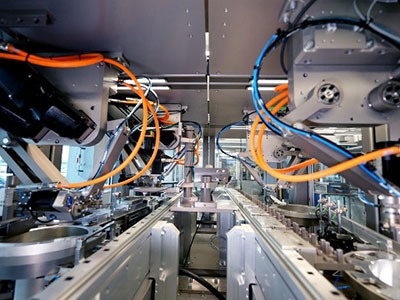
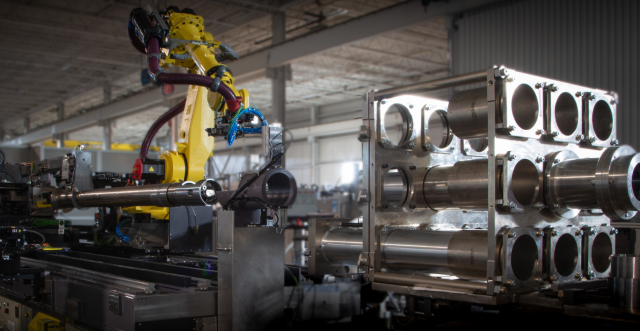
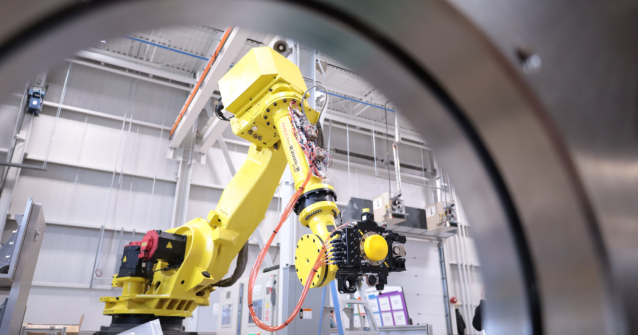
At ATS Industrial Automation, we’re proud to be part of this transformation, helping automate the assembly of electric powertrain components like eMotors, inverters, and eRotors. As we speak every day with automotive manufacturers and their suppliers, we are becoming increasingly aware that the phrases we use so commonly don’t quite have the same ring to them, or they even ring out a bit hollow. Our world is changing, and so should our language.
Why Idioms Matter
Idioms are more than quirky expressions—they’re cultural shorthand. They capture shared experiences and values, often rooted in the technologies of the time. For decades, gas-powered vehicles dominated our roads and our language. Phrases like “running on fumes” or “step on the gas” became everyday metaphors for energy, urgency, and effort. Some of these automotive sayings retain their relevance in the EV era, like “make a pit stop” or “pedal to the metal.”
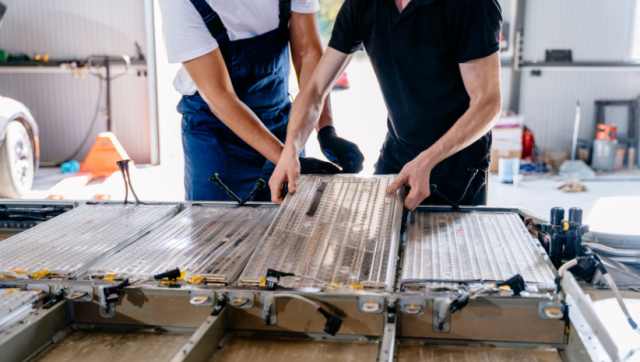
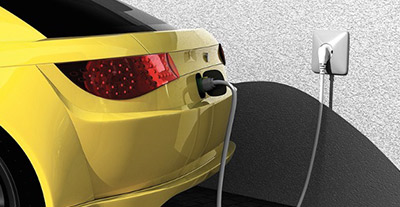
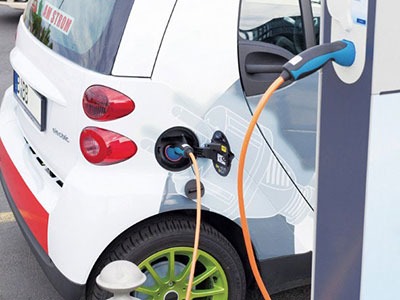
But as EVs become more popular, some automotive idioms are starting to feel a little less relevant. Just like we’ve swapped fuel tanks for battery packs, we’re beginning to swap our expressions too. Here are some ways we are adapting our language to the electric era.
Idiom Evolution: Gas vs. Electric
| Gas Idiom | EV Alternative |
|---|---|
| Running on fumes | Almost out of juice |
| Hit the gas | Punch it |
| Gas up | Charged up |
| Gasbag | Overloaded circuit |
| Don’t throw gas on it | Don’t crack the battery |
| Gas guzzler | Battery hog |
| On the gas | Stop pushing it |
| Burn gas | Drain the battery |
| Firing on all cylinders | Juiced up |
| Revving the engine | Spooling the inverter |
| Fill ‘er up | Plug it in |
| Mileage per gallon or liter | Range per charge |
| Idling | In standby |
| Blown a gasket | Fried the circuit |
| Fire it up | Power it on |
| Out of gas | Battery’s dead |
From Combustion to Current
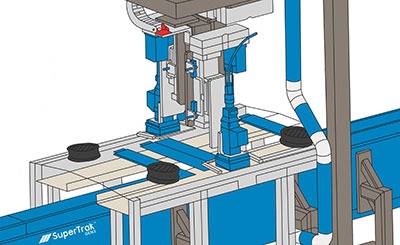
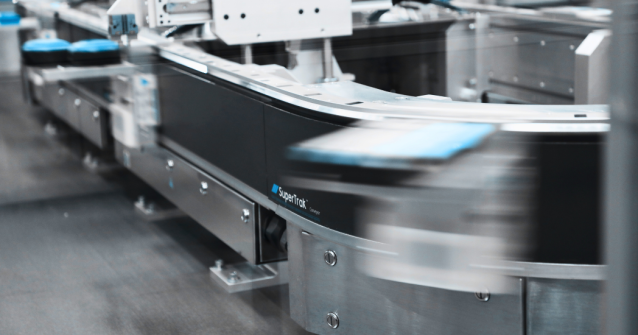
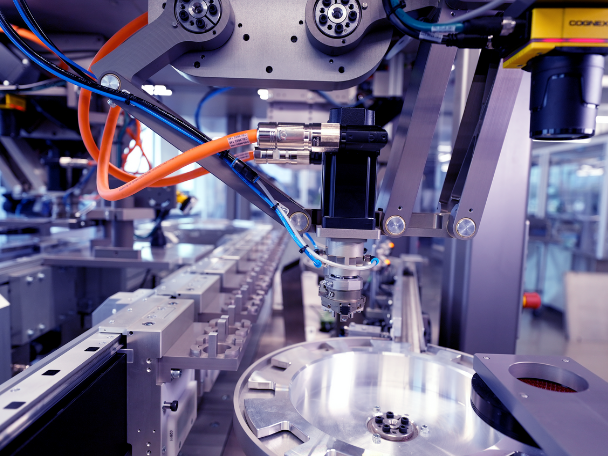
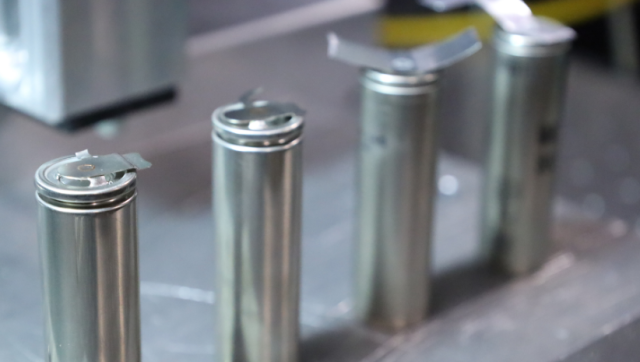
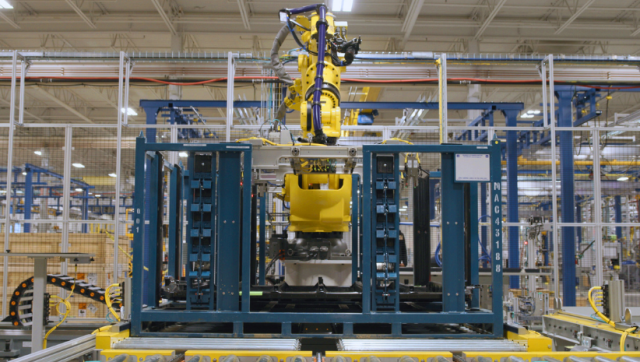
The transition to electric mobility is more than a technological upgrade. It’s a cultural shift. While EVs become the norm, our metaphors and expressions are adapting to reflect new realities. This linguistic change mirrors the transformation happening in manufacturing, where companies like ATS are automating the production of eMotors, inverters, and eAxles to support the electrification of transportation.
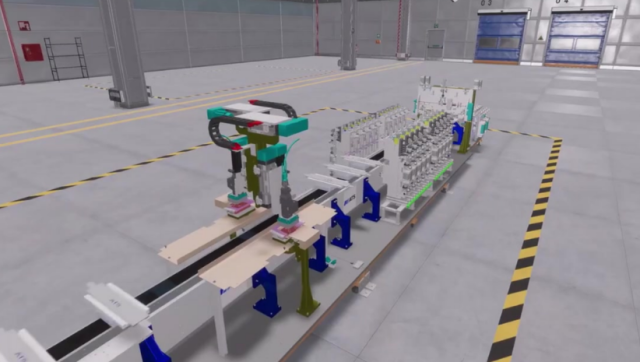
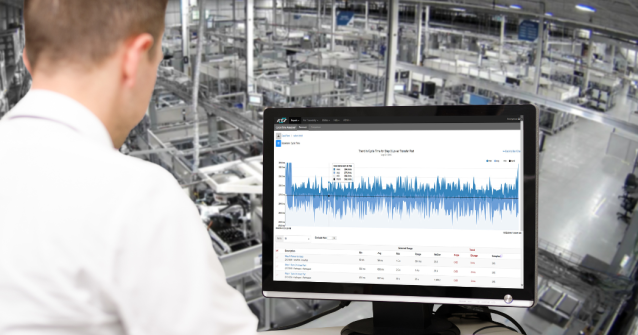
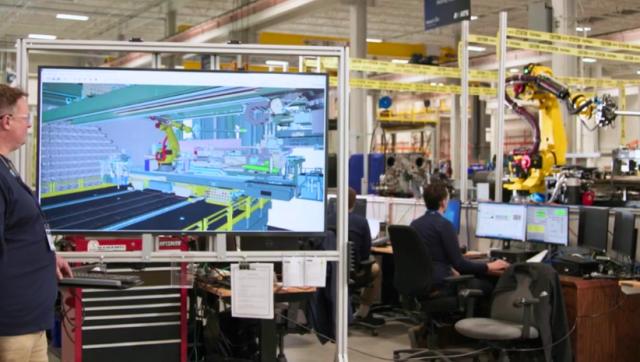
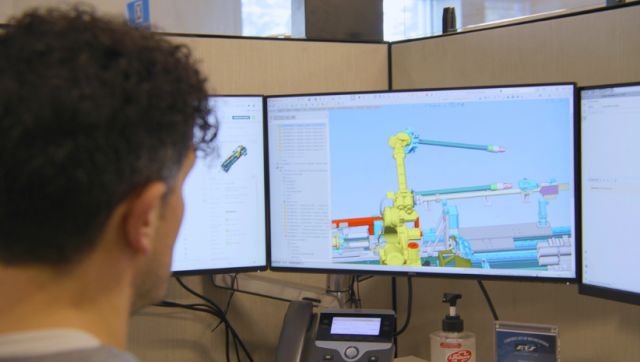
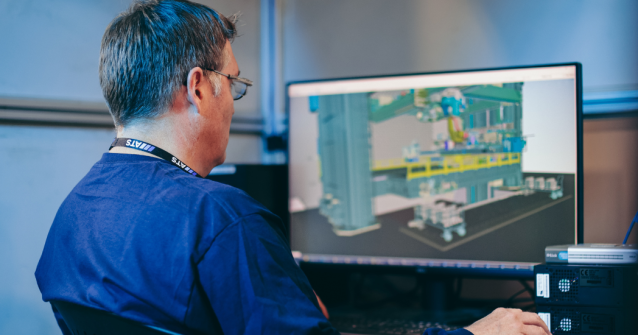
As digital twins and system twins have elevated automation engineering through preventive maintenance and real-time optimization, the phrases we use are evolving to reflect a smarter, cleaner, and more connected future.
Language in Motion
As we move from combustion to current, our words are changing too. Idioms once fueled by gas are now powered by electricity—a shift that mirrors a broader cultural norm around sustainability and clean energy. Expect even more electrifying phrases to emerge: will “range anxiety” replace “running on empty,” or “fast charging” become the new “quick fix”? Language will keep evolving alongside our experiences.
Driving into the Future
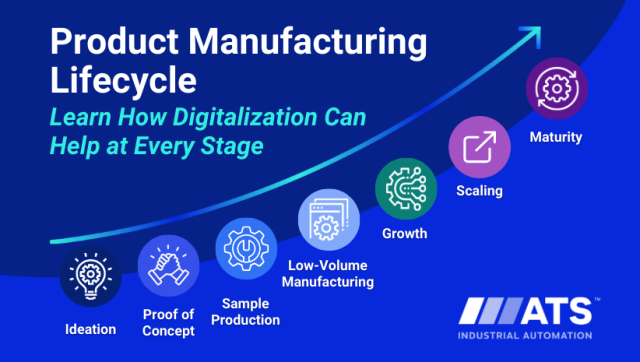
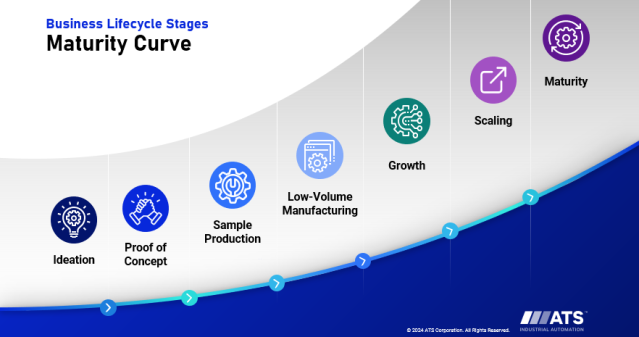
At ATS Industrial Automation, we help manufacturers build this future through automation solutions for EV powertrain components. From rotor-stator marriage to inverter manufacturing and eAxle integration, our systems support the electrification journey from ideation to maturity. So next time you’re “running on fumes,” maybe you’re just “low on juice”—and when it’s time to “step on the gas,” remember, you can always “punch it.”
Every automation project is unique. Allow us to listen to your challenges and share how automation can launch your project on time.

Joe Brown
Business Development Specialist
ATS Industrial Automation
Joe helps companies of all kinds to automate and scale production using bespoke automated assembly, test, and conveyance systems.